Modellbahn Keks
Welcome!
Our cookies offer you a fast, relaxed and full-featured shopping experience. Some are necessary to operate the website and its functions. Others help us to improve our services. If you agree to this, simply consent to the use of cookies for preferences, statistics and marketing by clicking on "OK". Alternatively, you can deactivate individual cookies under "Customise cookies" or all cookies, except those required for the function of our website, under "Reject all".
Create realistic trackwork, engineering trains and work sites

Model Railway Construction | Work Trains & Trackwork

From a stable baseboard, track, turnouts and ballast to a prototypical engineering train, this guide combines the technical construction of a model railway layout with realistic permanent-way maintenance scenes and modern railway-construction logistics.

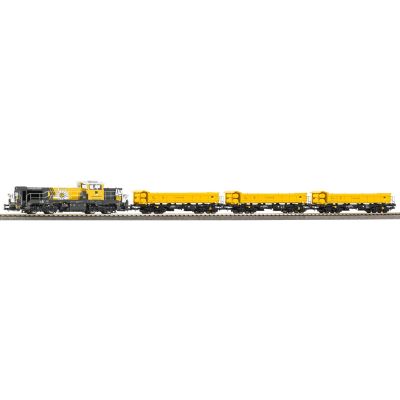
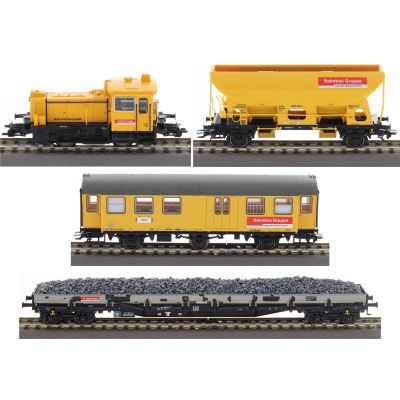
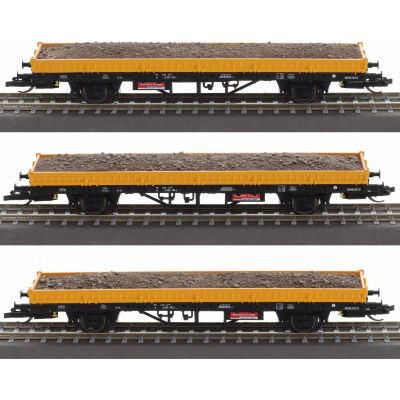
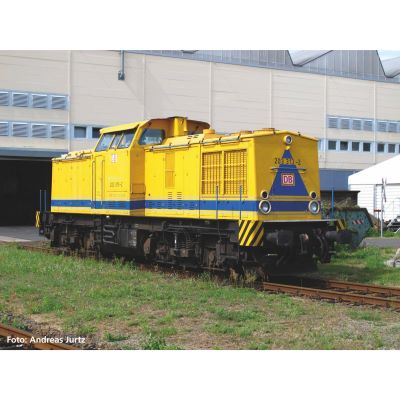
PIKO H0 railway-construction train with a diesel locomotive and yellow bulk-material wagons
Two sides of a versatile subject

What Does Railway Construction Mean on a Model Railway?

For the modeller, railway construction begins with a technically sound foundation. The baseboard, trackbed, track geometry, power supply, turnouts, feedback sections and overhead line must be planned as a complete system. Ballast, platforms, signals, terrain and final detailing should be added only after trains run reliably over every part of the layout.

Railway construction is also an interesting prototype subject. Work sites interrupt normal railway operation and bring unusual vehicles onto the line, including heavy diesel locomotives, ballast wagons, flat wagons, workshop vehicles, tamping machines, road-rail excavators, material containers and crew vehicles.

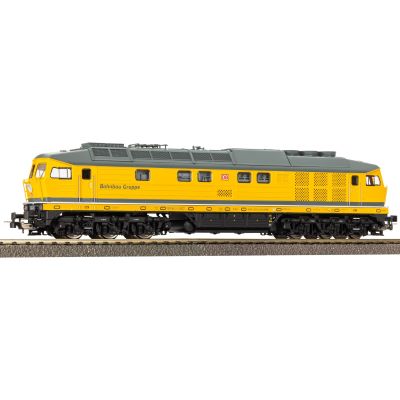
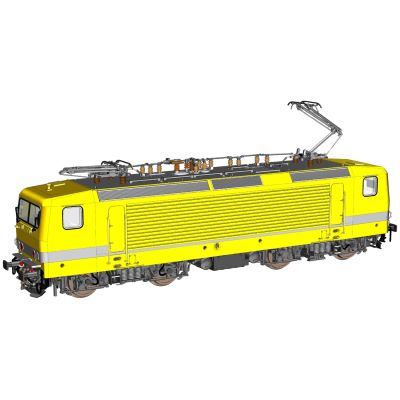
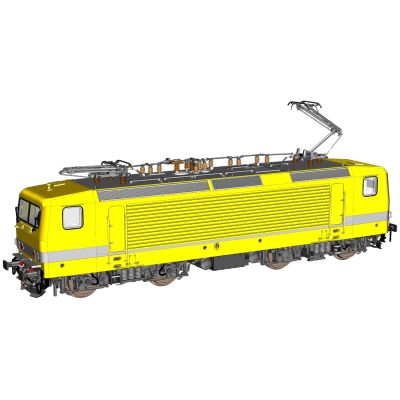
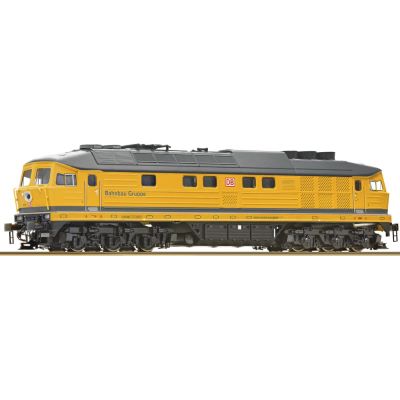
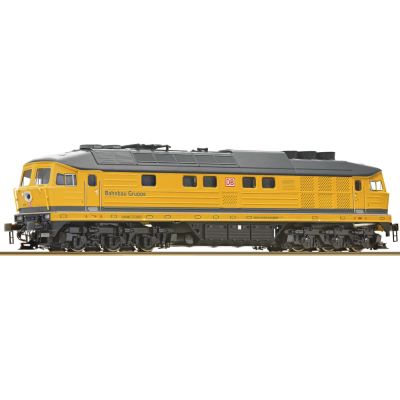
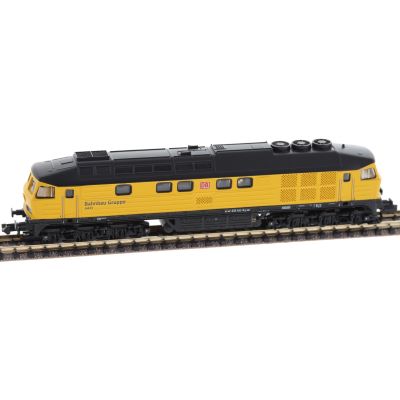
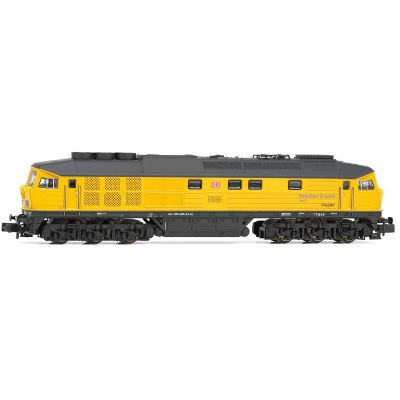
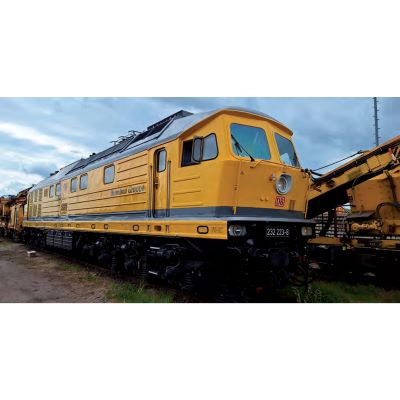
A modern layout can represent the DB Bahnbau Group using yellow or yellow-and-grey locomotives and wagons. Historical layouts can instead feature maintenance crew vehicles, equipment wagons, small departmental vehicles and track gangs working largely by hand. Private contractors such as Leonhard Weiss, Schweerbau and other infrastructure companies are also suitable for Eras V and VI.

From the trackbed to work-site logistics

Which Areas Are Part of Railway Construction?

Baseboard and Trackbed

The trackbed supports the track, vehicles and scenery. It must be level, resistant to twisting and permanently stable. Changes in height should be planned with consistent gradients and gentle vertical transitions.

Planning tip

Hidden routes must remain accessible after the scenery has been completed.

Track and Turnouts

Curve radii, parallel-track spacing, turnout angles and platform lengths determine later operation. Flexible track permits flowing curves but requires especially careful installation.

Before securing the track

Test the longest vehicle and pushed wagons in both directions.

Power and Feedback

Several power feeds reduce voltage loss. Electrical gaps, reversing loops, frog polarity and feedback sections should be completely planned and labelled before ballast is applied.

Practical note

Every wire should have a clearly defined colour and corresponding documentation.

Ballast and Drainage

On the prototype, the ballast bed stabilises the track and drains water away. On a model it should look consistent without appearing sterile. Sidings are normally more shallowly ballasted and more heavily weathered.

Scenery tip

Never glue turnout blades, hinges or moving mechanisms.

Overhead Lines and Signals

Masts, contact wire, signals and cable routes follow the track geometry. Their positions must be decided early so that foundations do not conflict with turnout motors, servos or hidden staging tracks.

Recommended sequence

Complete test running before installing masts, signals and delicate details.

Engineering Train and Work Site

A believable engineering train needs a task. Ballast is delivered, old sleepers are removed, machines wait in the work track and employees protect the site from other railway traffic.

Operating idea

A short engineering possession creates interesting and time-sensitive shunting movements.

A reliable railway in eight steps

How to Build Model Railway Track Correctly

The following sequence prevents completed scenery from having to be opened again later. Every construction phase ends with a test before adhesive, ballast or terrain is added.

1

Measure the Room

Record the layout dimensions, operating aisles, doors, windows and safely reachable depth.

2

Draw the Track Plan

Check radii, turnouts, station lengths and hidden staging using the actual dimensions of the selected track system.

3

Build the Trackbed

Level the supporting surface and construct gradients with gentle vertical transitions.

4

Lay the Track Temporarily

Mark the alignment, check every transition and allow sufficient space for turnout mechanisms.

5

Connect the Wiring

Temporarily wire power feeds, electrical gaps, feedback sections and turnout frogs.

6

Test Thoroughly

Run every vehicle slowly and quickly, both hauled and pushed, through every turnout.

7

Secure and Ballast

Fix the track without creating tension and use adhesive sparingly around moving components.

8

Add the Details

Install signals, masts, cable ducts, access paths and work-site vehicles last.

Important: Do not apply ballast until the turnouts, electrical gaps, feedback sections, power supply and operation of long vehicles have been tested completely. Corrections become considerably more difficult after the track has been glued.
Railway construction from Z to Gauge II

Which Gauge Is Suitable for Railway-Construction Scenes?

Model Size Scale Suitable Construction Scene Particular Strength What to Consider
Z 1:220 Short work site, material storage area or engineering train on an open line. Long work trains in a very small area. Use fine details sparingly and position them visibly.
N 1:160 Major line closure with a ballast train and construction logistics. Prototypical train lengths and spacious work sites. Small machines require clean track and good lighting.
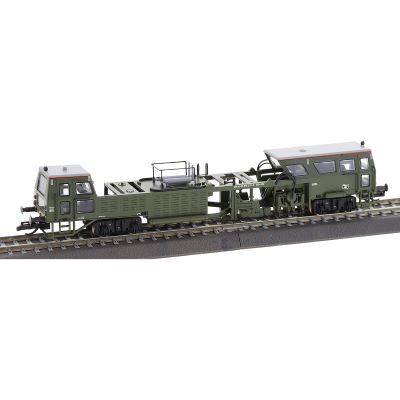
TT 1:120 DB engineering train, DR maintenance vehicle or track-tamping machine. A good compromise between space and visible vehicle detail. Decide the engineering-train length and minimum radii early.
H0 1:87 Complete work site with machines, excavators and personnel. Very large selection of vehicles and accessories. Long specialist vehicles require larger curve radii.
H0e / H0m 1:87 Narrow-gauge construction, small maintenance gang or mountain railway. Tight alignments and short work trains. Use compatible narrow-gauge track and couplings.
S 1:64 Compact shunting and maintenance scene. Clearly visible tools and figures. Smaller selection of specialist products.
0 / 0e usually 1:45 Detailed work site at a station or industrial siding. Tools, couplings and shunting movements appear particularly realistic. Plan a point-to-point layout rather than a large circuit.
1 1:32 Large engineering vehicles and individual display models. Maximum detail and functional impact. Very substantial space requirements.
G often 1:22.5 Garden-railway work train, track cleaning and material transport. Robust models and clearly visible working processes. Plan for weather, foundations and drainage.
II 1:22.5 Large standard-gauge engineering machine or diorama. Extremely strong prototypical appearance. Specialist size with very substantial space requirements.
Operation instead of static decoration

How Can a Railway Work Site Be Represented Convincingly?

Modern Work Site in Eras V and VI

Modern railway work frequently takes place during short line possessions. Materials and machines must therefore be positioned in a defined sequence. An engineering train can consist of a locomotive, workshop vehicle, flat wagons, bulk-material wagons and crew accommodation vehicles.

  • a yellow locomotive or private engineering contractor,
  • ballast wagons and wagons for removed sleepers,
  • a tamping machine or rail-cleaning vehicle,
  • site containers, excavators and warning lights.

Historical Railway Construction in Eras II to IV

Many earlier tasks were completed using smaller machines and larger numbers of workers. Crew vehicles, simple departmental wagons, trolleys, hand tools and stored construction materials define the scene. Ballast and sleepers may be stacked directly beside the track.

  • short steam- or diesel-hauled engineering trains,
  • open freight wagons and flat wagons,
  • track-maintenance vehicles and small tamping machines,
  • work gangs with tools and railway lookouts.

Construction Work as a Shunting Task

The engineering train is assembled in the station, travels into the closed line and positions its wagons in the order required for the work. Empty and loaded wagons are then exchanged. This creates understandable railway operation with clearly defined tasks.

A Small Scene with a Strong Effect

Railway construction can also be shown without a complete engineering train. A replaced length of rail, stacked sleepers, a road-rail excavator and four workers already create a convincing work site. A few logically positioned details look more believable than randomly distributed accessories.

21 examples arranged by gauge

Locomotives, Engineering Trains and Maintenance Vehicles

The following models are suitable for engineering-train operation, permanent-way maintenance, ballast transport and realistic work-site scenes. Analogue, digital and sound versions are shown separately so that they can be matched to the existing system.

Questions and easy-to-understand answers

Frequently Asked Questions About Model Railway Construction

What Belongs in a Realistic Engineering Train?

Typical components include a powerful locomotive, ballast or material wagons, flat wagons, a workshop or crew vehicle and, where appropriate, a track-maintenance machine. The train should have a recognisable task within the work site being represented.

Which Gauge Is Best for a Railway Work Site?

H0 offers the largest selection of machines, vehicles and figures. TT combines visible detail with lower space requirements. N is suitable for long engineering trains, while G provides especially large and robust work vehicles.

Must a Railway Work Site Always Be Modern?

No. In Eras II to IV, maintenance vehicles, small track machines, open freight wagons and large numbers of workers were used. Modern yellow specialist vehicles and private contractors are especially suitable for Eras V and VI.

When Should Model Railway Track Be Ballasted?

Only after complete test running. Turnouts, electrical gaps, feedback sections, the power supply and operation with long vehicles must work reliably before ballast and adhesive are applied.

How Can Glued Turnouts Be Prevented?

Use very little or no adhesive around turnout blades, the operating tie bar, hinges and mechanisms. Moving components can additionally be protected against penetrating adhesive while ballast is being applied.

Which Wagons Suit a Railway-Construction Locomotive?

Suitable vehicles include ballast wagons, low-sided and flat wagons, stake wagons, container wagons, equipment vehicles and converted crew accommodation vehicles. The exact train formation depends on the type of work being represented.

Can an Engineering Train Shunt in a Normal Station?

Yes. Engineering trains must be assembled, material wagons exchanged and machines positioned in the correct work track. A station with a secondary track, siding or freight area provides numerous prototypical shunting tasks.

How Can a Closed Railway Line Be Represented?

A visible signal showing stop, a stop board, work-site barriers, railway lookouts and an engineering train in the work track make the closure clear. Other railway traffic can use an adjacent line or a diversion route.

Does a Work-Site Scene Need a Functional Overhead Line?

No. A visually complete but non-powered overhead line is sufficient for many layouts. At a work site, the contact wire may be missing or under renewal in one section. Masts, reels, cable drums and work vehicles should explain the situation.

How Large Must a Railway-Construction Scene Be?

A visible section of only 30 to 60 centimetres may be sufficient. A replaced length of track, several sleepers, an excavator, workers and a material wagon create a compact and understandable work site.

From the First Trackbed to a Complete Model Railway Layout

Discover further information about gauges, starter sets, analogue and digital control, track systems, wiring, railway eras, scenery construction and prototypical operation.

Open the Main Guide