
Bestseller


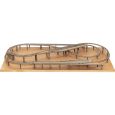


Our categories


Layout Design for Model Railways – Creativity Meets Realism
Are you looking for products for designing your model railway layout that turn tracks and trains into a truly believable miniature world?
Then you have come to the right place in the Layout Design category, because this is where the part of the hobby begins that makes your layout lively, individual and atmospheric.
A model railway only looks truly convincing when it shows more than just train operation. Mountains, roads, houses, trees, figures, industrial areas, bodies of water and small everyday scenes turn technology into a world with character.
That is exactly why layout design is one of the most exciting and creative areas of the model railway hobby. It combines planning, landscape construction, decoration and realism into a harmonious overall picture that makes your layout unmistakable.
The category is much more versatile than many initially think. It includes not only buildings or a few trees, but ranges from landscape construction and model plants to figures, ready-made layouts, trackbed solutions and many small furnishing details.
Whether you want to design a rural branch line, a modern station, an industrial landscape, a mountain range or a small town – with the right materials, you can create a layout that not only works, but also has emotional impact.
What Is Included in Model Railway Layout Design?
Layout design includes all elements that visually, scenically and in terms of landscape complete your model railway. These include buildings, terrain forms, plants, figures, roads, water surfaces and many small everyday details.
Why Is Layout Design So Important?
Because it turns a technical layout into a believable miniature world. Only through landscape, architecture and scenes do depth, atmosphere and a true eye-catcher emerge.
Why Is This Category Equally Interesting for Beginners and Advanced Model Railway Enthusiasts?
Beginners can quickly create visible results with just a few items, while experienced model railway enthusiasts can refine their layouts down to the smallest detail. This means the category grows naturally with your requirements.
Which Main Areas Does Layout Design Include?
Buildings, landscape construction, model plants, figures and ready-made layouts are especially important. Together, these areas form the foundation for a believable, varied and lively model railway world.
| Area | Typical contents | Especially important for |
|---|---|---|
| Buildings | Stations, residential houses, industry, signal boxes | Townscape, city, village, railway operation |
| Landscape construction | Terrain forms, rocks, tunnels, paths, water | Basic structure and realism |
| Model plants | Grass, trees, bushes, hedges, flowers | Greening and seasonal effect |
| Figures | Travellers, workers, families, animals, scene sets | Life and everyday activity on the layout |
| Ready-made layouts | Complete scenes, trackbed kits, prepared solutions | Quick start and plannable construction |
What Does Landscape Construction Mean in Model Railways?
Landscape construction covers the creation of terrain forms and the visible surroundings of your layout. This includes mountains, valleys, embankments, river courses, rocks, roads and the entire topographical basic structure.
Why Does Good Layout Design Always Start with the Substructure?
Because a convincing landscape image first needs a stable and logically built foundation. When trackbeds, hills, plains and cuttings are well planned, later greening and buildings also look much more harmonious.
Which Materials Are Suitable for Terrain Construction?
Typical materials include rigid foam panels, frames, trackbed components, plaster cloth, modelling compounds and structureable terrain bases. These can be used to create both gentle landscapes and striking mountain ranges or deep cuttings.
Why Are Trackbed Kits and Prepared Basic Solutions So Practical?
They make it easier to get started and give the terrain construction a clear form. Such systems are especially helpful when a layout is to be planned cleanly and built quickly.
When Is a Ready-Made Layout or Ready-Made Terrain Worthwhile?
Such solutions are especially worthwhile if you want to achieve visible results quickly. Prepared landscape concepts are also very attractive for beginners or compact projects.
What Makes Mountains, Rocks and Embankments So Important on a Layout?
They give the layout spatial depth and ensure that track routing and perspective look much more realistic. Tunnel portals, rock faces and terrain edges in particular create strong focal points.
Why Do Tunnel Portals and Retaining Walls Look So Convincing?
Because they visibly shape the transition between technology and landscape. At the same time, they help to stage gradients, cuttings and track routes in a believable way.
What Role Do Roads and Paths Play in Layout Design?
Roads, field paths and squares connect the buildings and scenes of your layout into a logical world. Without them, even beautiful houses and figures often look loosely placed rather than truly integrated.
How Can Roads Be Represented Especially Believably?
Roads look realistic above all when the carriageway, edges, markings and surroundings fit together. Small details such as guardrails, traffic lights, curbs or construction sites additionally enhance the effect.
Why Are Water Surfaces a Highlight for Many Layouts?
A river, a stream, a lake or a small pond immediately brings variety into the scene. Water creates depth, reflects light and often makes the landscape look significantly livelier.
Which Bodies of Water Can Be Implemented Well on a Model Railway?
Rivers with bridges, small streams, harbour areas, ponds and mill scenes are very popular. Even a small water surface can greatly enhance a layout.
What Makes Water on a Model Railway Especially Realistic?
Important factors are a harmonious base colour, suitable bank design and a believable surface. Reeds, stones, sand, wooden jetties or boats additionally strengthen the impression.
| Landscape element | Typical effect | Especially suitable for |
|---|---|---|
| Mountain and rock | More height and depth effect | Mountain routes, tunnels, Alpine themes |
| Road and square | Order and traffic connection | City, village, industry |
| River or pond | Variety and strong visual effect | Rural scenes, bridges, mills, harbour |
| Retaining wall | Technical and realistic transition | Railway embankments, cuttings, ramps |
| Trackbed module | Clean basic construction | Plannable layout construction and quick start |
Why Are Buildings So Crucial for Layout Design?
Buildings give your layout a theme and make it immediately recognisable whether it is a village, a town, an industrial area or a station forecourt. They structure the scene and create orientation.
Which Types of Buildings Are Especially Important?
Stations, signal boxes, engine sheds, residential houses, half-timbered houses, industrial halls, warehouses, workshops and small town buildings are in very high demand. Depending on the theme, rural farms, hotels or commercial buildings can also play a major role.
Why Is a Station Often the Most Important Building?
Because it makes the connection between train operation and surroundings visible. A well-chosen station often shapes the entire atmosphere of a layout more strongly than any other individual model.
When Are Industrial Buildings Especially Worthwhile?
Industrial buildings are ideal when freight traffic, shunting operations and a denser scene layout are the focus. They bring additional operational reasons to the layout and have an especially exciting technical effect.
Why Are Residential Houses and Village Buildings So Important?
They create everyday life and give the layout a human scale. Even a small group of houses quickly turns a simple railway line into a believable settlement.
How Does a Harmonious Townscape Emerge from Buildings?
It is important that style, size, era and placement fit together. When buildings are grouped sensibly and connected by roads, paths and vegetation, the scene looks much calmer and more realistic.
What Do Model Plants Contribute to the Layout?
Model plants bring colour, structure and seasonal effect to your landscape. They connect tracks, buildings and terrain into a harmonious natural environment.
Which Types of Plants Are Especially Important in Layout Design?
Typical examples include grass fibres, scatter grass, grass mats, trees, bushes, hedges, flowers, reeds and various field or garden elements. The more finely this greening is coordinated, the more realistic the entire layout appears.
Why Is Grass More Than Just Green?
Because real landscapes consist of different colours, lengths and densities. With varied greening, meadows, embankments and verges look much more natural.
What Do Static Grass Fibres Provide?
Static fibres stand upright and therefore create an especially realistic meadow structure. On larger areas in particular, this makes a noticeable difference compared with simple scattering.
Why Are Trees Such Important Eye-Catchers?
Trees give a layout height and natural structure. Individual trees, groups of trees or forest edges help make open areas more interesting and realistic.
How Do Bushes, Hedges and Small Plants Work?
They fill transitions between paths, buildings, tracks and landscape. These small elements in particular prevent a layout from looking too flat or empty.
Why Are Seasons So Appealing in Layout Design?
Because vegetation and colour selection can create a clear mood. Spring, summer, autumn and winter visibly change the same layout and give it a strong identity of its own.
What Makes a Summer Landscape Attractive?
Dense vegetation, full trees, fields and strong colours create a warm and lively effect. Summer is therefore the classic design season for many model railway enthusiasts.
Why Is Autumn So Exciting on a Model Railway?
Autumn colours bring strong contrasts and an especially atmospheric look. Yellow, brown and red tones appear highly impressive on many layouts.
When Is a Winter Layout Worthwhile?
A winter landscape is ideal if you want to create an especially clear, calm and unusual mood. Snow, bare trees and illuminated buildings create a very special appeal.
| Greening | Typical effect | Especially suitable for |
|---|---|---|
| Scatter grass | Quick basic greening | Meadows, embankments, verges |
| Static grass fibres | Realistic height and structure | Prototype-oriented landscapes and large areas |
| Trees | Height and natural structure | Villages, forests, avenues, parks |
| Bushes and hedges | Fine transitions and density | Gardens, roadsides, railway embankments |
| Flowers and field plants | More colour and themed effect | Gardens, agriculture, summer landscapes |
Why Are Figures Indispensable for Layout Design?
Figures bring life, movement and stories to your layout. Only through people and animals does a beautiful backdrop become a believable scene with everyday life and atmosphere.
Which Types of Figures Are Especially Popular?
Travellers, railway staff, construction workers, families, children, seniors, farmers, emergency services and leisure scenes are in very high demand. They make stations, towns, village squares and landscapes significantly livelier.
Why Do Figures Often Look Better in Groups?
Because small scenes look more natural than individual people distributed loosely. A family on the platform, workers at a construction site or visitors in front of an inn immediately tell a small story.
What Role Do Animals Play on a Model Railway?
Animals make rural and natural scenes much more believable. Cows in the pasture, dogs in the village, horses on the farm or wild animals at the forest edge bring additional liveliness.
Why Are Moving or Illuminated Scenes So Appealing?
Because they immediately attract attention and make a layout look more dynamic. Small animations or lighting effects in particular can significantly enhance a scene.
Which Everyday Scenes Work Especially Well?
Station scenes, market squares, construction sites, gardens, cafés, farms, bus stops and street scenes are very popular. Such motifs feel familiar and make your layout stronger as a storytelling environment.
What Makes a Good Town or Village Scene?
The interaction of buildings, roads, figures, vehicles and vegetation is important. When everything is arranged logically, a harmonious and believable townscape is created.
Why Are Vehicles Outside the Rails So Important for Design?
Cars, buses, trucks, tractors and emergency vehicles connect the railway world with its surroundings. They ensure that roads, squares and industrial areas on the layout do not look empty.
What Role Does Lighting Play in Layout Design?
Lighting creates depth, mood and a strong realism effect. Streetlights, house lighting, platform lights or small effect lamps make a layout especially impressive in the evening hours.
Why Is Interior Lighting Worthwhile in Buildings?
Because buildings then look inhabited and used. Just a few illuminated windows make an entire townscape much livelier.
Which Light Sources Are Especially Popular?
Typical examples include streetlights, house interior lighting, platform lamps, campfires, advertising lights or small special effects. Depending on the theme, these points of light can be used in very different ways.
Why Are Sound and Movement Interesting in Layout Design?
Sound modules and moving elements significantly increase the effect of a scene. Windmills, carousels, barriers or small sounds create additional attention and atmosphere.
When Is Layout Design Worthwhile Even Without Much Space?
Even on small layouts, dioramas or segments, buildings, figures and greening can have an enormous effect. Good design and fine details stand out especially strongly in a small area.
Why Are Dioramas and Small Scenes Attractive for Many Model Railway Enthusiasts?
Because they remain manageable and enable quick visible results. At the same time, techniques can be tried out here without having to design a complete layout right away.
What Role Do Scale and Gauge Play in Layout Design?
Buildings, figures, plants and details must match the gauge of your vehicles. Only then does a harmonious overall image emerge without unsuitable size proportions.
Why Is H0 So Strongly Represented in Layout Design?
Because in H0 the selection of buildings, figures, vegetation and landscape material is especially large. This makes it possible to convincingly realise almost all theme worlds from village to big city.
When Is N Especially Exciting for Design?
Gauge N is ideal when a lot of track and still a believable environment need to be created in a small space. The design often has to be planned somewhat more finely and compactly here.
Why Is TT Interesting in Layout Design?
TT offers a balanced mix of space saving and good detail effect. This makes the gauge especially attractive for layouts that are intended to show a lot of track and at the same time visible design.
When Are Large Gauges Such as 0 or G Especially Appealing?
Larger gauges allow especially prominent buildings, figures and landscapes. They are ideal when strong visual impact, robust details and, in the case of G, outdoor use are the main focus.
| Gauge | Typical advantage | Especially interesting for |
|---|---|---|
| Z | Very compact design | Small layouts and micro scenes |
| N | Plenty of track in a manageable area | Compact layouts with lots of landscape |
| TT | Good balance of size and effect | Route layouts and detailed compromise solutions |
| H0 | Very broad selection | Almost all themes and beginners to professionals |
| 0 / G | Large presence and strong detail effect | Display layouts, collectors and garden railways |
Which Theme Worlds Can Be Implemented with Layout Design?
Rural branch lines, urban stations, industrial areas, mountain routes, river landscapes and village scenes are especially popular. Modern urban spaces or historical era scenes can also be represented very convincingly.
Why Is a Clear Theme Helpful in Design?
Because it makes the selection of buildings, colours, plants and figures much easier. A layout usually has a stronger effect when it follows a clear direction instead of too many mixed ideas.
Which Manufacturers Often Play a Major Role in Layout Design?
Specialists for landscape construction, vegetation, buildings and scenic accessories are especially strongly represented. For many model railway enthusiasts, manufacturers focusing on trees, figures, water, trackbed construction and building models are therefore especially important.
Why Are Starter and Basic Equipment Sets So Practical in This Category?
They combine important basic materials in one package and make getting started much easier. Especially for greening, landscape construction and first scenes, such sets save time and uncertainty.
Which Products Are More Interesting for Advanced Users?
Advanced users more often choose finer plants, special rock and water solutions, individual trackbed structures, lighting and very detailed figure or building sets. These products are especially worthwhile when the layout is to be refined in a targeted way.
What Should You Pay Particular Attention to When Buying Layout Design Products?
Important criteria are gauge, theme, era, available space, material effect and the planned expansion level of your layout. Only when these points fit together will the design ultimately look truly harmonious.
Why Is the Gauge the Most Important Selection Criterion?
Because buildings, figures and plants must match your vehicles in size and proportion. Even small deviations are often immediately noticeable in the overall image.
Why Should the Era Match the Design?
Because houses, street details, vehicles and everyday scenes look different depending on the time period. A coherent era makes the entire layout more believable and calmer.
What Role Does the Available Space Play?
On a small area, compact scenes, clear sightlines and fewer but deliberately placed details usually work better. On large layouts, on the other hand, the design can be more spacious and varied.
Why Is a Mix of Materials So Important in Layout Design?
Because natural landscapes consist of many different surfaces and structures. Anyone who sensibly combines grass, soil, ballast, plants and rocks achieves significantly more realism.
Why Is Step-by-Step Design Worthwhile?
Because a layout visibly grows with every section and you can check your ideas more easily. This helps you avoid overloading and develop a harmonious overall image step by step.
Which Terms Are Especially Important in This Category?
Helpful terms are layout design, landscape construction, buildings, model plants, figures, ready-made layouts, grass fibres, trees, model water, trackbed kit, tunnel portal, road construction, retaining wall and interior lighting. These terms help you understand the assortment more quickly and more specifically.
Why Is a Long-Term Decision Worthwhile in Layout Design?
Because the visible part of your model railway permanently shapes how the entire layout is perceived. Those who plan consciously here create not only beautiful scenes, but a harmonious world with recognition value.
Conclusion: Choose Layout Design Products Appropriately and Turn Your Model Railway into a Miniature World
Whether buildings, landscape construction, model plants, figures or prepared solutions – the Layout Design category turns a technical layout into a believable, emotional and detailed model railway world. This is exactly where mood, depth and personality are created.
When scale, theme, colours, vegetation and scenes fit together sensibly, tracks and trains become far more than just train operation. A small world with character, everyday life and genuine model railway atmosphere is created.