
Books


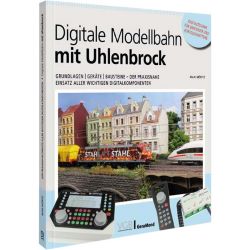


Are you looking for books that help you understand model railways better, plan layouts more confidently and improve your modelling skills step by step?
Then this category is exactly the right place: with suitable model railway books, model train handbooks, digital model railway guides, signal manuals, track planning books, layout construction guides, weathering books, scenery building books, prototype railway literature and brand-specific manuals, you can turn questions into practical knowledge.
Why are books useful for model railway hobbyists?
Books explain techniques, systems and railway topics in a structured way. They are ideal when you want reliable knowledge instead of scattered tips from different sources.
What belongs to the Books category?
This category includes digital handbooks, signal guides, planning aids, construction manuals, maintenance books, weathering guides, scenery books, prototype railway books, narrow-gauge literature and brand manuals.
Why start with a digital model railway guide?
A digital model railway guide helps beginners understand command stations, decoders, addresses, functions, routes and digital accessories. It is a good foundation before buying or expanding a digital system.
When should you choose a signal manual?
A signal manual is useful when signals should be placed and connected realistically. It helps explain signal aspects, station operation, block sections and model railway wiring.
Why are planning aids practical?
Planning aids help with buildings, track arrangements, streets, platforms and scenery concepts. They are especially useful before construction begins, because good planning prevents expensive layout mistakes.
What does a layout construction book add?
A layout construction book explains baseboards, track laying, wiring, scenery, buildings and maintenance in one structured guide. It is ideal for beginners and returning hobbyists.
Why are maintenance books helpful?
Maintenance books show how locomotives, wagons, track and electrical systems can stay reliable. Clean wheels, correct lubrication and careful troubleshooting make operation much more enjoyable.
When should you use weathering books?
Weathering books are useful when locomotives, wagons, buildings and scenery should look less new and more realistic. They explain rust, dust, soot, faded paint and realistic surface effects.
Why are scenery building books valuable?
Scenery building books help create landscapes, fields, forests, roads, rock faces, water and ground textures. They are useful when the layout should look natural and not only technical.
What do prototype railway books add?
Prototype railway books provide real railway background, historic routes, locomotive details and operating inspiration. They help make a model railway more authentic and regionally believable.
Why are narrow-gauge railway books interesting?
Narrow-gauge railway books are perfect for modellers who love branch lines, small stations, rural scenes and historic railway charm. They support H0e, H0m, TTm and narrow-gauge-inspired layouts.
Which scales benefit from model railway books?
Model railway books are useful for H0, TT, N, Z, G, 0 and universal layouts. The right book depends on the topic: digital control, layout planning and weathering are often useful across many scales.
Typical book topics at a glance
Why are H0 books so popular?
H0 books are popular because many layouts, buildings, signals and digital examples are shown in this scale. They are useful for planning, construction, electrics and scenery work.
When should you choose TT books?
TT books are useful for compact layouts where space planning is especially important. Track plans, electrical guides and prototype ideas help make the most of the scale.
Why are N scale books helpful?
N scale books support compact layouts with long routes, hidden stations and space-saving scenery. They are useful for planning reliable track geometry and realistic scene depth.
What makes Z scale books interesting?
Z scale books are important because the scale needs very precise planning and careful handling. They help collectors and modellers understand the possibilities of miniature railway construction.
Can books help with digital conversion?
Yes, books can explain decoder installation, programming, CV values, function mapping and command station setup. They are useful before converting locomotives or expanding digital operation.
Can books help with Central Station 3 control?
Yes, brand-specific books can explain how a digital central is used for locomotives, routes, turnouts and signals. They are helpful when the system offers many functions and menus.
Can books help with multiMAUS and beginner systems?
Yes, digital beginner books can explain how simple handheld systems grow into larger control concepts. They are useful for understanding addresses, functions, accessories and expansion steps.
Can books help with signals?
Yes, signal books explain where signals belong and how they are connected. This is especially helpful for entry signals, exit signals, shunting signals and block signals.
Can books help with track planning?
Yes, planning books help create realistic stations, curves, sidings, platforms and industrial tracks. They also help avoid layouts that look crowded or operate poorly.
Can books help with overhead line construction?
Yes, overhead line literature explains masts, wire positions, station catenary and realistic electrified routes. It is useful for electric locomotive layouts and main line scenes.
Can books help with Car System layouts?
Yes, Car System guides explain road planning, vehicle operation, stops, magnets and realistic traffic scenes. They are useful when roads should become more than decoration.
Can books help with weathering trains?
Yes, weathering books explain how to age German, British, American or other railway vehicles. They help create believable freight wagons, passenger coaches, locomotives and diorama scenes.
Can books help with realistic scenery?
Yes, scenery books explain vegetation, terrain, structures, rocks, roads and landscape colour. They are ideal when a layout should look natural and photograph well.
Why are brand manuals useful?
Brand manuals explain specific systems, product families and technical solutions. They are helpful when you use equipment from Märklin, Roco, Fleischmann, Piko, Tillig, Uhlenbrock or Viessmann.
Why are set offers interesting?
Book sets are useful when several topics build on each other. A digital beginner set or combined handbook package can give a broader foundation than a single volume.
Why are planning booklets practical?
Planning booklets are compact and affordable sources for specific building systems or layout ideas. They are especially useful for quick inspiration before starting construction.
Why are historic railway books valuable?
Historic railway books provide route history, vehicle information and authentic operating context. They help modellers create scenes with real regional character.
Why are collector books interesting?
Collector books document model ranges, anniversaries, special vehicles and brand history. They are useful for enthusiasts who want to understand a collection beyond individual models.
How do books support layout storytelling?
Books provide ideas for stations, industries, landscapes, railway eras and daily operations. This helps turn a layout from a track oval into a believable miniature railway world.
How do books support beginner confidence?
A good book explains one topic step by step and reduces uncertainty. Beginners can learn terms, tools and workflows before spending money on the wrong parts.
How do books support advanced modellers?
Advanced modellers use books for specialist knowledge, prototype accuracy and technical refinement. Detailed literature helps with signals, weathering, catenary, digital automation and regional railway scenes.
How do books support clubs and workshops?
Books are useful references for shared layouts, club libraries and workshop tables. They help members explain methods consistently and solve technical questions together.
How do books support children and families?
Beginner-friendly books can make the hobby easier to understand for families. Clear pictures, simple explanations and practical examples encourage joint layout building.
How do you choose the right model railway book?
Choose the book according to your current question: digital control, signals, scenery, weathering, planning or prototype history. A practical handbook is best for building, while a railway history book is best for inspiration.
How do you avoid buying the wrong book?
Check topic, language, scale, brand focus and difficulty level before buying. A beginner digital book is different from a specialist prototype volume or advanced weathering guide.
Which brands and publishers are important for books?
Important brands and publishers include Roco, Fleischmann, Märklin, Auhagen, AMMO, Tillig, Faller, Noch, Piko, Uhlenbrock, Viessmann, Kenning, SSB-Medien and Wunderwald Bahnbücher.
Why are Roco handbooks useful?
Roco handbooks are useful for digital beginners, signal topics, switching and layout operation. They explain practical model railway functions in an accessible way.
What makes Märklin books practical?
Märklin books are practical for Central Station control, Z scale history and system-specific digital knowledge. They are useful for Märklin users who want to understand their equipment more deeply.
Why choose Auhagen planning aids?
Auhagen planning aids are helpful for building systems, structures and layout design. They are especially useful for H0 and TT builders who want coherent towns, stations and industrial areas.
Why are AMMO weathering books interesting?
AMMO weathering books are useful for realistic vehicle ageing, surface effects and scenery painting. They are ideal for modellers who want trains and landscapes to look used and authentic.
What do Kenning and SSB-Medien books add?
Kenning and SSB-Medien books are interesting for prototype history, narrow-gauge railways and regional railway topics. They help create historically inspired layouts with real-world background.
What should beginners consider before buying?
Beginners should start with a practical handbook about digital control, construction, maintenance or electrics. These topics answer the questions that usually appear during the first layout project.
What should advanced modellers consider?
Advanced modellers should choose books that deepen a specific skill or prototype interest. Weathering, signalling, overhead line, narrow gauge and railway history books often provide the most value.
What should you check before buying books?
Before buying books, check language, topic, scale, brand focus, difficulty level, publication type and whether the book is a single volume or part of a series. Also consider whether you need practical instructions, prototype information, planning ideas or collector knowledge.
Which SEO terms fit this category?
Important SEO terms include books, model railway books, model train books, model railway handbooks, digital model railway guide, signal manual, track planning book, layout construction book, model railway maintenance book, weathering book, scenery building guide, prototype railway literature, narrow-gauge railway books and Central Station 3 book.
Additional semantic terms such as DCC guide, decoder programming, model railway electrics, railway signals, layout planning, train weathering, realistic scenery, Car System tips, overhead line guide, Z scale literature, railway history, planning aid, beginner handbook and model railway accessories strengthen the topical relevance of this category.
Selection guide for model railway books
Buy books for better model railway knowledge
Whether you need a digital model railway guide, signal manual, layout construction book, planning aid, weathering book, scenery guide, Central Station 3 book, Car System handbook, Z scale book or narrow-gauge railway literature: the right book helps you make better decisions and build with more confidence.
With carefully selected model railway books, you can understand digital systems, plan realistic layouts, wire signals, maintain locomotives, weather trains, design scenery, study railway history and develop new project ideas. This makes books one of the most valuable literature categories for turning model railway enthusiasm into knowledge, precision and long-term hobby enjoyment.