From Inside to Outside
Complete railway technology first and close the visible terrain surface afterwards.

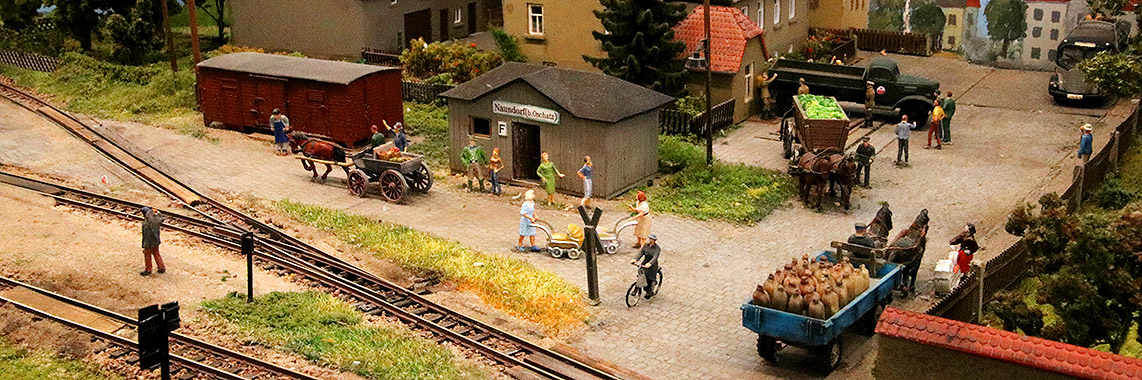
Build mountains, valleys, embankments, cuttings, tunnel bodies, plateaus and river beds on a lightweight, stable and permanently accessible model railway substructure. Plan the railway technology first, create the terrain volume second and add the visible landscape surface only after successful test running.
Building model railway terrain describes the structural construction of the visible landscape. It includes much more than high mountains.
Station levels, railway embankments, slopes, cuttings, stream beds, road ramps, tunnel bodies, plateaus and gentle transitions between different elevations all belong to the terrain structure.
A believable model railway therefore does not begin with grass, trees or figures. First determine why a railway line runs straight, crosses an embankment, enters a cutting or disappears through a tunnel at a particular point.
The terrain should explain the route of the railway rather than simply cover an empty corner of the baseboard.
Turnouts, hidden tracks, wiring, tunnel sections and potential derailment locations must remain accessible after the scenery has been completed.
Removable mountain sections, access from below or open rear sections prevent a small operating problem from requiring major demolition later.
A good terrain structure should be lightweight, dimensionally stable and solid only where a load-bearing surface is actually required.
Buildings, platforms, roads and track routes need flat, stable foundations. Slopes and mountain bodies can instead be constructed as lightweight hollow shells with a comparatively thin terrain skin.
Complete railway technology first and close the visible terrain surface afterwards.
Build the form, then the surface, colour and finally vegetation.
Hollow landscape bodies are usually more practical than mountains made from massive quantities of plaster.
Include maintenance routes and removable sections from the beginning.
| Construction Level | Purpose |
|---|---|
| Layout Base | Frame, modules and load-bearing levels |
| Terrain Framework | Ribs, braces, rigid foam or mesh |
| Terrain Skin | Terrain crepe, plaster cloth or modelling compound |
| Structure | Rocks, walls, roads and transitions |
| Visible Surface | Base colour, soil and later vegetation |
Build flexible mountain and landscape structures using a lightweight framework.
Form lightweight free-standing terrain over ribs or support structures.
Cut and shape hills, plateaus and cuttings directly from lightweight foam.
Cover mesh, crepe or a framework with overlapping plaster cloth.
Not every layout needs a high mountain range. Small changes in elevation, cuttings and terrain edges already divide the layout visually, disguise tight curves and separate operating locations from one another.
Station tracks, platforms and buildings require a flat, torsion-resistant surface.
The plateau should extend beyond the exact footprint of the building so that paths, drainage and surrounding terrain can connect naturally.
An embankment raises the railway above a meadow, road or body of water.
Slopes should transition gently into the surrounding terrain. Bridges, culverts and retaining walls can explain larger changes in height.
A cutting carries the railway through higher ground. Use rock, an earth slope or retaining wall according to the region and underlying terrain.
Leave sufficient lateral clearance for vehicles, track cleaning and maintenance.
A tunnel mountain should appear large enough to contain the hidden railway route.
Portal, wing walls, rock direction and mountain silhouette should form one coherent structure. Keep the mountain removable or open from the rear.
Water should occupy the lowest point of the landscape. Banks, paths and bridges should follow the same topography.
A stream may become narrower beneath a railway bridge, but its route should continue logically beyond the structure.
A low ridge can visually separate a station, return loop or hidden area from the rest of the layout.
Gently tapering terrain usually creates more depth than a steep wall positioned immediately behind the tracks.
Track, turnouts, electrical feeds and the longest vehicles must be tested completely before tunnels, mountains and embankments are built around them.
A problematic piece of track remains problematic even when it is hidden beneath beautiful scenery.
In practice, several methods are often combined. Load-bearing station levels can be built from wood, while mountains and slopes use lightweight frameworks, rigid foam or mesh.
| Construction Method | Strengths | Suitable Projects | Pay Attention To |
|---|---|---|---|
| Ribs & Track Boards | Precise heights, high stability and clearly defined levels | Stations, railway routes, roads and larger segment layouts | Number the ribs before cutting and leave cable routes open. |
| Layered Rigid Foam | Lightweight, easy to cut and directly shapeable | Hills, plateaus, cuttings and small dioramas | Use only compatible adhesives and paints without damaging solvents. |
| Aluminium or Wire Mesh | Large free-form terrain with low material weight | Mountain slopes, tunnel bodies, valleys and rib structures | Secure sharp cut edges and completely cover the surface. |
| TERRA-FORM Framework | Adjustable framework and flowing free-form shapes | Ridges, tunnels, supports, roads and transitions | Anchor the base plates securely and inspect the raw form from every normal viewing angle. |
| Terrain Crepe & Plaster Cloth | Quickly creates a closed shell over a lightweight framework | Embankments, slopes, mountains and transitions | Allow several thin overlapping layers to dry properly. |
| Filler & Modelling Compound | Fine transitions, rock texture and durable surfaces | Rock walls, paths, building bases and terrain joints | Avoid unnecessary thickness and excessive weight. |
| Preformed Terrain or Track Route Kit | Defined geometry and faster construction progress | First layouts, portable railways and compact standard plans | Check radii, usable track lengths and maintenance access before purchasing. |
Use solid boards for tracks and buildings, lightweight foam or a framework for the terrain volume and plaster cloth or filler for the visible surface.
TERRA-FORM, mesh, terrain crepe, plaster cloth and scenery materials.
Rock filler, terrain mortar, modelling paste and plaster products.
Select adhesives according to wood, foam, plaster and scenery materials.
Compare individual construction with ready-shaped terrain and track-route systems.
Many structural terrain materials can be used across several scales. Differences arise in dimensions, surface texture, structure height and the access required for vehicles and track.
| Gauge | Scale | Typical Terrain Planning | Important Focus |
|---|---|---|---|
| Z | 1:220 | Wide, calm terrain forms and very fine surfaces | Plan small tunnel openings while retaining safe access. |
| N | 1:160 | Long valleys, broad landscapes and low view dividers | Hidden routes must remain accessible despite small vehicles. |
| TT | 1:120 | Balanced combination of scenery and visible detail | Check the actual dimensions of products marked H0/TT. |
| H0 , H0e, H0m & H0f | 1:87 | Detailed rocks, walls, roads and operating locations | All H0 narrow-gauge variants use the same scenery scale. |
| 0, 0e & 0m | Usually around 1:45 | Strong structures and often segment-based construction | Large vehicles require correspondingly wide access openings. |
| 1 | 1:32 | Large individual forms and highly visible surface detail | Consider material weight and transport of layout sections. |
| G / IIm | Prototype-dependent, often around 1:22.5 | Large tunnels, bridges and robust terrain bodies | Outdoors, use only suitable weather-resistant materials. |
Vehicle dimensions, curve radii and maintenance access determine the minimum size of tunnel bodies and openings.
Structural boards, rigid foam, mesh, plaster cloth, filler and rock materials can be combined across brands when adhesives and surfaces are compatible.





The following twelve products correspond to the checked selection on the current source page. Each card uses a verified English product page and a fixed Modellbahnshop MBS image path.
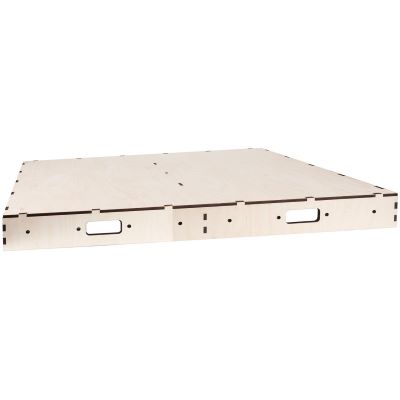
Lightweight 8 mm wooden frame module measuring 1 × 0.5 metres for a stable and expandable layout base.
View Product →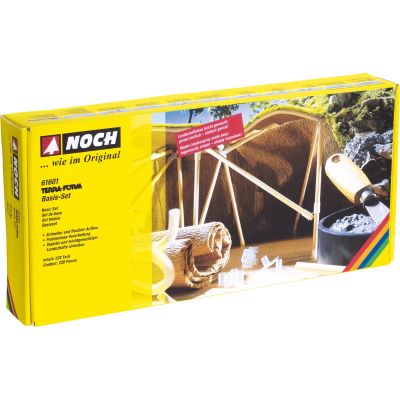
Modular 228-piece strut and connector system for lightweight mountains, slopes and landscape frameworks.
View Product →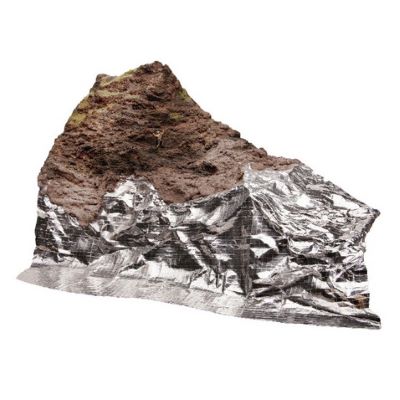
Stable and flexible 100 × 75 cm wire-reinforced mesh for shaping large mountain and tunnel structures.
View Product →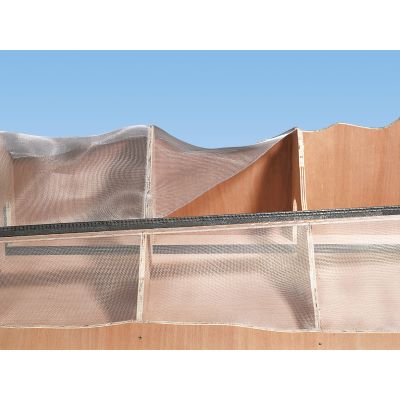
Fine 50 × 75 cm aluminium mesh for free-standing terrain forms or covering a rib-based framework.
View Product →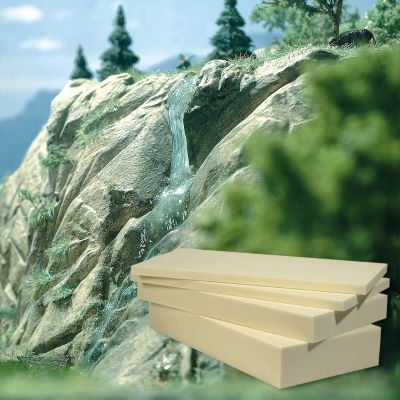
Four easily worked foam panels in different thicknesses for hills, plateaus, cuttings and structural modelling.
View Product →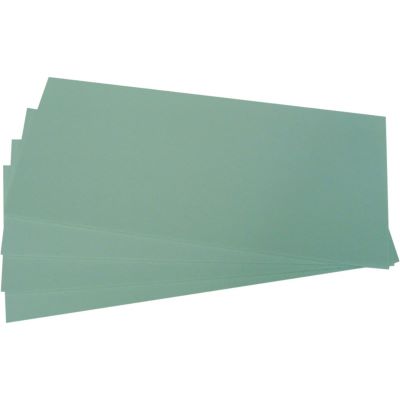
Four 60 × 30 cm panels in 1, 3, 4 and 6 mm thicknesses for structures, surfaces and terrain construction.
View Product →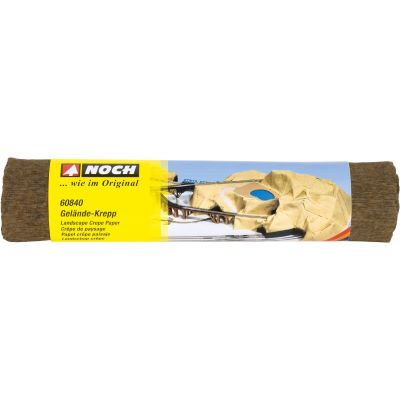
Flexible three-layer crepe measuring 90 × 80 cm for covering frameworks and shaping flowing terrain.
View Product →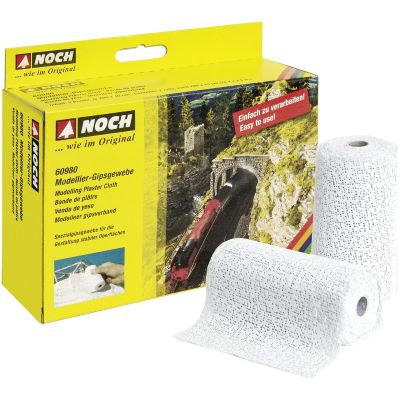
Two 200 × 10 cm plaster-cloth rolls for building a stable terrain shell over lightweight structures.
View Product →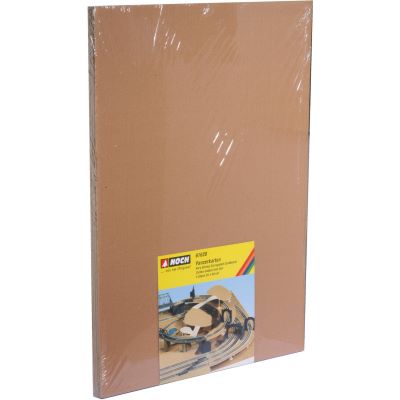
Five form-stable 55 × 40 cm panels for track routes, roads, structures and building platforms.
View Product →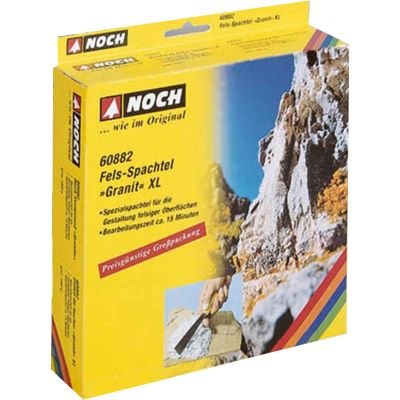
One kilogram of structural filler for granite rock faces, railway cuttings and steep mountain slopes.
View Product →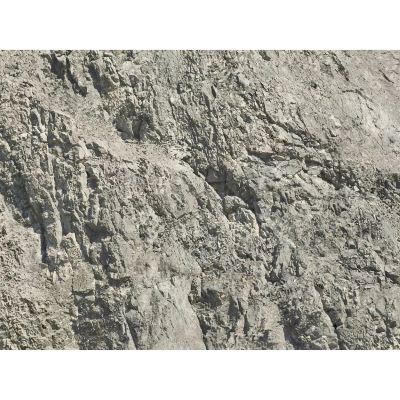
Flexible photorealistic rock sheet for large Alpine slopes, tunnel portals and mountain walls.
View Product →
Flexible modelling paste for closed, shaped and textured terrain surfaces.
View Product →The layout frame and track route carry the railway technology. A framework or rigid foam creates volume. Plaster, filler and rock material then form the visible surface.
The live shop categories contain current products, manufacturers, prices and availability.
Central category for terrain construction, rocks, vegetation and scenery materials.
TERRA-FORM, terrain mesh, crepe, plaster cloth and additional scenery materials.
Rock filler, modelling compounds, mortar and structural surface materials.
Tunnel portals, walls and structural elements for hidden railway sections.
Railway and road bridges for valleys, rivers and height transitions.
Select suitable glue for wood, foam, plaster and landscape materials.
Trees, bushes and plants for the later visible terrain surface.
Preformed terrain, track-route kits and compact ready-shaped layout bases.
This sequence separates load-bearing railway technology from the visible landscape. Problems can therefore be identified before fragile surface details are installed.
Draw load-bearing levels, tunnel portals, roads, water and visual dividers into the track plan.
Run trains forwards and backwards through curves, turnouts, gradients and every section that will later become hidden.
Stations, buildings and tracks require solid foundations. Cable routes and maintenance openings remain unobstructed.
Begin with the large forms and regularly inspect the silhouette from the normal viewing position.
Dry-fit structures and confirm that loading gauge, pantographs and vehicle overhang remain completely clear.
Overlapping sections connect the rough terrain. Do not accidentally close maintenance openings.
Connect rock direction, earth slopes, retaining walls and terrain transitions naturally rather than distributing them uniformly.
Cover white surfaces with earth colours. After another complete operating test, add ground material, grass, bushes and trees.
A frequent mistake is building an entire mountain from large quantities of solid plaster. The result becomes heavy, dries slowly and is difficult to open.
For most indoor layouts, a lightweight hollow body with a relatively thin terrain skin is more practical.
Uniform hills can also look artificial. Landscapes need calm areas, individual prominent edges and different transitions between route and terrain.
Make mountain sections removable or provide sufficiently large openings from the rear or below.
Keep maintenance-intensive track open or place it beneath easily removable landscape sections.
Check curve overhang, pantographs, long coaches and lateral maintenance access while the terrain is still in its rough form.
Allow plaster, filler, paint and adhesives to dry fully according to the product instructions.
Hidden magnets, locating pins or fixed stops help a removable tunnel mountain return to exactly the same position after maintenance. Electrical wiring must not prevent the section from being removed.
Cutting tools, hot-wire equipment, adhesives, plaster dust and modelling compounds must be used according to the safety information supplied by their manufacturers.
Protect the work surface and railway tracks during dusty or wet terrain-construction work.
These answers cover material selection, tunnel access, construction sequence, weight and scale-appropriate terrain design.
Proven methods include rigid foam, ribs, TERRA-FORM frameworks and aluminium mesh. The visible shell can then be created with terrain crepe, plaster cloth, filler or rock materials.
Rigid foam is particularly suitable for compact forms that are cut directly into shape. Aluminium mesh is ideal for lightweight, freely curved slopes built over ribs or a framework.
Build a framework or rigid-foam structure around the fully tested tunnel route and close it with a thin terrain skin. Keep the mountain removable or open from the rear.
Yes. Every hidden railway section must remain accessible for cleaning, repairs and recovery of derailed vehicles.
The mesh is often covered first with plaster cloth. Modelling or filling compound can then be added selectively for transitions and surface structure.
The substructure must be stable. Thin overlapping layers, sufficient drying time and adhesives or modelling materials suitable for the surface reduce internal stress.
The height depends on the layout, viewing angle and hidden railway route. A believable silhouette, adequate vehicle clearance and good access are more important than maximum height.
Do not give every slope exactly the same angle. Small irregularities, exposed earth, walls and gradual transitions make the railway embankment appear more natural.
Yes. Solid wooden boards work well for track routes and buildings, rigid foam for the terrain volume and plaster or filler for the visible surface.
Many structural materials are universal. Tunnel portals, retaining walls, rock structures and fine surface details must nevertheless suit the selected model scale.
Only after the terrain skin, paint and adhesives are completely dry and all railway tracks have once again been tested reliably.
A small rigid-foam hill or a simple framework covered with terrain crepe and plaster cloth can be learned easily on a test board before working on a complete layout.
Define heights and maintenance access, test railway operation and then select the substructure, framework, terrain skin and rock materials that fit the project.
Combine terrain construction with track planning, electrical technology, scenery and reliable operation.
Content, English product pages, manufacturer pages and category links checked: 16 August 2026.