
LED


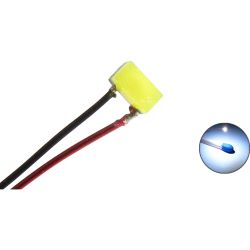


Are you looking for LEDs that make your model railway buildings, streets, signals, vehicles and night scenes shine more reliably and realistically?
Then this category is exactly the right place: with suitable model railway LEDs, SMD LEDs, warm white LEDs, cool white LEDs, flashing LEDs, RGB LEDs, LED lighting sockets, LEDs with wires, constant current sources, LED light chains, house lighting LEDs and cab lighting LEDs, you can create precise, energy-saving and atmospheric lighting effects on your layout.
Why are LEDs important for model railway lighting?
LEDs are compact, efficient and long-lasting light sources for modern model railway layouts. They are ideal for buildings, vehicles, signals, street scenes, control panels and special effects.
What belongs to the LED category?
This category includes SMD LEDs, wired LEDs, flashing LEDs, RGB LEDs, LED sockets, LED caps, LED house lighting, LED cab lighting, constant current sources, LED light chains and useful LED accessories for model railway electrics.
Why start with warm white LEDs?
Warm white LEDs create a cosy and natural light mood. They are perfect for houses, stations, restaurants, old towns, churches and Christmas scenes.
When should you use cool white LEDs?
Cool white LEDs fit modern lighting, industrial areas, workshops, platforms and technical scenes. They create a clean, bright and contemporary impression.
Why are SMD LEDs so useful?
SMD LEDs are extremely small and can be installed in tight spaces. They are ideal for signals, vehicles, illuminated signs, control panels and detailed building interiors.
What is special about SMD 0402 LEDs?
SMD 0402 LEDs are very small and useful for tiny lighting points. They work well in locomotives, road vehicles, signals, lanterns and very detailed scenes.
When should you choose SMD 0603 LEDs?
SMD 0603 LEDs offer a good balance between small size and easy handling. They are practical for house interiors, vehicle lights, signal heads and street details.
Why are SMD 0805 LEDs practical?
SMD 0805 LEDs are still compact but easier to handle than smaller LEDs. They are useful for building lighting, warning lights, control panels and many general illumination tasks.
What do wired LEDs add?
Wired LEDs save installation time because connection wires are already attached. They are ideal for buildings, lamps, vehicles, signals and small scenic effects.
Why are LEDs with soldered wires helpful?
LEDs with soldered wires are especially helpful when the LED itself is too small to solder comfortably. They make precise lighting easier for beginners and advanced modellers.
When should you use flashing LEDs?
Flashing LEDs are ideal for warning lights, emergency vehicles, level crossings, construction sites and road scenes. They create movement and attention without a separate flashing circuit.
Why include RGB LEDs?
RGB LEDs can create colour changes and special lighting effects. They are useful for fairground scenes, shop windows, modern buildings, displays and decorative layouts.
What do LED light chains add?
LED light chains create small decorative light points in one easy system. They are useful for Christmas markets, fairs, gardens, station decorations and festive town scenes.
Why are LED lighting sockets useful?
LED lighting sockets make building lighting simple and service-friendly. They are practical for houses, stations, shops, factories and illuminated interiors.
What does LED house lighting add?
LED house lighting makes buildings look inhabited and realistic. Warm interior light behind windows gives towns, villages and stations much more atmosphere.
Why use LED cab lighting?
LED cab lighting adds detail to locomotives, railcars and driving trailers. It makes visible driver’s cabs and parked vehicles look more realistic.
What does a constant current source do?
A constant current source helps supply LEDs with stable current. It protects LEDs and keeps brightness more consistent in suitable installations.
Why are resistors important for LEDs?
Resistors limit current and help prevent LED damage. Many LED installations need the correct resistor unless the product already includes suitable electronics.
Which gauges are suitable for model railway LEDs?
Model railway LEDs can be used in many gauges, including H0, TT, G and universal installations. The important factors are LED size, voltage, brightness, installation space and intended lighting effect.
Typical LED products at a glance
Why are H0 LEDs so popular?
H0 LEDs are popular because buildings, vehicles and signals have enough space for detailed lighting. The light effect is visible without overwhelming the scene.
When should you use TT LEDs?
TT LEDs are useful for compact but detailed layouts. Small SMD LEDs are especially practical for stations, houses, street scenes and vehicle lighting.
Can G scale LEDs create strong effects?
Yes, G scale LEDs create very visible light effects in larger buildings, garden railways and display layouts. Their brightness should be chosen carefully so the scene remains realistic.
Can universal LEDs be used across several scales?
Yes, many LEDs are universal if size, voltage and brightness match the project. A tiny LED can light a vehicle, a house room, a signal or a control panel indicator.
How do LEDs improve building scenes?
LEDs make houses, shops, restaurants, hotels and stations look occupied. Separate rooms, warm light and interior masks make the effect much more realistic.
How do LEDs improve station scenes?
LEDs can illuminate platforms, station halls, waiting rooms, signs and underpasses. This makes passenger figures, benches and railway staff easier to see.
How do LEDs improve signal scenes?
LEDs are ideal for red, green, yellow and white signal aspects. Their small size and clear colour make them perfect for railway signals and control panels.
How do LEDs improve vehicle lighting?
LEDs can be used for headlights, tail lights, interior lights, cab lights and special vehicle effects. Small SMD LEDs are especially useful in locomotives and road vehicles.
How do LEDs improve street scenes?
LEDs make street lamps, traffic lights, shop windows and roadwork scenes more realistic. They are especially effective when light colour matches the era and location.
How do LEDs improve industrial scenes?
LEDs create clear light in workshops, loading areas, factories and depots. Cool white LEDs and flashing effects can make technical scenes look active and modern.
How do LEDs improve Christmas scenes?
LEDs are perfect for Christmas markets, illuminated trees, festive houses and decorative light chains. Warm white and coloured LEDs create a cosy holiday atmosphere.
Can LEDs be used in dioramas?
Yes, LEDs are excellent for dioramas because even one small light can change the whole mood. A lit window, campfire, signal or shop sign can become the focal point.
Can LEDs be combined with switches?
Yes, LEDs work very well with switches, push buttons and control panels. This allows you to control buildings, signals, streets and special effects separately.
Can LEDs be combined with digital control?
Yes, LEDs can be controlled through decoders, lighting modules and digital outputs. This makes dimming, route lighting, flashing effects and day-night scenes possible.
Can LEDs be used on analogue layouts?
Yes, LEDs can be used on analogue layouts with suitable resistors, polarity and voltage. They are a good choice for building lighting, control panels and signals.
Why is polarity important?
Polarity matters because LEDs normally conduct current in only one direction. If an LED does not light, the connection direction may need to be checked.
Why is voltage important?
Voltage must match the LED circuit. LEDs usually need resistors, constant current sources or built-in electronics to work safely on model railway power supplies.
Why is current important?
Current decides how bright the LED becomes and how safely it operates. Too much current can damage an LED, while too little current can make it too dim.
Why is brightness important?
Brightness should match the scene and scale. Overly bright LEDs can look unrealistic, while softer light creates a more natural miniature atmosphere.
Why is light colour important?
Light colour changes the whole mood of a scene. Warm white suits homes and historic areas, while cool white suits modern stations, workshops and industrial halls.
Why use diffuse LEDs?
Diffuse LEDs spread light more softly and reduce sharp hotspots. They are useful for rooms, signs, signals and lighting effects where a gentler glow is preferred.
Why use clear LEDs?
Clear LEDs create a more focused light point. They are useful for headlights, spot effects, signal lenses and places where strong direction is desired.
How do LED caps help?
LED caps can change colour, soften light or improve the appearance of a light point. They are useful for signals, indicators, panels and decorative effects.
How do LEDs support control panels?
LEDs can show turnout positions, signal aspects, track occupancy and lighting status. Coloured indicators make operation easier and more intuitive.
How do LEDs support hidden areas?
LEDs can illuminate hidden stations, service areas and technical sections. This makes maintenance, rerailing and troubleshooting much easier.
How do LEDs support realistic interiors?
LEDs can be placed room by room to avoid one flat light source. Different brightness levels make houses, offices and restaurants look more natural.
Can LEDs be dimmed?
Yes, LEDs can often be dimmed with suitable electronics or digital outputs. Dimming is useful for realistic night scenes and avoiding overly bright interiors.
Can LEDs be weathered?
The LED itself should not be weathered, but housings, lamp posts and surrounding details can be aged carefully. This helps the light source blend into the scenery.
Can LEDs be painted?
LED housings and surrounding parts can be painted, but the light-emitting surface should remain clear. Paint must not block contacts, wires or heat dissipation.
How do you install SMD LEDs cleanly?
Plan the cable route first and test the LED before final installation. Use small holes, careful glue work and strain relief so the tiny wires do not tear off.
How do you install LED house lighting realistically?
Place LEDs so they illuminate rooms softly rather than shining directly through windows. Curtains, room dividers and light masks make the building look more believable.
How do you install LED vehicle lighting?
Check available space, polarity, decoder outputs and resistor requirements before installation. Secure wires carefully so they do not interfere with gears, wheels or couplings.
How do you avoid common LED mistakes?
Avoid connecting LEDs directly to unsuitable voltage without current limitation. Also avoid overly bright LEDs, visible wires and mixed light colours without a clear reason.
Which brands are important for LEDs?
Important brands include Schönwitz, Viessmann, Faller, Auhagen, Brawa, Busch, tams elektronik, Massoth and Piko. These brands offer SMD LEDs, wired LEDs, lighting sockets, house lighting, flashing LEDs, LED accessories and electronic components.
Why are Schönwitz LEDs useful?
Schönwitz LEDs are useful for SMD LEDs, wired LEDs, flashing LEDs, RGB LEDs, constant current sources, LED light chains and LED accessories. They offer many options for small, precise lighting projects.
What makes Viessmann LEDs practical?
Viessmann LEDs are practical for house lighting, floor interior lighting, wired LEDs and classic layout illumination. They work well with buildings, stations, signals and model railway electrical systems.
Why choose Faller LED products?
Faller LED products are useful for lighting sockets, self-flashing LEDs and building illumination. They fit well with Faller buildings, town scenes and fairground or scenery accessories.
What do Brawa LED sockets add?
Brawa LED sockets are practical for simple building lighting and replacement work. They help create clean light points in houses, stations and accessory models.
Why are tams elektronik LED products interesting?
tams elektronik products are useful when LED lighting should be combined with electronic control. They are interesting for advanced circuits, lighting effects and functional accessories.
What should beginners consider before buying?
Beginners should start with wired warm white LEDs, LED sockets and a suitable resistor or constant current solution. This makes building lighting easier and safer.
What should advanced modellers consider?
Advanced modellers often focus on SMD size, brightness, current control, dimming, colour temperature, wiring, decoder outputs and realistic room-by-room lighting. These details make LED scenes look much more professional.
What should you check before buying LEDs?
Before buying LEDs, check size, colour, voltage range, current requirement, wires, resistor, brightness, quantity and installation space. Also consider whether you need building lighting, signal lighting, vehicle lighting, flashing effects or decorative illumination.
Which SEO terms fit this category?
Important SEO terms include LED, model railway LED, model train LEDs, SMD LED, SMD 0402 LED, SMD 0603 LED, SMD 0805 LED, warm white LED, cool white LED, flashing LED, RGB LED, LED lighting socket, LED house lighting, LED cab lighting, constant current source and LED light chain.
Additional semantic terms such as LED resistor, wired LED, copper enamel wire, lacquered wire, LED cap, diffuse LED, clear LED, building lighting, signal lighting, vehicle lighting, control panel indicator, night scene, interior lighting, light colour, dimming and model railway electrical accessories strengthen the topical relevance of this category.
Selection guide for LEDs
Buy LEDs for precise model railway lighting
Whether you need SMD LEDs, warm white LEDs, cool white LEDs, flashing LEDs, RGB LEDs, wired LEDs, LED lighting sockets, constant current sources, LED light chains, LED caps, house lighting LEDs or cab lighting LEDs: the right LED products make your model railway lighting more efficient, flexible and realistic.
With carefully selected model railway LEDs, you can illuminate buildings, signals, vehicles, streets, platforms, control panels, fairgrounds, Christmas markets, workshops and hidden areas. This makes LED one of the most versatile electrical accessory categories for turning a static layout into a bright, atmospheric and technically reliable miniature railway world.