Only a Few Weeks
A visual inspection, clean track and a short functional test are usually sufficient. Do not add extra oil merely because the locomotive has been standing still.

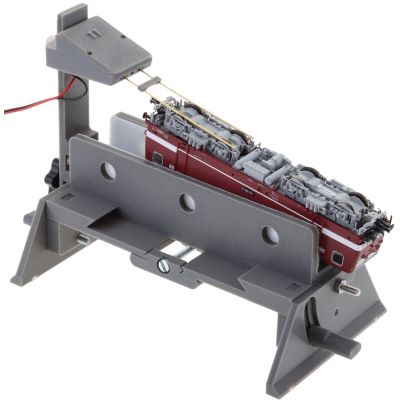
A locomotive that has stood unused for months or years should not immediately be driven at full power. Inspect the mechanics, wheels, electrical contacts, traction tyres and lubrication first, then perform a careful low-speed test before returning the model to normal layout operation.
Restarting a model after a long period of storage should never begin with an uncontrolled test run. A locomotive can look perfectly fine after months or years and still have dirty wheel contacts, hardened traction tyres, stiff gears or aged lubricant. Pickup shoes, couplings and electrical wiring should also be inspected before the first extended operating session.
Begin with a visual inspection. Is anything loose, broken or bent? Do wheels and valve gear move without unusual resistance where movement by hand is appropriate for that particular construction?
Steam locomotives require particular attention around coupling rods and valve gear. Electric locomotives have delicate pantographs and roof wiring, while multiple units may have additional electrical connections between their cars.
Next inspect the wheels, pickup shoe or wheel contacts and other current-collection components. Wheel-cleaning equipment and suitable cleaning products are available in the Cleaning Cars category.
Only when the vehicle appears mechanically free and the electrical contact surfaces are clean should you perform a cautious test run. Begin at low speed and without a heavy train.
Stop immediately if the drive blocks, the motor hums strongly, unusual heat develops, a noticeable smell appears or excessive sparking occurs.
Storage time alone does not automatically determine how much maintenance a locomotive needs. The previous operating condition, storage environment and model construction are equally important.
A visual inspection, clean track and a short functional test are usually sufficient. Do not add extra oil merely because the locomotive has been standing still.
Inspect wheels, pickup shoes, traction tyres and running behaviour more carefully. Lubrication should be carried out only where the operating instructions and actual condition require it.
Additionally inspect the gearbox, old lubricant, carbon brushes and electrical contacts. Valuable models should be professionally inspected if the mechanical condition is uncertain.
Treat a second-hand model as an unknown technical condition. Identify it first, find the appropriate instructions, inspect it systematically and only then perform a cautious test.
Determine the manufacturer, catalogue or article number and, whenever possible, locate the operating instructions.
With older vehicles it is especially important to know whether the model is designed for two-rail DC, centre-contact operation or digital control. Model-specific instructions also identify the correct lubrication and disassembly points.
Check buffers, couplings, current collectors, wires and visible gears. Remove foreign objects, deteriorated foam residue or old packaging material.
If the mechanism is stiff, do not apply high voltage in an attempt to force the motor to free itself.
Dark deposits on wheel treads or electrical contacts can cause jerking during the first test run. Clean them gently and keep cleaning fluids away from painted surfaces and sensitive plastics.
Suitable wheel-cleaning systems and maintenance equipment can be found under Cleaning Cars .
Old traction tyres can lose their elasticity, slip out of position or crack. Replacement tyres must fit the exact wheelset and tyre groove. Gauge alone is not sufficient to identify the correct replacement.
Matching replacement tyres are available in the Traction Tyres category.
A long storage period does not automatically mean that fresh oil must be applied everywhere. Follow the lubrication diagram for the specific model.
Some manufacturers specify oil for bearing points and a dedicated grease for gears or worm drives. Excess lubricant can migrate through the mechanism and attract additional dirt.
Suitable products are available under Oils, Greases & Cleaners .
After a break lasting several years, the locomotive is not the only equipment that deserves attention. Damaged cables, loose housings, unusual heating or smells from a transformer, power supply or digital command station are reasons not to continue using the device.
Different supply systems must never feed the same track section together in an uncontrolled manner.
Use a clean test track or an easily observed circuit. Run the locomotive slowly in both directions and observe noise, speed, lighting, current pickup and temperature.
Increase the speed gradually only when the locomotive runs consistently and without unusual symptoms.
Once the locomotive runs correctly without load, attach a few wagons and repeat the test. Then check turnouts, gradients and slow shunting movements.
A locomotive that runs reliably only at high speed is not yet operating correctly.
Manufacturers deliberately specify different treatment for different mechanical components. A universal “oil everything” approach must not replace the maintenance instructions for the individual locomotive.
| Inspection Area | After Long Storage | Suitable Next Step | Do Not Do This Prematurely |
|---|---|---|---|
| Axle Bearings | Dry, stiff or completely normal? | Check the lubrication instructions and, if required, apply a very small amount of suitable oil. | Spreading oil over the entire running gear. |
| Gears / Worm Drive | Old lubricant, dirt or stiff operation? | Follow the instructions and use suitable gear grease where specified. | Automatically applying thin oil to every gear. |
| Wheel Contacts | Dark, dusty or contaminated contact surfaces? | Clean carefully and check that the contact mechanism moves freely. | Strongly bending delicate contact springs. |
| Traction Tyres | Brittle, loose, cracked or deformed? | Select an exact replacement for the model and wheelset. | Allowing oil or grease to contact the traction tyre. |
| Carbon Brushes | Visible wear or motor-related problem? | Check according to the exact motor design and replace with suitable carbon brushes if necessary. | Selecting brushes solely according to the gauge. |
| Centre Pickup Shoe | Worn, bent or contaminated? | Inspect the contact surface and replace with the correct pickup shoe if required. | Changing the pickup-shoe geometry without checking the exact model. |
An unusual noise can also be caused by a foreign object, a damaged gear, a displaced cardan shaft, worn carbon brushes or a mechanically stiff drive. Identify the cause first and carry out maintenance only after the problem has been narrowed down.
The basic principle applies to every scale: inspect, clean, lubricate correctly where required and test slowly. Smaller models, however, react particularly sensitively to dirt on their small electrical contact surfaces.
| Gauge | Special Consideration After Storage | Important Inspection Point |
|---|---|---|
| Z / Zm | Extremely small mechanics and electrical contact areas | Clean wheels and current contacts particularly carefully. |
| N / Nm / Ne / Nf | Low vehicle weight | Clean wheels and freely moving running gear are especially important. |
| TT / TTm / TTe / TTf | Many older generations of vehicles remain in existing collections | Inspect traction tyres, carbon brushes and gearbox condition. |
| H0 AC / DC | Very wide range of older and digital models | Distinguish between power system, pickup shoe, decoder and wheelsets. |
| H0e / H0m / H0f | Narrow vehicles with delicate mechanics | Avoid twisting narrow-gauge running gear and couplings. |
| 0 / 0e / 0m | Larger and heavier drives | Inspect gearbox, current collection and mechanical loading. |
| 1 | High vehicle value and extensive technology | Follow the operating instructions and service points exactly. |
| G / IIm | Vehicles may previously have been used outdoors | Also inspect for dirt, moisture and signs of corrosion. |
Check the power supply, track, wheels, pickup shoe and electrical contacts first. Then inspect the motor, wiring and, on digital vehicles, the decoder.
If the model remains unclear or requires disassembly, use the Model Railway Repairs service guide.
Poor current pickup is one of the first areas to inspect. Check wheels, pickup shoes and contact springs before carrying out more complicated work.
Switch off the track voltage and inspect the mechanism for blockage or stiffness. Do not apply a higher speed setting against a blocked drive.
Check traction tyres for wear and correct seating. Also make sure that no oil has reached the wheel tread, traction tyre or railhead.
Replacement tyres are available under Traction Tyres .
Inspect both the centre pickup shoe and the return path through the wheels. A bent, worn or dirty pickup shoe can significantly reduce contact quality.
Find matching components under Current Collector & Slider .
Check the command station, locomotive address and supported digital protocol. Do not use a decoder factory reset as the first troubleshooting step because individual settings may be lost.
Compare the relevant formats in Digital Protocols Compared .
Stop the test immediately. A stiff mechanism, short circuit or electrical overload must be ruled out before the locomotive is operated again.
Continue with the Decoder Overheating guide .
With valuable collector models, unfamiliar technology or vehicles that cannot be dismantled safely, professional inspection may be preferable to a risky repair attempt.
Modellbahnshop provides further information under Model Railway Repairs .
Search by the manufacturer of the exact locomotive whenever possible. Traction tyres, carbon brushes, pickup shoes and many mechanical spare parts must match the specific model rather than the gauge alone.






Use maintenance products designed for model railway mechanisms. For traction tyres, carbon brushes and pickup shoes, the manufacturer, exact model and component design are more important than the gauge alone.
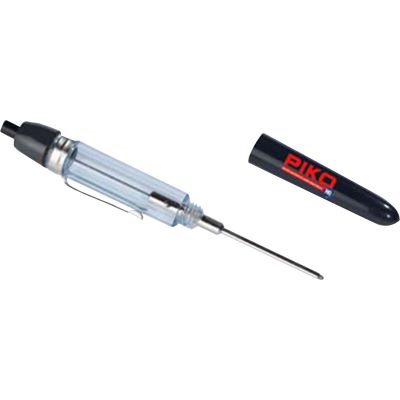
Fine dispensing tool for applying small quantities of lubricant precisely to approved lubrication points.
View Product →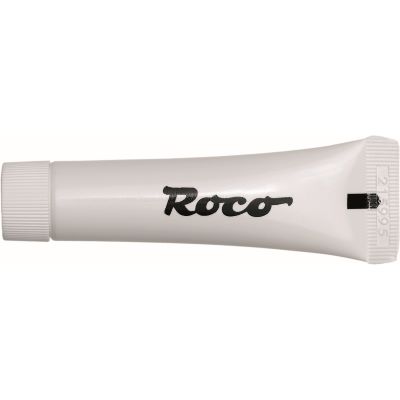
Specialist grease for compatible locomotive gearbox components, gears and worm-drive applications specified by the manufacturer.
View Product →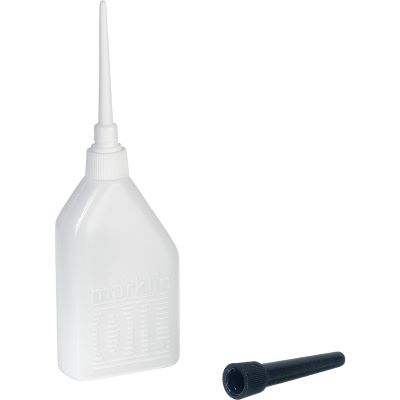
Model railway oil with a dosing tip for controlled, point-by-point application to approved maintenance locations.
View Product →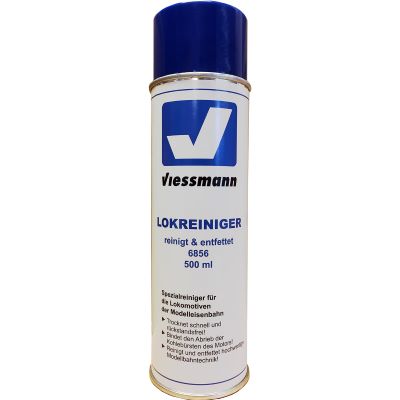
Cleaning product for removing grease, oil and dirt during suitable vehicle-maintenance procedures.
View Product →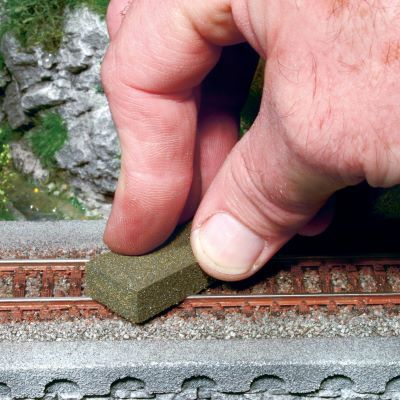
Practical cleaning block for treating contaminated railheads before the first longer test run after storage.
View Product →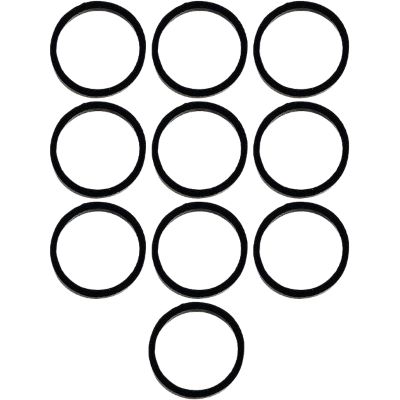
Example of a model-specific replacement wear part for compatible Märklin H0 locomotives.
View Product →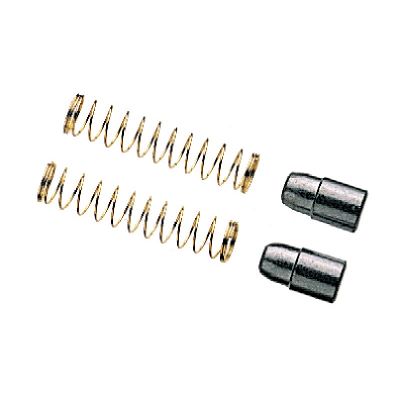
Replacement carbon-brush and spring set for compatible Fleischmann locomotive motors.
View Product →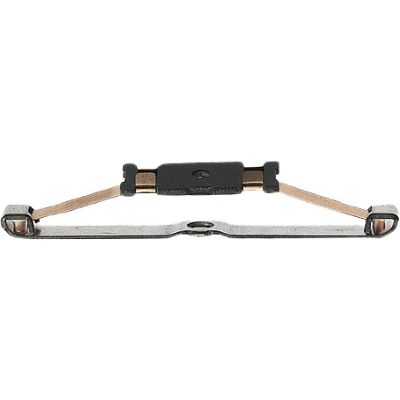
Short centre-contact pickup shoe for compatible Märklin H0 locomotives and vehicles.
View Product →Open the relevant English product groups to search current oils, greases, traction tyres, carbon brushes, pickup shoes and cleaning products by manufacturer, gauge and exact article designation.
Maintenance products for bearings, gears and targeted cleaning work.
Model-specific replacement tyres for different manufacturers and gauges.
Motor brushes and matching springs for compatible motor designs.
Pickup shoes, wheel contacts and pantographs for restoring reliable current collection.
Motors, wheels, couplings, drive components and additional locomotive spare parts.
Clean rails and wheels create reliable conditions for the first test run.
Professional help when cleaning and normal maintenance are not sufficient.
Broader guidance for assessing an older collection and restarting the hobby systematically.
Traction tyres, carbon brushes, pickup shoes and motor components should be selected using the manufacturer, article number and specific component design. The gauge alone is not a sufficient compatibility check.
Carry out a short visual and functional inspection first. Check the wheels, current collection, traction tyres and mechanism. Then test slowly and initially without a train. Stop if the drive blocks, becomes hot, smells unusual or produces abnormal noises.
No. The length of the storage period alone is not sufficient reason to lubricate the model. Check the operating instructions and actual mechanical condition. Lubricate only the points specified by the manufacturer and use only an appropriate amount.
A stiff or contaminated drive should be inspected before extended operation. Whether existing lubricant needs to be removed or replaced depends on the model, gearbox design and condition. Do not dismantle the drive without suitable instructions.
Common first inspection areas include dirty wheels, wheel contacts, pickup shoes, track and a stiff mechanism. Check these basic causes before changing decoder or motor parameters.
Hardened, cracked or loose traction tyres should be replaced with exactly matching parts. The manufacturer, locomotive model, wheelset and tyre dimensions are more important than the gauge designation alone.
First inspect the mechanics and current collection exactly as you would on any other locomotive. Then use the correct digital command station and suitable track. Check the locomotive address and supported protocol before changing settings or performing a reset.
This can indicate electrical contact problems or a mechanically stiff drive. A properly maintained locomotive should also run reliably at low speed. Inspect wheels, contacts and gearbox first.
Switch off the track voltage. The drive may be mechanically blocked or excessively stiff. Do not leave a motor powered against a blockage for an extended period.
Yes, particularly after the complete layout has been unused for a long period. Dust and deposits on the rails can make a perfectly functional locomotive appear defective. Test the model on a clean, known section of track whenever possible.
Professional inspection is advisable for unfamiliar technology, valuable collector models, defective decoders, blocked motors, damaged gearboxes or situations in which the model cannot be dismantled safely.
A careful recommissioning procedure protects both old and modern models. After visual inspection, cleaning and a slow test run, you can determine whether lubrication, new wear parts or professional repair is actually required.
Guide reviewed: 9 August 2026