
Buses


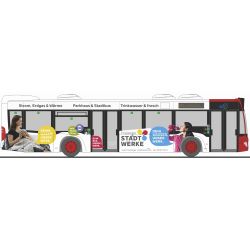
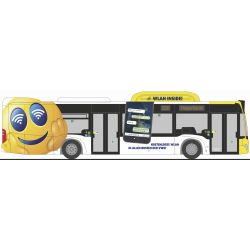


Are you looking for model buses that make your streets, station forecourts, depots and town scenes feel more realistic?
Then this category is exactly the right place: with suitable Buses, model railway buses, H0 buses, TT buses, N scale buses, Z scale buses, 1:87 bus models, city buses, coach models, school buses, rail replacement buses, Postbus models, VW bus models, Mercedes-Benz buses, MAN buses, Setra coaches, Herpa buses, Rietze bus models, Brekina buses and Busch bus models, you can create lively road passenger traffic on your layout.
Why are model buses important for a railway layout?
Model buses connect railway stations with road passenger transport. They make bus stops, station forecourts, towns, villages, depots and tourist scenes look active and believable.
What belongs to the Buses category?
This category includes city buses, intercity buses, coaches, school buses, minibuses, VW buses, rail replacement buses, Postbus models, historic buses, modern electric buses, delivery vans and service vehicles for different model railway scales.
Why start with H0 buses?
H0 buses are especially popular because they match the common 1:87 model railway scale. They fit naturally with H0 figures, roads, platforms, station buildings, bus stops and street scenes.
When are TT buses useful?
TT buses are ideal for 1:120 layouts where realistic road traffic should not take too much space. They are useful for compact towns, DR-era streets, station forecourts and rural bus stops.
Why choose N scale buses?
N scale buses fit 1:160 layouts with compact stations, long railway lines and broad scenery. They help small towns, roads and parking areas look populated without overcrowding the scene.
Why are Z scale buses interesting?
Z scale buses are tiny but very useful for miniature layouts and display scenes. They add life to station areas, town centres and road networks in very little space.
Why are city buses useful?
City buses are perfect for urban streets, bus stops, station forecourts and public transport scenes. They make a town layout feel connected, busy and realistic.
Why choose an intercity bus?
An intercity bus fits rural routes, smaller stations and regional transport. It is especially useful for layouts with villages, country roads and branch line stations.
Why are coach models attractive?
Coach models create tourist traffic, holiday travel and long-distance road scenes. They look especially good near hotels, railway stations, bus terminals, old towns and scenic viewpoints.
Why are school buses useful?
School buses add everyday life to villages, suburbs and small towns. They work well near schools, bus stops, residential roads and morning traffic scenes.
Why are rail replacement buses realistic?
Rail replacement buses are perfect for station scenes during construction work or service disruption. They connect the railway theme directly with road transport and make the layout story more believable.
Why are Postbus models popular?
Postbus models bring classic regional transport and nostalgic road traffic to a layout. They are especially suitable for Alpine routes, rural stations, historic towns and Era III or Era IV scenes.
Why are VW bus models important?
VW bus models are versatile because they can represent minibuses, delivery vehicles, company transport, family travel or service vehicles. VW T1, T2, T3 and modern ID. Buzz models fit many railway eras and road scenes.
Why are Mercedes-Benz bus models useful?
Mercedes-Benz bus models are suitable for city transport, intercity routes, school traffic and coach travel. Citaro, O 303, O 405 and modern eCitaro-style models create authentic public transport scenes.
Why are MAN bus models attractive?
MAN bus models fit modern city traffic, articulated bus routes and regional public transport. They are useful for Era V and Era VI layouts with realistic urban mobility.
Why choose Setra coach models?
Setra coach models bring premium long-distance coach and travel-company character to the layout. They fit hotels, bus stations, motorway scenes and tourist destinations.
Why are historic buses important?
Historic buses help match road traffic to older railway eras. They are ideal for nostalgic station forecourts, museum railway scenes, classic town streets and period-correct road transport.
Why are modern electric buses useful?
Modern electric buses fit contemporary cities, clean mobility themes and Era VI layouts. They look convincing with modern stations, charging points, glass bus shelters and current road markings.
Typical bus types at a glance
Why is scale important for model buses?
Scale decides whether a bus looks correct beside figures, cars, roads, platforms and buildings. H0, TT, N and Z buses should always match the layout scale for a realistic overall impression.
Why is era matching important?
Era matching keeps buses, trains, cars, road signs and station details consistent. A 1950s coach, a 1980s city bus and a modern electric bus each create a different layout story.
Why are route signs useful?
Route signs make buses look like part of a real public transport network. Destination displays, line numbers and operator liveries help connect the bus with the station, town or regional route.
Why is colour variety useful?
Colour variety makes road passenger traffic look natural and lively. White, red, yellow, blue, green, orange and multicoloured buses help create believable city and regional transport scenes.
Why are operator liveries attractive?
Operator liveries give buses a clear regional identity. City transport companies, travel operators, postal services, DHL-style vehicles and regional bus companies make the miniature world feel specific and authentic.
Why are ready-made bus models practical?
Ready-made bus models can be placed directly on the layout. They are ideal for quick station forecourts, bus depots, town streets and collector displays.
Why are bus kits interesting?
Bus kits are useful for hobbyists who want to assemble, repaint or customise vehicles. They allow individual company liveries, weathering, special routes and personal layout stories.
Why are collector buses attractive?
Collector buses often feature special liveries, historic vehicle types or regional themes. They are suitable for showcases, bus depots, dioramas and detailed public transport collections.
How do model buses improve station scenes?
Model buses make station forecourts more realistic by showing how passengers continue their journey. Bus stops, taxis, cars and pedestrians create a believable transport hub.
How do model buses improve town scenes?
Town scenes feel more active with city buses, bus shelters, traffic lights and waiting passengers. A bus route gives streets a clear purpose and makes urban scenery more dynamic.
How do model buses improve village layouts?
Village layouts benefit from regional buses, school buses and small minibuses. They show local mobility and make rural stations or branch line halts more believable.
How do model buses improve tourist scenes?
Tourist scenes become more convincing with coaches, hotel buses and sightseeing vehicles. They fit castles, old towns, mountain stations, lakeside roads and museum railway entrances.
How do model buses improve modern layouts?
Modern layouts need current city buses, electric buses, regional buses and realistic operator liveries. Bus lanes, bus stops and station interchanges support contemporary Era V and Era VI scenery.
How do model buses improve nostalgic layouts?
Nostalgic layouts become more believable with older buses from the correct period. Historic Mercedes-Benz, Büssing, Setra, Ikarus, Robur and VW bus models fit classic town and station scenes.
Can model buses be used without a railway scene?
Yes, buses are also excellent for dioramas, collector displays, road scenes, garages, depots and bus terminals. A detailed bus stop or depot can tell a complete miniature story without tracks.
Can buses be combined with cars and trucks?
Yes, buses look most realistic when combined with cars, vans, taxis, trucks and figures. Mixed road traffic makes streets, parking areas and intersections much more believable.
Can model buses be combined with figures?
Yes, figures are very useful for bus scenes. Waiting passengers, drivers, schoolchildren, tourists and pedestrians make bus stops and station forecourts feel alive.
Which accessories match Buses?
Useful accessories include bus stops, shelters, station signs, road markings, traffic lights, pavements, benches, passenger figures, street lamps, depots, garages, timetable boards and zebra crossings. These details turn single buses into complete public transport scenes.
Which brands are important for Buses?
Important brands include Herpa, Rietze, Brekina, Busch, Wiking, Tillig, Auhagen, NPE, Schuco and Artitec. These brands cover city buses, coaches, historic buses, minibuses, VW vans, kits, collector models and road scenery vehicles.
Why are Herpa buses popular?
Herpa buses are popular for modern H0 bus models, detailed printing and contemporary road traffic. They fit city transport, delivery scenes, station forecourts and modern layouts very well.
What makes Rietze bus models practical?
Rietze bus models are practical for modern public transport, city bus fleets, coaches and regional operator liveries. They are especially useful for Era V and Era VI bus routes.
Why choose Brekina buses?
Brekina buses are attractive for classic buses, historic coaches and nostalgic road traffic. They are ideal for Era III, Era IV, museum scenes and collector layouts.
Why are Busch bus models useful?
Busch bus models are useful for H0 scenes, minibuses, classic vehicles and detailed everyday road traffic. They fit villages, towns, industrial areas and station service scenes.
What do Tillig and Auhagen buses add?
Tillig and Auhagen add useful vehicles and kits for TT and H0 layouts. They are practical for compact layouts, station forecourts and regional road scenes.
What should beginners consider before buying?
Beginners should choose buses that match the layout scale and railway era. A city bus, regional bus and one historic or modern minibus already make a road scene much more realistic.
What should collectors consider?
Collectors should pay attention to brand, vehicle type, scale, livery, operator, destination sign and edition. Historic buses, special liveries, regional operators and limited models can be especially attractive.
What should layout builders consider?
Layout builders should plan where buses will appear before buying too many models. Bus stops, station forecourts, depots, town centres, schools and tourist areas each need different bus types.
What should diorama builders consider?
Diorama builders should match buses with figures, road markings and scenery. A bus terminal, rail replacement scene, school stop, tourist coach stop or historic depot can become a strong miniature story.
What should you check before buying model buses?
Before buying, check scale, gauge, brand, vehicle type, colour, operator, era, route theme, layout space and road width. Also consider whether the model should be used for a railway layout, collector display, bus depot, station forecourt, town scene, tourist route or nostalgic road traffic.
Strong category terms such as Buses, model railway buses, model train buses, H0 buses, 1:87 bus models, TT buses, N scale buses, Z scale buses, city bus model, coach model, school bus model, rail replacement bus, Postbus model, VW bus model, Mercedes-Benz bus model, MAN bus model, Setra coach, Herpa buses, Rietze buses, Brekina buses and Busch bus models fit naturally into this product group.
Additional related terms such as Mercedes-Benz Citaro, Mercedes-Benz eCitaro, Mercedes-Benz O 303, Mercedes-Benz O 405, MAN Lion's City, MAN Lion's Coach, Setra S 515 HD, Neoplan Skyliner, VW T1, VW T2, VW T3, VW ID. Buzz, Ikarus, Robur bus, Büssing bus, bus stop, bus shelter, route display, station forecourt, bus depot, public transport, rail replacement service, city traffic, tourist coach, Era III, Era IV, Era V and Era VI strengthen the category context.
Selection guide for model railway buses
Buy Buses for realistic public transport scenes
Whether you need Herpa H0 buses, Rietze city buses, Brekina classic buses, Busch VW bus models, Tillig TT buses, Mercedes-Benz Citaro models, MAN Lion's City buses, Setra coaches, Postbus models, school buses, rail replacement buses, VW T3 buses, electric bus models or historic coach models: the right bus models bring passenger movement, public transport and everyday road life to your layout.
With carefully selected model railway buses, you can create station forecourts, bus terminals, city routes, rural bus stops, tourist coach scenes, school traffic, rail replacement services, depot areas, nostalgic streets and modern mobility scenes. This makes Buses one of the most useful vehicle categories for turning a railway layout into a complete miniature transport world.