
Military


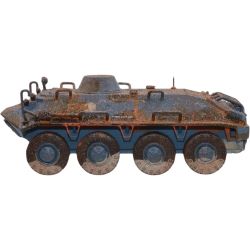


Are you looking for military model vehicles that add realistic transport, depot, loading and historic background scenes to your model railway layout?
Then this category is exactly the right place: with suitable Military, model railway military vehicles, H0 military vehicles, TT military models, N scale military vehicles, military trucks, military off-road vehicles, tank models, military trailers, Bundeswehr models, NVA vehicles, army trucks, railway transport loads, Unimog military models, IFA W50 military trucks, Robur military vehicles, Ural trucks, Artitec military models, Herpa military vehicles, Busch military models and NPE military vehicles, you can create detailed, neutral and technically convincing transport scenes.
Why are Military models useful for model railway layouts?
Military models add special transport themes, historic context and strong visual detail to a layout. They are especially useful for rail loading scenes, depots, road convoys, barracks, museums and technical dioramas.
What belongs to the Military category?
This category includes military cars, army lorries, off-road vehicles, tank models, trailers, transport loads, military equipment, helicopter models, rescue vehicles, armoured vehicles and matching figures or accessories.
Why start with H0 military vehicles?
H0 military vehicles are especially useful because they match the common 1:87 model railway scale. They fit naturally with H0 freight wagons, loading ramps, roads, depots, barracks and industrial scenes.
When are TT military models useful?
TT military models are ideal for compact 1:120 layouts with DR, NVA, industrial or railway transport themes. They provide strong detail without taking too much space on the layout.
Why choose N scale military vehicles?
N scale military vehicles are useful for compact layouts, background scenes and long railway transport trains. They allow large transport areas, depots and convoys to be shown in limited space.
Why are military trucks important?
Military trucks are flexible vehicles for depots, road convoys, loading scenes and logistics areas. They connect road transport with railway freight operation in a believable way.
Why are off-road military vehicles useful?
Off-road military vehicles fit rural roads, training areas, depots and technical service scenes. They add variety beyond normal civilian road traffic.
Why are tank models used on railway layouts?
Tank models are often used as railway transport loads on flat wagons or heavy-duty wagons. They create realistic loading scenes, military transport trains and historic freight themes.
Why are military trailers practical?
Military trailers complete road convoys and depot scenes. They are useful for equipment transport, field service scenes, storage areas and vehicle parks.
Why are railway transport loads attractive?
Railway transport loads make flat wagons, heavy-duty wagons and military transport trains look purposeful. Tanks, trucks, armoured vehicles and containers can turn a simple freight train into a strong layout highlight.
Why are Bundeswehr models popular?
Bundeswehr models fit West German and modern German railway themes. They are useful for Era III, Era IV, Era V and Era VI transport scenes with military lorries, armoured vehicles, medical vehicles and support equipment.
Why are NVA vehicles important?
NVA vehicles are especially useful for East German DR-themed layouts. IFA, Robur, Ural, SPW, BMP and T-72-style models help create authentic Era III and Era IV transport or depot scenes.
Why are IFA W50 military trucks useful?
IFA W50 military trucks are classic road vehicles for East German military, service and logistics themes. They fit depots, rural roads, loading areas and DR railway transport scenes very well.
Why are Robur military vehicles attractive?
Robur military vehicles add compact, historic road traffic to layouts with NVA, border troop or service themes. They are suitable for barracks, small roads, vehicle parks and station scenes.
Why are Ural trucks interesting?
Ural trucks bring rugged off-road character to military and technical scenes. They are useful for convoys, field routes, heavy-duty settings and Eastern European layout themes.
Why are Unimog military models practical?
Unimog military models are versatile because they can appear in transport, maintenance, rescue, off-road and depot scenes. Their compact size makes them easy to place on roads, yards and loading areas.
Why are military rescue vehicles useful?
Military rescue vehicles add technical service, recovery and emergency support themes to a layout. They are useful for depots, workshops, vehicle parks and realistic maintenance scenes.
Why are helicopter models interesting?
Helicopter models add vertical transport and airfield atmosphere to a military or rescue scene. They work well near barracks, landing pads, museums and technical display areas.
Typical military model types at a glance
Why is scale important for military models?
Scale decides whether vehicles look correct beside trains, freight wagons, buildings, roads and figures. H0, TT, N, Z and 0 models should match the layout scale for a realistic impression.
Why is era matching important?
Era matching keeps vehicles, locomotives, freight cars, buildings and road scenes consistent. A World War II transport scene, an NVA depot, a Bundeswehr railway loading scene and a modern protected lorry each tell a different story.
Why is rail loading a strong layout theme?
Rail loading connects military models directly with railway operation. Loading ramps, heavy-duty wagons, flat wagons, escort coaches and yard tracks create realistic transport scenes.
Why are flat wagons useful with military vehicles?
Flat wagons can carry tanks, trucks, trailers and equipment as railway loads. They are essential for military transport trains and technical loading scenes.
Why are heavy-duty wagons important?
Heavy-duty wagons are suitable for armoured vehicles and heavy loads. They make transport trains look technically convincing and help show the weight of the cargo.
Why are loading ramps useful?
Loading ramps explain how vehicles move from road to rail. They make military transport scenes more believable and give a freight yard a clear operating function.
Why are vehicle parks effective?
Vehicle parks allow several trucks, off-road vehicles, trailers and armoured vehicles to be displayed together. They are ideal for depots, barracks, workshops and museum scenes.
Why are barracks scenes useful?
Barracks scenes provide a realistic setting for military vehicles without needing action-based storytelling. Roads, gates, fences, guard buildings, garages and parking areas create a complete scene.
Why are museum scenes attractive?
Museum scenes allow historic military vehicles to appear in a neutral, educational and display-focused context. They are useful for collectors, dioramas and layouts with historic vehicle exhibitions.
Why are neutral display scenes important?
Neutral display scenes keep the focus on vehicle modelling, transport history and technical detail. This makes military models suitable for railway transport, depot and museum layouts without glorifying conflict.
How do military models improve freight yards?
Military models make freight yards more varied through special loading operations. Heavy-duty wagons, ramps, trucks and escort vehicles create a clear reason for shunting and train formation.
How do military vehicles improve road scenes?
Military vehicles add variety to road traffic beyond normal cars, buses and trucks. Convoys, off-road routes and service vehicles can make country roads and depot roads more interesting.
How do military models improve industrial scenes?
Industrial scenes can use military vehicles as special loads, technical service vehicles or depot stock. Workshops, storage areas and rail-connected factories become more detailed with matching vehicles.
How do military models improve historic layouts?
Historic layouts gain authenticity when military vehicles match the correct railway era and region. NVA, Bundeswehr, DRG, DR and post-war transport scenes all require different vehicle choices.
Can military models be used on modern layouts?
Yes, modern layouts can use protected trucks, recovery vehicles, modern transport loads and Bundeswehr-style logistics scenes. These models fit Era V and Era VI railway transport or depot settings.
Can military models be used in dioramas?
Yes, military models are very suitable for dioramas because they offer strong detail and clear scene themes. Loading ramps, depots, museums, convoys and rail transport displays work especially well.
Can military vehicles be combined with figures?
Yes, figures help give scale and life to military vehicle scenes. Drivers, mechanics, depot staff, railway workers and loading personnel make the scene more believable.
Can military vehicles be weathered?
Yes, light weathering can make military vehicles look more realistic. Dust, road dirt, faded paint, fuel marks and working traces are especially useful for trucks, tanks and off-road vehicles.
Which accessories match Military models?
Useful accessories include flat wagons, heavy-duty wagons, loading ramps, fences, gates, garages, depots, barracks buildings, road plates, warning signs, figures, crates, containers, fuel drums, tarpaulins and workshop details. These elements turn single vehicles into complete scenes.
Which brands are important for Military models?
Important brands include Artitec, Herpa, Busch, NPE, Mehlhose, Hädl, Tillig, ESPEWE, Preiser, Faller, Viessmann, Kibri, Brekina and igra. These brands cover trucks, tanks, off-road vehicles, trailers, railway loads, figures, kits and technical accessories.
Why are Artitec military models popular?
Artitec military models are popular for detailed armoured vehicles, railway transport loads and historic subjects. They are especially useful for collectors, flat wagon loads and technical display scenes.
What makes Herpa military vehicles practical?
Herpa military vehicles are practical for modern H0 trucks, protected lorries, tractor units and Bundeswehr-style transport themes. They fit depots, roads, convoys and contemporary logistics scenes.
Why choose Busch military models?
Busch military models are useful for Unimog, Robur, off-road and service vehicle themes. They fit compact road scenes, NVA layouts, rural routes and detailed vehicle parks.
Why are NPE military vehicles interesting?
NPE military vehicles are interesting for IFA P3, NVA, border troop and special military vehicle themes. They are useful for H0 and TT collectors who want Eastern European road traffic.
What do Hädl and Mehlhose add?
Hädl and Mehlhose add strong TT military and service vehicle themes. They are especially useful for NVA layouts, DR transport scenes and compact 1:120 dioramas.
Why are Preiser figures useful?
Preiser figures help bring scale, movement and story to vehicle scenes. Railway workers, soldiers, mechanics or service personnel can make loading and depot areas more believable.
What should beginners consider before buying?
Beginners should first check the correct scale, era and scene purpose. A small group of trucks, an off-road vehicle and a matching flat wagon load can already create a convincing first transport scene.
What should collectors consider?
Collectors should pay attention to brand, scale, vehicle type, livery, prototype, era and edition. NVA vehicles, Bundeswehr loads, Artitec models and special transport vehicles can be especially attractive.
What should layout builders consider?
Layout builders should plan where the vehicles will appear before buying many models. Loading ramps, depots, roads, barracks, museum areas and freight yards each need different vehicle types.
What should diorama builders consider?
Diorama builders should match vehicles with terrain, figures, roads, buildings and accessories. A railway loading scene, depot yard, museum display or road convoy can become a strong miniature story.
What should you check before buying military model vehicles?
Before buying, check scale, gauge, brand, vehicle type, era, railway company context, road space, wagon compatibility and scene purpose. Also consider whether the model should be used for a railway layout, collector display, museum scene, depot, convoy, loading ramp or transport train.
Strong category terms such as Military, model railway military vehicles, model train military models, H0 military vehicles, TT military models, N scale military vehicles, military truck model, military off-road vehicle, tank model, military trailer, Bundeswehr model, NVA vehicle model, army lorry model, railway transport load, Artitec military models, Herpa military vehicles, Busch military models and NPE military vehicles fit naturally into this product group.
Additional related terms such as IFA W50, IFA P3, Robur LO 1800, Ural 375, Unimog U5023, T-72, BMP-1, SPW 40, SPW 60, M48, M88, M109, HIMARS, protected lorry, flat wagon load, heavy-duty wagon, loading ramp, barracks, depot, vehicle park, convoy, NVA, Bundeswehr, DR, DB, Era III, Era IV, Era V and Era VI strengthen the category context.
Selection guide for military model vehicles
Buy Military models for transport, depot and diorama scenes
Whether you need Artitec tank models, Herpa military trucks, Busch Unimog vehicles, NPE IFA P3 models, Hädl TT military trucks, Mehlhose NVA vehicles, Tillig BMP models, Bundeswehr transport loads, NVA vehicle models, off-road military vehicles, military trailers, flat wagon loads or railway transport models: the right military models add technical variety and strong scene depth to your layout.
With carefully selected military model vehicles, you can create railway loading operations, depot roads, barracks scenes, museum displays, transport trains, vehicle parks, technical rescue scenes, historic DR layouts, modern Bundeswehr logistics and detailed dioramas. This makes Military a versatile vehicle category for neutral, realistic and technically interesting miniature transport worlds.