Eras I–II
Early Motoring
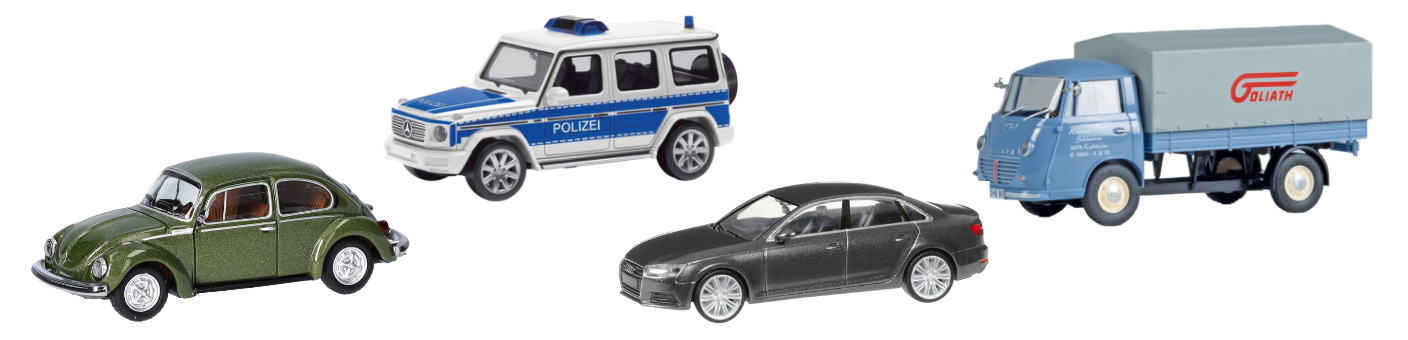
Early passenger cars, commercial vehicles and buses work alongside state-railway and DRG scenes. Roads should remain relatively lightly populated.

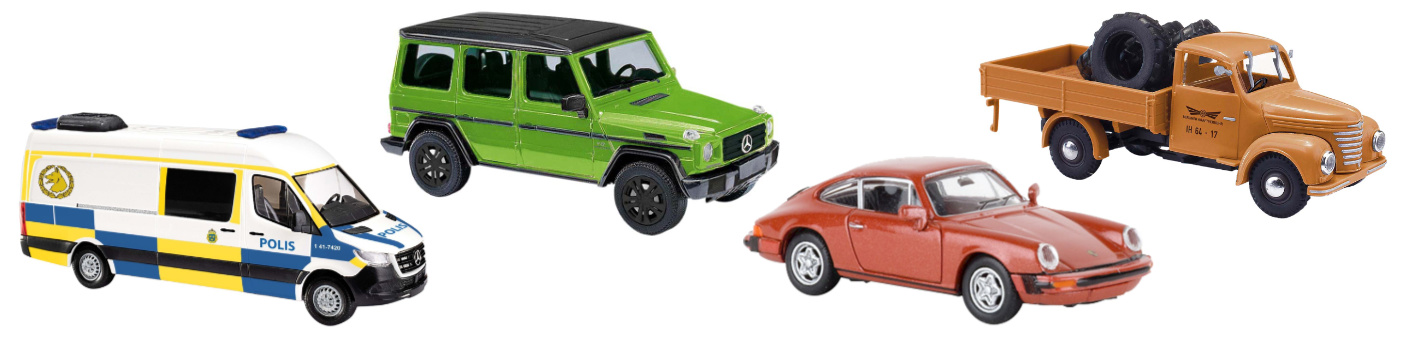
Model cars bring everyday life to railway layouts. From classic passenger cars and historic commercial vehicles to emergency services, construction machinery, buses and modern electric cars, the right road vehicles connect railway scenes with towns, villages, industry and the surrounding landscape.
Model cars enrich every model railway layout. They fill towns, streets and courtyards with life, complement rural scenes and help tell stories from both historical and modern railway eras.
Suitable vehicles are available for many common model railway scales – from large garden-railway scenes to extremely compact Z-scale miniature worlds.
The range extends from classic passenger cars and historic commercial vehicles to emergency vehicles , modern construction vehicles , buses, trucks and agricultural machinery .
Correct scale is particularly important. A car that is too large or too small becomes immediately obvious when placed beside figures, buildings, platforms or trains.
The vehicle's period is just as important. A pre-war car, a 1960s delivery van, a Trabant or Wartburg, a 1990s family car and a modern electric vehicle each create a completely different street scene.
For a convincing result, choose road vehicles in the same scale and approximately the same historical period as the railway, buildings and figures surrounding them.
Vehicle scales normally follow the scale of the surrounding model railway. Matching road vehicles, buildings and figures creates the most believable overall impression.
| Gauge | Typical Scale | Typical Model Cars | Suitable Scenes |
|---|---|---|---|
| G | Often around 1:22.5 | Large trucks, tractors, utility vehicles and off-road vehicles | Garden railways, farms, stations and outdoor scenes |
| 0 | Approx. 1:45 | Detailed collector cars, buses and commercial vehicles | Dioramas, station forecourts and detailed street scenes |
| H0 | 1:87 | Very wide range of cars, trucks, buses, emergency and construction vehicles | Towns, villages, stations, industry and roads |
| TT | 1:120 | Trabant, Wartburg, Lada, Škoda, utility vehicles and modern cars | DR themes, East German towns, modern streets and compact layouts |
| N | 1:160 | Compact passenger cars, vans and small vehicle sets | Car parks, station forecourts, towns and broad landscapes |
| Z | 1:220 | Extremely compact cars for streets and background scenes | Miniature towns, compact layouts and display dioramas |
Model railway gauge and scale usually point to the correct vehicle size, but large-scale garden railways can use several prototype scales on 45 mm track. Always check the stated model scale before combining vehicles with buildings and figures.
Saloons, estate cars, convertibles, sports cars, classic cars and modern vehicles for everyday road scenes.
Delivery trucks, articulated lorries and commercial vehicles connect factories, warehouses and freight yards with the road.
City buses, coaches and regional buses make station forecourts and public-transport scenes more believable.
Fire brigades, police and rescue services create operational scenes in towns, villages and industrial areas.
Excavators, loaders and construction trucks are ideal for roadworks, industrial sites and railway construction scenes.
Tractors, harvesters and agricultural machinery create believable rural landscapes around railway lines.
Motorcycles, scooters and bicycles provide small details for streets, station areas and leisure scenes.
Kits allow individual paintwork, weathering and customised vehicle projects.
Just like locomotives, coaches, buildings and signals, road vehicles have a clear historical context. Their shapes, colours and technical appearance help establish the period of a miniature scene.
Early passenger cars, commercial vehicles and buses work alongside state-railway and DRG scenes. Roads should remain relatively lightly populated.
Beetles, early Mercedes models, delivery vans, buses and commercial vehicles suit DB and DR scenes from the economic-recovery period.
Golf, Passat, Wartburg, Trabant, Lada, Škoda and many commercial vehicles create characteristic 1970s and 1980s road traffic.
Older vehicles can still remain in service while increasingly modern cars, delivery vans and trucks enter the scene.
Current cars, SUVs, electric vehicles, modern buses, logistics fleets and contemporary emergency vehicles fit present-day DB AG and private-railway scenes.
Historic vehicles can appear on a modern layout when the scene clearly represents a classic-car meeting, museum, heritage railway or vehicle exhibition.
A 1950s Beetle, an East German Wartburg and a modern electric car can all be excellent models, but placing them together without a clear reason can weaken the historical impression. Define the scene first and then select its road vehicles.
Taxis, buses, private cars, bicycles and delivery vehicles connect railway passengers with the surrounding town.
A mixture of parked everyday cars looks more convincing than a road filled only with sports cars or special vehicles.
Trucks and delivery vehicles explain how goods move between railway wagons, warehouses and local road transport.
Excavators, dump trucks, barriers and construction workers make road or railway engineering scenes believable.
Tractors, utility vehicles and older cars fit farms, country roads and agricultural areas particularly well.
Police, fire and rescue vehicles work best when figures, road positioning and the surrounding scene explain why the vehicles are present.
Static model cars already create believable streets. Moving road vehicles can add another operating dimension to a model railway.
The Faller Car System combines powered road vehicles with guided road routes. The current range includes vehicles, Laser-Street road elements, sensors, parking modules, stop sections and digital components.
The Viessmann Car System / CarMotion provides another approach to moving H0 road traffic with electronically equipped vehicles and compatible control technology.
Start with one clearly defined route rather than attempting an entire city road network immediately. A station bus route, delivery road or industrial access road is easier to build, test and maintain.
H0 currently offers the broadest model-car selection, while TT, N and Z also provide many suitable road vehicles. Specialist systems additionally bring movement to H0 roads.






These product cards use fixed Modellbahnshop product pages and MBS image numbers. Prices and stock status are deliberately not reproduced here because they can change independently of the editorial landing page.
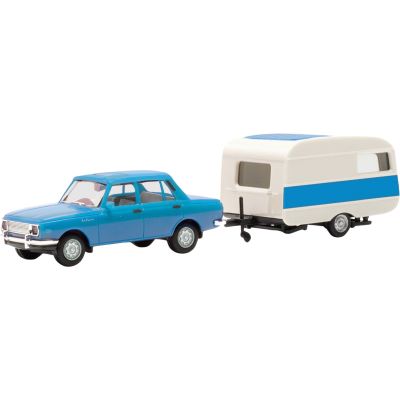
Characteristic East German holiday scene with a Wartburg 353 and matching caravan.
View Product →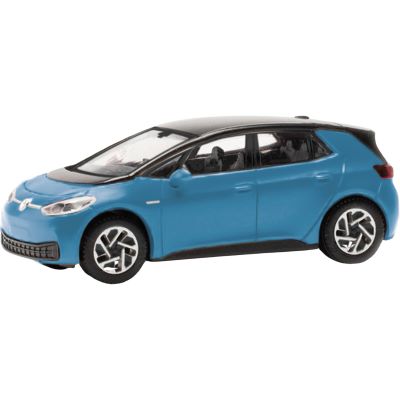
Contemporary electric car for modern residential, station and city scenes.
View Product →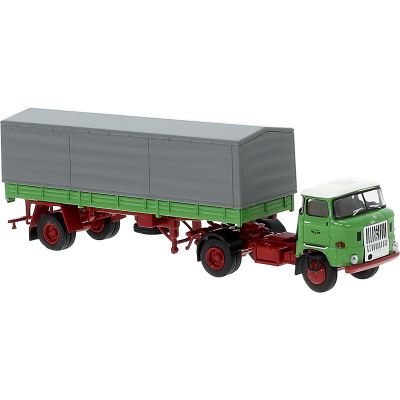
Road vehicle with direct railway context for freight, depot and Deutsche Reichsbahn scenes.
View Product →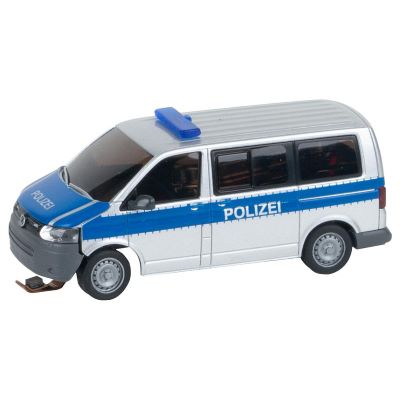
Powered road vehicle for Faller Car System routes and animated urban scenes.
View Product →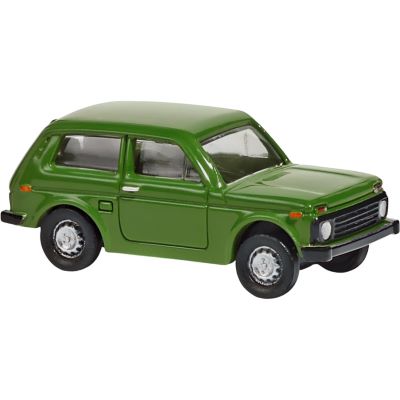
Compact off-road vehicle for TT towns, rural roads and Eastern European scenes.
View Product →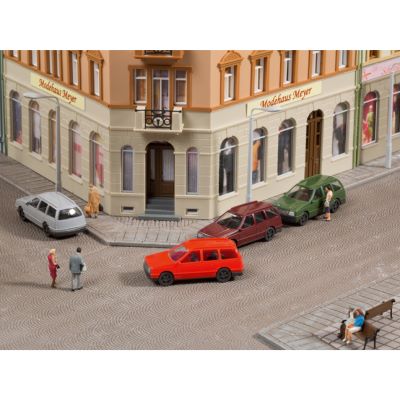
Ready-made assorted vehicles for quickly populating TT streets, car parks and dioramas.
View Product →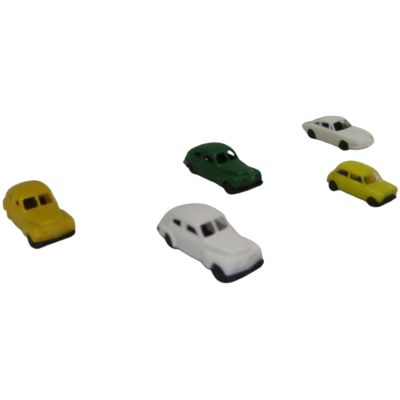
Small road vehicle for station parking, residential areas and compact N-scale scenes.
View Product →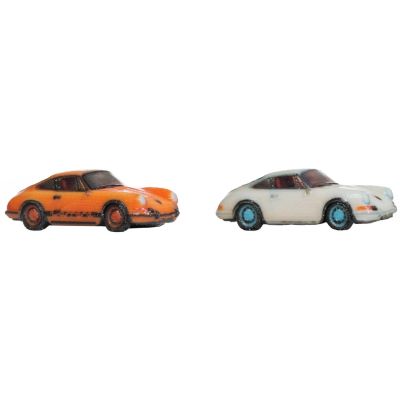
Two extremely compact sports cars for adding road traffic to Z-scale streets and miniature towns.
View Product →The live English shop categories contain the current products, manufacturers, scales, prices and availability. Select the scene you want to build and then filter the current range.
The complete vehicle world including cars, trucks, buses, construction vehicles and Car Systems.
Classic cars, modern vehicles, estates, saloons, convertibles and sports cars.
Freight, delivery and logistics vehicles for road and railway interfaces.
City buses, coaches and regional transport for station and town scenes.
Fire brigade, police, ambulance and rescue vehicles.
Excavators, loaders and machinery for road, building and railway works.
Tractors and farm machinery for fields, villages and rural railway scenes.
Build, customise, paint and weather individual road vehicles.
Vehicles and road technology for moving model traffic.
Functional H0 road vehicles and digital traffic technology.
Model cars add movement, everyday life and authenticity to almost every railway layout – from a large garden railway to an extremely compact Z-scale scene.
The right vehicles make it possible to create convincing themes ranging from industry, fire brigades and agriculture to historic town centres and modern urban streets.
They should therefore not be treated merely as empty-space fillers. Well-selected road vehicles are an independent part of model making and can tell just as much about the location and historical period as the locomotives on the tracks.
The strongest scenes combine the correct scale, a coherent era, realistic vehicle density and a clear reason for each vehicle to be where it is.
H0 normally uses 1:87 scale. Cars in the same scale fit naturally beside H0 figures, buildings and trains.
TT normally uses 1:120 scale. Suitable current road vehicles include cars from manufacturers such as Busch, Auhagen, Tillig and other TT specialists.
Yes. N uses 1:160 scale and current vehicle products include passenger cars and small vehicle sets from several manufacturers.
Yes. Z uses 1:220 scale. These extremely small vehicles are ideal for streets, car parks and compact miniature scenes.
Herpa, Busch, Brekina and Wiking are well-known names for H0 road vehicles. The current Modellbahnshop range also contains additional specialist manufacturers.
Cars are visually strong indicators of a historical period. Matching railway vehicles, road traffic, buildings and figures produces a more convincing miniature world.
Depending on the exact period, vehicles such as Trabant, Wartburg, IFA, Lada and Škoda models can help create characteristic East German road scenes.
Yes. Systems such as the Faller Car System and Viessmann CarMotion provide powered road vehicles and matching infrastructure for moving traffic.
Typical locations include station car parks, residential streets, factories, freight yards, farms, level crossings, construction sites and town centres.
No. Vehicle density should suit the location and railway era. Leaving some roads and parking spaces empty often looks more natural than filling every available space.
Choose model cars that match your scale, railway era and scene. From parked classics to moving buses and emergency vehicles, realistic road traffic completes the miniature world around your railway.
English links, product examples, image paths and manufacturer pages checked: 15 August 2026.