Modellbahn Keks
Welcome!
Our cookies offer you a fast, relaxed and full-featured shopping experience. Some are necessary to operate the website and its functions. Others help us to improve our services. If you agree to this, simply consent to the use of cookies for preferences, statistics and marketing by clicking on "OK". Alternatively, you can deactivate individual cookies under "Customise cookies" or all cookies, except those required for the function of our website, under "Reject all".
Test runs, vehicle transfers and special transports

RailAdventure Model Trains | Locos & Special Transports

RailAdventure safely transports brand-new multiple units, locomotives, trams and unusual railway vehicles to test centres, workshops, ports and operators. Discover suitable locomotives, Loco Buggies, coupling wagons, test trains and models in H0, TT, N and G.

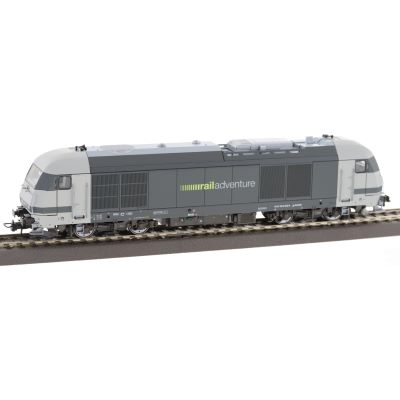
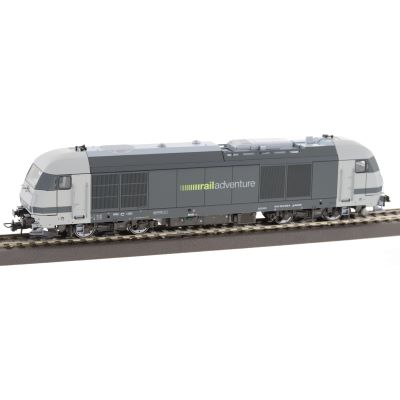
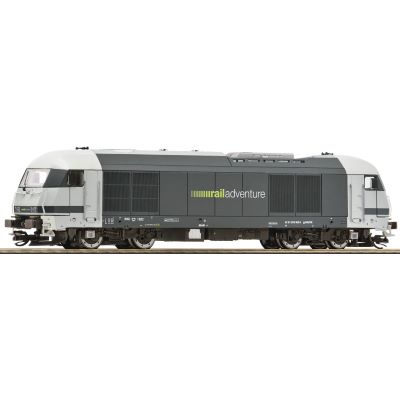
Roco H0 RailAdventure diesel locomotive 2016 902-5
A specialist rather than a conventional railway operator

What Is RailAdventure?

RailAdventure is a railway company specialising in unusual tasks for the railway industry. It does not operate conventional scheduled passenger or freight services. Instead, the company handles new, not-yet-approved, historic, damaged or technically unusual railway vehicles.

Its origins date back to 2006, when electric locomotive 1216 050 set a world speed record for conventional locomotives on the high-speed line between Ingolstadt and Nuremberg. Further projects developed from the experience gained during this record attempt. The activities have continued under the name RailAdventure GmbH since 2010.

Its work includes planning and operating transfer runs, test runs, approval runs, workshop test runs and exceptional transports. The vehicle may be a single new locomotive, a multiple-unit train, a tram intended for a different track gauge or a vehicle that cannot move independently.

RailAdventure vehicles belong to Era VI . The combination of classic locomotives, modern specialist vehicles and brand-new vehicles being transferred makes the subject especially varied on a contemporary model railway layout.

Locomotives and specialist vehicles

Which Vehicles Define RailAdventure?

The fleet combines proven older locomotives with modern main-line vehicles and specially developed transport equipment. Not every locomotive performs the same task: shunting locomotives, high-speed locomotives, multi-system locomotives and diesel locomotives complement one another.

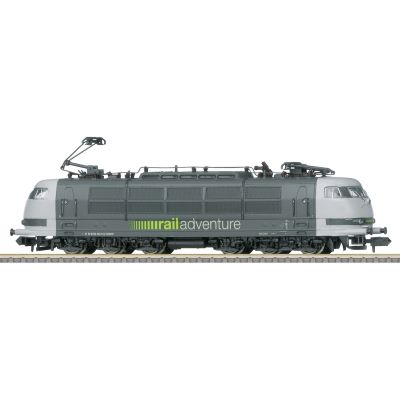
Class 103

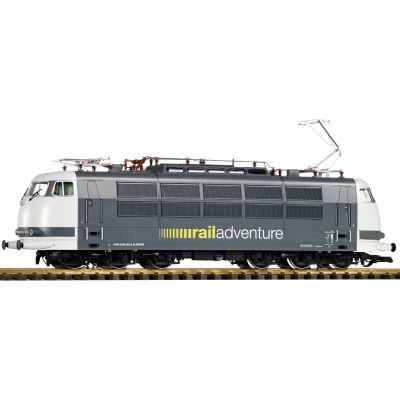
Locomotive 103 222 is one of the best-known vehicles associated with RailAdventure. It has been used for high-speed test runs and combines the appearance of a classic express locomotive with a modern operational setting.

Model railway use

Test train, measurement run, special train or light-engine movement on an electrified main line.

Classes 111, 139 and Locomotive 9903

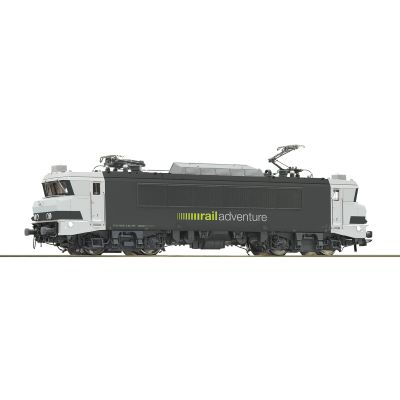
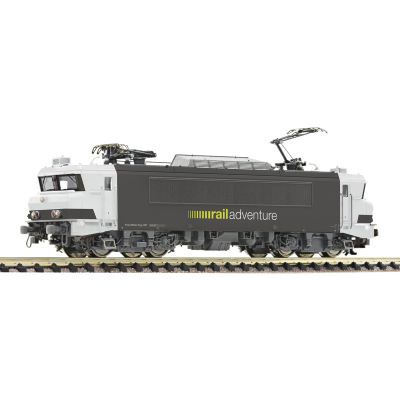
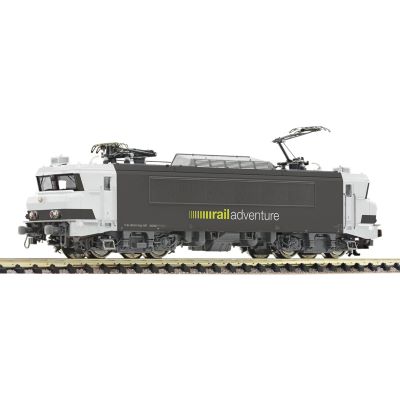
Proven electric locomotives are suitable for planned transfer duties. Locomotive 9903 originates from the Dutch Class 1600 family and expands the theme to include cross-border operation in the Netherlands.

On the layout

Ideal for new multiple units, individual locomotives and short transfer formations.

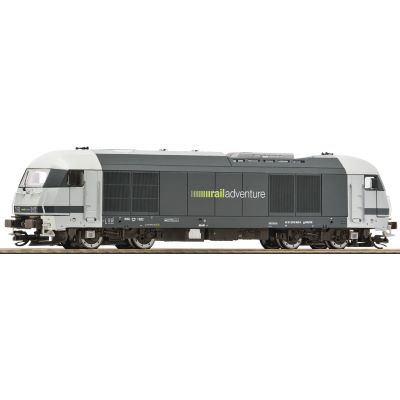
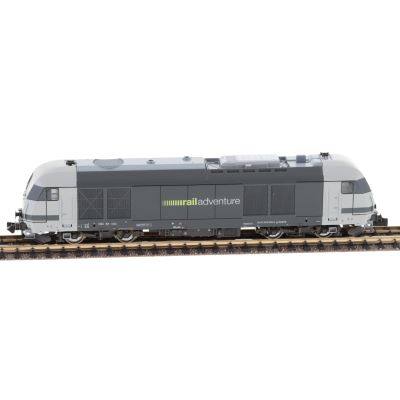
EuroRunner 2016 902

The large diesel locomotive handles transfers on routes without overhead wiring or where continuous electric operation is not possible. Model versions are available in H0, TT and N.

Particular strength

It allows a RailAdventure train to reach a port, factory or non-electrified secondary route convincingly.

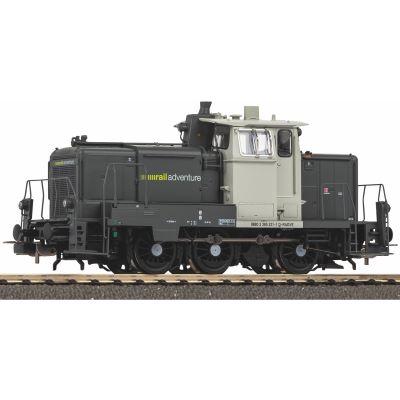
Class 365 and Battery Shunting Vehicle

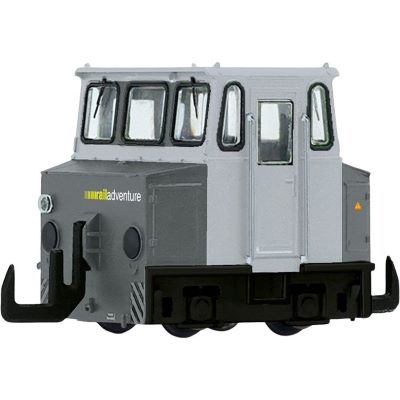
Small vehicles perform shunting duties in workshops, storage facilities and the Zughotel. They move rolling stock over short distances and are suitable for detailed operating scenes.

Layout setting

Workshop hall, test centre, manufacturer’s factory or modern locomotive depot.

Coupling and Brake Wagons

New multiple units often use centre-buffer couplings, while the hauling locomotive has conventional buffers and screw couplings. Coupling adapter wagons connect the two systems safely. Brake wagons provide additional braking force when the vehicle being transferred cannot yet contribute to the train’s braking.

Prototypical order

Hauling locomotive, coupling wagon, transferred vehicle and, where required, further barrier or brake wagons.

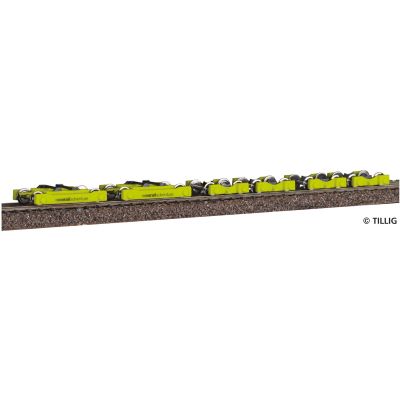
Loco Buggy

Loco Buggies support individual wheelsets or complete bogies. They allow vehicles with a different track gauge, an unsuitable wheel profile or damaged wheels to be transported over the standard-gauge network.

Model railway advantage

The system provides a convincing explanation for unusual vehicles appearing in a transfer train.

From the factory to the new operator

How Is a Railway Vehicle Transfer Organised?

A transfer train is planned individually for each vehicle. Couplings, brakes, loading gauge, track gauge, maximum speed, electrical systems and national approvals determine its formation.

1

Inspect the Vehicle

Dimensions, wheelsets, couplings, braking equipment and transportability are documented.

2

Plan the Route

Countries, route classes, tunnels, platforms and operational restrictions are considered.

3

Select the Adapters

Coupling wagons, brake wagons, mobile air pipes and Loco Buggies are selected as required.

4

Form the Train

The hauling locomotive, barrier vehicles and transported vehicle are connected in a technically safe order.

5

Complete the Transfer

The train runs to the test centre, port, factory or future operator while the transport is monitored.

RailAdventure in all relevant model railway gauges

In Which Gauges Are RailAdventure Models Available?

Gauge Scale RailAdventure Selection Suitable Scene Planning Advice
H0 1:87 Class 365, EuroRunner 2016, locomotive 9903 and a Loco Buggy set. Complete transfer trains, manufacturer’s factory and railway test centre. Long multiple units and adapter wagons require generous curves and long storage tracks.
TT 1:120 Current versions of RailAdventure diesel locomotive 2016 902. Compact transfer or test train on a main line. The transported vehicle can be selected from another modern TT model range.
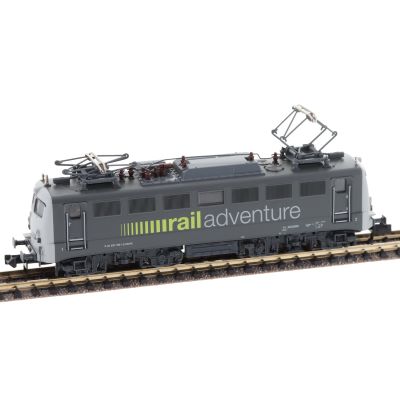
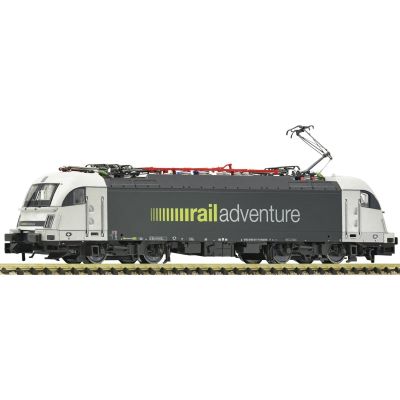
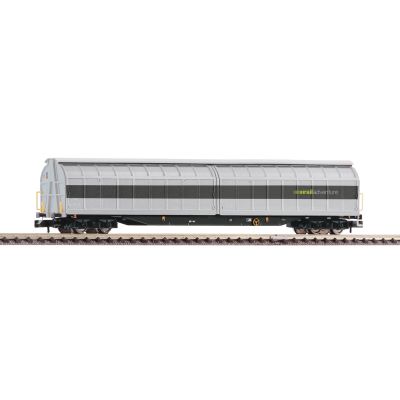
N 1:160 Locomotive 9903, Classes 103, 139 and 190, EuroRunner, battery shunting vehicle, LUXON, Habfis and Zughotel. Long transfer trains, Zughotel and international test route. Especially broad current selection with limited space requirements.
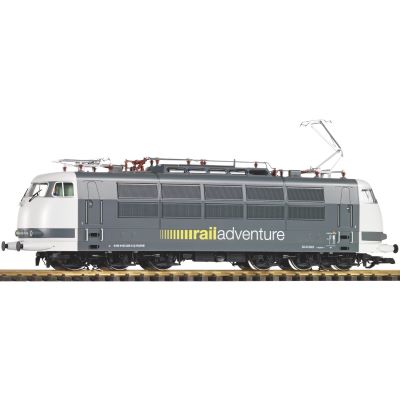
G Large scale Large PIKO versions of RailAdventure locomotive 103 222. Display model, spacious indoor layout or modern garden railway. Vehicle length and substantial space requirements must be considered early.
Z 1:220 No broad current RailAdventure range in the checked selection. Modern vehicle transfer using neutral locomotive and multiple-unit models. Watch for special editions and custom lettering.
0 and 1 1:45 and 1:32 No extensive regular RailAdventure programme. Individual locomotive, coupling wagon or detailed diorama. Custom building and repainting require precise prototype documentation.
Combine unusual vehicles convincingly

How Do You Form a RailAdventure Model Train?

RailAdventure trains are allowed to look unusual, but every vehicle should perform a recognisable technical task. A random multiple unit placed directly behind a locomotive is less convincing than a formation containing suitable adapter and barrier vehicles.

Transfer of a New Multiple Unit

The classic scene shows a RailAdventure locomotive hauling a factory-new multiple unit. A coupling adapter wagon is positioned between the locomotive and the multiple unit. A further coupling or brake wagon can be placed at the rear.

  • a RailAdventure electric or diesel locomotive,
  • a coupling adapter wagon,
  • a modern multiple unit without visible weathering,
  • a barrier or brake wagon where required.

Transport on Loco Buggies

The wheelsets or bogies of a vehicle with a different track gauge rest on small transport bogies. The model should be positioned securely and correctly. A workshop or harbour siding provides a suitable background.

  • a Loco Buggy set,
  • a narrow-gauge, tram or export vehicle,
  • coupling rods and adapter wagons,
  • a slow-speed section or shunting scene.

Test and Measurement Run

Locomotive 103 222 can haul a measurement coach or a passenger train undergoing testing. Cables, measuring equipment, technicians and a clear section of track communicate the experimental nature of the movement. The train may be considerably shorter than a normal passenger service.

Zughotel and Workshop

Stored prototypes, a Class 365 locomotive, a battery shunting vehicle, workshop staff and measuring containers create a convincing scene. The vehicles do not all have to be connected as one operational train.

LUXON Special Train

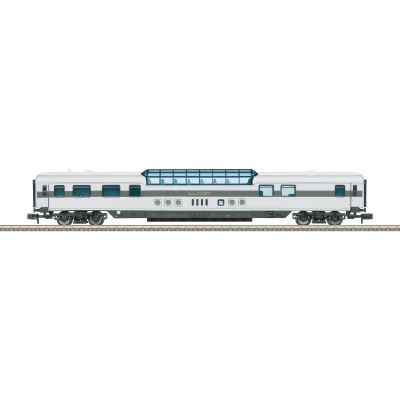
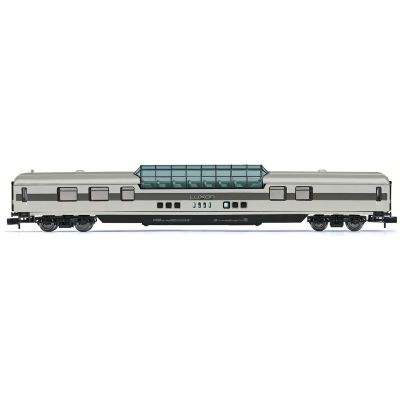
The LUXON panoramic coach represents RailAdventure’s exclusive event and special-train activities. It can be combined with a suitable RailAdventure locomotive to form a short, premium special train. Interior lighting and figures enhance its appearance.

Diesel Transfer without Overhead Wiring

Locomotive 2016 902 is suitable for a manufacturer’s factory, port or non-electrified route. It can haul a new diesel multiple unit, an export locomotive or an individual vehicle.

Prototype note: A railway vehicle being transferred cannot automatically be coupled directly to the hauling locomotive using ordinary model couplings. Coupling adapters, braking capability, barrier distance and the condition of the vehicle determine the actual formation. Even one logically positioned adapter wagon makes the model train considerably more convincing.
22 models arranged by gauge

RailAdventure Locomotives, Wagons and Specialist Vehicles

The selection combines main-line locomotives, shunting vehicles, specialist transport equipment, the LUXON panoramic coach and models associated with the Zughotel. For locomotives, check the electrical system, digital decoder and sound equipment. For transfer trains, couplings, vehicle length and minimum radius are also important.

TT Gauge – RailAdventure EuroRunner

The TT versions of locomotive 2016 902 combine visible detail with compact train lengths and are suitable for modern main and secondary routes.

N Gauge – An Especially Varied RailAdventure Selection

N gauge offers several main-line locomotives, vehicles for the Zughotel, a battery shunting vehicle and two versions of the LUXON panoramic coach.

G Gauge – The RailAdventure Class 103 as a Large-Scale Model

The large Class 103 is particularly impressive as a display model, on a spacious indoor layout or in a garden. It is available in two technical versions.

Questions and easy-to-understand answers

Frequently Asked Questions About RailAdventure Model Trains

Is RailAdventure a Conventional Railway Company?

RailAdventure does not operate regular passenger or freight services like a conventional railway company. It performs test runs, approval runs, vehicle transfers and specialist technical transport tasks for the railway industry.

Which Model Railway Era Does RailAdventure Belong To?

RailAdventure belongs to Era VI. Its activities began in 2006, so its vehicles suit modern layouts featuring private railway companies, international traffic and contemporary railway technology.

What Is a Loco Buggy?

A Loco Buggy is a small transport bogie supporting the wheelsets or bogies of another vehicle. It allows vehicles with a different track gauge, an unsuitable wheel profile or damaged wheels to be moved over standard-gauge track.

Why Does a Transfer Train Need Coupling Wagons?

Locomotives usually have buffers and screw couplings, while modern multiple units often have centre-buffer couplings. A coupling adapter wagon connects the two systems safely and can accommodate different coupling types and heights.

What Is the Purpose of a Brake Wagon?

New or technically incomplete vehicles may be unable to use their own brakes during a transfer. Additional brake wagons then provide the braking force required for the complete train.

Which Locomotive Is Especially Typical of RailAdventure?

Locomotive 103 222 is particularly well known. Other suitable subjects include locomotive 9903, Class 139, locomotive 190 311, shunting locomotives and diesel locomotive 2016 902.

Which Gauge Offers the Largest RailAdventure Selection?

N gauge offers an especially varied selection. RailAdventure models are also available in H0, TT and G gauge.

What Can Run behind a RailAdventure Locomotive?

Convincing loads include factory-new locomotives, multiple units, trams, passenger coaches, export vehicles, measurement vehicles and historic rolling stock. Adapter, barrier or brake wagons should be added where appropriate.

What Is the Zughotel?

The Zughotel in Braunschweig is a technical base for railway vehicles during longer test and approval programmes. Trains can be stored, inspected, equipped and prepared for further runs there.

What Is the RailAdventure LUXON?

LUXON is a premium panoramic coach used for special occasions, events and exclusive journeys. On a model railway it forms a short special train that differs clearly from RailAdventure’s technical transfer formations.

Discover More Railway Companies and Modern Specialist Vehicles

Learn more about Era VI, private railway companies, locomotive classes, digital technology, gauges, train formations, locomotive depots and prototype-oriented layout operation.

Open the Main Guide