Modellbahn Keks
Welcome!
Our cookies offer you a fast, relaxed and full-featured shopping experience. Some are necessary to operate the website and its functions. Others help us to improve our services. If you agree to this, simply consent to the use of cookies for preferences, statistics and marketing by clicking on "OK". Alternatively, you can deactivate individual cookies under "Customise cookies" or all cookies, except those required for the function of our website, under "Reject all".
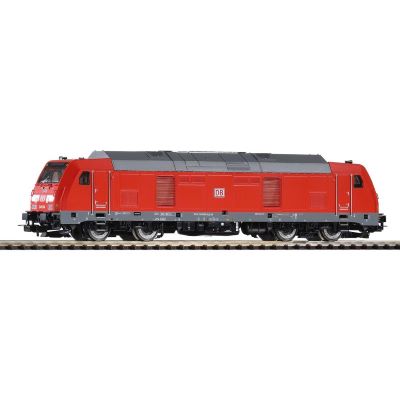
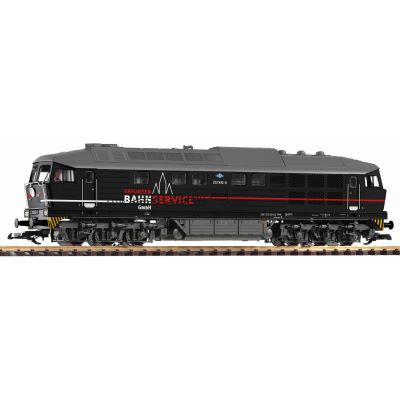
PIKO DE 18 diesel locomotive of DB Cargo representing Era VI
Vectron, ICE, Railjet and private operators

Era VI Model Railway – Modern Railways Since 2007

Era VI Model Railways

Era VI represents modern, internationally connected railway operations since 2007. ICE, Railjet, Nightjet, Vectron, double-deck trains, regional multiple units, private operators and specialised freight trains meet digitised stations, simplified branch lines and a wide variety of colours, operators and vehicle designs.

The present-day railway era

What Does Era VI Mean in Model Railways?

Under the commonly used German NEM classification, Era VI begins in 2007. No final year has yet been defined, which means that it represents present-day railway operations. Unlike earlier eras, it is not dominated by a single state railway or one consistent colour scheme.

Numerous companies operate on the German and European railway networks. In addition to DB Fernverkehr, DB Regio and DB Cargo, regional operators, private railway companies, leasing companies and international railways are represented. Diesel and electric locomotives may change operators, be leased, receive new vinyl coverings or carry distinctive advertising and anniversary designs.

An important identifying feature is the twelve-digit vehicle number used under the UIC or TSI system. Vehicle inscriptions also include keeper markings, country codes and technical data. Model railway enthusiasts should therefore check not only the class but also the operator, lettering and year represented.

Passenger traffic is largely characterised by multiple units and push-pull trains. ICE, InterCity, Railjet, Nightjet, double-deck trains, S-Bahn services and modern regional multiple units offer numerous layout themes. Freight traffic is dominated by container, tank, steel, timber, car and bulk trains.

Further modern prototypes can be found in the model railway company overview . German, European and private operators can be selected according to region, gauge and type of service.

Modern railways in constant development

How Can Era VI Be Divided into Periods?

The NEM standards do not define official subdivisions. For layout planning, however, a practical division based on vehicles, operators and infrastructure is useful.

General guide · 2007–2012

New Numbers and Increasing Competition

Twelve-digit vehicle numbers became increasingly widespread. ICE trains, locomotive-hauled InterCity services, Taurus and TRAXX locomotives and older standard electric locomotives operated alongside one another. Many vehicles still carried late Era V colour schemes, while private freight and regional operators became more visible.

General guide · 2012–2020

Vectron, IC2 and International Traffic

Vectron locomotives, new regional multiple units, double-deck InterCity trains and modern multi-system vehicles became increasingly common on main lines. Nightjet, Railjet, EuroCity and private long-distance services expanded the range of international train formations.

General guide · Since 2020

New Propulsion Systems and Flexible Fleets

Modern electric, dual-mode, battery and hybrid vehicles supplement existing fleets. Leasing locomotives frequently change operators. Older classes such as 111, 143, 155, 218 and 232 nevertheless remain visible in selected duties and with private railway companies.

Why Should an Era VI Layout Represent a Specific Year?

Operator logos, advertising vinyls, vehicle numbers and train services can change within a short period. A layout representing 2009 therefore looks different from a scene set in 2025. Selecting a specific year makes it easier to choose locomotives, coaches, road vehicles, platform equipment and advertising.

State railways, private operators and leasing fleets

Which Railway Companies Characterise Era VI?

Different operators can convincingly appear on the same layout. Main lines, border stations and freight corridors in particular display a wide variety of railway companies.

Deutsche Bahn and Regional Transport

Long-distance services, regional traffic and freight logistics

DB Fernverkehr operates ICE and InterCity trains. DB Regio provides Regional-Express, Regionalbahn and S-Bahn services. DB Cargo operates international freight trains and serves major industrial customers, terminals and marshalling yards.

  • ICE 1, ICE 3 and ICE 4
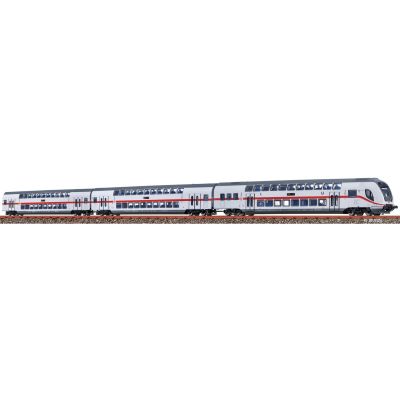
  • InterCity and double-deck IC trains
  • Classes 101, 112, 146, 152, 185 and 193
  • Classes 218, 232, 245, 294 and DE 18
  • Double-deck coaches, S-Bahn and regional multiple units
Discover Deutsche Bahn and other operators →

Private and International Operators

Regional traffic, long-distance trains and cross-border logistics

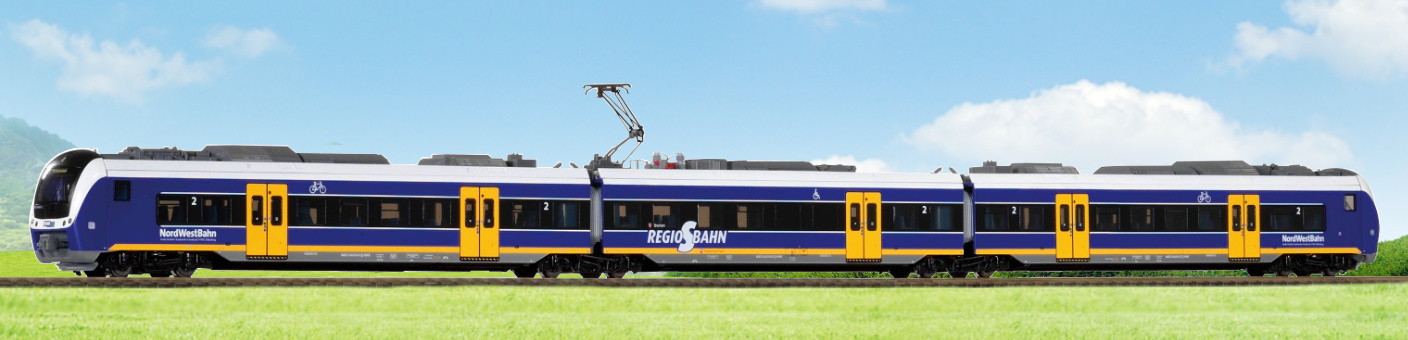
ODEG, Alex and NordWestBahn offer colourful regional railway themes. PRESS, EBS and ITL Captrain are suitable for engineering, special and freight trains. ÖBB, SBB, SNCF, ČD, PKP, DSB and other European operators can also be represented.

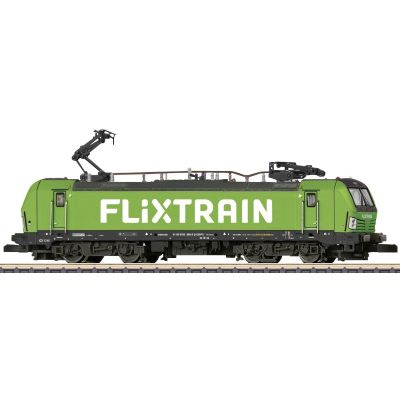
  • FlixTrain and private long-distance services
  • Railjet, Nightjet and international EuroCity trains
  • SBB Cargo, ČD Cargo and PKP Cargo
  • Vectron, Taurus and TRAXX locomotives
  • Leasing vehicles with changing operator markings
Discover modern private railway operators →
Modern multiple units and proven locomotives

Which Vehicles Are Typical of Era VI?

New multi-system locomotives and multiple units operate alongside modernised locomotives that were built in earlier decades.

Electric Locomotives

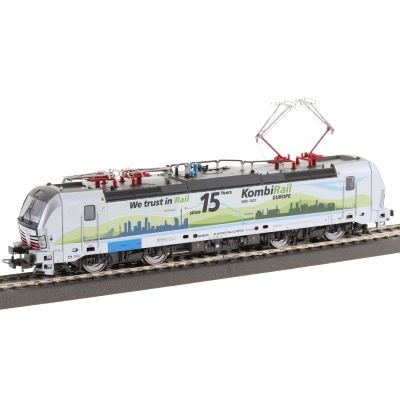
Vectron, Taurus and TRAXX are among the best-known modern locomotive families. DB and private operators use Classes 101, 112, 146, 152, 185, 187, 189 and 193, among others. Multi-system equipment allows international operation without requiring a locomotive change at every border.

Diesel and Dual-Mode Locomotives

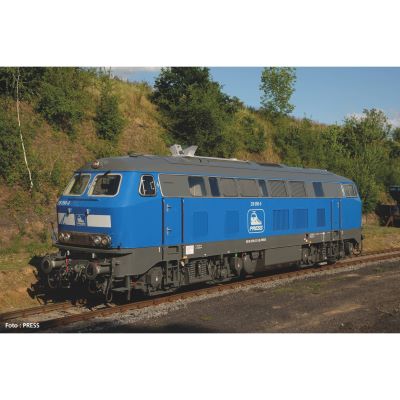
Classes 218, 232 and 294 remain in selected duties. Modern Classes 245 and 247, DE 18 locomotives and dual-mode vehicles handle regional, shunting, engineering and freight services. Private operators frequently continue to use older locomotives in new colour schemes.

Multiple Units and Push-Pull Trains

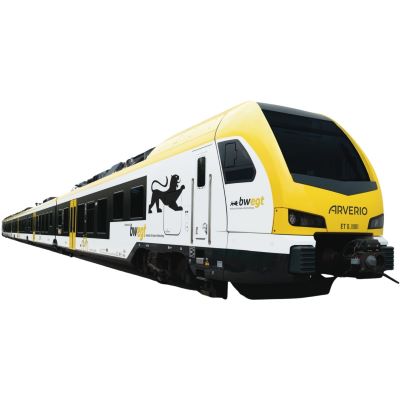
ICE, Railjet, double-deck trains, FLIRT, KISS, Desiro, Talent, LINT and other multiple-unit families characterise passenger traffic. Locomotive-hauled push-pull trains remain important in regional and long-distance services. Short regional multiple units are particularly suitable for compact layouts.

Freight Wagons and Logistics

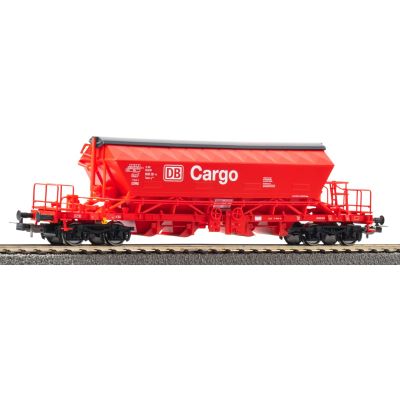
Container and pocket wagons, tank wagons, sliding-wall wagons, car-transport wagons, large open wagons and vehicles for timber, steel and construction materials form modern freight trains. Wagon keepers such as VTG, GATX and Wascosa can be combined with numerous locomotive operators.

From regional multiple units to intermodal trains

Typical Train Formations for Era VI

Modern trains should be assembled according to the operator, route and year represented. International combinations are an important part of the real railway.

ICE, InterCity and EuroCity

ICE multiple units operate as fixed formations. Locomotive-hauled InterCity and EuroCity trains may include DB, ÖBB, SBB, ČD, PKP or DSB coaches. Depending on the route, suitable locomotives include Class 101, Vectron, Taurus and other multi-system locomotives.

Railjet, Nightjet and Private Long-Distance Trains

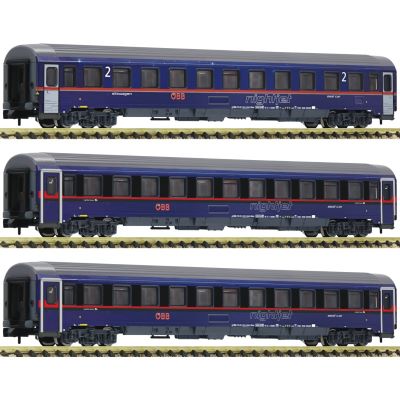
Railjet formations combine a driving trailer, passenger coaches and a Taurus or Vectron locomotive. Nightjet trains include sleeping, couchette and seated coaches of different designs. FlixTrain and other private services introduce distinctive colour schemes to modern main lines.

Regional and S-Bahn Traffic

Double-deck push-pull trains, electric multiple units and diesel railcars provide convincing shuttle services. A two-car multiple unit and a small halt are sufficient for a compact layout. Larger layouts can combine Regional-Express, S-Bahn and long-distance services.

Container, Tank and Engineering Trains

A modern freight train may consist of uniform wagons in a block train or a mixed international wagon fleet. Vectron, TRAXX, Classes 152, 155, 185 and 189, DE 18 and Class 232 locomotives are suitable depending on the route and operating task.

Digitised railway technology and simplified stations

How Do You Create a Convincing Era VI Layout?

Modern vehicles look particularly convincing when signals, platforms, roads and freight facilities match present-day railway operations.

Stations and Halts

Small and medium-sized stations often feature prefabricated concrete platforms, ramp access, passenger shelters, ticket machines and digital information displays. Historic station buildings may be privately used or physically separated from the active platform area.

Signals and Interlockings

Ks signals and electronic interlockings characterise modernised routes. Older colour-light signals and semaphore signals can still appear where a line has not yet been rebuilt. Local signal boxes increasingly disappear or remain as unused buildings.

Freight Terminals and Industry

Container terminals, freight villages, tank farms, steelworks, timber loading facilities and building-material sidings provide suitable themes. Former loading roads and goods sheds may instead be closed, overgrown or converted into car parks and commercial areas.

Roads and Surroundings

Modern cars, electric vehicles, delivery vans, public buses, parcel services, bicycles and charging points complete the scene. Noise barriers, new road bridges and removed level crossings characterise upgraded main lines.

Modern vehicles in all major scales

Which Gauge Is Suitable for Era VI?

The selection ranges from compact Z-gauge trains to garden railways. H0 offers the greatest variety, while N and TT are particularly suitable for long modern trains.

Gauge Scale Particular strength Suitable Era VI themes
Z 1:220 Very low space requirements Vectron, FlixTrain, ICE and compact main lines
N 1:160 Long passenger and freight trains ICE, IC2, Nightjet, Railjet, container and tank trains
TT 1:120 Space-saving size with good visible detail DB Cargo, private operators, Vectron, Railion and Central Europe
H0 AC / H0 DC 1:87 Largest selection of vehicles and accessories Long-distance, regional, private and freight traffic throughout Europe
H0m / H0e 1:87 Narrow-gauge and mountain railways RhB, MGB, MOB, HSB and tourist railways
0 / 0e approximately 1:45 High level of detail and shunting operation Industrial sidings, private railways and small termini
1 1:32 Large digital and sound-equipped models Modern electric and diesel locomotives and collector’s models
G usually approximately 1:22.5 Large-scale and garden railways PRESS, EBS, DB, HSB, RhB and modern narrow gauge
Four steps towards a modern model railway

How Do You Select Suitable Era VI Models?

The operator, year represented, route and type of train provide the main theme for a convincing modern layout.

1. Define the Year and Region

Select a year such as 2010, 2018 or 2025. Then choose between a German main line, Alpine route, border station, regional network, narrow-gauge railway or freight corridor.

2. Select the Operators

DB, ÖBB, SBB, ČD and other national operators can be combined with private companies and leasing locomotives. ODEG, Alex and NordWestBahn suit regional routes, while PRESS, EBS and ITL Captrain are suitable for freight trains.

3. Plan a Complete Train

Select the type of train first and then add suitable coaches or wagons. A Vectron does not automatically require vehicles from the same operator. International freight trains may contain many different wagon keepers and colour schemes.

4. Check the Technology and Space

Check the gauge, AC or DC version, digital system, interface, train length and minimum radius. Modern multiple units and long coaches often require generous curves and longer platforms.

22 modern locomotives, coaches, wagons and multiple units

Era VI Models by Gauge

The selection covers DB, DB Cargo, Railion, PRESS, EBS, FlixTrain, Nightjet and international passenger and freight railway themes.

Frequently asked questions

Questions and Answers About Era VI

Answers about the period, vehicle numbers, operators, train formations, gauges and modern layout design.

When Did Era VI Begin and When Will It End?

Under NEM 806 D, Era VI began in 2007. No final year has yet been defined. It therefore represents the current era of liberalised and internationally connected railway operations.

How Can You Recognise an Era VI Vehicle?

An important feature is the twelve-digit vehicle number used under the UIC or TSI system. Keeper markings, modern operator logos and a wide variety of colour or advertising schemes are additional identifying features.

Is the Description “Era VI to the Present” Correct?

Yes. Era VI began in 2007 and remains open-ended. A specific year should nevertheless be selected for current models because operators and vehicle inscriptions can change frequently.

Which Locomotives Are Typical of Era VI?

Typical examples include Vectron, Taurus and TRAXX locomotives, together with Classes 101, 112, 146, 152, 185, 187, 189, 193, 218, 232, 245, 247, 248 and 294 and the DE 18. Older locomotives may also remain in use with private operators.

Can Era V and Era VI Be Combined?

This is possible during the transitional period around 2007. The vehicle number, operator logo and specific operating condition must match the selected year. Models with obsolete numbers or long-removed markings do not automatically suit a later scene.

Can Historic Locomotives Operate on an Era VI Layout?

Yes. Museum, heritage, special-train and private-railway vehicles can operate in Era VI. They should carry period-appropriate inspection inscriptions, vehicle numbers and operator markings.

Which Railway Companies Can Be Combined?

DB, ÖBB, SBB, SNCF, ČD, PKP, DSB and other European railways can meet in international passenger and freight trains. Private operators and leasing locomotives can add further variety to the formation.

Which Era VI Trains Are Suitable for Limited Space?

Suitable options include short regional multiple units, a two-car diesel multiple unit, a compact push-pull train or a shunting locomotive with a few freight wagons. A small halt requires considerably less space than an ICE station.

Which Gauge Offers the Largest Era VI Selection?

H0 offers the largest selection of modern vehicles and accessories. N is particularly suitable for long ICE, Nightjet and freight trains. TT combines moderate space requirements with many German and Central European vehicles.

Which Signals Suit Era VI?

Ks signals and electronic interlockings are particularly typical. Older colour-light and semaphore signals may remain on routes that have not yet been modernised. The development status of the route represented is decisive.

Can an Era VI Layout Be Controlled Digitally?

Yes. Sound decoders, digital couplings, functional lighting, feedback systems, smartphone control and computer operation are highly suitable for a modern model railway. The era describes the prototype rather than the digital system being used.

More Topics in the Model Railway Guide

Discover gauges, railway companies, digital technology, layout planning, train formations, scenery design, maintenance and further railway eras.

Open the Main Guide
Technical basis:
Historical classification and era features based on the MOROP NEM standards . Check the power system, digital interface, coupling, minimum radius and precise vehicle specification on the corresponding product page. Editorial status: July 2026.