
Choosing the Right Speaker for a Sound Decoder
A high-quality sound decoder can sound only as good as the connected speaker and its installation. This guide explains impedance, power handling, speaker types, enclosures, series and parallel wiring, and suitable solutions for N, TT, H0, H0e, H0m, 0, 1 and G gauges.
Sound Matters
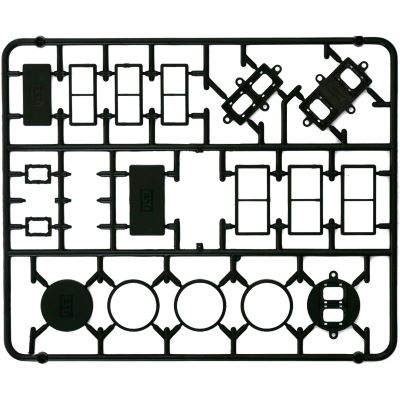
Sound quality starts with the installation
Why Is the Speaker So Important in a Sound-Equipped Locomotive?
The sound decoder stores and processes the sounds, but only the speaker converts the electrical signal into audible sound. Dimensions, diaphragm area, impedance, power handling and resonant volume determine whether a locomotive sounds clear and powerful or thin and distorted.
The largest speaker is not automatically the best solution. A small rectangular speaker in a well-sealed enclosure may sound more convincing than a larger speaker whose front and rear radiate openly into the same locomotive body. The complete system of sound decoder , speaker, resonant enclosure and installation position is decisive.
Open the vehicle and measure the space that is actually available before purchasing. Length and width are not the only relevant dimensions. Installation height, cable routes, mounting points, body supports, the flywheel and moving bogies must also be considered.
When the spare-parts diagram specifies a particular speaker mount, a vehicle-specific box is often the safest solution. For custom conversions, modular enclosures, sugar-cube speakers, round speakers and low-profile bass-reflex modules offer greater flexibility.





4, 6, 8 or more ohms
Which Speaker Impedance Suits the Sound Decoder?
Impedance is measured in ohms and describes the speaker's resistance to alternating current. The approved range for the specific decoder is always decisive.
Why Can an Impedance That Is Too Low Be Dangerous?
When the total impedance falls below the permitted minimum, the audio amplifier must deliver more current. This can cause severe heating, shutdowns, distortion or decoder failure. A higher impedance is often less critical, but it may reduce the maximum attainable volume.
The wattage printed on the speaker describes its power handling. It must not be confused with the decoder's audio output. Begin with a low volume and increase it only after a clean functional test.
Connecting Two Speakers Correctly
With series wiring, the impedances are added. Two 4-ohm speakers produce a total of 8 ohms. When two identical speakers are wired in parallel, the value is halved: two 8-ohm speakers produce a total of 4 ohms.
Parallel wiring often produces greater sound pressure, but it also places a higher load on the amplifier. Use it only when the decoder expressly supports the resulting total impedance.
Consider Product Generations
The Same Manufacturer Does Not Automatically Mean the Same Impedance
Older and current sound decoders from the same manufacturer may require different speakers. Product revisions are also possible. Do not rely only on existing wires, connector colours or the shape of the old speaker.
From sugar cube to bass reflex
Which Speaker Type Sounds Best Inside a Locomotive?
The ideal design uses the available space as fully as possible without interfering with the motor, gearbox, lighting or body installation.
Sugar-Cube Speakers
Small rectangular speakers with a variable enclosure. Particularly suitable for N, TT, H0e and compact H0 vehicles.
Rectangular Speakers
Make effective use of long, narrow spaces and often fit inside vehicle frames, roofs or long bonnets.
Round Speakers
Practical for existing circular mounts. Larger diaphragms can reproduce voices, whistles and deep running sounds powerfully.
Bass-Reflex Modules
Tuned units combining a speaker and passive resonator. Suitable when stronger low-frequency reproduction and sufficient space are available.
| Design | Strengths | Typical Installation Position | Important Consideration |
|---|---|---|---|
| Miniature Rectangular | Very small footprint | N, TT and narrow-gauge locomotives | Use the largest possible sealed enclosure |
| Low-Profile Rectangular | Efficient use of space | Roof, frame or long bonnet | Do not press the diaphragm against the body |
| Round Speaker | Large diaphragm area | Tender or prepared circular mount | Use a suitable enclosure or vehicle chamber |
| Bass Reflex | Powerful low-frequency reproduction | Large H0 tender, Gauge 0 or Gauge 1 | Do not obstruct the resonator or its openings |
| Vehicle-Specific Box | Precisely fitted installation | Manufacturer's prepared mount | Use only for the stated locomotive classes |
Small chamber, major effect
Why Does an Enclosure Improve Model Railway Sound?
The front and rear of a speaker diaphragm produce sound waves in opposite phases. When these waves meet without control, particularly the lower frequencies partially cancel each other. A sealed enclosure separates both sides and improves clarity, sound pressure and low-frequency reproduction.
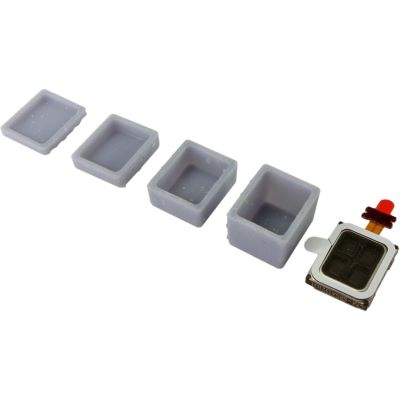
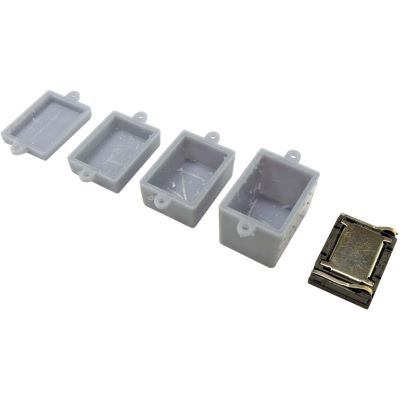
With modular enclosure sets, choose the largest chamber that fits within the available space. Even a few additional millimetres of height can produce noticeably more sound volume. The enclosure must, however, be completely sealed.
Cable openings should therefore be sealed carefully. Adhesive must not reach the diaphragm or its movement gap. A locomotive body may also serve as a resonant chamber when it is structurally sealed and acoustically suitable. An improvised open installation often produces a thin, rattling sound.
Compare the Sound Before Final Installation
Place the Body on the Vehicle Without Securing It First
Test the speaker and enclosure at low volume with the body in place but not yet screwed down. This reveals whether the body improves the sound, obstructs openings or produces unwanted resonances.
The correct size for each vehicle
Which Speakers Are Suitable for the Different Gauges?
The gauge provides only an initial guide. A small tank locomotive may offer less space than a long multiple unit of the same scale.
| Gauge | Typical Speakers | Classification | Practical Recommendation |
|---|---|---|---|
| Gauge Z | Extremely small rectangular speakers | Very Demanding | Measure the vehicle precisely and consider heat generation |
| Gauge N | 9 × 16, 10 × 12 or 11 × 15 mm | Miniature Range | Use a sugar-cube speaker with the largest possible enclosure |
| Gauge TT | 11 × 15 mm or a vehicle-specific box | Very Feasible | Check the roof, tank or prepared mounting position |
| H0e and H0m | Compact rectangular and sugar-cube solutions | Space Dependent | Plan the decoder and speaker together |
| Gauge H0 | Miniature, round, rectangular and bass-reflex designs | Largest Selection | Use the available space as fully as possible |
| Gauge 0 | Large rectangular and bass-reflex modules | Powerful Sound | Match the decoder output and resonant volume |
| Gauges 1 and G | 40 to 70 mm and large-scale speakers | Large Scale | Consider weather protection, power and enclosure volume |
Install and test safely
Installing a Model Railway Speaker Correctly
The vehicle and decoder must be completely disconnected from the power supply during all work. The instructions from the vehicle, decoder and speaker manufacturers remain binding.
Identify the Decoder
Record the manufacturer, generation and exact article number.
Check the Impedance
Use only an expressly approved overall impedance.
Measure the Space
Check the length, width, height and future cable routes.
Select the Design
Choose a miniature, round, rectangular or vehicle-specific box.
Adapt the Enclosure
Use the largest possible sealed resonant enclosure.
Solder the Connections
Work quickly at a moderate temperature without touching the diaphragm.
Secure the Wires
Keep wires away from the motor, flywheel and gearbox.
Keep the Sound Outlet Open
Leave grilles, floor slots and resonator openings unobstructed.
Start Quietly
Carry out the first test at a low overall volume.
Check for Distortion
Listen for rattling, scratching and unwanted resonances.
Test the Body
Place the body on the vehicle and check the sound and freedom of movement.
Adjust the Volume
Reduce the overall and individual sounds to a realistic level.
Sensitive Diaphragm
Never Hold the Speaker by Its Diaphragm
Pressure, solder, adhesive or metal filings may permanently damage the speaker. Because of the strong magnet, remove screws, tools and wire fragments from the working area before installation.
Selection by installation space and gauge
Suitable Model Railway Speakers from Compact to Large Scale
Compare the impedance, product revision and decoder approval on the respective product page and in the current manufacturer documentation. The classification by gauge is a practical guide and not a general installation approval.
Gauge N, TT and Compact Narrow-Gauge Vehicles
Miniature Speakers and Sugar-Cube Solutions
These products require particularly little floor space. With modular sets, the final installation height depends on the selected enclosure.
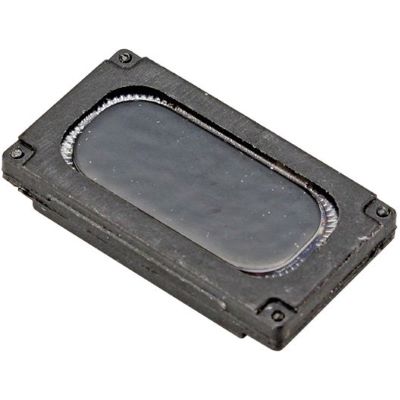
Very Low Profile
ESU 50342
Only 9 × 16 × 3 mm, designed for particularly shallow installation spaces.
View Product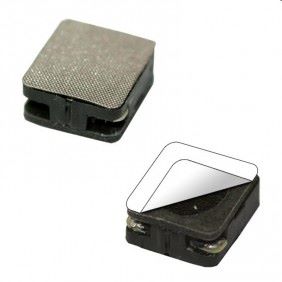
Resonant Enclosure
ZIMO LS10X15H11
Compact unit with a deeper enclosure for N, TT and small H0 locomotives.
View Product
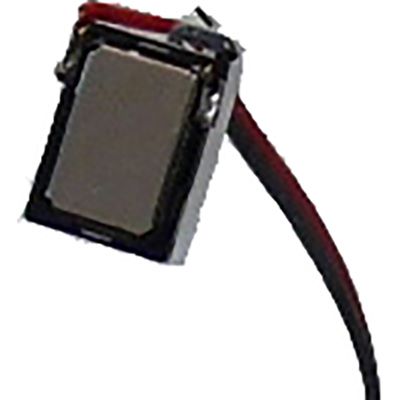
11 × 15 mm
ZIMO LS10X15
Low-profile complete solution with an integrated resonant enclosure.
View Product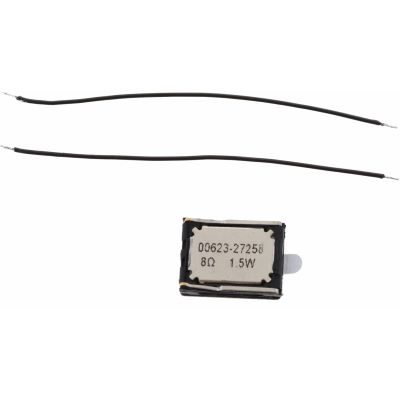
Vehicle-Specific Solutions for Gauge TT
Matching Tillig Speaker Boxes
Prefabricated boxes simplify installation but must match the stated locomotive class and decoder solution precisely.
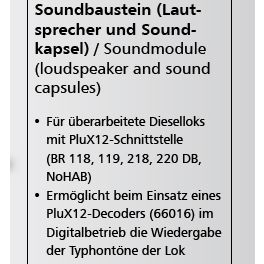
TT Diesel Locomotives
Tillig 66051
Sound box for suitable Tillig diesel locomotives and sound conversions.
View Product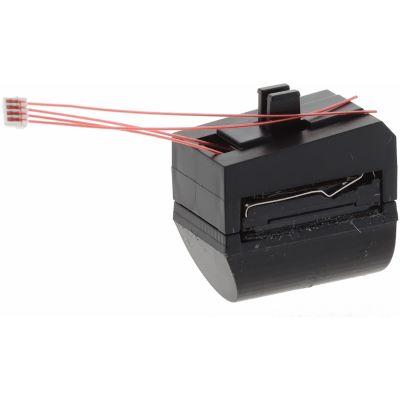
Classes 42 / 50 / 52
Tillig 66056
Vehicle-specific TT speaker box for selected steam locomotives.
View ProductGauge H0, H0e, H0m and Selected Gauge 0 Vehicles
Rectangular, Round and Bass-Reflex Speakers
H0 offers the widest selection. Use larger modules only when their impedance suits the decoder and the intended sound outlet remains completely unobstructed.
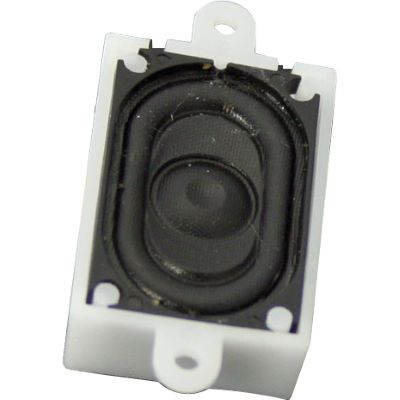

Bass Reflex
ESU 50348
Compact module with a passive radiator for stronger low-frequency reproduction.
View Product
Low Profile
ESU 50345
Only eight millimetres high and suitable for long, narrow installation spaces.
View Product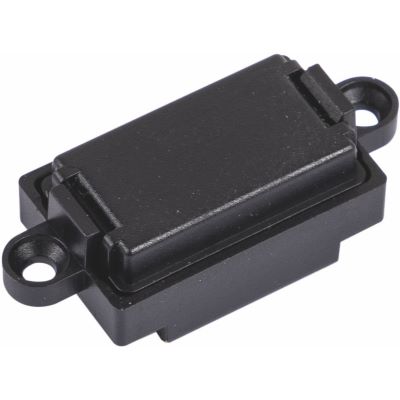

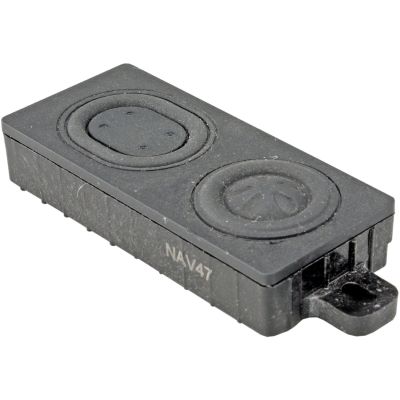
Large Tender
ESU 50344
Low-profile bass-reflex module for larger H0 and Gauge 0 vehicles.
View Product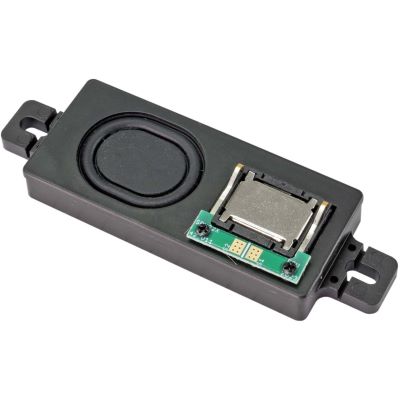
H0 / Gauge 0
ESU 50346
Large, low-profile unit for spacious tenders and locomotive bodies.
View Product
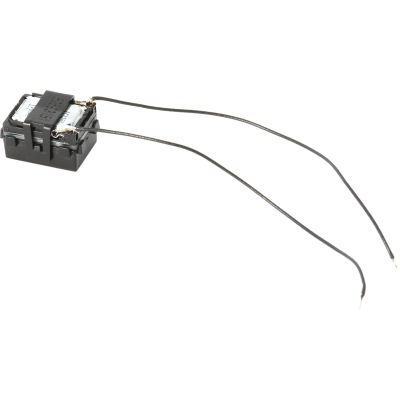
Speaker Set
Roco 10889
Compact set for suitable Roco models and custom sound conversions.
View Product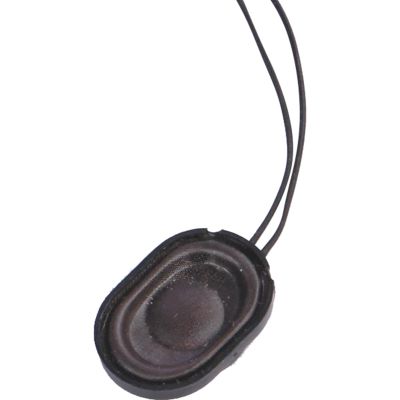
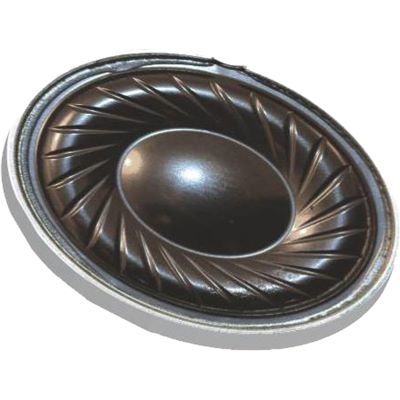


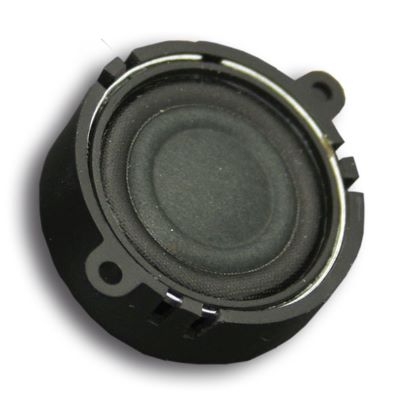
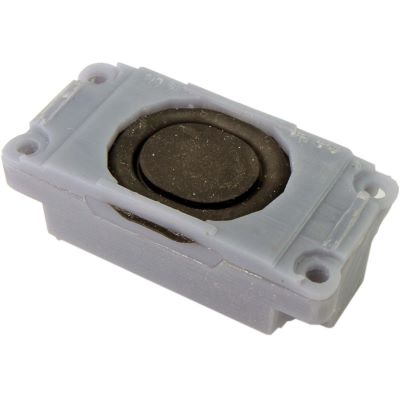
Special Module
ESU 50351
Powerful replacement module for suitable ScaleTrains diesel locomotives.
View ProductGauge 0, Gauge 1 and Garden Railways
Large Speakers for LokSound XL and Large-Scale Projects
Large diaphragms require a powerful sound decoder and secure mounting. Garden railway vehicles also require protection from moisture and robust cable routing.
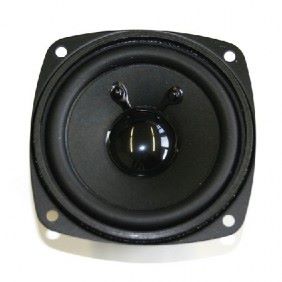
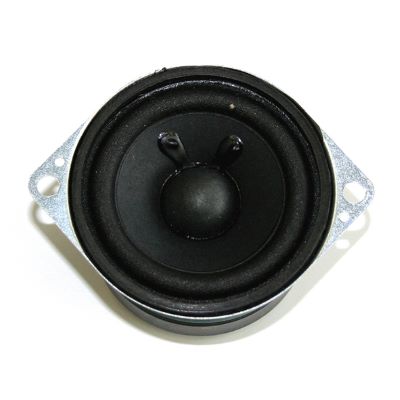
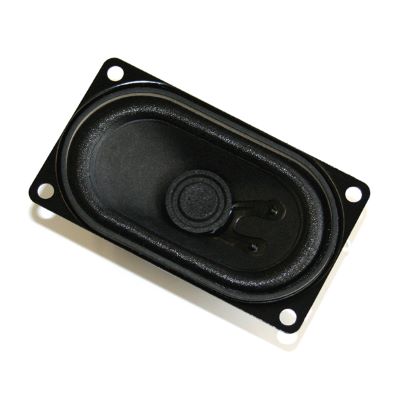

Large Scale
ESU 50324 Visaton
Large speaker solution for spacious Gauge 1 and garden railway models.
View Product
Answers before purchase and installation
Frequently Asked Questions about Model Railway Speakers
The current documentation from the decoder, vehicle and speaker manufacturers remains binding for final approval.
Which Speaker Fits My Sound Decoder?
First check the approved impedance range for the exact decoder model. Then compare the power rating, dimensions, design and enclosure with the vehicle.
Are 4 Ohms or 8 Ohms Fundamentally Better?
No. The correct value depends on the decoder's audio amplifier. An impedance that is too low may overload the decoder, while a higher impedance may reduce the maximum volume.
Can I Replace an Old 100-Ohm Speaker with a 4-Ohm Speaker?
Only when the decoder instructions expressly permit it. Some older sound-decoder generations require specific speakers and must not be converted without checking.
Why Can a Larger Speaker Sometimes Sound Worse?
A large speaker without a suitable resonant enclosure may sound thin or rattle. A smaller, well-sealed system often makes better use of the available space.
Can the Locomotive Body Serve as a Speaker Enclosure?
This is possible when the area is largely sealed and the front and rear of the diaphragm remain acoustically separated. Loose parts and large openings reduce the quality of the result.
How Is the Impedance of Two Speakers Calculated?
With series wiring, the impedances are added. Two identical parallel-connected speakers produce half the impedance of one speaker. The decoder must approve the resulting connection.
Does Polarity Matter When Two Speakers Are Used?
Yes. Both diaphragms should operate in phase. Otherwise, sound components may cancel each other and the reproduction loses strength, particularly at lower frequencies.
Which Speaker Enclosure Is Best?
The largest fully fitting and airtight enclosure normally produces the best result. It must not place stress on the body or obstruct moving vehicle components.
Where Should the Speaker Be Installed in the Locomotive?
A prepared mounting position with a clear sound outlet is ideal. Common locations include the tender, tank, roof, long bonnet or an area above the vehicle circuit board.
How Loud Should a Model Railway Sound Locomotive Be?
Begin well below the maximum volume. A realistically adjusted locomotive sounds more pleasant, produces less distortion and places less stress on the speaker and decoder amplifier.
Can a Speaker Be Operated Without an Enclosure?
Electrically this is often possible, but the acoustic result is normally considerably weaker. Small speakers in particular benefit greatly from a matched resonant enclosure.
Why Does the Locomotive Rattle After the Speaker Installation?
Wires, circuit boards, metal weights or the body may be vibrating. Also check the mounting, the enclosure seal and whether the volume is set too high.
Selection rule for reliable sound
Check the Decoder First, Then Order the Speaker
The safest sequence is to identify the decoder, read the manufacturer's instructions, measure the installation space and then select the appropriate speaker type. This prevents unsuitable purchases, overloads and unnecessary modifications to the vehicle.
A noticeable improvement in sound does not always result from a new speaker alone. A larger enclosure, a better-sealed resonant chamber, unobstructed sound outlets and a lower, carefully adjusted volume may be equally important.
Further information is available in the guides to Choosing a Sound Decoder , Understanding Digital Model Railways and Digitising Model Railways .
More Knowledge about Sound Decoders and Digital Model Railways
Discover further guides covering decoders, interfaces, speakers, digital protocols, vehicle conversions, gauges and layout planning.