Modellbahn Keks
Welcome!
Our cookies offer you a fast, relaxed and full-featured shopping experience. Some are necessary to operate the website and its functions. Others help us to improve our services. If you agree to this, simply consent to the use of cookies for preferences, statistics and marketing by clicking on "OK". Alternatively, you can deactivate individual cookies under "Customise cookies" or all cookies, except those required for the function of our website, under "Reject all".
``` Historic model railway with a steam locomotive and freight wagons representing Era II
Deutsche Reichsbahn and DRG

Era II Model Railway – DRG 1920–1950 | Modellbahnshop

Era II Model Railways

Era II combines the legacy of the German state railways with the Deutsche Reichsbahn, the first standard-design locomotives, classic express trains and varied freight operations. Discover typical vehicles, train formations, gauges and ideas for an authentic Reichsbahn layout.

```
```
The Reichsbahn period in model form

What Does Era II Mean in Model Railways?

Under the commonly used German NEM classification, Era II covers the period from 1920 to 1950. It begins with the consolidation of the former state railways under a common German national railway administration and ends with the reorganisation of the railway system after the Second World War. The period is particularly attractive to model railway enthusiasts because traditional state-railway vehicles and newly developed standard-design types operated alongside one another for many years.

The period is often referred to informally as the DRG or Reichsbahn period . DRG stands for Deutsche Reichsbahn-Gesellschaft and is especially associated with the years from 1924 onwards. Organisational forms, vehicle lettering and national emblems changed during the wider era. The precise operating condition represented by a model is therefore just as important as the general “Era II” classification.

The characteristic appearance includes black steam locomotives with red running gear, green or brown-green passenger coaches, brown freight wagons, semaphore signals and labour-intensive railway operations. Modern express railcars, powerful electric locomotives and standardised wagon designs were developed at the same time. This combination of tradition and technical modernisation makes it possible to recreate rural branch lines, large main-line stations, mountain routes and industrial freight facilities.

For a convincing model railway layout, the period, region, railway administration and operational purpose should be selected together. A Prussian-influenced branch line in 1922 requires different lettering and vehicles from an electrified main line in 1936 or provisional post-war operations in 1948.

```
```
From the state-railway legacy to the post-war transition

How Do Era IIa, IIb and IIc Differ?

Dividing Era II into three periods makes it easier to coordinate vehicles, lettering, road traffic and buildings accurately. Early and late operating conditions differ considerably.

Period IIa · 1920–1925

Transition from the State Railways

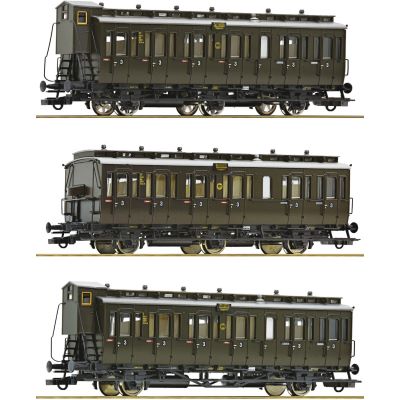
Prussian, Bavarian, Saxon, Württemberg and other state-railway vehicles continued to dominate everyday operations. Many locomotives carried transitional markings or were only gradually renumbered. Short compartment coaches, state-railway luggage vans and older freight-wagon designs are particularly suitable. Stations and railway facilities usually retained a strong regional character.

Period IIb · 1925–1937

The Classic DRG Period

New numbering systems and increasingly standardised lettering became established. The first standard-design steam locomotives supplemented the large fleet inherited from the state railways. Express railcars, electric locomotives and more modern passenger coaches represented technical progress. MITROPA dining and sleeping cars introduced distinctive red vehicles into prestigious express trains.

Period IIc · 1937–1950

Late Reichsbahn and Post-War Period

Vehicle lettering, signal aspects and operating procedures changed. Simplified designs, wartime modifications and numerous repaired vehicles appeared during the later years. After 1945, damaged infrastructure, different occupation zones and an inconsistent vehicle fleet shaped railway operations. The exact condition represented by a model is particularly important for this period.

Can the Whole of Era II Be Combined on One Layout?

This is possible for unrestricted collecting and operating. A strictly prototypical layout should, however, represent a narrower period or a specific year. A vehicle in its 1922 condition does not automatically suit a station or train formation from 1940.

```
```
From state-railway heritage to standard designs

Which Locomotives and Vehicles Suit Era II?

The selection ranges from small branch-line locomotives to powerful express and freight engines. The locomotive, rolling stock and represented year of operation should always be considered together.

Steam Locomotives

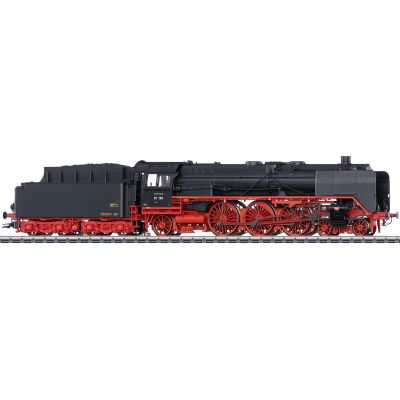
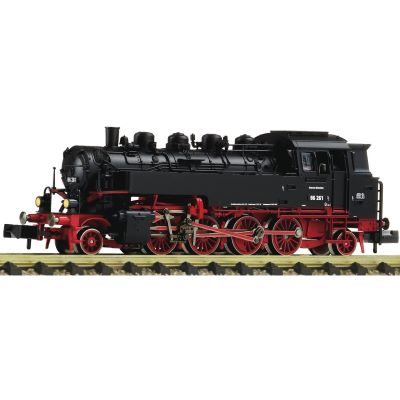
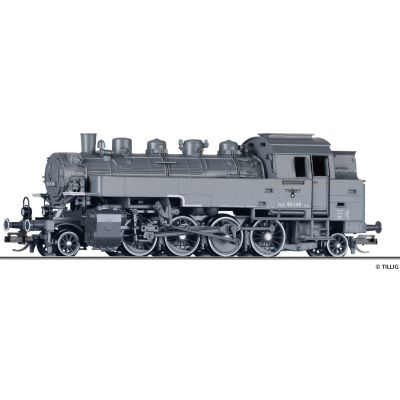
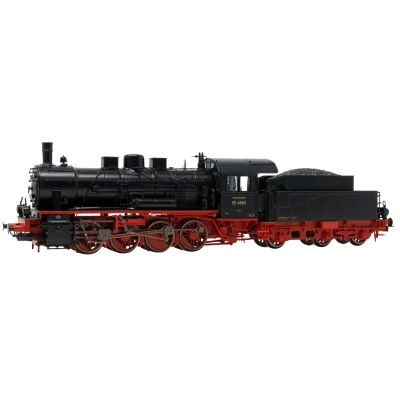
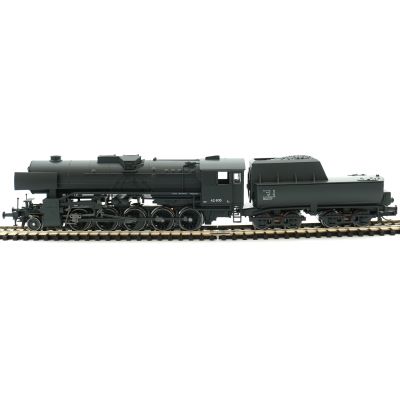
Steam locomotives dominated operations. Former state-railway classes such as the P 8, G 8.1 and T 12, together with Bavarian and Saxon designs, operated alongside standard classes including the 01, 02, 24, 44, 50, 62, 64 and 86. Tank locomotives are suitable for branch-line and shunting duties, while tender locomotives suit express and heavy freight trains.

Electric Locomotives

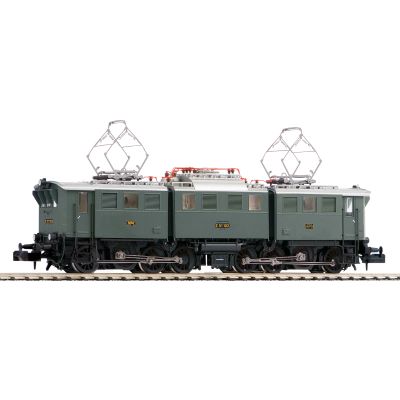
Suitable classes for electrified routes include the E 16, E 17, E 18 and E 44, as well as heavy freight locomotives such as the E 91. The overhead-line equipment and railway infrastructure should match the selected region. Bavaria, Central Germany and several mountain routes provide particularly suitable prototypes.

Railcars and Express Railcars

Railcars offered economical passenger services on routes with lower traffic levels. Express railcars represented modern long-distance travel during the 1930s. On a layout, they create an interesting contrast with steam locomotives, semaphore signals and traditional station architecture.

Passenger and Express Coaches

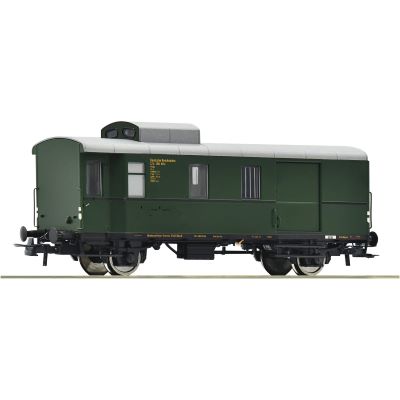
Prussian compartment coaches, state-railway vehicles, standardised coaches and four-axle express coaches allow a wide range of train formations. Luggage, mail, dining and sleeping cars complete the trains. Coach class, train length and level of comfort should suit the selected route and service.

Freight Wagons

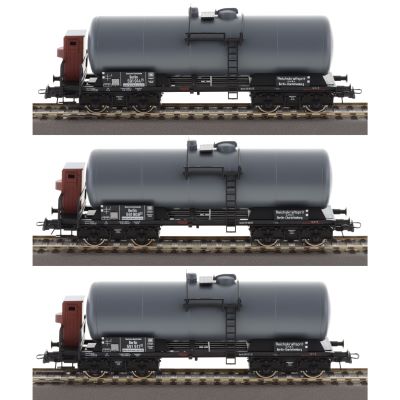
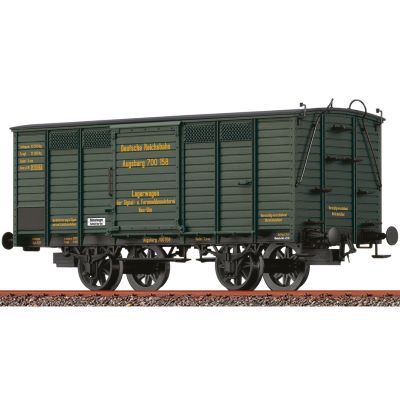
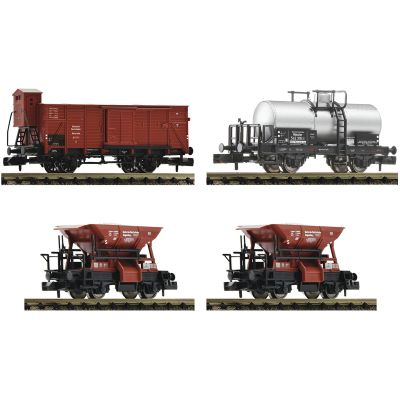
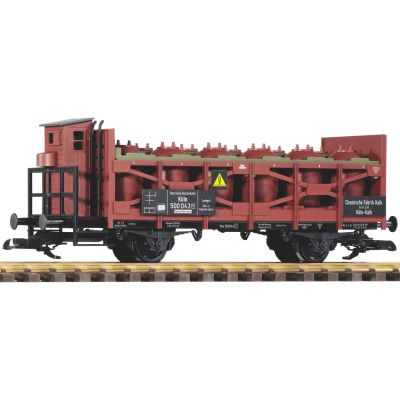
Covered wagons, open wagons, stake wagons, livestock wagons, refrigerated wagons, tank wagons and brake vans characterised freight traffic . Many businesses were served by individual wagons. Era II therefore provides numerous opportunities for realistic shunting, local goods and industrial operations.

Narrow-Gauge Vehicles

Saxon and other narrow-gauge railways were incorporated into the Reichsbahn. Small steam locomotives, short passenger coaches, transporter wagons and covered freight wagons suit rural stations, factory sidings and mountain routes. H0e, H0m, 0e and larger scales make it possible to create compact layouts with intensive operation.

```
```
Combining locomotives and rolling stock convincingly

Which Train Formations Are Suitable for Era II?

A convincing train formation depends on the type of route, operational purpose and available space. Even short trains can provide highly authentic operation.

01

Main-Line Express Train

A Class 01 or a suitable former state-railway express locomotive hauls four-axle express coaches. A luggage van, dining car or sleeping car can be added to longer formations. Three to five coaches are sufficient for smaller layouts, provided the platforms and curve radii are suitable.

86

Branch-Line Passenger Train

A tank locomotive such as a Class 64 or 86 operates with two to four short passenger coaches and a luggage van. This combination requires relatively little space and allows frequent train crossings, shunting movements and service at small stations.

G

Mixed Freight Train

A freight locomotive such as a Class 44, 50 or an inherited state-railway design hauls covered wagons, open wagons, tank wagons and refrigerated wagons. A freight brake van completes the formation. Different loads create a varied main-line or branch-line freight train.

L

Local Goods and Pick-Up Freight Train

A smaller locomotive brings five to eight wagons to a local goods yard. The goods shed, loading road, coal merchant, livestock ramp and factory siding are then served. This type of train provides especially varied operation on a compact model railway layout.

```
```
From Z gauge to large garden railways

In Which Gauges Are Era II Models Available?

H0 offers the largest selection. Era II vehicles, buildings and accessories are also available in TT, N, Z, narrow-gauge and large-scale formats.

Gauge Scale Era II strengths Suitable layout themes
Z gauge 1:220 Long routes and trains in a very small space Main lines, scenic layouts and display dioramas
N gauge 1:160 Wide selection of DRG locomotives and rolling stock, including long train formations Express trains, freight trains and multi-track main lines
TT gauge 1:120 Good balance between space requirements and visible detail DRG main lines, branch lines and medium-sized stations
H0 gauge 1:87 Largest selection of locomotives, rolling stock, buildings and accessories Branch lines, engine depots, stations and industrial railways
H0e and H0m 1:87 Compact narrow-gauge vehicles and tight curve radii Saxon narrow gauge, factory railways and mountain routes
0 and 0e gauge approximately 1:45 Large, highly detailed models and intensive shunting operation Branch-line termini, narrow gauge and modular layouts
Gauge 1 1:32 Impressive large models with a high level of detail Main lines, collections and spacious modules
IIm / G gauge usually 1:22.5 Robust large-scale vehicles for indoor and outdoor operation Narrow gauge, industry and garden railways
Gauge II 1:22.5 Very large standard-gauge models with maximum visual impact Individual dioramas, modules and premium collections

Which Gauge Is Suitable for a Small Era II Layout?

N and TT allow longer trains to operate in a limited space. H0 offers the largest product selection and can also be used for compact layouts with short branch-line trains. H0e and 0e are ideal when tight radii, short vehicles and intensive shunting operation are desired.

```
```
Landscape, buildings and railway operation

How Do You Design an Era II Model Railway Layout?

A convincing layout requires more than suitable locomotives. Buildings, signals, road vehicles, advertising and scenery must also match the selected period.

Station and Freight Facilities

A state-railway station building, goods shed, loading road, livestock ramp and signal box form a varied operational centre. An industrial siding or coal merchant creates additional shunting tasks.

Engine Depot

Steam locomotives require a water crane, coaling facility, ash pit, inspection pit and engine shed. Larger layouts can also include a turntable, roundhouse and sanding facility.

Signals and Overhead Lines

Semaphore signals characterised many routes. Colour-light signals are only suitable for appropriate prototypes and periods. Overhead-line equipment should match the selected electrified route and the electric locomotives being operated.

Town and Village

Late nineteenth-century buildings, timber framing, small shops, factories, farms and paved roads are suitable. Modern façades, plastic windows, satellite dishes and present-day road signs should be avoided.

Road Vehicles

Bicycles, motorcycles, horse-drawn vehicles, early motor cars, buses and lorries bring the scene to life. Motor traffic should be considerably lighter on a layout set in the early 1920s than on one representing the late 1930s.

Colours and Weathering

Soot, coal dust, oil marks and matt surfaces are characteristic of steam operation. Vehicles do not have to be completely dirty, however. Different levels of maintenance create a more convincing overall appearance than uniformly heavy weathering.

Step 1

Select a Year

Choose a specific year or a narrow period within IIa, IIb or IIc wherever possible.

Step 2

Define the Region

Prussia, Bavaria, Saxony or an electrified mountain route require different vehicles and buildings.

Step 3

Plan the Operation

Express traffic, branch-line operation, industry or narrow gauge determine the track plan, train length and shunting possibilities.

Step 4

Coordinate the Details

Lettering, signals, road vehicles, advertising and figures should match the selected period.

```
```
Brands for different gauges

Which Manufacturers Offer Era II Models?

Numerous manufacturers offer Reichsbahn and DRG models, ranging from digitally equipped express locomotives to freight wagons, narrow-gauge vehicles and suitable buildings.

H0 includes a particularly wide selection from Märklin, Roco, PIKO, BRAWA, Rivarossi and other brands. Tillig is an important supplier for TT and also offers H0 and narrow-gauge products. Fleischmann provides a large range for N gauge, while Technomodell adds distinctive H0e vehicles.

In addition to gauge and era, check the power system, digital interface, minimum radius, coupling and wheelset system. Era II rolling stock can often be combined across different manufacturers when the gauge and technical design are compatible. H0 locomotives require particular attention because two-rail and centre-stud systems are not directly interchangeable.

```
```
Locomotives and rolling stock for H0, TT, N, H0e and G

Suitable Era II Models at Modellbahnshop

This selection combines express, branch-line and freight operation with vehicles in different scales. Each product card links directly to the corresponding English product page.

```
```
Frequently asked questions

Questions and Answers About Era II

Key answers about the historical period, the DRG, vehicles, gauges, train formations and period-appropriate layout design.

When Did Era II Begin and End?

Under the German NEM classification, Era II covers the period from 1920 to 1950. Some product catalogues use a different final year. The exact operating condition represented by a model is therefore more important than the era number alone.

What Does DRG Mean in Model Railways?

DRG stands for Deutsche Reichsbahn-Gesellschaft. In model railway terminology, the abbreviation mainly identifies vehicles from the classic middle part of Era II and distinguishes them from the later Deutsche Reichsbahn of East Germany.

Which Locomotives Are Typical of Era II?

Typical examples include former state-railway locomotives such as the P 8, G 8.1 and T 12, together with standard classes such as the 01, 02, 24, 44, 50, 62, 64 and 86. Electric routes can feature classes including the E 16, E 18, E 44 and E 91.

Which Gauge Offers the Largest Era II Selection?

H0 offers the largest range of locomotives, rolling stock, buildings, signals and accessories. N and TT allow longer trains in less space, while H0e is particularly suitable for historic narrow-gauge railways.

Can State-Railway Vehicles Be Used in Era II?

Yes. Many state-railway vehicles remained in service and were taken over by the Reichsbahn. The running number, lettering, colour scheme and renumbering condition should match the selected year.

Which Vehicles Suit a DRG Steam Locomotive?

Depending on the service, suitable vehicles include compartment coaches, former state-railway coaches, express coaches, luggage and mail vans or a mixed freight-wagon fleet. A branch-line locomotive requires a different formation from a large Class 01 express locomotive.

Which Train Formation Suits a Small Layout?

A tank locomotive with two to four short passenger coaches or a local goods train with five to eight freight wagons is especially suitable. Platforms, storage sidings and curve radii can therefore remain compact.

Can an Era II Layout Be Operated Digitally?

Yes. The historical appearance is independent of the control system. Decoders, sound, switchable lighting, feedback modules and digitally controlled turnouts can be installed unobtrusively.

Which Buildings Suit the Reichsbahn Period?

Suitable structures include former state-railway station buildings, goods sheds, signal boxes, engine sheds, water cranes, coaling facilities, late nineteenth-century houses, factories, sawmills and agricultural buildings.

Can Era II and Era III Be Combined?

A transitional scene representing the immediate post-war period is possible. Lettering, repaired vehicle conditions and regional details must be considered. An arbitrary combination with later DB or East German DR vehicles will not look consistent.

Which Road Vehicles Suit Era II?

Bicycles, motorcycles, horse-drawn vehicles, early motor cars, buses and lorries are suitable. Motor traffic should be considerably lighter in a scene set during the early 1920s than in one representing the late 1930s.

Which Era II Theme Offers Plenty of Shunting?

A small goods yard with a loading road, goods shed, coal merchant, livestock ramp and factory siding offers numerous tasks. Covered, open and specialised freight wagons can be delivered, collected and rearranged.

```
```

More Planning Guidance in the Model Railway Guide

Discover additional information about gauges, layout planning, vehicles, digital control, railway companies, train formations and scenery design.

Open the Main Guide
```