System Core
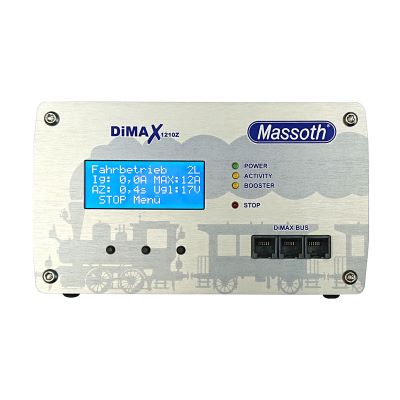
DiMAX 1210Z
The command station, booster, programming output, USB interface and system bus are combined in one robust base unit.

Massoth combines high track currents with wireless operation, robust garden railway modules and specialised vehicle electronics. Discover how to combine the DiMAX command station, Navigator, wireless receiver, feedback, switching decoders and Powercaps correctly.
DiMAX is Massoth’s modular digital system. The command station generates DCC driving and switching commands, supplies the track and connects Navigators, wireless receivers, feedback modules and other components through the Massoth bus. The technology is particularly suited to garden railways with long routes, several locomotives and high current consumption.
Depending on the power supply used, the DiMAX 1210Z provides up to 12 amps. The track voltage and maximum current level can be adjusted. This is important because a twin-motor locomotive with sound, lighting and a smoke generator requires considerably more energy than a small railcar. The maximum available output should therefore never be selected automatically.
Trains are operated using the DiMAX Navigator. The ergonomic handheld controller has a display, illuminated rotary knob, function buttons and emergency stop. It can be used through a bus cable or wirelessly with the appropriate radio equipment. This allows the operator to follow the train through the garden and remain close to the action during shunting.
The system follows the DCC principle and additionally supports typical functions of older LGB MTS systems. Some existing components can be integrated through suitable interfaces or bus converters. The specific device generation, firmware and bus protocol are decisive.
Massoth does not only manufacture command stations. Its range also includes feedback modules, switching decoders, turnout mechanisms, function modules, energy-storage units and workshop devices. A garden railway can therefore be expanded gradually from simple manual operation to a monitored multiple-train layout.
The command station, booster, programming output, USB interface and system bus are combined in one robust base unit.
Locomotives, functions and turnouts are controlled using the rotary knob, display and directly accessible buttons.
Up to four wireless users can be connected. The internal antenna simplifies installation at the operating position.
Two separate 6 A districts or one combined 12 A output expand extensive garden railway layouts.
Contacts report trains, turnout positions and other events to the command station and computer control.
Function decoders and energy-storage modules improve lighting, special functions and the operating reliability of vehicles.
| Component | Purpose | Output or Connection | Typical Application |
|---|---|---|---|
| DiMAX 1210Z | DCC command station and integrated amplifier | Up to 12 A, 14–22 V and programming track | Central control of the complete garden railway |
| DiMAX 1202B | Additional power districts | 2 × 6 A or 1 × 12 A | Separate the station, main line and staging area |
| Navigator 2.4 GHz | Locomotive and accessory operation | Wireless or bus cable | Mobile operation along the route |
| Wireless Receiver | Connects wireless Navigators to the system | Up to four users | Operation by several users or family members |
| PC Module III | Programming, updates and diagnostics | USB, SUSI and service functions | Workshop and system maintenance |
A sufficiently heavy main cable and numerous track feeds reduce voltage drop along long garden railway routes.
On large layouts, the station, main line and storage area should have their own booster and short-circuit districts.
Walls, metal surfaces, terrain and vegetation affect the range. Test the position before completing the permanent installation.
The command station, power supply and open modules belong in dry, ventilated areas. Only components specifically designed for outdoor use should remain outside.
Detection points for shuttle routes, block operation and automatic turnout control should be planned during track construction.
Multi-motor locomotives, sound, lighting and smoke generators determine the required total output more reliably than the number of trains.
This is the principal application of the system. High current reserves, wireless operation, outdoor turnout mechanisms and robust vehicle modules are particularly suitable for LGB, PIKO and comparable garden railways.
DiMAX 1210Z, Navigator, wireless receiver and separate power districts.
Large models benefit from the adjustable track voltage and high output. The decoder, power supply and maximum current level must suit the individual locomotive.
1210Z with an adapted voltage, heavy wiring and Powercaps.
The command station can technically be operated at a reduced voltage. However, its minimum 4 A cut-off level is high for very small vehicles and requires particular protective measures.
Use only after careful current and safety planning.
Add the consumption of motors, sound, lighting, smoke generators and accessories.
The voltage and output must suit the command station and layout.
The two outputs must not be connected electrically.
Test wired operation and then register the wireless receiver and transmitter.
Check the address, speed steps, functions and current consumption.
Test and document turnouts, feedback and automation individually.
The highest level is only suitable for appropriately designed wiring and track sections.
Long tracks and rail joiners can otherwise cause considerable voltage losses.
A clear, raised position improves the wireless connection in the garden.
Electronics not specifically designed for outdoor use require a dry enclosure.
The connection, charging circuit and programming must suit the decoder.
Check the bus protocol, converter, firmware and available functions first.
The selection is organised by application. Stock information is deliberately not displayed on the product cards.
The system core and mobile control for small and large garden railways.
Powerful system core with a programming track and USB.
View Product →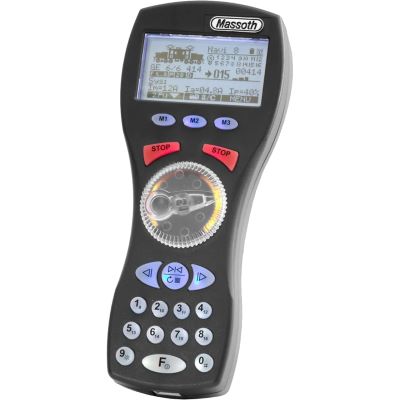
Ergonomic locomotive and turnout control with 2.4 GHz wireless operation.
View Product →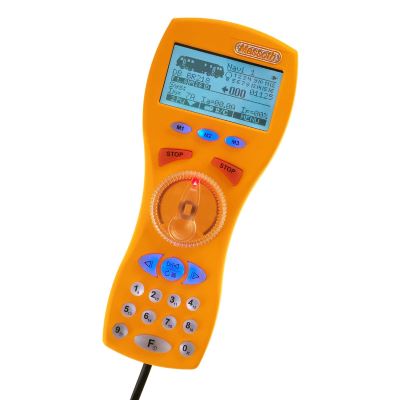
Highly visible Navigator for wired operation or later wireless conversion.
View Product →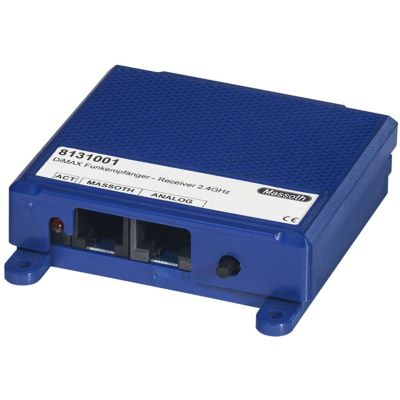
Connects several Navigators wirelessly to the digital system.
View Product →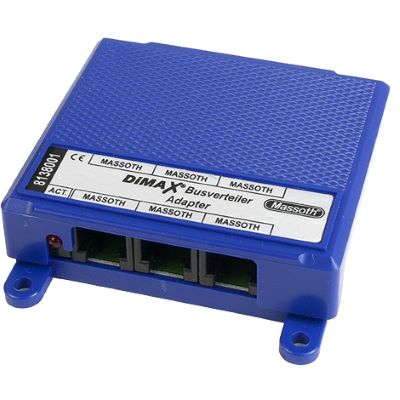
Provides additional connections for Navigators and bus modules.
View Product →Modules for turnouts, feedback contacts, lighting and automatic operating sequences.
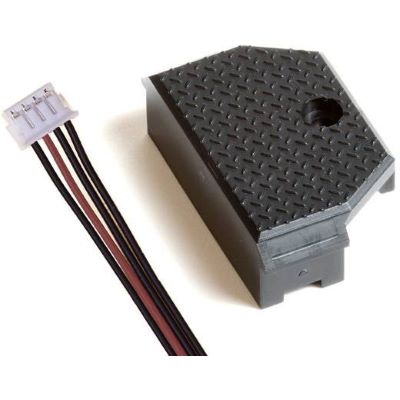
Compact decoder for one turnout or an individual switching task.
View Product →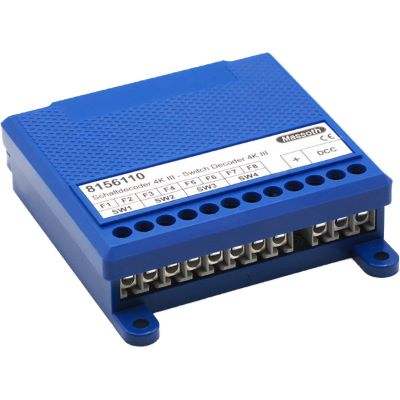
Controls several turnouts, signals or lighting functions.
View Product →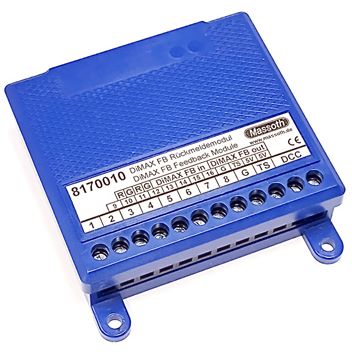
Detects contacts for train reporting, turnout status and automation.
View Product →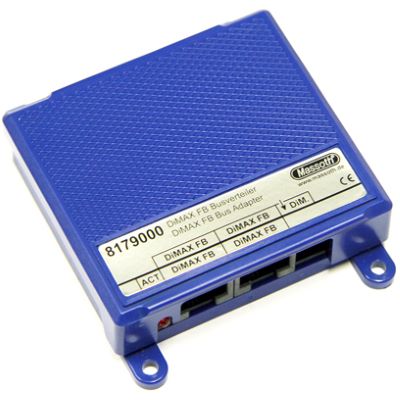
Distributes the shielded feedback bus to several modules.
View Product →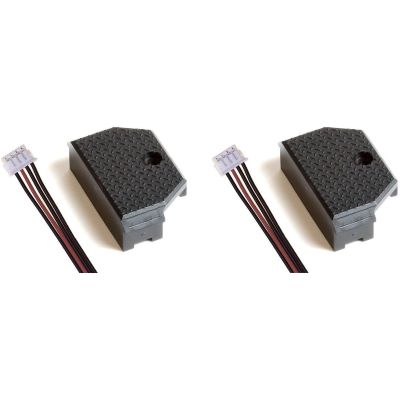
Two contacts for shuttle operation, block control and automatic turnouts.
View Product →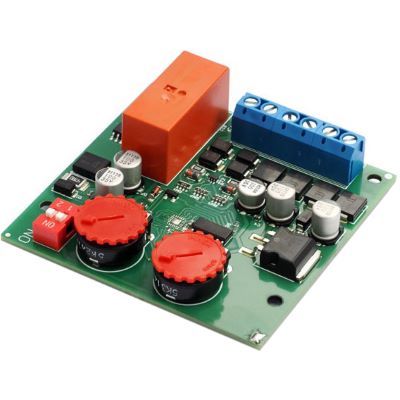
Controls independent operation between two terminal points.
View Product →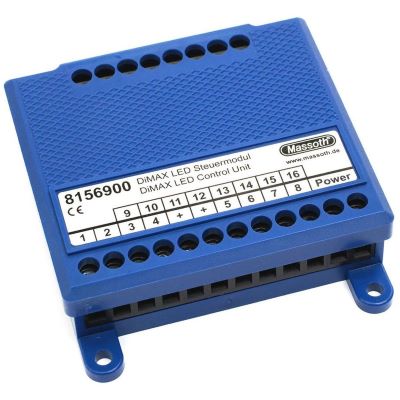
Integrates controllable LED lighting into the garden railway.
View Product →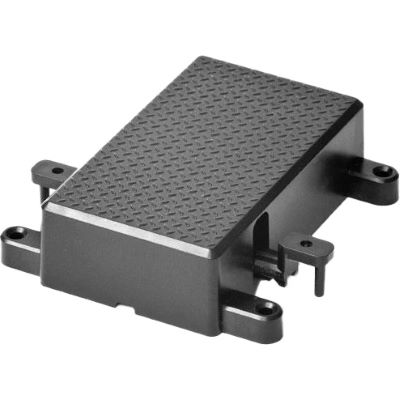
Slow-moving turnout mechanism with an integrated digital decoder.
View Product →Function decoders, energy-storage modules and tools for reliable large-scale vehicles.
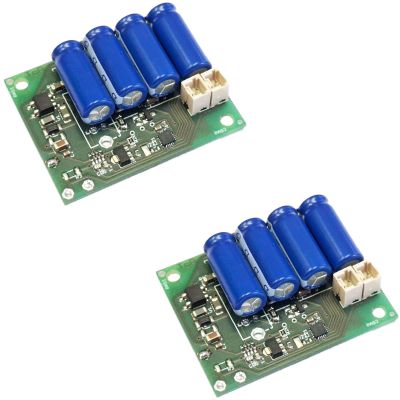
Two decoders for lighting and other vehicle functions.
View Product →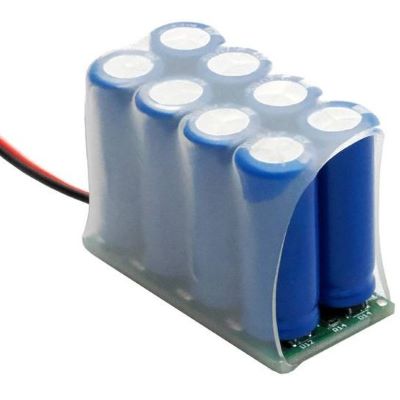
Bridges short contact problems in high-power vehicles.
View Product →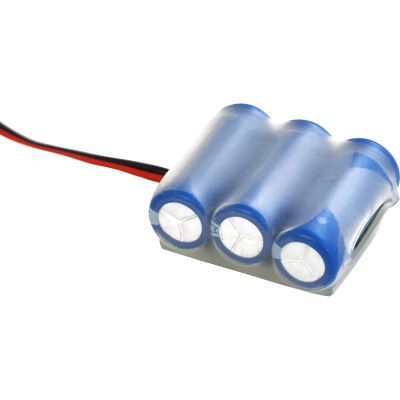
Stabilises single-motor vehicles on dirty track sections.
View Product →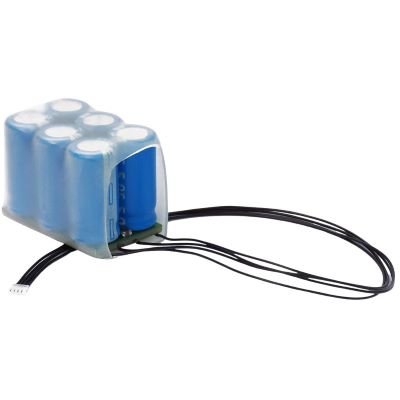
Special buffer for compatible factory-installed LGB decoders.
View Product →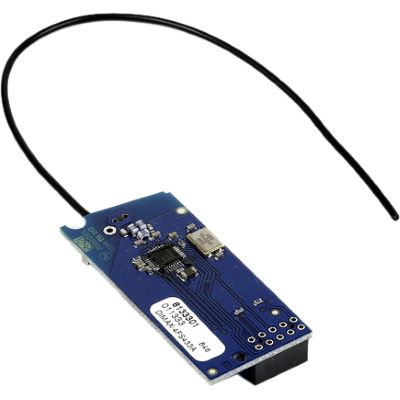
Compact buffer for smaller locomotives and third-party decoders.
View Product →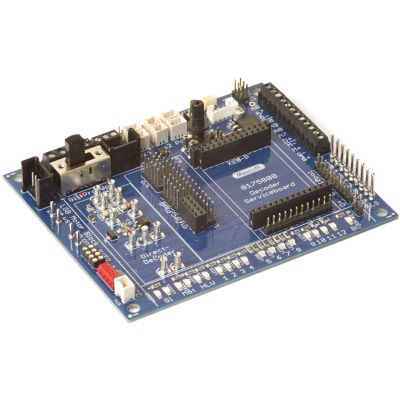
Tests connections and functions before installation in the locomotive.
View Product →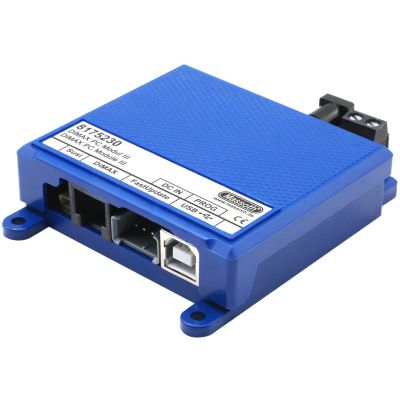
Connects decoders and DiMAX components to a Windows PC.
View Product →Robust insulating joiners create permanently isolated track sections.
The basic equipment consists of a DiMAX 1210Z, a suitable power supply, a Navigator and DCC-compatible vehicle decoders. A transmitter and wireless receiver are additionally required for wireless operation.
The command station and handheld controller are normally offered as separate components. Check the specific product-page package contents before ordering.
The current 2.4 GHz wireless receiver supports up to four wireless users. Additional wired devices can be connected through the system bus.
The track voltage can be reduced. However, the minimum current level of four amps is high for very small vehicles, so additional protection and current-limiting measures may be necessary.
A booster becomes useful when the total current consumption increases or the layout should be divided into several independent short-circuit districts.
Certain MTS components can be integrated through suitable bus protocols or converters. Check the device generation and firmware before connecting them.
Track or switching contacts are connected to a DiMAX FB module. The module reports changes of state to the command station, automation system or computer control.
It provides decoder programming, firmware updates, diagnostics, data backups and other service functions through the Massoth Service Tool.
The energy-storage module bridges short power interruptions caused by dirty track, turnout frogs or contact problems. Its connection and output must suit the decoder.
The mechanism was designed for outdoor use and has an integrated decoder. Connections and cable joints must nevertheless be professionally protected against moisture.
Further guides cover digital command stations, decoders, wiring, feedback, track construction and layout design.