Sand Desert and Dunes
Fine sand, gentle waves and pronounced dune ridges dominate this landscape. Small wind ripples should always follow a consistent prevailing wind direction.


Dunes, sandy plains, rocky plateaus, dry riverbeds and isolated shrubs: a convincing model desert relies on varied structures rather than a single uniform layer of sand.
Designing a desert landscape on a model railway does not mean covering the entire layout with fine sand. Natural dry regions can consist of sandy areas, gravel plains, rocky plateaus, scree, exposed stone and dry drainage channels. This variety creates depth and prevents the surface from looking artificial and uniform.
A desert landscape looks particularly convincing when the terrain is shaped and colour-prepared before the visible materials are applied. Ochre, beige, sandy brown, off-white, reddish brown and occasional darker earth tones provide a strong base. Sand, stones, scree, rock structures and sparse vegetation are added afterwards. Even small gaps in the scatter material then remain visually integrated into the landscape.
Desert scenery also offers plenty of railway possibilities. A single-track railway can disappear between rock faces, a branch line can follow a dry riverbed, or an industrial railway can serve a quarry or mine. American, Australian, African and Mediterranean themes can all be represented convincingly using this approach.
Not every desert looks the same. Choosing a specific landscape type before construction makes it much easier to select suitable colours, grain sizes, terrain forms and vegetation.
Fine sand, gentle waves and pronounced dune ridges dominate this landscape. Small wind ripples should always follow a consistent prevailing wind direction.
A calm earth-coloured base is covered with numerous small stones and varying grain sizes. This type of scenery is particularly effective beside long stretches of railway track.
Sandstone, layered rock, steep slopes and broken edges dominate. Rock filler, textured components and scree create particularly three-dimensional scenes.
A shallow channel containing gravel, rounded stones and deposited material visibly suggests temporarily flowing water even though the scene itself is represented in dry conditions.
Sandy soil alternates with beige grass tufts, low shrubs and open areas of stone. This mixture is particularly easy to integrate into an existing layout.
Tip: Choosing a clearly defined landscape type does not mean using only one material. Good desert scenery combines fine ground, coarser grains, rocks and a few plants within one coherent colour palette.
XPS rigid foam, hard foam, open-frame construction, mesh, plaster and modelling compounds are suitable for larger forms. Dunes look more natural when their crests do not run parallel to the edge of the layout.
Texture paste and coloured filler prevent bright gaps from showing. Fine and medium sand can then be applied irregularly and fixed securely with a suitable scenery adhesive.
Sandstone-coloured rock filler and rock pieces create cliffs and cuttings. Fine and medium scree at their base forms a believable transition into the surrounding plain.
Beige wild grass, brown tufts and isolated hardy shrubs are usually enough. Plants look particularly convincing in depressions, at the foot of rocks and along dry channels.
Sand, pigments, modelling compounds and many scatter materials can be used across several scales. The decisive factor is the visible grain size: the smaller the scale, the finer individual stones and plants should appear.
| Gauge / Scale | Suitable Texture | Special Consideration |
|---|---|---|
| Z · 1:220 | Very fine sand, the finest pigments and extremely restrained scree | Use larger individual stones only very selectively. |
| N / Nm · approx. 1:160 | Fine sand, fine scree and low vegetation | Ideal for long railway lines crossing open desert scenery. |
| TT · 1:120 | Fine to medium material, small rock pieces and grass tufts | A very good compromise between landscape width and visible detail. |
| H0, H0e, H0m, H0f · 1:87 | Large selection of sand, scree, rocks and vegetation | H0f is also ideal for mining, field and industrial railway scenes. |
| 0 / 0e · approx. 1:45 | Several grain sizes and clearly visible individual stones | Surfaces need especially strong micro-texture. |
| 1 · 1:32 | Coarse scree, three-dimensional rocks and individual prominent plants | Mixed materials look more realistic than pure sand surfaces. |
| G / II · approx. 1:22.5 | Natural stones, coarse rock textures and robust landscaping | For outdoor layouts, use only weather-resistant materials. |
First decide whether you want to create a sand desert, canyon, stone desert or semi-desert. Mark the railway route, rock edges, paths and dry channels. The line should run naturally through the terrain rather than looking as though it was added later to a flat baseboard.
Create differences in height using lightweight construction materials. Dunes should have a gentler windward side and a more pronounced leeward slope. Canyon walls benefit from horizontal layers and small projections.
Work with related ochre, beige and brown shades. Avoid using one single orange or yellow colour. Darker washes in recesses and lighter exposed edges give rocks greater depth even before scatter material is added.
Fine sand creates calm surfaces while medium grains break up the texture. Wind ripples can be formed carefully with a brush. Fix the material afterwards using an appropriate scenery adhesive.
Broken material accumulates below steep rock faces, while dry channels contain stones of different sizes. Random individual stones look more natural than regular rows. The detailed Model Railway Rock Guide provides additional help for larger formations.
Ballast can differ in colour from the desert ground but should blend softly at the edges. Two lightly defined wheel tracks with an untreated centre strip usually look more convincing on simple dirt roads than a perfectly smooth road surface.
Concentrate vegetation in sheltered areas. Brown and beige fibres can be mixed with only a few green accents. This keeps the landscape dry in appearance without making it completely lifeless.
Finally, use dry pigments to soften harsh colour transitions. Afterwards, clean railheads, turnout blades and all vehicle paths thoroughly before resuming railway operation.
A varied desert landscape combines several product groups. The following links lead directly to the corresponding current English Modellbahnshop ranges.
Fine sand, natural sand, gravel, scree and additional grain sizes for ground surfaces, channels and paths.
Sandstone rock filler, modelling compounds and texture pastes for canyons, terrain surfaces and exposed rock faces.
Beige, golden-yellow and brown vegetation for semi-deserts, wadis and dry embankments.
Beige and earth-coloured grain sizes for railway routes, scree fields and stony plains.
Sandstone, natural-stone and masonry textures for cuttings, walls and dry structures.
Fine base texture for dunes, sandy areas, paths and dry channels.
View Product →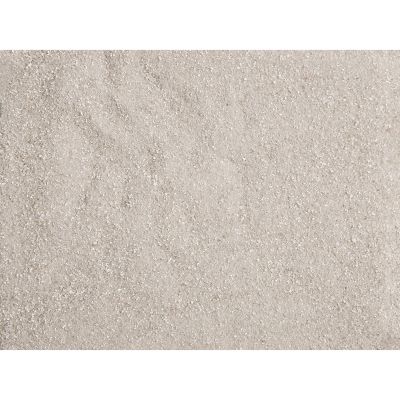
A slightly coarser grain for varied ground surfaces and transitions.
View Product →
Fine natural material for larger surfaces and gentle terrain transitions.
View Product →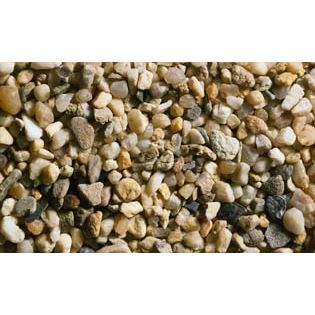
Warm stone colouring for rocky slopes, canyon bases and dry riverbeds.
View Product →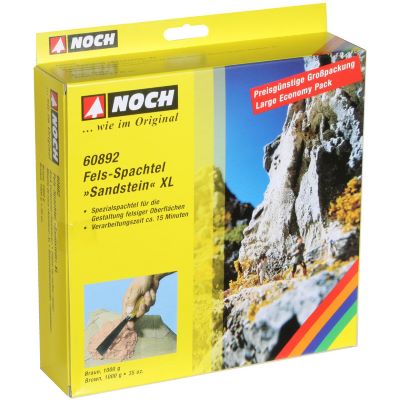
Coloured structural material for extensive rock faces and canyons.
View Product →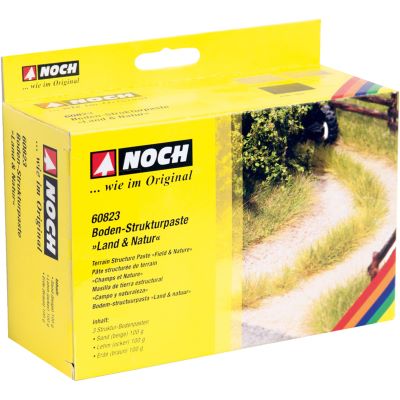
Sand, clay and earth tones for a textured terrain base before additional scenery materials are applied.
View Product →
Individual dry vegetation patches for semi-deserts, channels and the base of rock formations.
View Product →
Longer beige fibres for isolated groups of dry grass in larger model scales.
View Product →The finder loads suitable products directly from the corresponding English Modellbahnshop categories. You can then filter by search term, gauge, manufacturer, project and product group. Product cards deliberately do not display availability information.
Current products will be loaded from the online shop when this section approaches the viewport …
Scenery materials can be combined across manufacturers. These brands are especially interesting for sand, rocks, structural materials, vegetation and building boards.





The manufacturer overview brings together scenery specialists and brands for buildings, figures, vehicles, paints, tools and other model railway layout products.
These answers cover material selection, colouring, scale and the realistic construction of dry landscapes.
Fine modelling sand is suitable for large calm areas and dunes. For a natural appearance, combine it with medium sand, gravel or very fine scree. Particularly fine grain sizes are important in Z and N gauges.
First model the basic form using lightweight construction material and paint it in earth colours. Then apply a thin layer of sand. Several dunes should follow one logical prevailing wind direction instead of looking like identical hills.
No. Gravel surfaces, exposed stone, scree and dry channels are important for a believable appearance. In real dry regions, extensive pure sand dunes are only one of several possible landscape forms.
Beige, ochre, sandy brown, reddish brown, muted grey and individual darker earth tones work well together. Recesses can be darker and exposed rock edges lighter. Several thin colour layers usually look more natural than one opaque uniform colour.
For a neutral dry scene, beige wild grasses, brown grass tufts and a few low shrubs are often sufficient. When modelling a specific region, additional appropriate plants and figures can be added. Sparse distribution remains important.
Many sand, colour and modelling products are universal. The visible grain size must nevertheless suit the scale. Fine sand works almost everywhere, while coarse stones, long fibres and large rock pieces should be used more selectively in smaller scales.
Model a shallow, irregular channel and use several different grain sizes. Finer deposits can lie in the centre, with larger stones around bends and obstacles. A few plants in more sheltered areas strengthen the effect.
The most important methods are colour variation, different grain sizes, believable terrain forms and irregular transitions. Sand should never be spread at exactly the same thickness around every building, rock and track edge.
Content updated on . The product information and the processing and safety instructions supplied by the respective manufacturer remain authoritative.
Further guidance on scenery, layout construction, gauges, digital technology, rolling stock and design can be found in the central Modellbahnshop guide.