Modellbahn Keks
Welcome!
Our cookies offer you a fast, relaxed and full-featured shopping experience. Some are necessary to operate the website and its functions. Others help us to improve our services. If you agree to this, simply consent to the use of cookies for preferences, statistics and marketing by clicking on "OK". Alternatively, you can deactivate individual cookies under "Customise cookies" or all cookies, except those required for the function of our website, under "Reject all".
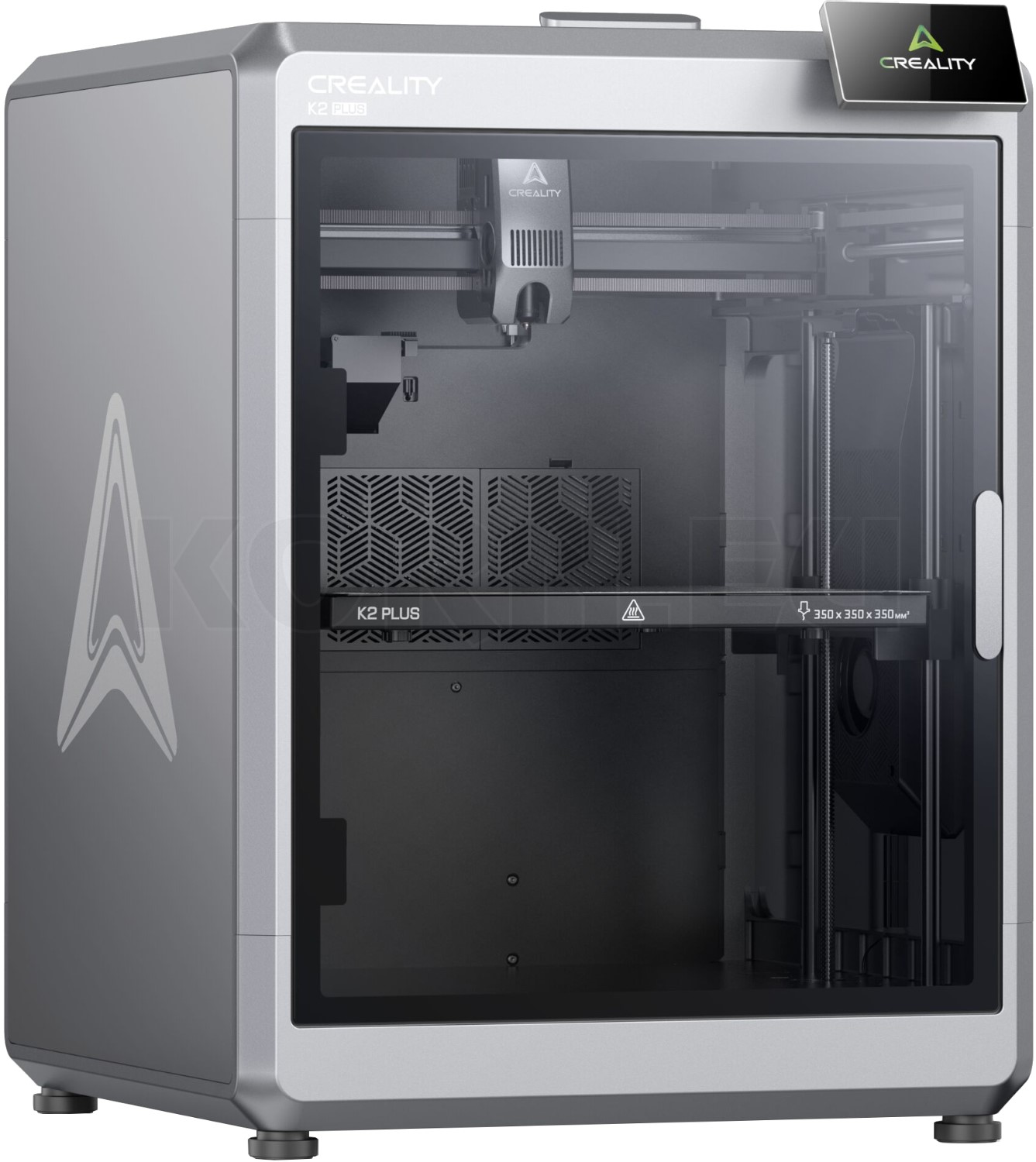
Creality K2 Plus 3D Printer
Plan your workshop · Reduce risks

A Safe 3D Printing Workspace for Modellers

A suitable room, effective ventilation and clear working procedures are part of 3D printing. For FDM, plan for hot components and emissions; for resin, also allow for liquid resin, cleaning and post-curing.

Consider the entire workflow

A safe 3D printing workspace for modellers

A safe 3D printing workspace involves more than a clear tabletop. Modellers also need to consider material storage, part removal, sanding and subsequent cleaning. The specific printer, materials used and room conditions are crucial. A cover or a barely noticeable smell is not sufficient evidence of safety.

This guide helps you plan your hobby workshop or model railway room. The operating instructions, safety data sheets and actual conditions of use remain decisive. For use in the workplace, a risk assessment by a competent person is also required. This advice does not certify any particular room or setup as safe.

What your workspace needs to accommodate
Area FDM with filament Resin printing with liquid resin
During printing Account for the hot nozzle, heated bed, moving parts, particles and gaseous emissions. Avoid skin contact, splashes, exposure to emissions and access to the light source.
Post-processing Allow cooling, remove supports and minimise sanding dust. Plan a protected wet-work area for washing, drying and post-curing as required by the material.
Storage Keep filament dry; use dryers according to the dryer and material instructions. Keep resin and cleaners labelled, tightly closed and protected against unauthorised access.
Waste Collect print waste and check local disposal arrangements. Collect liquid resin, contaminated cleaners and wash water separately; do not pour them down the drain.

Choose the location and work surfaces carefully

Prefer a workroom that can be separated from other spaces and has suitable ventilation. Bedrooms, kitchens and regularly occupied desks are poor starting points for routine printing. Keep children and pets away from operating printers and chemicals. A basement is only suitable if airflow, temperature, humidity and the electrical installation are appropriate too.

Place the printer on a stable, level surface. Observe the manufacturer's required clearances, the print bed's range of movement and the space needed to open the cover. Spools, material feeds and cables must not become trapped or obstruct walkways.

Provide work surfaces for part removal and cleaning instead of performing these tasks over the printer. A well-lit, durable, easy-to-clean surface makes inspection easier. For resin, a suitable spill tray helps contain small drips within the work area. It does not replace a proper cleaning procedure.

Control emissions at the source

Distinguish room ventilation, extraction and filtration

FDM printing can produce ultrafine particles and volatile organic compounds. PLA is not emission-free either. Composition, colour, processing temperature and the printer all influence emissions. For resin printing, consider open resin containers and cleaning operations as well as the printing process itself.

Room ventilation replaces contaminated air. Properly designed extraction captures emissions as close to their source as possible. A ventilated enclosure can provide a suitable solution. A closed printer housing without verified airflow does not automatically perform this function.

HEPA and activated carbon perform different tasks

HEPA filters are designed for particles. Gases and vapours require suitable gas filters or adsorption media. Activated carbon can capture certain substances but has limited capacity. A small odour filter therefore does not provide a blanket assurance of sufficiently clean breathing air.

Check the documented suitability of the complete system, airflow capacity, airtightness and filter replacement requirements. Include opening the enclosure and post-processing in your planning. Direct exhaust air so it is not drawn back in and does not expose other people. Structural alterations and exhaust air containing solvents benefit from specialist planning.

No universal window-opening or ventilation-time rule

“Open the window” or a fixed ventilation time does not in itself describe a reliably effective control measure. Room size, air exchange, printer and materials must be considered together. Smell and basic indoor air sensors alone cannot confirm safety either. If effectiveness remains unclear, resolve this before regular operation.

Prepare the power supply, heat precautions and fire protection

Check the power cable, plug and visible components before starting. Take damaged equipment out of service and have it assessed by a qualified person. Use the connections and power supplies specified by the manufacturer. Do not connect power strips in series; their permitted load must accommodate the printer, dryer and other equipment.

Keep paper, packaging, textiles and flammable liquids away from hot components. Leave ventilation openings clear. The nozzle and heated bed may remain hot after printing. Allow the specified cooling time before removing parts or carrying out maintenance.

Do not bypass protective covers, interlocks or temperature monitoring. Avoid long unattended print runs; plan jobs so someone can notice unusual behaviour and respond safely. A camera does not replace the manufacturer's safety requirements or suitable supervision.

A suitable smoke alarm supplements fire protection. Keep the means of switching off the equipment and the escape route accessible. If there is smoke or fire, get yourself and others to safety and call the fire brigade on 112. Disconnect the power only if you can do so without putting yourself at risk.

Choose protective equipment for the material and task

Liquid resin and unwashed printed parts must not contact unprotected skin. Resins can cause irritation and sensitisation. “Water-washable”, “low-odour” or “plant-based” does not remove the need for protective measures. Check the safety data sheet for the specific product.

Gloves, eye protection and work clothing

Use suitable chemical-resistant gloves. Nitrile is often recommended, but the material, thickness and replacement interval must suit the resin and cleaner. The glove manufacturer's chemical-resistance data is decisive. Replace damaged or contaminated gloves promptly and do not touch door handles or keyboards while wearing them.

Suitable eye protection guards against splashes during pouring and cleaning; close-fitting goggles are appropriate where splashing is possible. Clothing that covers the skin and closed shoes reduce exposed areas. Remove contaminated work clothing and prevent resin from being carried into living spaces.

An FFP2 mask does not protect against solvent vapours

Particle filters and gas filters are not interchangeable. Whether respiratory protection is required, and which type is suitable, depends on the hazardous substance, task and effective engineering controls. Seek specialist advice on selection if unsure. An arbitrary mask cannot turn an unsuitable room into a suitable resin workspace.

From printing to the finished model

Establish a consistent resin post-processing routine

For H0 figures, TT detailing parts or N scale bodies, the sequence remains the same: remove, clean according to the material instructions, dry and post-cure where specified. Times and temperatures depend on the resin and equipment used. Do not transfer settings to other products without checking.

1

Prepare for part removal

Have a drip-catching surface, tools and a suitable wash container ready. Wear the required protective equipment and keep the route between printer and cleaning area clear.

Check before opening

Check the containers, available space and ventilation operating status.

Identify the material clearly

Keep the resin name and corresponding processing instructions to hand.

Label the job for traceability

A brief note beside the parts prevents different resins from being mixed up.

2

Clean in a suitable container

Use only approved cleaning agents and observe fill limits. Keep containers closed between processing steps. Remove supports at the stage recommended for the material, allowing for splashes and flying fragments.

3

Plan drying and post-curing

Allow cleaning liquid to dry off sufficiently before post-curing, following the manufacturer's instructions. Operate UV equipment with intact covers and the intended interlocks; do not look directly into unshielded light sources.

4

Finish work in the area

Check the result and clean any surfaces touched. Collect contaminated wipes and liquids in suitable containers. Place models on the clean assembly surface only after cleaning and completing all post-processing.

Hollow models must allow liquids to drain from every internal cavity. Trapped resin remains a problem even if the outside appears solid. Include drain holes and access in the design from the outset.

Store resin, cleaners and filament systematically

Store resin away from light as specified by the manufacturer, in a suitable, clearly labelled container. Keep lids and outer surfaces clean. Never use drinks bottles for resin, cleaners or waste. Store supplies so they cannot tip over and are protected against unauthorised access.

Isopropyl alcohol, or IPA, is highly flammable. Keep it away from ignition sources, sparks and hot surfaces. Set out only the quantity needed for the task and close wash containers and supply bottles after use. A wash-and-cure station does not remove these requirements.

Alternative cleaners also require checks of their safety data sheet, material compatibility and approval for the equipment. Do not heat flammable cleaning liquids in improvised equipment. Storage conditions for larger quantities or commercial use need specialist assessment.

PLA, PETG and other filaments should be stored dry and organised. A filament dryer must suit the material, spool and temperature. Position it with the required clearance and according to its instructions too; a dry box does not automatically replace active drying of damp filament.

Plan post-processing and waste handling from the outset

Small pieces can fly off when cutting and removing supports. Use suitable tools, control the direction of force and wear appropriate eye protection. Capture sanding dust as close to its source as possible; do not disperse it around the room with compressed air. Wet finishing can help with some materials, but also produces residues that must be collected.

Use only suitable dust extraction equipment. Liquid resin and flammable cleaning agents must not be drawn into an ordinary household vacuum cleaner. Clean the work surface after each job so deposits are not stirred up again during the next project.

Water-washable resin still needs waste collection

“Water-washable” does not mean the wash water can go into the sink, toilet or garden. Collect it like other resin-contaminated liquids. Even after settling, filtering or exposure to sunlight, the remaining water is not automatically suitable for discharge into the sewer.

Provide suitable, labelled collection containers for liquid resin, contaminated IPA, filters and contaminated supplies. Check disposal arrangements with your local waste advisory service or a waste disposal company, and keep the safety data sheets available. Do not mix different wastes unless specifically instructed.

Local acceptance rules apply to fully cured resin waste and ordinary FDM print waste. A blanket instruction to “put everything in general waste” is therefore inappropriate. Do not deliberately evaporate solvents or improvise the curing of large quantities of resin in a container: this can create additional hazards.

Two checklists before you start

Go through the appropriate checklist before a new setup and again after changes. Resolve outstanding points before printing begins. These lists help organise your work and do not replace an assessment of the specific protective measures.

FDM: check the printer and its surroundings

  • The installation surface, movement space and access routes are clear.
  • Cables, plugs and the printer show no damage.
  • The material profile and permitted temperatures are correct.
  • Ventilation or extraction is working as intended.
  • Flammable materials are kept away from hot areas.
  • Supervision, shutdown and cooling have been planned.

Resin: fully prepare the wet-work area

  • The safety data sheet and processing instructions are available.
  • Suitable gloves and eye protection are ready.
  • Ventilation covers both printing and cleaning with open containers.
  • Containers, the spill-catching surface and lids are intact.
  • UV covers and interlocks work correctly.
  • Waste handling, hand cleaning and the response to splashes are clear.

Respond correctly to spills or contact

Stop work and keep other people away. If resin contacts the skin, remove contaminated clothing and wash the skin thoroughly with soap and water; do not use IPA to clean skin. If resin enters the eyes, rinse immediately with plenty of water and seek medical help as directed by the safety data sheet. Do not continue working if symptoms occur.

Clean up small spills only with suitable protective equipment and according to the manufacturer's instructions. For larger quantities, strong vapours or liquid inside the printer, keep your distance and seek specialist help. Emergency information and product names must be readily accessible at the workstation without searching.

Gauge changes organisation, not the protective measures

The same basic principles apply to Z, N, TT, H0, OO, S, Gauge 0, Gauge 1 and garden railways. Small parts need secure storage areas; larger assemblies need more space for removal. Narrow-gauge variants do not change this. Plan quantities and working time to suit the project instead of assuming a small model means low risk.

Explore manufacturers and system accessories

Compare compatible equipment and materials in each manufacturer's range.

Equipment and materials for your workshop

Find printing equipment and accessories

Search by product, material, colour or item number. Combine process, category and manufacturer filters. The list loads current products from the linked categories. Check equipment compatibility and material properties on the product page. Ventilation, protective equipment and waste collection must also be planned to suit the workspace.

The product list is being prepared. You can open the categories directly.

View all 3D tools

Frequently asked questions about the printing workshop

Can a 3D printer be kept in a bedroom?

For regular use, a separate work area with suitable ventilation is the more appropriate choice. You also cannot reliably notice unusual behaviour while asleep.

Is odourless PLA automatically safe?

No. PLA can also release particles and gaseous substances. Assess the material, printing conditions and ventilation together; smell is not a reliable measuring instrument.

Is an activated carbon filter inside the printer enough?

This cannot be assured without evidence for the printer, filter and conditions of use. Check particle capture, airflow, maintenance and tasks performed outside the enclosure too.

Does a wash-and-cure station replace protective equipment?

No. Contact with resin or wash liquid remains possible during loading, unloading, pouring and cleaning. The equipment instructions and safety data sheet still apply.

What if no suitable room is available?

Plan a suitable environment first or use an appropriate printing service. The comparison buy a printer or use a printing service helps with this decision.

Further background information: NIOSH guide to safe 3D printing, BG ETEM on safety and health (German), Formlabs on handling resin, disposal of resin and cleaning agents and Purdue University on printer safety.

Plan the workspace first, then start the project

Combine the 3D printing knowledge hub with the ten starter projects for your layout.

Explore the model railway guide