Modellbahn Keks
Welcome!
Our cookies offer you a fast, relaxed and full-featured shopping experience. Some are necessary to operate the website and its functions. Others help us to improve our services. If you agree to this, simply consent to the use of cookies for preferences, statistics and marketing by clicking on "OK". Alternatively, you can deactivate individual cookies under "Customise cookies" or all cookies, except those required for the function of our website, under "Reject all".
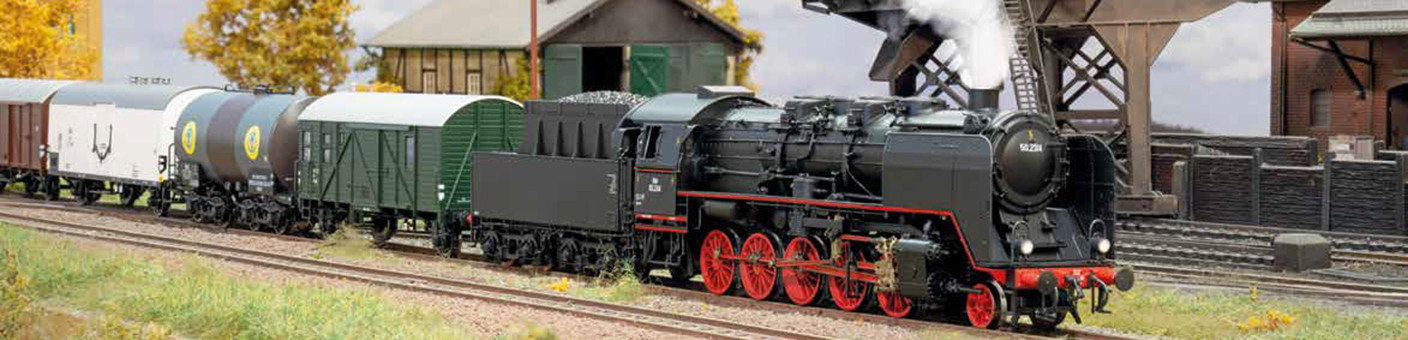
Model railway locomotive and rolling stock prepared for wheel cleaning and maintenance
Clean wheels for reliable current pickup

Cleaning Model Railway Wheels

Dirt, oil residue and abrasion on locomotive and wagon wheels can reduce reliable current pickup and spread contamination across the entire layout. Learn how to clean wheel treads manually, use wheel-cleaning brushes and systems correctly and protect traction tyres and sensitive vehicle components.

Clean wheels for reliable contact

Why Do Model Railway Wheels Need Regular Cleaning?

The wheel treads of a model railway vehicle form an important part of the electrical connection between vehicle and track. During operation, dust, abrasion, oil residue and other contamination can collect on the metallic running surfaces. Over time, a dark deposit may build up and reduce reliable current transmission.

This becomes particularly noticeable on digitally operated locomotives. Brief interruptions can cause jerky running, stopping at low speed or interruptions to lighting and sound. Before assuming that the decoder, motor or electronics are defective, it is therefore worth inspecting the wheel treads and track first.

Wagon wheels should not be ignored either. Although an unlit wagon may not use its wheels for current pickup, dirty wheelsets can distribute contamination over the entire layout. Clean rolling stock and clean track therefore belong together.

Wheel cleaning can be carried out manually or with specialised locomotive-wheel brushes and wheel-cleaning systems. The correct method depends on gauge, wheel material, drivetrain, electrical system and whether traction tyres are fitted.

Material-friendly cleaning is important. Aggressive solvents, unsuitable abrasives and excessive mechanical pressure can damage wheel surfaces, coatings or traction tyres. Always observe the instructions for the specific cleaning product and vehicle.

Narrow down the fault first

Is the Running Problem Really Caused by Dirty Wheels?

Wheel cleaning is one of the first useful checks when current pickup becomes unreliable. If the problem remains afterwards, continue troubleshooting systematically.

Observation Possible Cause First Action
Locomotive jerks at low speed Dirty wheels or track Clean the wheel treads and the affected track section
Lights flicker Interrupted current pickup Check wheels, wheel pickups and other electrical contact points
Locomotive wheels spin under load Oily or worn traction tyres Carefully remove oil residue and inspect the traction tyres
Only one vehicle has problems Vehicle-side dirt or contact problem Inspect the wheels and current collectors on that vehicle
Many vehicles jerk at the same location Dirty track or electrical feed problem Clean the track and check the electrical supply to that section

Always Treat Wheels and Track as One System

Clean locomotive wheels quickly become dirty again on heavily contaminated rails. Conversely, dirty wheels transfer deposits back onto freshly cleaned track. If contamination repeatedly returns, maintain vehicle wheels and track together.

From manual care to powered cleaning systems

Which Method Is Suitable for Cleaning Model Railway Wheels?

The best method depends on the number of vehicles, the size of the wheels and the level of contamination.

1

Manual Cleaning

For Individual Vehicles

Manual cleaning is suitable for individual locomotives, coaches and specific contaminated areas. Use lint-free material and a cleaner explicitly suitable for model railway vehicles.

Apply liquids sparingly so that they cannot run into the motor, gearbox, bearings or electronics.

2

Locomotive Wheel Cleaning Brush

Especially Useful for Small Gauges

Fine brush systems make it easier to reach small locomotive wheels. The Minitrix 66623, for example, is intended for Minitrix vehicles and Märklin Mini-Club Z-gauge locomotive wheels.

3

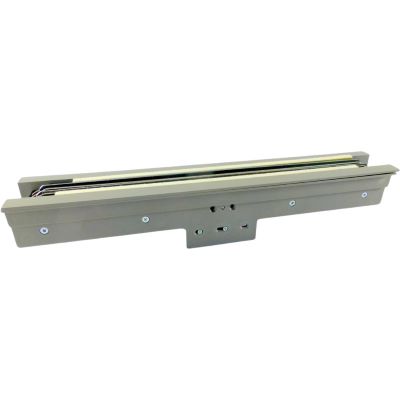
Table-Top Wheel Cleaning System

For Regular Workshop Maintenance

Table-top units allow driven and non-driven wheels to be cleaned systematically without installing the cleaning device permanently in the layout.

This is particularly useful for larger vehicle fleets.

4

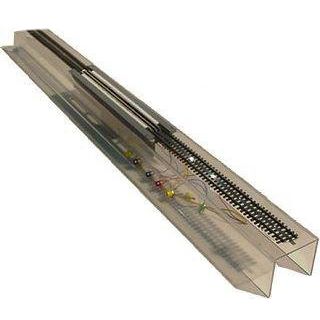
Built-In Wheel Cleaning System

For Larger Layouts

Built-in systems can be integrated into a maintenance or service track. Depending on the model, both driven and non-driven vehicle wheels can be cleaned while rolling across moving polishing surfaces.

Step by step

How to Clean Model Railway Wheels Safely and Thoroughly

Start with the gentlest method and increase cleaning intensity only when necessary. Always distinguish metallic wheel treads from traction tyres and sensitive contact components.

1

Inspect the Contamination

Before Cleaning
Distinguish wheel tread, flange and traction tyre

Examine the underside of the vehicle in good light. Dark, irregular deposits on metallic running surfaces are typical areas requiring cleaning.

At the same time, check whether traction tyres are missing, cracked or twisted.

2

Support the Vehicle Safely

Remove the locomotive or wagon from the track and place it on a soft locomotive cradle or padded surface.

Do not place pressure on delicate roof equipment or pantographs. Rotate wheels by hand only where this is possible without force.

3

Start with the Gentlest Method

Remove light contamination dry or with suitable lint-free cleaning material first.

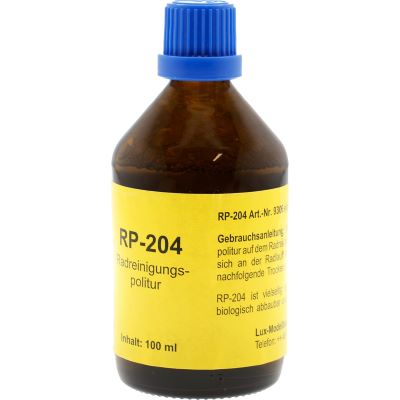
Use a dedicated model railway wheel-cleaning product only when more persistent deposits remain.

4

Clean the Entire Wheel Circumference

Do not clean only the area currently visible. The entire running surface should be clean.

A suitable wheel-cleaning system has the advantage that powered wheels can rotate evenly during cleaning.

5

Treat Traction Tyres Separately

Do not use unsuitable abrasive materials on traction tyres. Carefully remove oil residue and then check that the tyre sits completely and without twisting inside its wheel groove.

Damaged traction tyres should be replaced rather than subjected to increasingly aggressive cleaning.

6

Inspect Wagon Wheels as Well

Non-driven wheelsets also carry contamination around the layout. On a larger rolling-stock fleet, a wheel-cleaning system is particularly practical because wagon wheels can roll across the cleaning surface.

7

Do Not Forget Wheel Contacts

If the wheel treads are clean but the problem remains, wheel pickups or contact plates may be dirty or incorrectly positioned.

Inspect delicate contact strips only according to the vehicle instructions and avoid unnecessary bending.

8

Perform a Test Run

Run the vehicle slowly on a clean section of track. Low-speed operation is particularly useful for checking whether current pickup has become stable again.

Afterwards, test turnouts and any sections where problems previously occurred.

Match the cleaning method to the vehicle size

Wheel Cleaning for H0, TT, N, Z and Narrow Gauge

The smaller the gauge, the more delicate the wheels and current contacts. Frequently operated vehicles therefore benefit from a cleaning method suited to their size and construction.

Gauge Suitable Cleaning Methods Related Guide
Z Fine brush systems and particularly careful manual cleaning. The Minitrix 66623 is also intended for Märklin Mini-Club. Z Gauge
N Locomotive-wheel brushes plus N-gauge wheel-cleaning systems as table-top or built-in units. N Gauge
TT / TTe Manual care or dedicated TT wheel-cleaning systems for locomotives and wagons. TT Gauge
H0 AC / DC Broad range of wheel-cleaning systems; suitable devices can support both AC and DC vehicles. H0 Gauge
H0e Narrow wheel-cleaning systems for 9-mm track and compact narrow-gauge running gear. H0e Gauge
H0m Dedicated systems for metre-gauge vehicles on 12-mm model track. H0m Gauge
0 / 1 / G Larger wheels can often be cleaned individually with good access. Always observe vehicle and material instructions. Check the exact vehicle and material instructions
Current wheel-cleaning products

Wheel Cleaning Brushes, Polish and Cleaning Systems

The following products lead directly to current English Modellbahnshop product pages. Check gauge, cleaning method and manufacturer instructions before use.

More Than Wheel Cleaning

The complete cleaning category also includes polishing rods, felt strips, cleaning wagons, track vacuum wagons, cleaning blocks and replacement materials for regular model railway maintenance.

All Cleaning Products
Maintenance products by brand

Manufacturers for Vehicle and Wheel Cleaning

LUX Modellbau offers a particularly broad range of specialised wheel-cleaning systems. Minitrix provides a compact cleaning brush solution for small gauges.

Gentle rather than aggressive

Common Mistakes When Cleaning Model Railway Wheels

Effective cleaning does not require excessive pressure, large quantities of liquid or aggressive abrasive materials.

1

Using Abrasive Material Too Aggressively

Coarse abrasive materials can unnecessarily attack wheel surfaces. Begin with a gentle method and use abrasive cleaning materials only for their intended application.

2

Using Abrasives on Traction Tyres

Traction tyres are elastic wear parts. With specialised cleaning systems, check which cleaning material is suitable for vehicles fitted with traction tyres.

3

Using Too Much Cleaning Fluid

Cleaning fluid must not run uncontrollably into motors, gearboxes, bearings or electronics. Small, targeted quantities are better than soaking the underframe.

4

Cleaning Only Locomotives

Dirty wagon wheels redistribute deposits. Frequently used rolling stock should therefore also be inspected if contamination repeatedly returns.

5

Getting Oil onto Wheel Treads

Oil belongs only at specified lubrication points. Oil on wheels or traction tyres reduces electrical contact or adhesion and attracts additional dirt.

6

Blaming the Decoder Too Quickly

Especially with brief digital interruptions, inspect track, wheels and current collectors first. Reliable electronics depend on reliable electrical pickup.

Wheels Clean but the Vehicle Still Runs Poorly?

Wheel pickups, centre pickup shoes, wiring, motor, decoder or mechanical resistance may be responsible. Continue the diagnosis systematically instead of using increasingly aggressive cleaning methods.

Open Repair Service
Common questions about vehicle maintenance

Frequently Asked Questions About Cleaning Model Railway Wheels

Answers about dirty wheel treads, cleaning intervals, traction tyres, automatic cleaning systems and current-pickup problems.

How Can I Recognise Dirty Model Railway Wheels?

A dark or black deposit often develops on metallic wheel treads. Jerky running, interruptions at low speed and flickering lighting can also indicate restricted electrical pickup.

How Often Should Locomotive Wheels Be Cleaned?

A fixed time interval is not particularly useful. Inspect the wheels according to operating time, dust exposure and running behaviour. When contact problems appear, checking wheels and track should be one of the first steps.

Can I Clean Wheels Without Dismantling the Locomotive?

Yes. On many vehicles the wheel treads are accessible from underneath. Dedicated wheel-cleaning systems and locomotive wheel brushes can also clean wheels without dismantling the complete running gear.

How Do I Clean Powered Wheels?

A suitable wheel-cleaning system is particularly convenient because the wheels can rotate in a controlled way over the cleaning material. During manual cleaning, do not force the drivetrain to rotate.

Do Wagon Wheels Need Cleaning Too?

Yes, particularly on frequently used rolling stock. Even wheelsets that do not collect current can pick up deposits and distribute them across the layout.

Can Traction Tyres Be Cleaned Together with the Wheels?

Oil and dirt residue can be removed carefully. Abrasive materials are not automatically suitable for traction tyres, however. Follow the instructions for the cleaning system or cleaning product being used.

Why Does the Locomotive Still Jerk with Clean Wheels?

Possible causes include dirty track, wheel pickups, centre pickup shoes, electrical wiring, motor, decoder or mechanical resistance. Troubleshooting should continue step by step.

Which Wheel Cleaning Method Is Suitable for N and Z Gauge?

Particularly fine cleaning solutions are available for small gauges. The Minitrix 66623 locomotive wheel cleaning brush, for example, is intended for Minitrix models and Märklin Mini-Club Z-gauge locomotives. Dedicated N-gauge wheel-cleaning systems are also available.

Are Automatic Wheel Cleaners Available for H0, TT and Narrow Gauge?

Yes. Modellbahnshop offers specialised table-top and built-in systems for H0, TT, N, H0e and H0m. Depending on the design, these systems can be used with analogue or digital layouts.

What Should I Do If a Wheel Looks Damaged After Cleaning?

Do not continue with more aggressive treatment. If the wheel coating is damaged, the wheelset is defective, a traction tyre is torn or the wheel has mechanical runout, identify the appropriate replacement part or arrange professional servicing.

Clean Wheels Are Only One Part of Good Model Railway Maintenance

Continue with guides covering vehicle care, spare parts, digital technology, gauges, track systems, repairs and layout construction in the central Modellbahnshop guide.

Open the Model Railway Guide