H0 AC / Centre-Contact
Typical features include stud contacts between the running rails and a pickup shoe beneath the locomotive. Märklin C Track and K Track are important systems.

H0 combines a scale of 1:87 with a standard model track gauge of 16.5 millimetres. Locomotives, rolling stock, starter sets, track, digital command stations, buildings, figures and scenery accessories are available in an exceptionally wide range for both centre-contact and two-rail layouts.
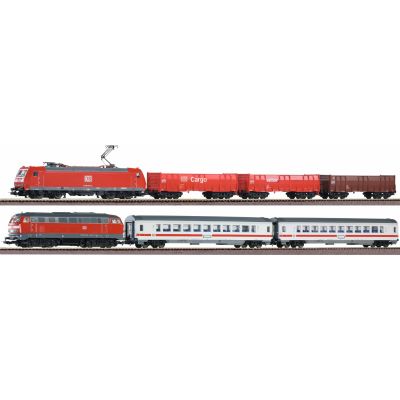
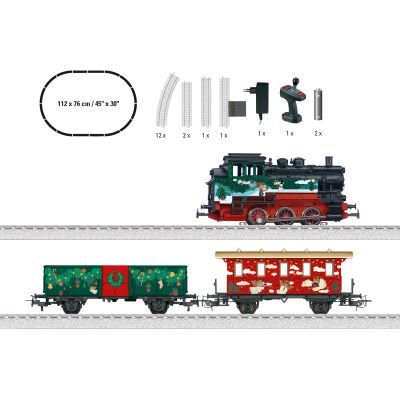
A full-size passenger coach measuring 26.4 metres is approximately 30 centimetres long in H0. Vehicles remain large enough for legible lettering, interiors, sound, lighting and fine separately fitted details, while requiring considerably less space than 0 or G gauge.
Almost every railway theme can be represented: a steam locomotive depot, branch line, ICE route, metropolitan station, Alpine railway, marshalling yard, industrial siding or heritage railway.
In addition to standard gauge, H0 offers several narrow-gauge variants. Buildings, road vehicles, figures and scenery materials can be combined across the different systems at a scale of 1:87.
The electrical system affects locomotives, track, wheelsets, pickup shoes and digital control. Coaches and wagons can usually be adapted more easily than locomotives.
Typical features include stud contacts between the running rails and a pickup shoe beneath the locomotive. Märklin C Track and K Track are important systems.
The two running rails provide separate electrical poles. PIKO, Roco, Trix, Tillig and many other brands offer suitable vehicles and track systems.
DCC and mfx describe command transmission. Depending on their design, digital vehicles may be built for either centre-contact or two-rail operation.
| Feature | H0 Centre-Contact | H0 Two-Rail |
|---|---|---|
| Current collection | Pickup shoe and both running rails | Separate poles through the left and right running rails |
| Typical track | Märklin C Track and K Track | Roco Line, PIKO A Track, Trix C Track and Tillig Elite |
| Reversing loop | Usually simpler electrically | Requires insulated sections and a reversing-loop module |
| Digital formats | mfx, Motorola and DCC | Primarily DCC, with some mfx-capable decoders |
Choose centre-contact or two-rail and analogue or digital control.
358 to 360 mm is compact; long coaches require wider curves.
Size platforms and storage sidings for the longest train formation.
Keep tunnels, turnouts and the hidden yard accessible.
| Planning area | Recommendation | Benefit |
|---|---|---|
| Curves | Check the minimum radius of every vehicle | Express coaches and steam locomotives operate more reliably. |
| Gradient | Keep it gentle and use rounded transitions | Long trains retain their tractive effort and coupling reliability. |
| Platform | Position the longest planned train | Trains fit completely alongside the platform. |
| Power feeds | Provide several electrical feeds | Voltage remains even along long sections of track. |
A prototype section measuring 87 metres requires exactly one metre in H0. The calculator also shows the corresponding space requirements in TT, N and Z.
Enter the prototype length in metres.
| Designation | Model track gauge | Typical prototype |
|---|---|---|
| H0 | 16.5 mm | European standard gauge |
| H0m | 12 mm | Metre-gauge railways and the Rhaetian Railway |
| H0e | 9 mm | 750, 760 and 800 mm narrow gauge |
| H0f / H0i | 6.5 mm | Field, mining and industrial railways |
| H0n3 | 10.5 mm | North American three-foot narrow gauge |
| Track system | Electrical system | Particular strength |
|---|---|---|
| Märklin C Track | Centre-contact | Robust clip connection and integrated roadbed |
| Märklin K Track | Centre-contact | Flexible scenery construction and flexible track |
| Roco Line | Two-rail | Extensive geometry with or without roadbed |
| PIKO A Track | Two-rail | Beginner-friendly with optional roadbed |
| Trix C Track | Two-rail | Stable roadbed and modular expansion |
| Tillig Elite | Two-rail | Fine rail profiles and prototypical turnouts |




C Track, vehicles and Mobile Station.
Fine DetailingLocomotives, rolling stock and lighting.
Track and VehiclesElite track and specialist H0 models.
Branch Lines and Narrow GaugeH0 and H0e vehicles.
International TrainsFinely detailed passenger coaches and locomotives.
Buildings and TechnologyStations, towns and the Car System.
Scenery ConstructionTerrain, trees and preformed layouts.
Signals and CatenaryDigital technology and animated scenes.
Two trains and wireless digital control.
View product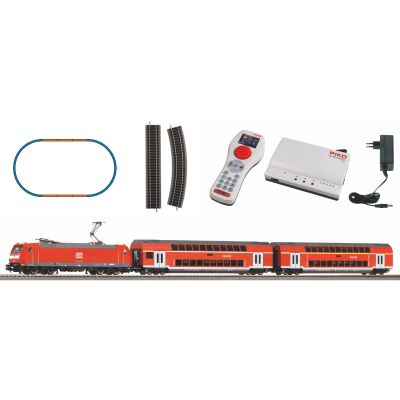
Class 146, double-deck coaches and a Wi-Fi system.
View product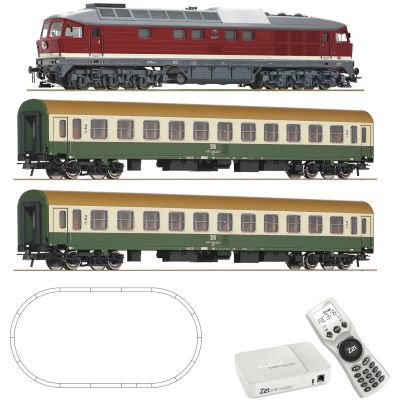
DR passenger train with Z21 and multiMAUS.
View product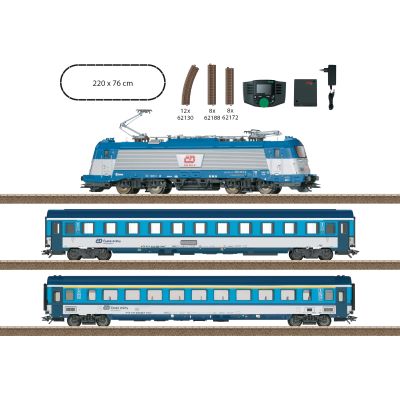
ČD passenger train with a digital decoder and sound.
View product
Festive introduction to the Märklin system.
View product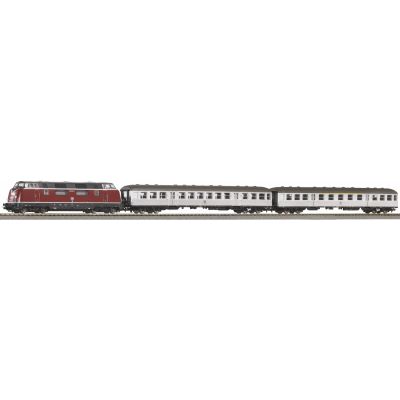
Silberling train with Wi-Fi digital control.
View product
Digital control with a Trix C Track oval.
View product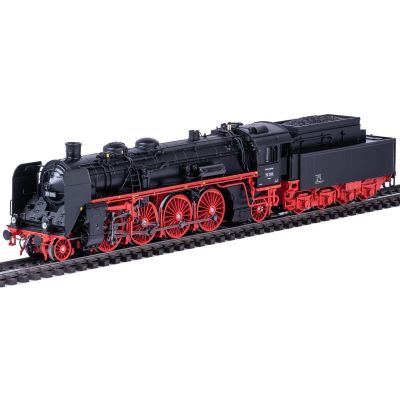
DR express locomotive with sound and smoke.
View product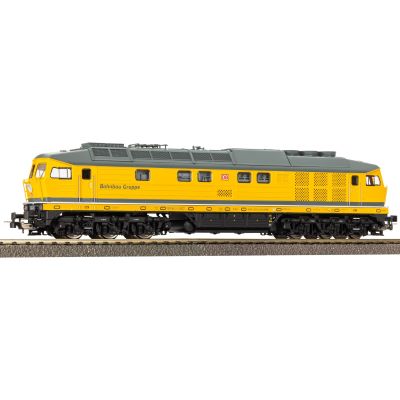
Bahnbau Ludmilla locomotive for modern engineering trains.
View product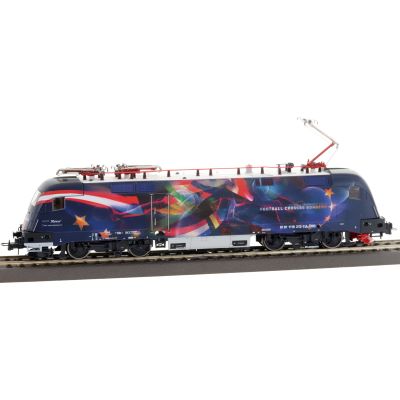
Special livery with digital sound.
View product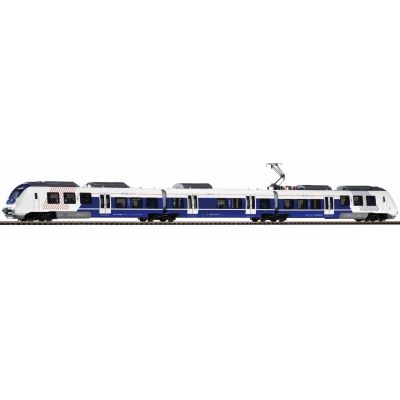
Three-part Era VI regional multiple unit.
View product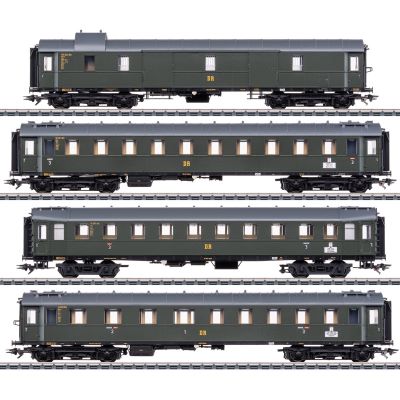
Four DR coaches for the Sachsenstolz locomotive.
View product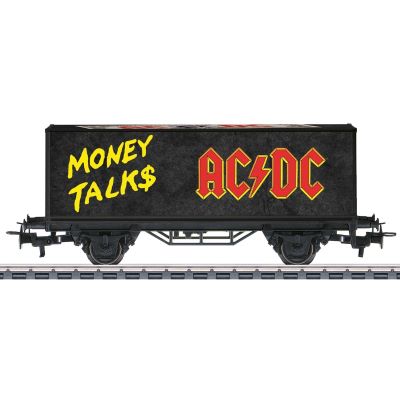
Printed container wagon produced as a collector model.
View product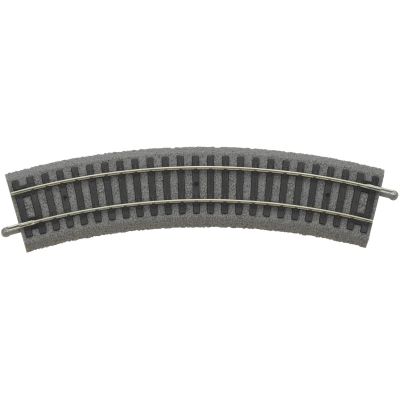
Roadbed track for compact two-rail layouts.
View product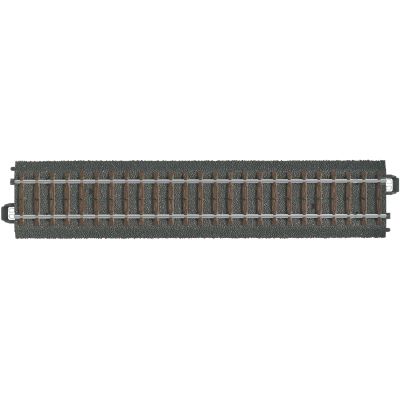
Robust centre-contact track with a clip connection.
View product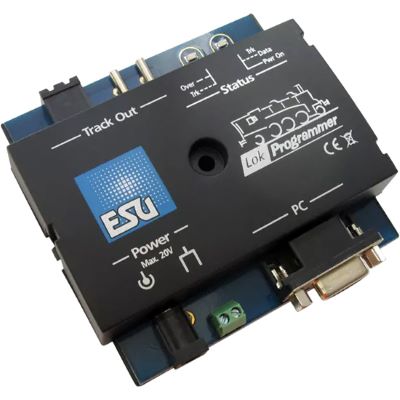
Edit decoders, sound and function mapping.
View product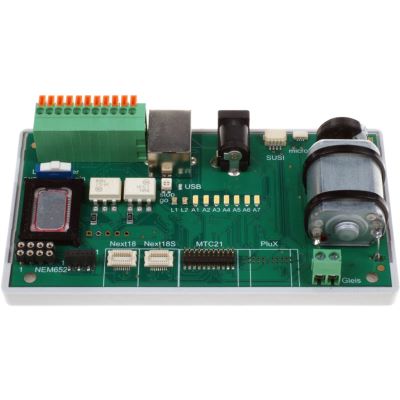
Test motor and function outputs safely.
View product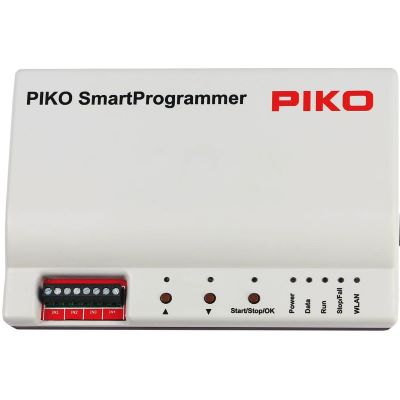
Configure SmartDecoders and sound projects.
View product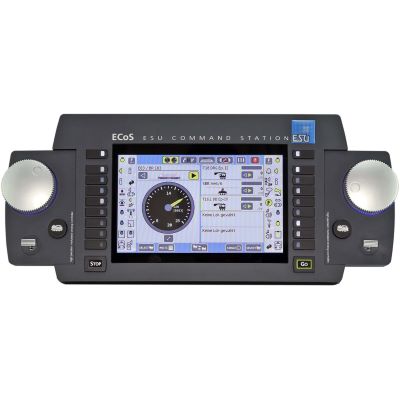
Multi-protocol command station with a touchscreen.
View productStandard-gauge H0 is produced at a scale of 1:87. The distance between the running rails is 16.5 millimetres.
H0 AC normally refers to centre-contact layouts with a pickup shoe. H0 DC refers to two-rail layouts with electrically separated rails.
Normally not without a technical conversion. Their current collection, wheelsets and electrical equipment differ.
Compact curves frequently begin at approximately 358 to 360 millimetres. Long coaches and large steam locomotives benefit from wider radii.
Yes. The selection of starter sets, track, vehicles and accessories is particularly large and can be expanded gradually.
Track with a stable roadbed, such as Märklin C Track, Trix C Track, PIKO A Track with roadbed or Roco Line with roadbed, is practical.
Yes. Z21, PIKO SmartControl WLAN, ECoS and other command stations support network or app-based control.
NEM 652, 21MTC, PluX22, PluX16 and Next18 are frequently used. The vehicle instructions remain decisive.
They are narrow-gauge variants at a scale of 1:87 using model track gauges of 12, 9 and 6.5 millimetres respectively.
A compact oval requires approximately 160 × 100 centimetres. Wider curves, stations and hidden yards increase the required area.
Further gauges, manufacturers, prototype themes, layout-building advice and digital guides are available on the central guide page.