Saxon Narrow-Gauge Railways
I K, IV K, VI K and VII K locomotives, green passenger coaches, transporter wagons and small rural stations form a particularly extensive H0e world.
Explore the Deutsche Reichsbahn →
H0e combines the clearly visible detail of H0 scale with a model track gauge of just 9 mm. It is ideal for representing Saxon 750 mm railways, Austrian 760 mm routes, heritage railways, light railways and narrow-gauge freight operation in an atmospheric and space-saving form.
In H0e, vehicles and buildings are reproduced at the familiar H0 scale of 1:87. The vehicles do not run on the 16.5 mm track used for standard-gauge H0, however, but on track measuring only 9 mm between the rails. The result looks considerably narrower and reflects the character of small local, mountain and branch railways.
Under the NEM classification, H0e represents prototype track gauges from 650 mm to less than 850 mm. Railways with gauges of 750 or 760 mm are therefore particularly typical. Individual manufacturers may classify certain models differently for practical or historical reasons.
Narrow-gauge railways use short coaches, small stations, compact engine sheds and often tighter curves than major main lines. A shelf, sectional or corner layout can therefore show a complete operating sequence with a station, goods shed, locomotive facilities and an industrial siding. Figures, buildings and vehicles nevertheless remain as large and detailed as their H0 counterparts.
The letter “e” identifies the narrower narrow-gauge group. It must be distinguished from H0m, which uses 12 mm track for metre-gauge prototypes, and H0f, which uses 6.5 mm track for particularly narrow field and industrial railways.
Scale and model track gauge are separate specifications. H0e, H0m and H0f all use a scale of 1:87 but represent prototype railways with different track gauges.
| Model size | Scale | Model track gauge | Typical prototype gauge | Suitable themes |
|---|---|---|---|---|
| H0 Gauge | 1:87 | 16.5 mm | Standard gauge, 1,435 mm | Main lines, branch lines and urban railways |
| H0e Gauge | 1:87 | 9 mm | 650 to less than 850 mm | 750/760 mm railways, Saxony and Austria |
| H0m Gauge | 1:87 | 12 mm | 850 to less than 1,250 mm | Metre gauge, RhB and Harz railways |
| H0f Gauge | 1:87 | 6.5 mm | 400 to less than 650 mm | Field railways, mines and industry |
| TTe Gauge | 1:120 | 6.5 mm | 650 to less than 850 mm | Compact 750 mm narrow gauge |
| 0e Gauge | 1:45 | 16.5 mm | 650 to less than 850 mm | Large light and heritage railways |
| G Gauge / IIm | Frequently 1:22.5 | 45 mm | Primarily metre gauge | Garden and mountain railways |
The international designations H0n30 and HOn30 are also encountered. They frequently describe H0-scale vehicles operating on 9 mm track. Couplings, wheelsets and vehicle clearances should nevertheless be checked individually for every model.
H0e is suitable for both historical and modern narrow-gauge railways. Selecting a clear region, railway company and era makes it easier to choose suitable locomotives, coaches, buildings and road vehicles.
I K, IV K, VI K and VII K locomotives, green passenger coaches, transporter wagons and small rural stations form a particularly extensive H0e world.
Explore the Deutsche Reichsbahn →Steam trains, modernised coaches and typical stations allow a layout to combine historical operation with the atmosphere of a present-day heritage railway.
Explore the Fichtelberg Railway →ÖBB Class 2095 diesel locomotives, short passenger coaches and freight trains suit mountain routes, local railways and rural terminus stations.
Explore ÖBB Model Railways →Standard-gauge H0 freight wagons can be transported over the narrow-gauge railway on transporter wagons. This creates challenging shunting operation within a small area.
Explore Narrow-Gauge Railways →The compact track gauge permits small layouts but does not remove the need for careful planning. Vehicle radii, turnouts, coupling systems and train lengths should be tested in practice before scenery construction begins.
Choose between a Saxon DR railway, the Fichtelberg Railway, an Austrian ÖBB route, a private railway or a freelance light-railway theme.
The longest coach and most demanding locomotive, rather than the smallest engine, determine the radius, turnout geometry and platform length.
Rigid track simplifies the introduction. Flexible track permits smoother curves and a more prototypical route through the scenery.
H0e normally uses a two-rail electrical system. Digital models commonly use DCC; the interface and decoder must match the vehicle.
A terminus, goods shed, engine shed and industrial siding generally provide more operating interest than an overloaded continuous track plan.
Roco standard H0e curved track has a radius of 261.8 mm. A current Roco Class 2095 locomotive, for example, is specified for a minimum radius of 200 mm. These values do not apply automatically to every vehicle. Long coaches, finely detailed steam locomotives and rigid couplings benefit considerably from wider curves.
The range extends from finely detailed locomotives and small-series models to passenger coaches, freight wagons, track, turnouts, couplings and spare parts.
Finely detailed H0e locomotives and coaches for German and European narrow-gauge railways.
Explore Bemo →
ÖBB vehicles, train sets, track, turnouts and accessories for compact H0e layouts.
Explore Roco →
Saxon coaches, track, turnouts and spare parts for historical H0e railways.
Explore Technomodell →
Narrow-gauge coaches, transporter wagons, flexible track and transitions between H0 and H0e.
Explore Tillig →
Selected Austrian, private and historical vehicles for H0e gauge.
Explore Liliput →
High-quality small-series locomotives and accessories for German narrow-gauge themes.
Explore Modellbau Veit →
Vehicles and coaches for the Fichtelberg Railway, Deutsche Reichsbahn and other narrow-gauge routes.
Explore pmt →The selection is organised into locomotives, rolling stock and track products. Every fixed link leads directly to the corresponding product page. Check the electrical system, minimum radius, era and coupling mounting before purchasing.
Saxon steam locomotives, Austrian diesel locomotives and complete train sets form the centrepiece of a distinctive narrow-gauge railway.
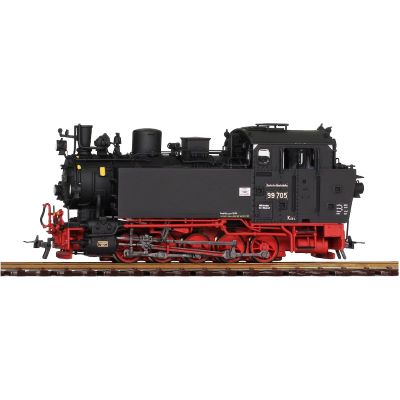
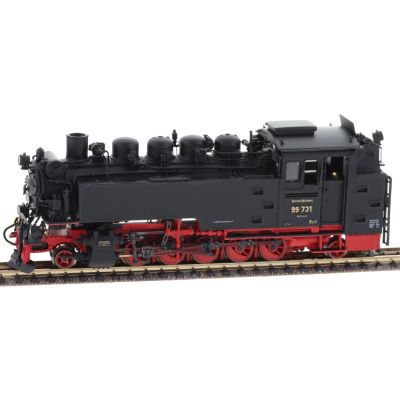
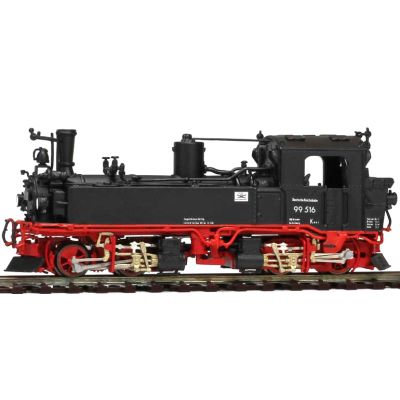
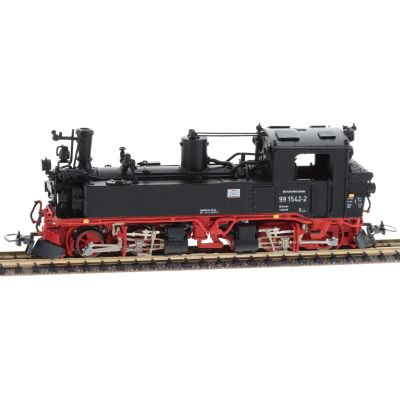

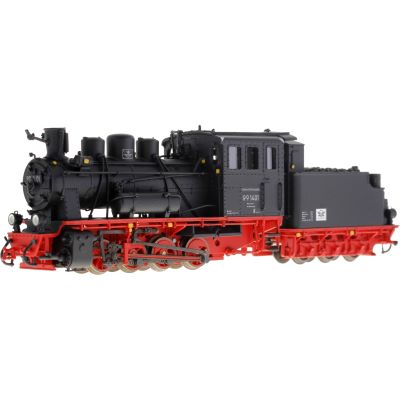
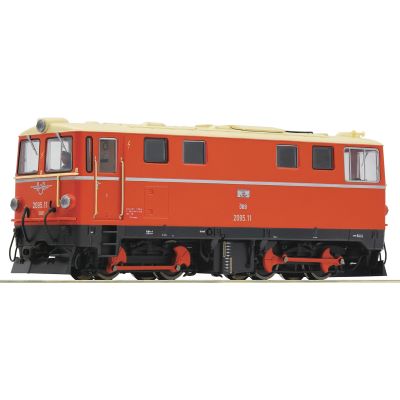
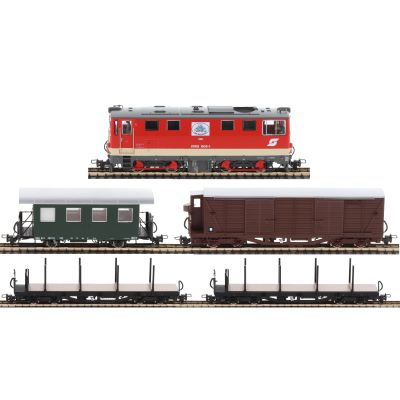
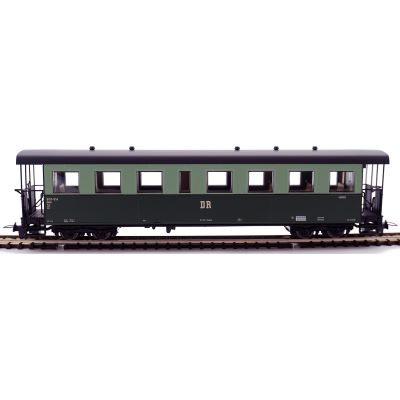
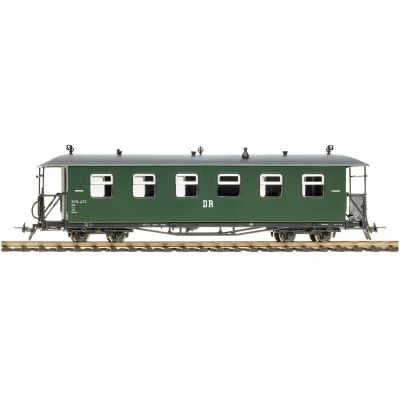
Passenger, luggage and freight vehicles allow credible train formations from the state-railway period to modern heritage and tourist operation.
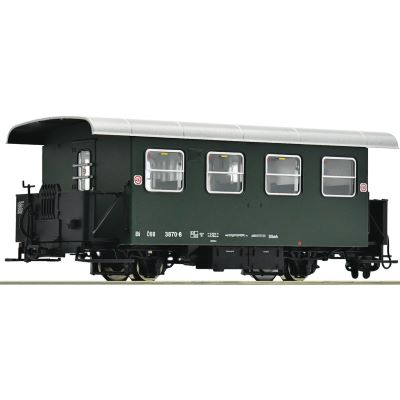
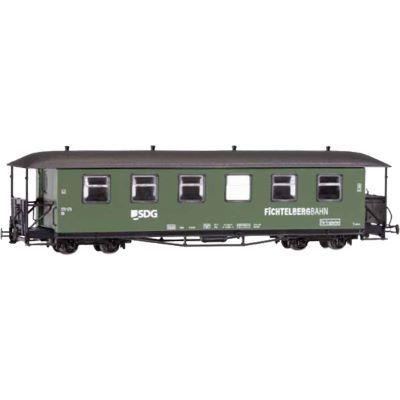
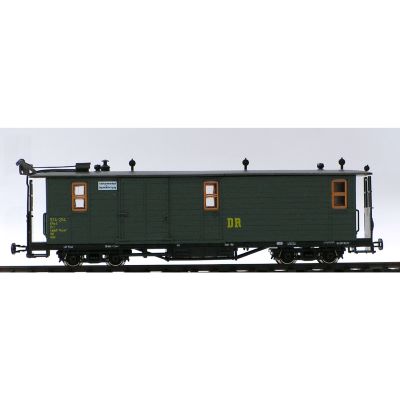
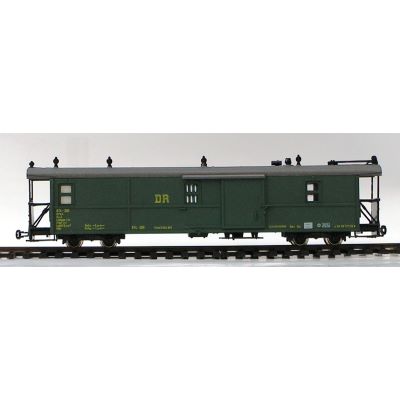

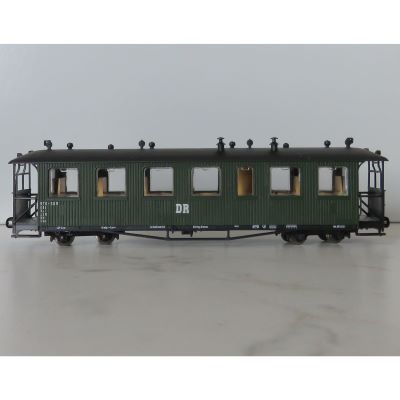
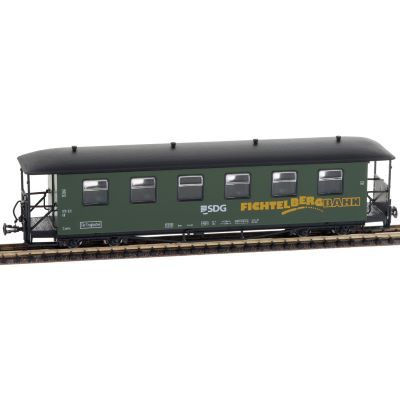
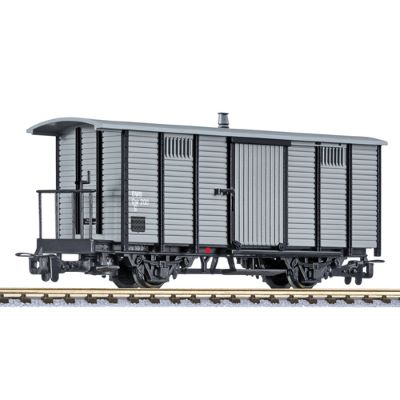
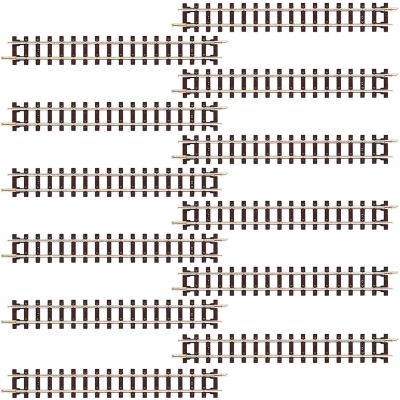
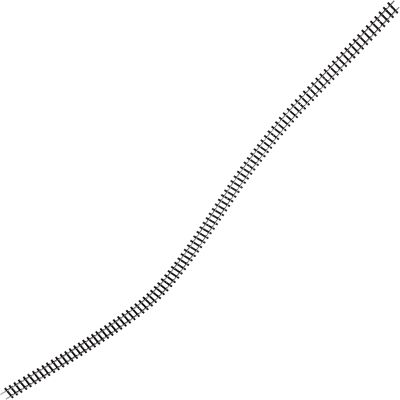
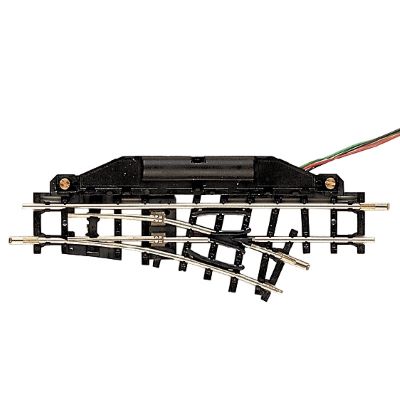
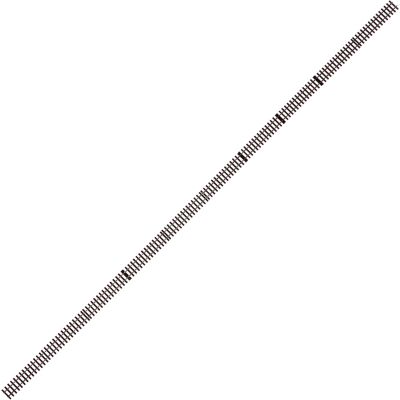
Straight track, standard curves, flexible track and polarisable turnouts form the technical foundation. Test the complete vehicle fleet before fixing the track permanently.
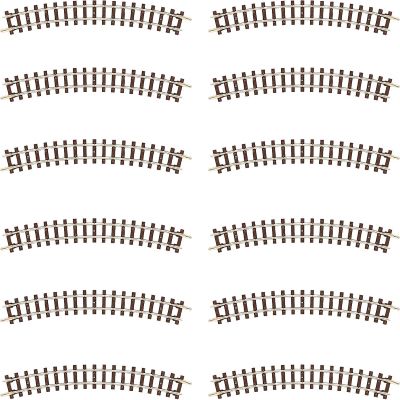
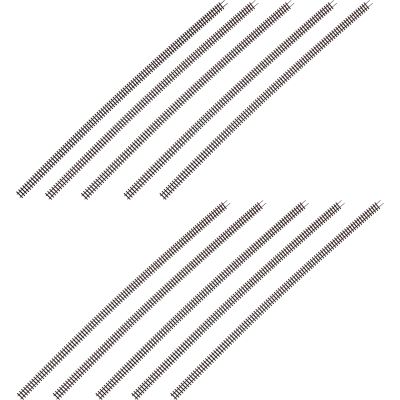
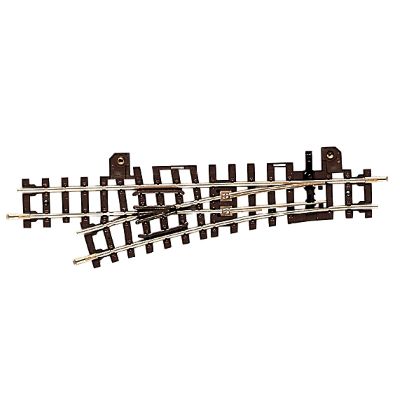
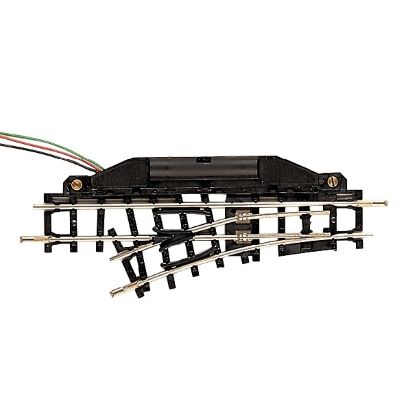
These pages help with gauge selection, layout planning, track construction and the historically appropriate composition of the vehicle fleet.
Compare H0e with H0, H0m, H0f, TT, N and other model sizes.
Open guide →Explore prototypes, applications and model track gauges.
Open topic page →Define the available area, layout shape, track plan and operating locations.
Open planning guide →Select flexible track, rigid track, turnouts and rail profiles.
Open track guide →Understand digital protocols, locomotive addresses, decoders and programming.
Open digital guide →Combine locomotives, rolling stock and scenery in a historically credible manner.
Open era guide →Select DR, ÖBB, private and heritage railways by prototype.
Open railway companies →Explore brands, product specialisms and available model sizes.
Open manufacturer overview →The most important questions about scale, track, curve radii, digital operation, compatibility and space requirements.
H0e describes narrow-gauge vehicles at a scale of 1:87 operating on model track measuring 9 mm between the rails. Vehicle size therefore corresponds to H0, while the track is considerably narrower. Under NEM classifications, the group represents prototype track gauges from 650 to less than 850 mm.
H0e most frequently represents prototype railways with gauges of 750 or 760 mm. These include many Saxon narrow-gauge railways and Austrian local railways. Individual manufacturers may also use H0e for differing prototypes for product-range or operational reasons.
H0e and H0m both use a scale of 1:87. H0e runs on 9 mm track, while H0m runs on 12 mm track and is primarily used for metre-gauge prototypes.
N gauge and H0e both use a track gauge of 9 mm, so mechanical operation may be possible. Sleeper spacing, rail height, turnout geometry and appearance differ, however, so designated H0e track is preferable.
There is no universal minimum radius for every H0e vehicle. The specification for the individual product is decisive. Wider radii improve appearance, coupling behaviour and operational reliability.
Yes. H0e normally uses a two-rail electrical system and can be controlled digitally using DCC. Analogue models, vehicles prepared for digital conversion and models already fitted with decoders or sound are available. Check the interface, available space and current consumption before installing a decoder.
Yes. They work very well together scenically because both use a scale of 1:87. A standard-gauge H0 station can stand beside an H0e narrow-gauge railway. Prototype transfers may use transhipment, transporter wagons or transporter trucks. The vehicles do not, however, run on the same track.
Important brands include Bemo, Roco, Technomodell, Tillig, Liliput, Modellbau Veit and pmt. Their ranges cover finely detailed steam locomotives, Austrian diesel locomotives, passenger and freight vehicles, track, turnouts and spare parts.
A station, freight siding and engine shed can already be represented on a narrow shelf or sectional layout. The exact area depends on vehicle radii, train lengths and the intended operating concept. A point-to-point layout generally requires less depth than a continuous circuit.
H0e is suitable for beginners who want a compact layout with short trains. Small vehicles are more sensitive to dirty rails, poor electrical feeds and inaccurately laid turnouts, however. Careful track construction is therefore more important than an extensive track plan.
Not automatically. Loop couplings, centre-buffer couplings, funnel couplings and manufacturer-specific mountings can differ. Coupling height and vehicle spacing are also important. Compare the mounting, replacement coupling and smallest intended curve radius before forming mixed trains.
Suitable themes include a rural terminus, a Fichtelberg Railway scene, an Austrian local station or a heritage railway with an engine shed. A timber, coal or agricultural siding provides varied shunting operation with only a few turnouts.
From gauges and track systems to digital technology, layout planning, vehicles, eras and scenery construction, the main guide provides access to all important model railway topics.