
Electric locos


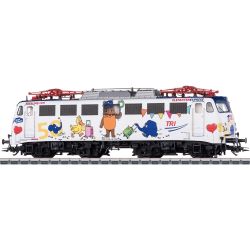


Looking for electric locos that bring more power, more variety and more authentic railway operation to your model railway layout?
Then you are in exactly the right place: with the right electric locomotives, modern electric engines, classic overhead line locos and striking railway company liveries, you can add strong visual impact, reliable traction and realistic operation to passenger, freight and mixed-traffic scenes.
What makes electric locos so important on a model railway?
Electric locomotives are among the most versatile and popular traction types in model railways because they combine power, speed, variety and a very distinctive appearance. They fit perfectly into modern railway scenes, classic mainline layouts and international rail traffic themes.
On a model railway, electric locos do much more than simply pull trains. They shape the overall character of a layout, define the era, support realistic passenger and freight traffic and often become the visual highlight of a station, depot approach or mainline section.
For many modellers, electric locomotives are especially appealing because they cover a huge range of prototypes. From classic German classes and Alpine locomotives to modern Vectron designs and private railway liveries, they offer a very broad field for collecting and operation.
That is exactly why this category is so important: with the right electric loco, your layout gains more realism, stronger train formations and a much more believable railway atmosphere.
Why are electric locomotives so popular with model railway fans?
Many model railway enthusiasts appreciate electric locos because they combine technical elegance with striking design. Pantographs, roof equipment, strong body shapes and eye-catching liveries give them a very special presence on the layout.
They are also highly flexible in use. An electric locomotive can work in front of express passenger trains, commuter services, container trains, heavy freight consists or cross-border traffic. That makes them ideal for layouts that aim to show variety without losing a clear operational focus.
Another major advantage is prototype diversity. Electric traction appears in many countries, railway companies and eras, so collectors and layout builders can choose between classic DB, DR, ÖBB, SBB, SNCF, private railways, RegioJet, Railpool, CargoUnit and many more themes.
Which products belong to the electric locos category?
This category includes a very broad range of electric locomotives across different gauges, railway companies, eras and power systems. Visible products range from compact TT and N electric engines to highly detailed H0 and Z models, as well as larger locomotives in gauge 0, 1 and G.
Typical models include classic classes such as BR 110, BR 143, BR 151, BR 155, BR 182, BR 185.2 and BR 243, but also modern Vectron, Taurus, Railpool and international freight locomotives. The category also includes analogue and digital versions, AC and DC systems, as well as many sound-equipped variants.
Visible examples show how broad the range really is: there are TT electric locos from Piko and Tillig, H0 electric locos from Märklin, Trix, Roco and Piko, sound versions, special liveries, retro railpool editions, football-themed promotional models and international operators from different European countries.
This wide product mix makes the category especially attractive because it supports both focused collecting and realistic layout operation.
Typical electric loco types at a glance
Which brands are especially important in electric locos?
The category is especially strong because it combines many leading model railway brands in one place. Visible brands include Piko, Roco, Märklin, Trix, Fleischmann, Tillig, Minitrix, Brawa, Arnold, Bemo, ACME, Lenz, LGB, Rivarossi, ESU and others.
Piko is especially strong in this category and offers a very broad selection across H0, TT and N, including classic DB classes, Vectron models, promotional liveries, modern operators and sound versions. Roco is highly relevant for H0 and stands for a wide variety of detailed electric locos for international and Austrian themes. Märklin and Trix are especially important in H0, particularly when AC, DC and mfx-related environments matter.
Fleischmann remains a major name, especially in N gauge. Tillig is highly relevant in TT. Brawa, Arnold and ACME support collectors and modellers looking for additional detail, country-specific prototypes or less common railway companies. Bemo is important for narrow gauge-related electric traction themes, while Lenz and LGB serve larger gauges.
This brand diversity is a major advantage because it gives you much more freedom to match the locomotive to your gauge, era, railway company and operating style.
Brand overview for electric locos
Which gauges are especially relevant for electric locos?
This category covers a very broad gauge range, which makes it attractive for many different types of modellers. Visible gauges include H0, N, TT, Z, G, 0, 0m, 1, H0m, H0e and even H0f.
H0 is clearly the strongest gauge in this category and offers the widest variety of railway companies, eras and brands. N is very important if you want long trains and large route effects in a compact space. TT offers an excellent balance between detail and space efficiency. Z supports very compact layouts, while 0, 1 and G are ideal for larger, visually powerful models.
Gauge overview for electric locos
Which railway companies and eras are especially common in electric locos?
One of the strongest advantages of this category is its broad prototype background. Visible railway companies include DB, DB AG, DR, ÖBB, SBB, SNCF, PKP, ČD, CSD, MAV, NS, RhB, Private Railways, RegioJet and many more.
Era coverage is also very broad, with especially strong representation in Era IV, Era V and especially Era VI. That makes this category ideal for modellers who want to focus on classic post-war electrics, transitional rail traffic or very modern European railway scenes.
Because electric traction is so common across countries and eras, this category gives you excellent freedom to build a layout around a national railway, a private operator, a specific historical period or a cross-border freight concept.
What is the difference between analogue and digital electric locos?
In this category, both analogue and digital models are visible, which is very useful for different layout concepts and budgets. Analogue models are often a good choice if you run a conventional layout or want to upgrade later. Digital models are ideal if you already use a digital control system and want more operating flexibility straight away.
Digital variants often offer a higher level of operational convenience, and many are also available in sound-equipped form. Analogue versions, on the other hand, can be very attractive if you prefer a later decoder installation or want to keep the entry cost lower.
Which electric locos are especially good for beginners?
For beginners, electric locomotives are especially attractive when they combine a popular prototype, a manageable price level and a gauge that fits the available space. H0 and TT are often particularly good starting points because the range is broad and the models cover many different operating themes.
Simple DC or AC models without too many special requirements are often a strong first choice. Clear and well-known classes such as BR 143, BR 182, BR 185, BR 243 or modern Vectron models are especially useful because they fit many passenger and freight scenarios and remain flexible later on.
If you want fast visible value, a well-priced standard electric locomotive in H0 or TT is often the best way to start. It gives you a locomotive that can work in front of many train types and makes it easier to shape a clear operating theme from the beginning.
Beginner-friendly choices in electric locos
Which layouts are electric locos best suited for?
Electric locomotives are ideal for layouts with overhead-line-era themes, modern mainlines, busy passenger traffic, freight operation and cross-border railway scenes. They work especially well on layouts where speed, power and visually strong locomotives matter.
They are particularly effective in main stations, long visible route sections, freight terminals, container scenes and modern European network concepts. At the same time, classic electric locomotives also work beautifully on older-era layouts with traditional coaches and freight wagons.
This makes electric locos one of the most versatile vehicle categories in model railways. They can support both historic and highly contemporary operating concepts and remain attractive for collectors as well as active operators.
Typical uses for electric locos
What should you look for when buying electric locos?
When buying electric locomotives, you should pay special attention to gauge, power system, analogue or digital version, railway company, era, brand and the overall style of your layout. These points help you choose a model that fits both technically and visually.
It is especially important to ask whether the locomotive should match an existing fleet, a certain country, a modern freight concept or a classic passenger layout. That will determine whether a BR 143, BR 185, Taurus, Vectron, Rh 1116 or another prototype makes the most sense.
A careful choice usually creates a much stronger result than simply buying the most striking model. The best electric loco is the one that fits your layout concept, your operating system and your overall railway story.
Key buying criteria at a glance
Electric locos buy and bring more power to your model railway
Whether you choose a classic electric locomotive, a modern Vectron, a Taurus, a striking special livery or a detailed model from Piko, Roco, Märklin, Trix, Fleischmann or Tillig, the right products from the electric locos category give your model railway more traction, more realism and a much stronger operational identity.
By choosing carefully according to gauge, era, railway company, power system and layout style, you will find exactly the electric locomotives that suit your project. That means better train combinations, a more convincing railway scene and lasting enjoyment on your model railway.