Prototype
Ottbergen Station
Railway infrastructure, track arrangement and buildings were researched with particular attention to the historical prototype.

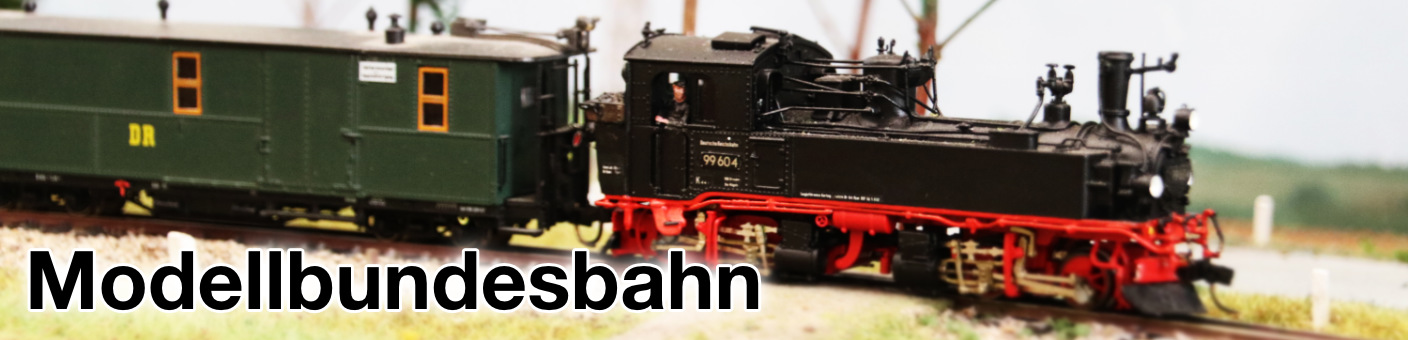
The Modellbundesbahn recreated Ottbergen station, its locomotive depot and railway operations in the Weserbergland with exceptional attention to the summer of 1975. Discover the history, technology and model-making principles behind this former H0 exhibition.
The Modellbundesbahn was one of Germany's particularly prototype-oriented model railway exhibitions. It demonstrated how technical precision, historical research and creative model making can be combined to form a coherent miniature railway world.
Inspired by Ottbergen station in 1975 and the surrounding Weserbergland region, the project recreated railway scenes in H0 at a scale of 1:87.
The objective was not simply to create a railway landscape that looked similar to the prototype. The team placed great importance on historically researched buildings, railway infrastructure, rolling stock and operating procedures.
This distinction between a general interpretation and a historically researched reconstruction was central to the Modellbundesbahn concept.
Today, the exhibition is no longer open to visitors. Its model-making approach nevertheless remains an interesting source of inspiration for anyone planning a historically coherent H0 model railway or an Era IV layout .
| Historical Published Figure | Modellbundesbahn |
|---|---|
| Track | Approx. 1,300 metres |
| Points / Turnouts | 223 |
| Locomotives | Approx. 80 |
| Rolling Stock | Approx. 1,000 items |
| Trees | Approx. 1,500 |
| Shrubs and Bushes | Approx. 2,500 |
These are historical figures published by the former operator and describe the exhibition during its operating period.
The centrepiece of the Modellbundesbahn was the faithfully researched reconstruction of Ottbergen station and its railway environment.
Ottbergen was an important Deutsche Bundesbahn railway location. In 1975, steam operation was still an important part of everyday railway life in the region.
Class 44 heavy freight locomotives were particularly closely associated with Ottbergen. Class 50 and Class 86 steam locomotives could also be seen in the region, alongside diesel railcars, diesel locomotives and electric traction on neighbouring routes.
The model railway reproduced characteristic vehicles, semaphore signals, railway buildings, sidings and surrounding landscape in order to recreate the atmosphere of the period as consistently as possible.
Anyone wishing to build a similar railway theme today can use the Deutsche Bundesbahn guide and the Era IV guide as starting points.
Railway infrastructure, track arrangement and buildings were researched with particular attention to the historical prototype.
Steam locomotives played an important role in the railway atmosphere represented by the layout.
The focus was on believable railway operation rather than simply displaying individual locomotives.
Vehicles, buildings, landscape and operating details were coordinated around a clearly defined historical period.
Although the visible railway world represented the 1970s, modern digital technology operated behind the scenes. This combination allowed historically inspired railway procedures to be reproduced reliably.
The railway was digitally controlled so that numerous train movements could be coordinated across the extensive layout.
Long routes and block sections enabled several trains to operate in a structured manner while maintaining realistic spacing.
Automated operating sequences supported station stops and prototypical train movements without making the visible railway world look artificial.
The system was designed to support complex railway procedures, including locomotive changes and changing train formations.
Lighting effects, railway sounds and station announcements added atmosphere without replacing the historically researched railway operation itself.
Selected moving figures and vehicles brought additional everyday activity to the landscape surrounding the railway.
A defining characteristic of the Modellbundesbahn was its emphasis on the difference between a loosely inspired model and a prototype-oriented reconstruction.
Existing buildings were researched before being reproduced at the correct scale. Historical photographs, railway documentation, plans and first-hand knowledge from people familiar with the original railway were used as references.
Track geometry and railway infrastructure were treated as part of the historical reconstruction rather than merely as a convenient way of running trains.
Railway buildings and structures were recreated to represent real prototypes and their appearance during the chosen period.
Fields, vegetation, river courses, roads and settlement structures were designed to integrate the railway into the Weserbergland landscape.
Locomotives, wagons, rails and buildings were weathered so that the miniature world represented vehicles and infrastructure in daily railway service rather than pristine display pieces.
Miniature people and carefully placed scenes helped communicate the atmosphere of a working railway rather than an empty technical display.
The spatial arrangement was designed so that tracks, structures and landscape formed convincing views instead of appearing as separate model-building components.
Earlier versions of this guide contained visitor information, opening hours and directions to the exhibition in Brakel. These details are no longer current.
According to the official Modellbundesbahn operator information, regular operations ended on 29 May 2026. The former visitor information and opening hours should therefore no longer be used for travel planning.
Modellbahnshop presents additional miniature attractions and model railway exhibitions that can still provide inspiration for your own projects.
The Modellbundesbahn's summer-1975 setting falls within Era IV, a period in which traditional steam operation met increasingly modern diesel and electric traction.
Heavy steam locomotives were still part of regular railway operation in some regions, including the area around Ottbergen.
Diesel locomotives and railcars increasingly handled passenger, branch-line and freight duties.
Electric locomotives represented the modern side of the Bundesbahn and became increasingly important on electrified main routes.
Compare locomotive classes, train formations, colours, railway companies and technical developments between 1965 and 1990.
Railway buildings, infrastructure and landscape were based on researched historical prototypes.
Locomotives and wagons were selected to fit the railway, period and operating situations represented on the layout.
Modern control technology supported complex operation while preserving the visual impression of the historical railway.
Vegetation, fields, roads, water and buildings were coordinated to form a believable regional landscape.
Buildings, track and vehicles were aged to reproduce the appearance of a working railway rather than a collection of brand-new models.
Figures, lighting, road vehicles and other moving elements added everyday activity to the railway environment.
Different levels and sight lines helped create visual depth and realistic perspectives.
A convincing historical layout depends on the interaction of vehicles, railway buildings, signal technology, landscape, lighting and digital control. These English Modellbahnshop sections provide suitable starting points.
Plan vehicles, track systems and scenery consistently in 1:87 scale.
Choose historically appropriate locomotives, colours, railway companies and train formations.
Steam power for freight, passenger and depot scenes in historic railway settings.
Diesel railcars and multiple units for regional and branch-line operation.
Semaphore and light signals for stations, routes and realistic operating procedures.
Stations, platforms, engine-depot structures and other railway facilities.
Platform, street and building lights for believable day-and-night scenes.
Station, railway and scenery sounds for additional atmosphere.
The original Modellbahnshop guide specifically refers to leading manufacturers such as Märklin, Roco, FALLER, Viessmann, ESU and PIKO for vehicles, buildings, signals and digital technology.





The Modellbundesbahn was more than a collection of trains running through scenery. Its defining idea was to use historical research, model-making craftsmanship and modern control technology to recreate a clearly defined railway world as convincingly as possible.
Although regular exhibition operations ended in May 2026, the project remains an instructive example for model railway enthusiasts. Its approach demonstrates how much credibility can be gained by choosing a precise year, researching the prototype and coordinating rolling stock, infrastructure, buildings, vegetation and operating procedures.
The same principle can also be applied to a much smaller home layout. A convincing station scene with the right Era IV locomotive, matching wagons, semaphore signals, carefully weathered buildings and coherent landscape design can communicate just as much railway atmosphere as a very large layout.
Continue with other major miniature exhibitions and model railway attractions, or use the complete Modellbahnshop guide to plan your own historically coherent miniature railway.
Historical content and current exhibition status checked: 11 August 2026