Shelf Layout
A narrow point-to-point route is suitable for a station, industrial connection, tramway or intensive shunting operation.

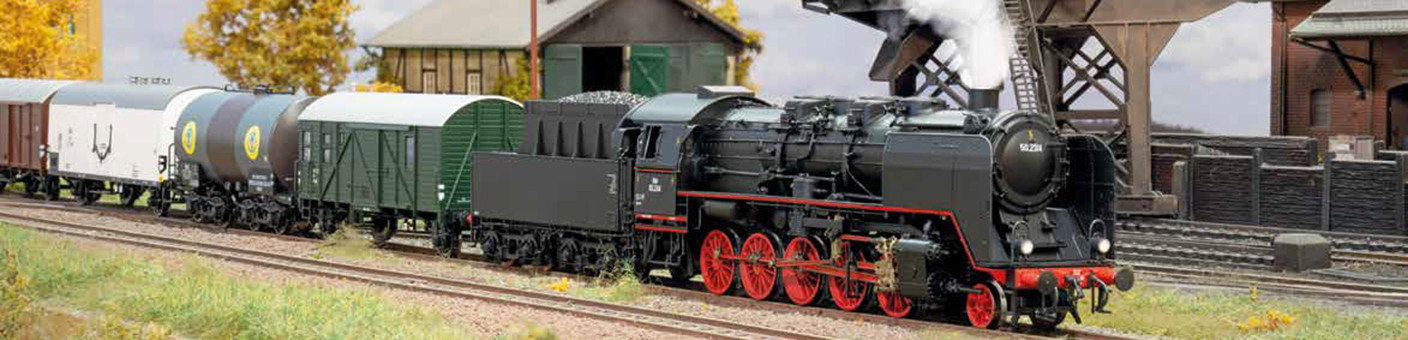
A model railway can also work well in a rental apartment. The best solution remains portable, accessible, quiet and easy to store. This guide compares shelf layouts, lightweight segments, rolling boards, route kits and temporary table railways.
The best rental-apartment layout remains portable, fully accessible and acoustically isolated from the floor, table, shelving or other furniture.
A large permanently installed layout is rarely the most flexible solution in a rental apartment. Lightweight segments, rolling boards, shelf layouts and compact route kits are usually more practical.
A sectional structure can be dismantled for a move, carried through doors and rearranged in another room. Every individual section must therefore be smaller than the narrowest doorway, stairway, lift and available storage area.
Structure-borne sound occurs when wheels, motors and track transmit vibration directly to a large wooden board, table or floor. An elastic trackbed, isolated layout feet and a lightweight rigid frame reduce this resonance. A completely solid board is not automatically quieter.
Dust and storage are equally important. Vehicles should be protected in their original packaging, labelled collection boxes or display cases . Temporary track figures can be stored in shallow labelled boxes. Cables and control equipment belong in a separate, easily accessible container.
Clear operating times are considerate in shared buildings. Sound functions, several trains running simultaneously and work with drills or saws should be avoided at sensitive times. Some computer-based systems support headphones, but a locomotive decoder produces sound directly in the vehicle.
The finder considers the available area, storage options, preferred type of operation, sensitivity to noise and the required flexibility for dismantling or moving.
An apartment-friendly railway uses furniture, wall areas and protected storage without permanently blocking everyday living space.
A narrow point-to-point route is suitable for a station, industrial connection, tramway or intensive shunting operation.
Lightweight sections are constructed separately, connected for operation and stored in protected conditions afterwards.
A low-profile structure can be moved below a bed, table or sloping roof when it is not being used.
A lightweight layout can be stored vertically but requires secure locking, protected scenery and reliable cable management.
A preplanned route reduces construction time and material while leaving the buildings, roads and landscape open to individual design.
Track with integrated roadbed permits rapid assembly. A smooth base protects the vehicles from fibres and reduces contamination.
A compact solution for collectors who want to display, photograph and occasionally test individual vehicles.
An open staging or storage area replaces a hidden yard that would otherwise require more space, wiring and maintenance access.
Track, layout structure, furniture and floor should not act as one continuous resonating body.
| Noise Source | Cause | Useful Measure | Avoid |
|---|---|---|---|
| Rolling noise | Direct connection between track and a large wooden board. | Use an elastic trackbed and a lightweight rigid frame. | Pressing the track tightly against the board with hard screws. |
| Board resonance | A large thin surface vibrates like a membrane. | Reinforce the frame and use smaller structural sections. | A large unsupported sheet. |
| Transmission to the floor | Layout feet stand directly on a hard floor. | Place suitable elastic isolation material below the feet. | Loose wheels or an unstable structure. |
| Locomotive noise | Motor, gears, contamination or excessive speed. | Maintain the vehicles and operate them at moderate speed. | Excessive or unsuitable lubricant. |
| Sound decoder | The general or individual sound volume is set too high. | Reduce the overall volume and individual sound functions. | Continuous operation at maximum volume. |
| Tools | Sawing, drilling, sanding and extraction equipment. | Group the work and select considerate daytime periods. | Late or prolonged machine work. |
Small gauges are suitable for compact continuous routes. Large models can work well on narrow shunting, shelf and display layouts.
| Gauge | Scale | Apartment-Friendly Project | Particular Advantage | Consider |
|---|---|---|---|---|
| Z | 1:220 | Case, table or display-case layout | Extremely low space requirement | Good lighting and careful cleaning |
| N | 1:160 | Compact continuous or sectional layout | Longer trains within a small area | Rerailer and secure vehicle storage |
| TT | 1:120 | Branch line or mobile sectional layout | Good balance between model size and space | Commit to one exact track system |
| H0 | 1:87 | Shelf, shunting or folding layout | Large selection and easy handling | Distinguish between two-rail and centre-contact systems |
| H0e and H0m | 1:87 | Compact narrow-gauge branch line | Tight curves with clearly visible models | Match the narrow-gauge track and vehicles |
| 0 | Usually 1:45 | Short shunting or shelf layout | Large details and intensive operation | Vehicle weight and length |
| 1 and G | 1:32 and 1:22.5 | Display layout or short test track | Very strong visual impact | Substantial storage and movement space |
This sequence prevents the layout, storage area and transport route from becoming incompatible later.
Document the setup area, doorway widths, lift, stairway and available storage space.
Choose between continuous running, shunting, collecting, photography and scenery construction.
Compare model size, curve radius and the desired train length.
Every part must remain portable, stable and safe to store.
Compare track and different base materials on a small test section.
Label all cables and provide safe, repeatable section connections.
Store vehicles, scenery and track in protected conditions.
Dismantle, carry and store the complete railway as a trial.
Problems usually result from missing storage, large resonating surfaces or a dismantling process that was never tested.
The layout later fails to fit through doorways or the stairwell.
One broad, thin surface can noticeably amplify rolling noise.
Vehicles and modules remain unprotected within the living area.
Loose power supplies and cables repeatedly cross walking routes.
Locomotive and decoder sound is used continuously without consideration for the residential setting.
Rear tracks and scenery remain difficult to reach and maintain.
The supporting structure and scenery cannot be separated without damage.
Knives, adhesives and small components require a safe, closable storage box.
Filter compact starter sets, mobile layout solutions, track expansions, maintenance products, tools, digital technology and storage. Product cards do not make any statement about current availability.
30 products displayed
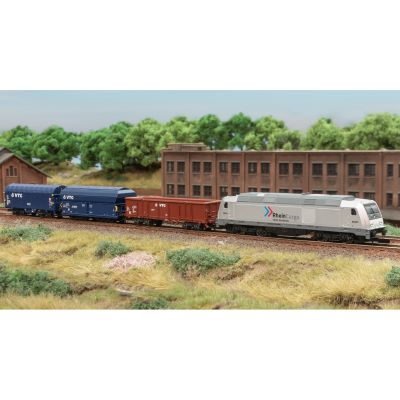
Very compact introduction with train, track oval, controller and rerailing equipment.
Open Product →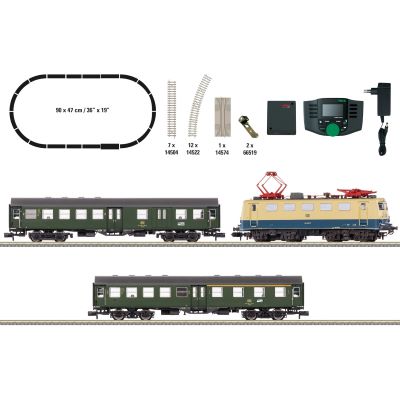
Digital train and Mobile Station on a particularly compact N-gauge track figure.
Open Product →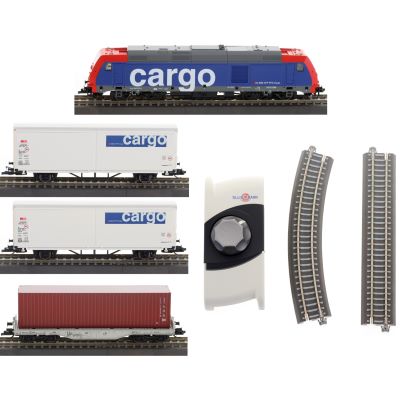
Space-saving TT introduction with clearly visible vehicles and track suitable for temporary assembly.
Open Product →
Straightforward H0 two-rail introduction for a table railway or movable board.
Open Product →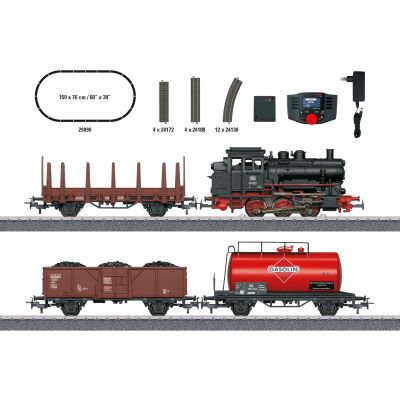
C Track, Mobile Station and an mfx locomotive for a table railway that can be dismantled quickly.
Open Product →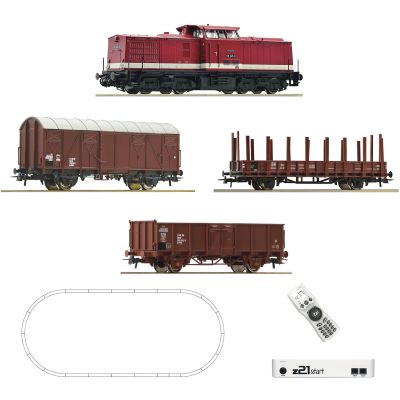
Digital set with integrated-roadbed track and z21 start control equipment.
Open Product →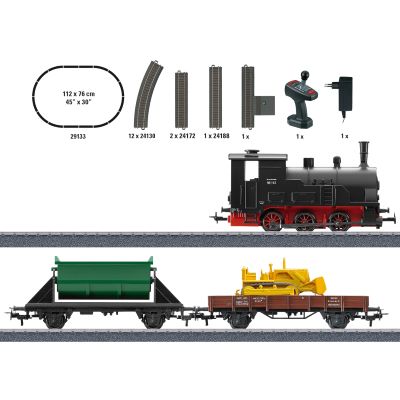
Robust digital H0 package for temporarily assembled family projects.
Open Product →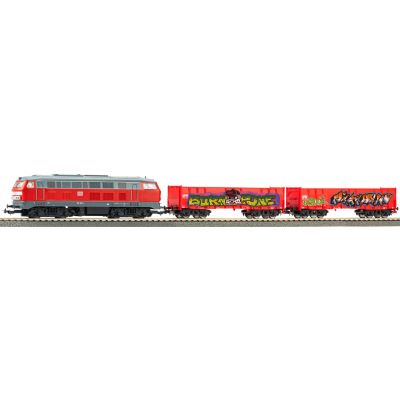
Robust analogue H0 introduction with roadbed track for mobile assembly.
Open Product →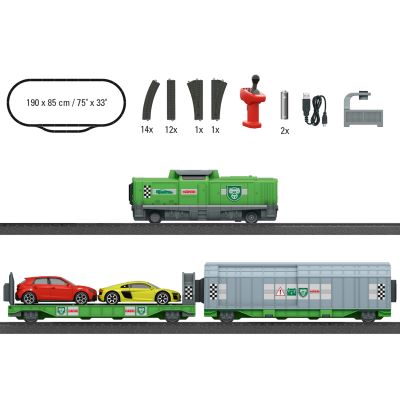
Battery-powered play system without permanently installed track power or cabling.
Open Product →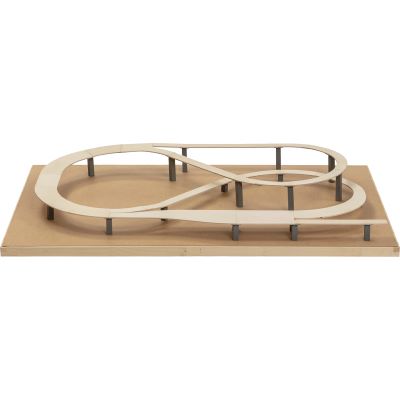
Compact N-gauge route with passing and storage tracks for controlled operation.
Open Product →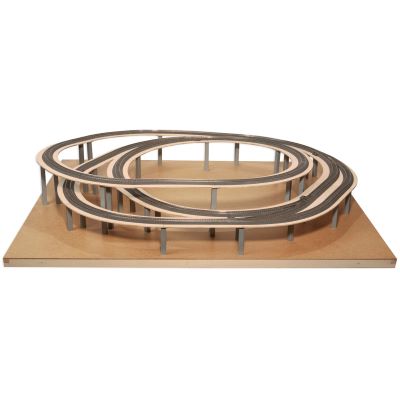
Preplanned H0 route construction for a manageable permanent apartment layout.
Open Product →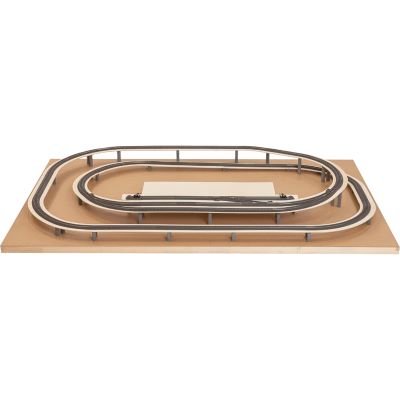
Prefabricated track bases reduce extensive and noisy structural work inside the apartment.
Open Product →
Preplanned H0 route for modellers with a larger permanently usable room area.
Open Product →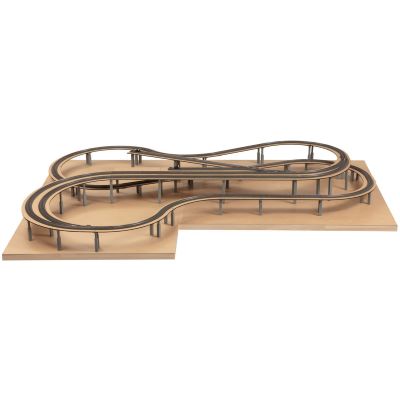
Extensive route kit for a dedicated model railway room with a previously checked transport route.
Open Product →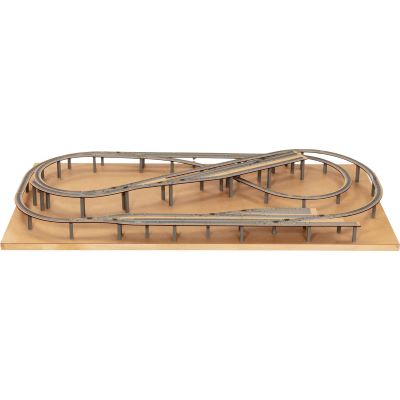
N-gauge project providing longer routes within a comparatively narrow base area.
Open Product →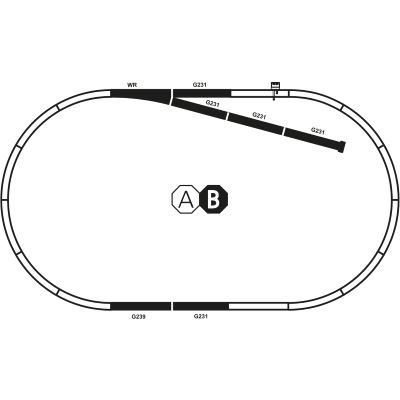
A turnout and siding add useful operation without requiring a large additional area.
Open Product →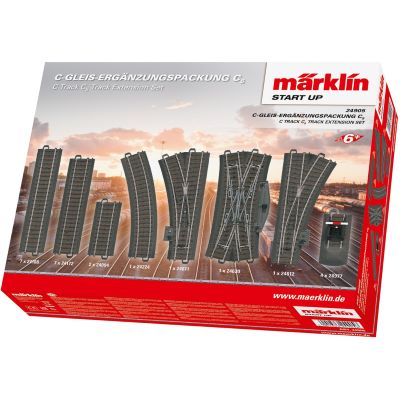
System-compatible expansion of a mobile Märklin table railway with additional operating tracks.
Open Product →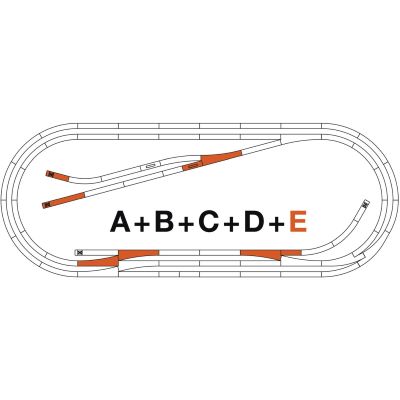
Turnouts and uncoupling track for a compact operating or shunting location.
Open Product →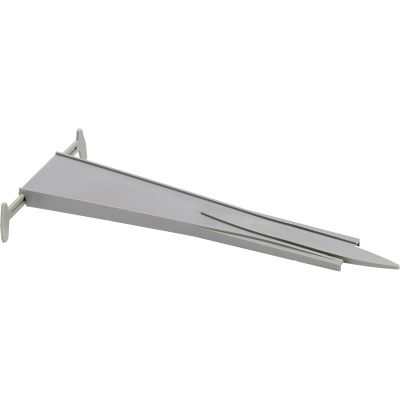
Simplifies frequent rerailing on mobile or temporarily assembled layouts.
Open Product →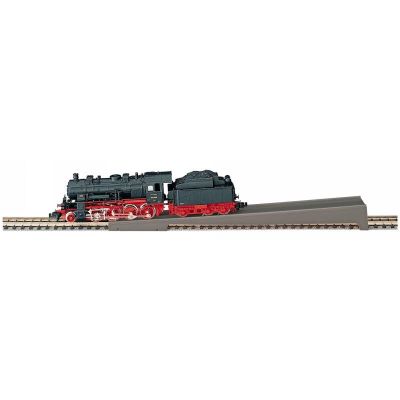
Helps place small N-gauge vehicles safely on the track after protected storage.
Open Product →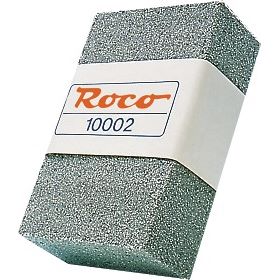
Manual cleaning block for temporary and fully accessible track arrangements.
Open Product →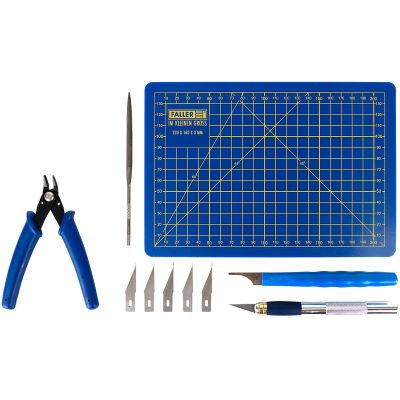
Compact selection that can be stored together in one secure, closable box.
Open Product →
Permits scenery construction on a small transportable diorama instead of a large permanent layout.
Open Product →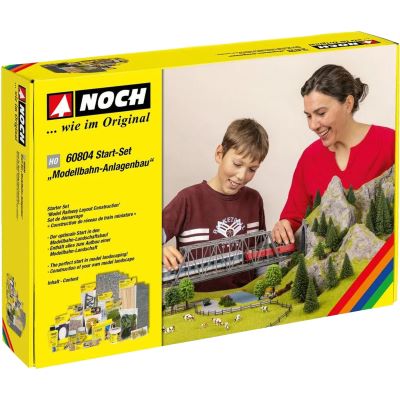
Materials for a clearly limited, accessible and easy-to-clean H0 layout section.
Open Product →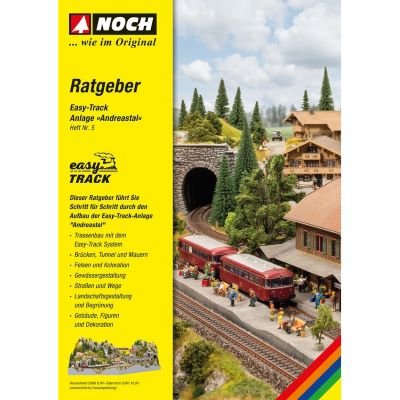
Planning aid for structured construction with fewer unplanned tool and material operations.
Open Product →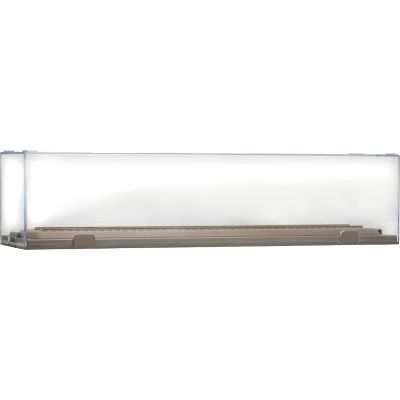
Dust-protected individual storage for H0 vehicles on a shelf or inside a cupboard.
Open Product →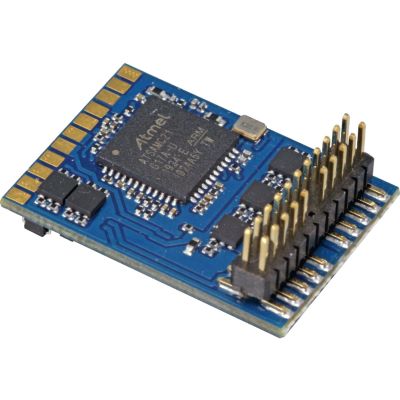
Locomotive decoder without a loudspeaker for digital operation without additional sound volume.
Open Product →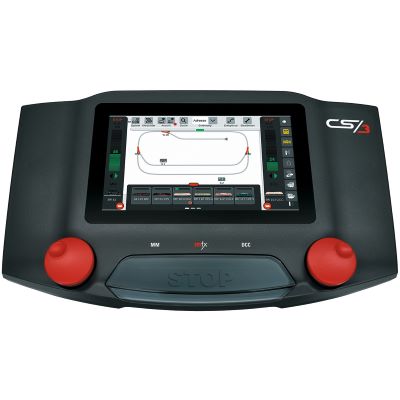
Extensive digital command station for a permanent model railway room with several control functions.
Open Product →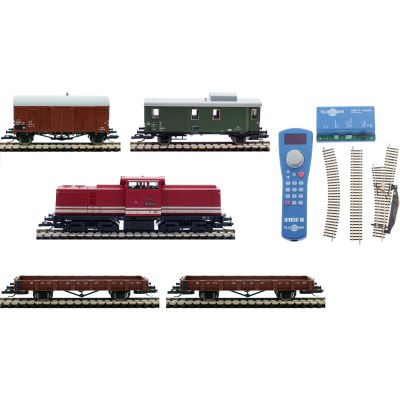
Digital TT introduction with a turnout for compact multi-train and shunting operation.
Open Product →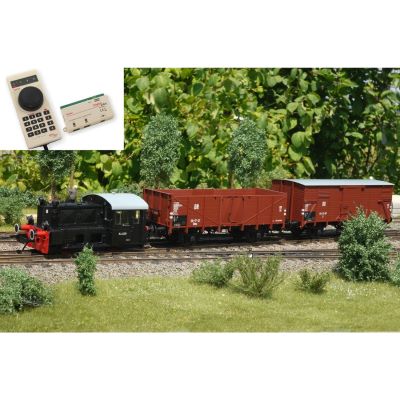
Large models for a short, narrow shunting or presentation layout.
Open Product →The appropriate brand depends on the gauge, track system and layout form. Track with integrated roadbed is particularly practical for frequent assembly and dismantling.
These answers cover noise, space requirements, fixings, storage, electrical equipment and future moves.
Yes. Mobile table railways, shelf layouts, lightweight sections, rolling boards and compact route kits are particularly suitable.
Rolling noise can be transmitted through a board, furniture and the floor. Elastic trackbed, a rigid lightweight frame and reduced train speed decrease this transmission.
Z and N save the greatest amount of space. TT is a balanced middle ground. H0 is suitable for shunting, shelf and sectional layouts.
Yes, when the structure is low, dust-protected and stable. Wheels require secure locking and sufficient clearance below the bed.
A narrow shelf layout uses little floor space and provides intensive shunting operation. The fixing, load capacity and future removal must be clarified beforehand.
Original packaging, labelled collection boxes and display cases protect vehicles from dust, light, handling and transport damage.
Robust track with integrated roadbed is practical. Every extension must match the exact existing track system and conductor type.
The general volume can be programmed on many digital decoders. The procedure and permitted values are stated in the individual decoder or locomotive instructions.
Small sections with plug-in electrical connections are especially flexible. The largest parts must fit through doorways, the stairwell or the lift.
A cutting mat, protective film, suitable dust extraction and closable material boxes limit contamination. Plaster, paints and adhesives should be used only on protected surfaces.
Both systems are suitable. Digital control permits several locomotives within a small area, while analogue control remains particularly straightforward for one train.
A system-compatible turnout and siding create new shunting tasks without substantially increasing the overall layout size.
Explore gauges, track systems, layout planning, digital technology, scenery, storage and maintenance in the central model railway guide.
Editorially reviewed and updated on 30 July 2026. Technical, structural and safety-related details must be checked against the individual product and residential situation.