
 Four gauges. Your model railway world.
PIKO
Model Railways
Full-size prototypes, fine details and countless possibilities. Discover locomotives, coaches, wagons, track and accessories for your next model railway idea.
Explore the complete range ↓H0 · TT · N · G · Digital control · Buildings · Spare parts
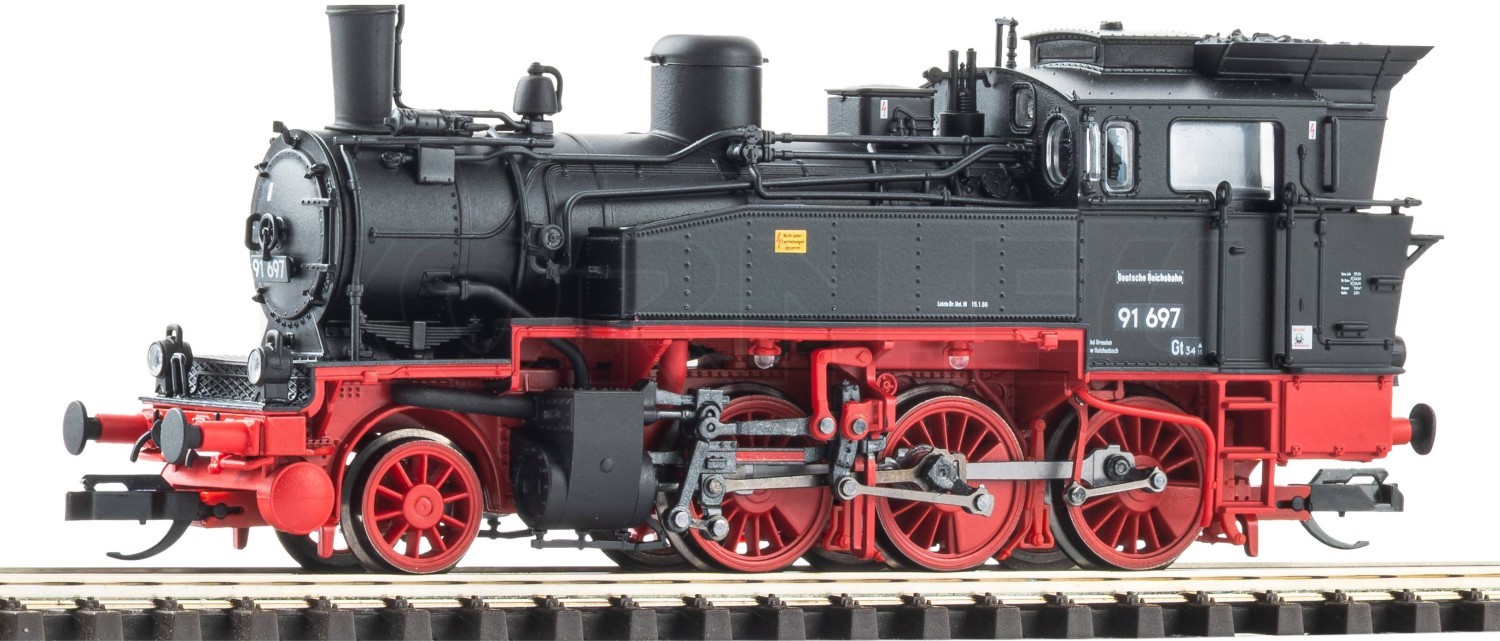
PIKO 50734 · H0 · DR · Era III Discover ↗
LOCOMOTIVES & ROLLING STOCK
TRACK & STARTER SETS
DIGITAL & ACCESSORIES
BUILDINGS & SPARE PARTS
A first look at the range
Explore all product groups ↓
Four ideas for your next train
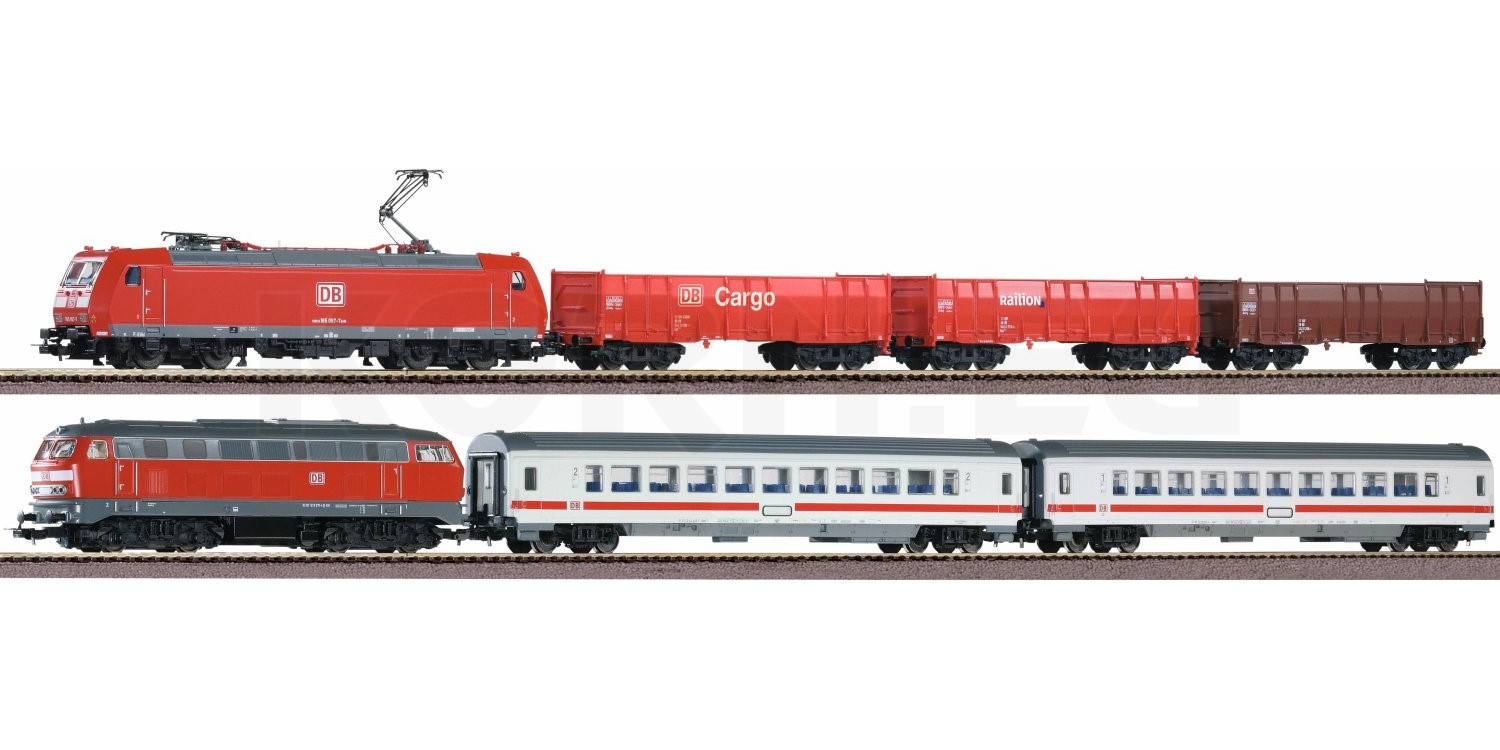
Find the right model faster
PIKO in the shop ↗
All PIKO products in the product finder
The overview loads PIKO product categories and their subsequent pages from the shop. Choose your gauge and product group, or search by class, catalogue number and EAN. New matches are added as the pages are read.
Loading product categories …
Preparing the product overview.
0
Your layout starts with a choice
Compare gauges ↗
Which PIKO gauge is right for you?
PIKO model railways in H0, TT, N and G open up different possibilities for your layout. The choice of scale affects the space required, the visual impact of the vehicles and your scenic design. Start by considering which trains you want to run and how much space will remain available. A small shunting yard has different requirements from a double-track main line with long passenger trains. Access to points, sidings and hidden track should also be part of the plan from the outset.
The versatile classic
H0 in 1:87 scale combines clearly visible details with a wide range of scenic possibilities. The PIKO range includes locomotives, passenger coaches, freight wagons, starter sets, buildings and track. Choose the appropriate AC or DC version of each vehicle. A convincing layout design needs to account for train lengths and the required curves as well as the overall footprint.
Plenty of railway in a manageable space
TT in 1:120 scale is an interesting choice if you want longer trains alongside clearly visible vehicle details. Steam, diesel and electric locomotives and railcars are available, together with matching coaches and wagons. Examples from the product selection include Class 91.3, Class 118 and the Talent 2. Always check the era, railway company and equipment before combining models.
Long routes in a small scale
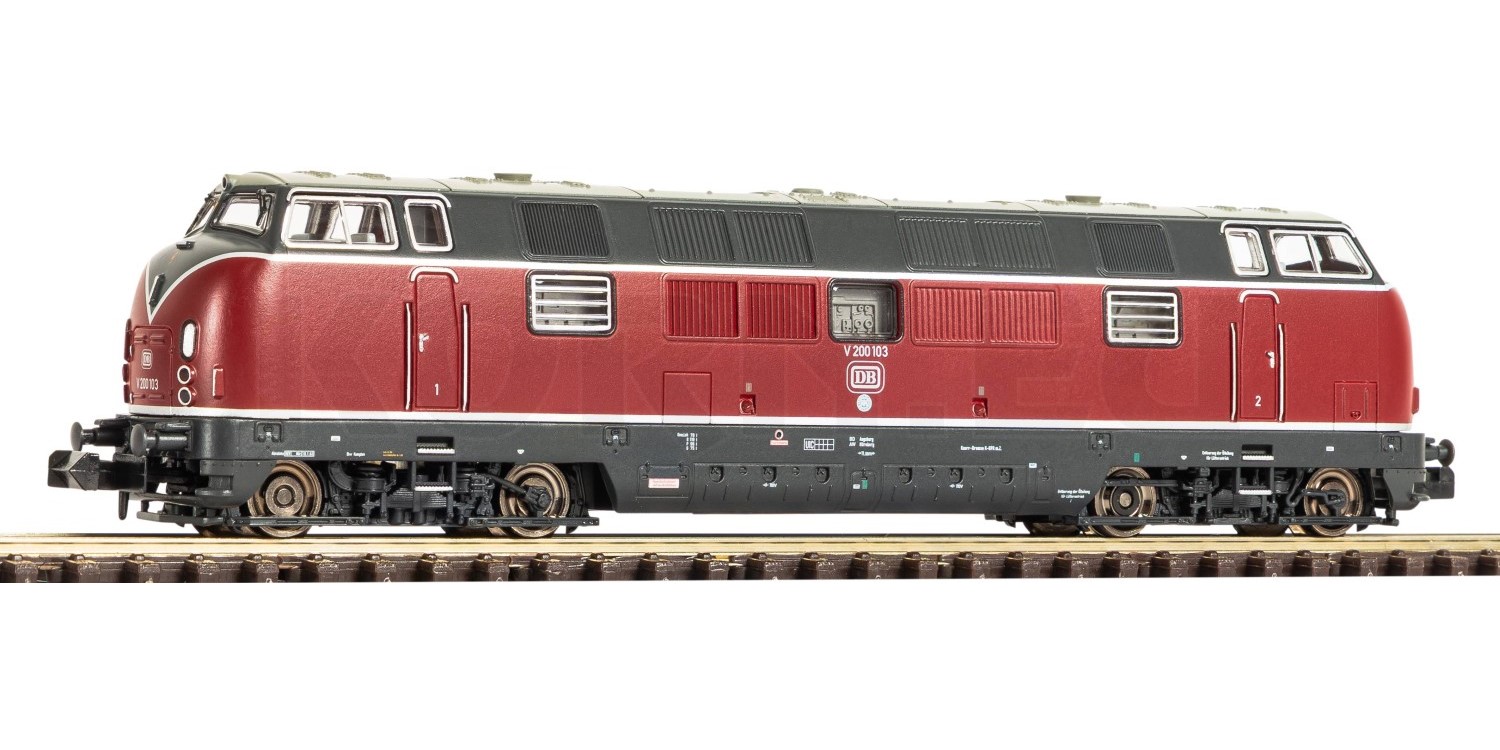
N in 1:160 scale leaves plenty of room for scenery around your railway. The selection includes Class V200.1 diesel locomotives, for example, alongside numerous electric locomotives, coaches and wagons. Despite the compact vehicles, allow enough space for stations and gently flowing track. Easily accessible track makes cleaning, maintenance and placing models on the rails easier later on.
Model railways with a substantial presence
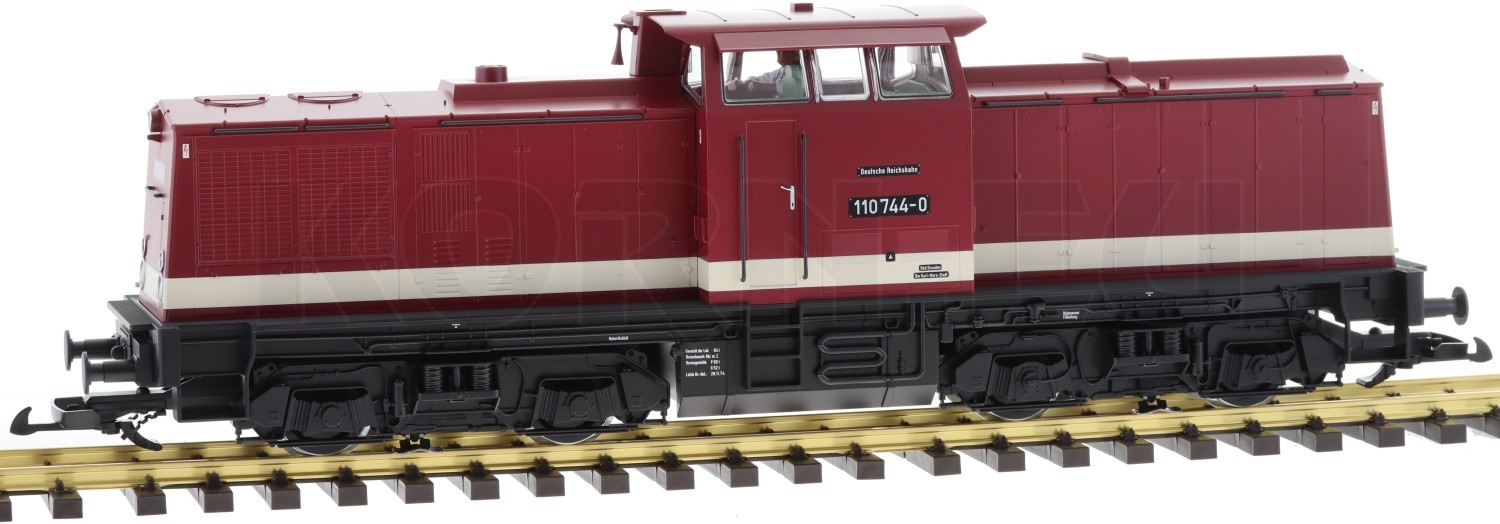
The PIKO garden railway range features large vehicles and its own track system. Locomotives, coaches, wagons, starter sets, buildings and control equipment can be combined into an extensive layout. For outdoor use, the base, drainage and accessible electrical connections are central planning considerations. Refer to the specific model for its scale and operating conditions; the G designation alone does not establish every detail.
Turn your selection into a coherent project
Start by noting three things: your gauge, your existing track system and the type of train operation you want. These details form the basis for further decisions. If you already own vehicles, collect their catalogue numbers and check which coaches, wagons, couplings or digital components suit them. For a new layout, a small working setup is often a good starting point for future expansion.
Then use the product categories to tackle individual tasks. Choose the vehicles first, the required track next and the surrounding scenery last. Planning a station, for example, involves sufficiently long tracks and accessible points as well as buildings and platforms. A prototypical train should fit into the intended sidings and station tracks. Also allow for a workspace for maintenance and care.
Always compare the equipment of similar offers. A different catalogue number may indicate a different era, running number, sound version or power system. The contents of a set also deserve a close look. Checking these features early helps you expand your model railway purposefully while keeping track of the components you already own.
Put together your next train
Locomotives based on the right prototypes
Start with the operations you want to recreate. A compact shunting locomotive suits short local freight workings and a small goods yard. Longer trains on the main line call for different prototypes and vehicle sizes. The product selection ranges from steam locomotives and classic diesels to modern electric locomotives. Class, railway company and era help you narrow down the choice.
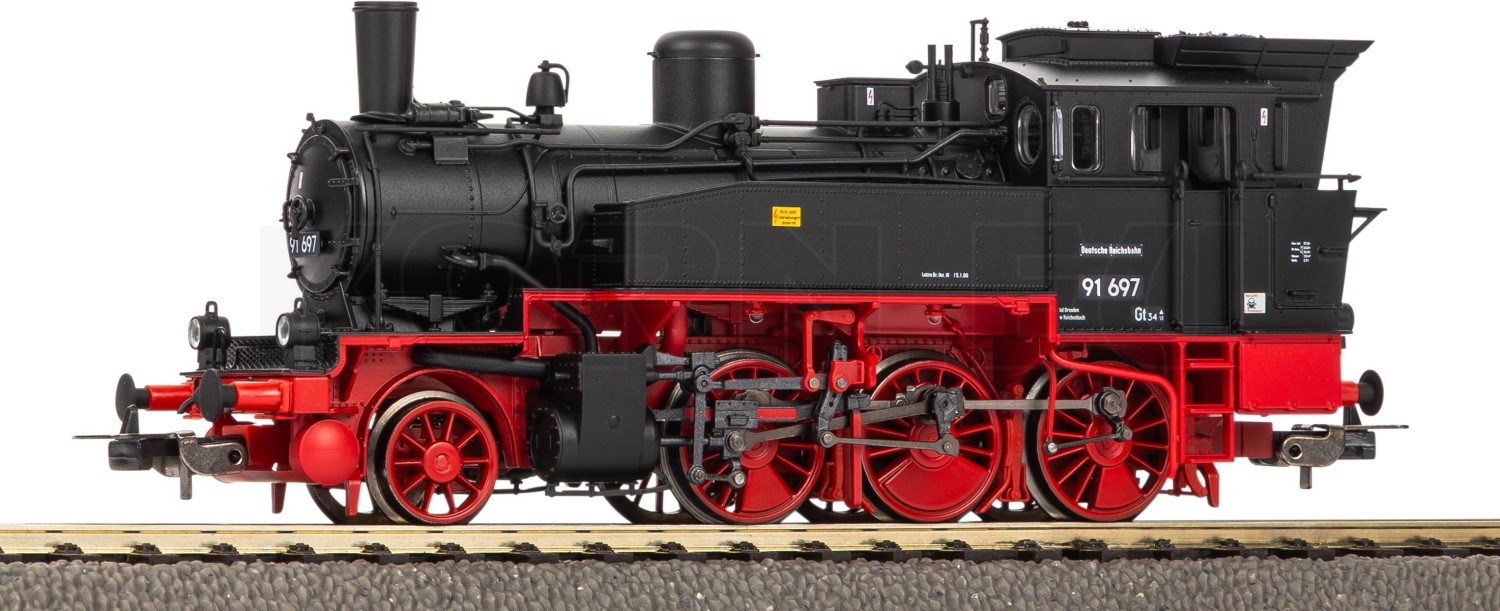
PIKO H0 offers versions of Class 91.3, Class 232 and the Vectron, for example. In TT, the range includes Class 243 and Class 118 vehicles. Compare variants using their full catalogue numbers: a similar livery may be accompanied by different electronics, a different running number or another system version. The product finder takes you to the relevant detail page.
Add suitable rolling stock and multiple units
Passenger coaches, luggage vans and driving trailers turn a locomotive into a complete passenger train. For freight wagons, you can choose a particular transport task: timber, containers, tank wagons or mixed freight trains each give the layout a different character. When putting a train together, consider the desired era, couplings and usable length of your station tracks.
Railcars and multiple units form their own product group. They are interesting choices for branch lines, regional services or modern shuttle routes. For multiple units, check the actual contents and possible extension sets. A driving trailer does not replace a powered locomotive, and a trailer is not automatically motorised either. The individual product description explains which vehicles and functions are included.
Get started and keep building
Starter sets, track and your first expansion
Begin with a suitable starter set
A starter set brings together several components to help you get started. Compare more than the train itself: which track is included, how is the layout controlled, and what power supply is provided? The range includes analogue and digital PIKO starter sets as well as garden railway sets. The exact equipment differs between offers. Check the contents before planning additional controllers or track connections.
A specific operating goal is useful for a first expansion. A passing loop allows trains to meet, a siding provides space for more vehicles, and a freight spur adds shunting duties. This lets your layout grow step by step. The model railways for beginners guide helps you make the basic decisions.
PIKO A-Track with or without bedding
PIKO A-Track is part of the H0 two-rail system. The version with bedding makes it easier to create a straightforward layout with a pre-formed track base. Without bedding, you can design the track bed individually and incorporate it into your scenery. Each topic has its own overview page: PIKO A-Track with bedding and PIKO A-Track without bedding.
Plan radii, points and track transitions together. The smallest technically possible curve is not automatically the best choice for long passenger coaches. Check the minimum radius required by your vehicles and test the intended routes before fixing the track permanently. Suitable PIKO H0 track sets and garden railway track sets offer further starting points.
Choose the right AC, DC, digital and sound versions
Distinguish between power system and operating mode
In the vehicle listings, AC and DC identify different system versions. Analogue and digital describe the method of control. A digitally operated two-rail layout does not therefore automatically need an AC model. In H0, check your existing track system first and then the desired decoder equipment. Wheelsets and electrical functions can also affect compatibility when combining coaches and wagons.
The specific version matters
A sound model includes the sound equipment stated in its description. A digital version without sound is a different variant. Similarly, an interface does not mean that a decoder is already fitted. Search using the full catalogue number and read the equipment details when several similarly named models are offered alongside one another.
Check the interface and functions
When retrofitting, the decoder, interface, available space and desired functions must suit the model. A PluX22 designation alone, for example, does not answer every question about the speaker, sound project and wiring.
Check before installation
Use the instructions for the specific locomotive and the intended decoder. This allows you to plan the combination around the actual version.
SmartControl and suitable digital equipment
PIKO SmartControl WLAN, SmartProgrammer and different decoders serve different purposes within a digital model railway. A controller manages operation, while a programmer is used for the settings it supports. Which devices work together and which functions are available depends on the particular generation and version. The PIKO SmartControl WLAN topic page provides a useful overview.
Plan your digital equipment around the result you want: would you like to run several locomotives independently, switch lighting functions or use a particular sound model? These choices determine the requirements for the command station and vehicle equipment. Further information is available in the decoder guide and under converting model railways to digital operation. Always check compatibility and connection requirements before ordering.
Buildings, scenic details and spare parts
Create a convincing setting
Stations, railway buildings, factories and houses give your model railway a location and a story. Start by choosing buildings according to gauge, footprint and intended use. A goods shed needs a suitably accessible siding, while a station forecourt needs room for paths and traffic. Buildings and trains look particularly convincing when their proportions and the setting they depict fit together.
The PIKO range also includes lighting, scenic details and other components. Plan cable routes and future access to electrical components before final installation. For garden railway buildings, follow the specific information about their intended use. A suitable scale does not replace an explicit statement about how a product can be positioned outdoors or used there over the long term.
Identify the right original parts
Motors, chassis, traction tyres, wheelsets, couplings, pickup shoes and small detailing parts are included in this product overview. The exact vehicle version is crucial when choosing them. Wherever possible, use your model's catalogue number and the spare part number from its documentation. A shared class designation is not always enough, because different variants may use different components.
The PIKO spare parts page explores this subject in greater depth. When searching for a spare part number, include hyphens and suffixes as fully as possible. If you cannot identify the correct part, the specific model's spare parts drawing is a better starting point than visual similarity. This helps you fit the part actually intended for your existing vehicle.
New models and familiar favourites
Visit the brand overview ↗
PIKO topics by year and gauge
The general PIKO product overview connects the current range with relevant topic pages. If you are looking for a particular year's new releases, the following links take you to the corresponding overviews. The year on a topic page does not indicate the release date of every item in the complete product finder. Refer to the individual product information for each model.
Questions about PIKO model railways
Which gauges does PIKO offer?
The main PIKO model railway ranges are H0, TT, N and G. The product finder also takes account of the specific gauge information for individual accessories. A shared accessory classification does not mean that complete vehicles in different scales can be used on the same layout.
Can I combine PIKO models with other manufacturers' products?
This depends on the gauge, track system, wheelsets, couplings and, where applicable, digital equipment. Check these features on the specific product. The brand name alone determines neither the mechanical connection nor electrical compatibility.
How do I find a particular locomotive or spare part?
Enter the full catalogue number, an EAN or a distinctive term in the search. Add the gauge and product category if needed. Class, railway company and era also help identify vehicle variants. For spare parts, the spare part number is usually particularly useful.
Why are products added gradually?
The range covers many different product categories. The overview loads current shop listings and continuously expands its search. The results line shows the loading progress. Select “Show more products” to display additional matches; there is no fixed limit to the first 100 products here.
How do B-stock and C-stock differ from other offers?
These offers may have particular condition details or different contents. The finder labels the relevant products and provides a separate condition filter. Read the description of the specific offer before comparing it with a regular version.
Can a sound locomotive automatically be used with any digital command station?
The supported digital protocols and the particular equipment are decisive. Operation and the range of functions may also differ. Compare the information for the locomotive, decoder and command station before combining them into one control system.