Locomotive & Drive
Clean locomotives, oil approved bearing points, lubricate gears and maintain conventional motors.

Reliable model railway operation depends on clean wheels and track, good electrical contact, free-running gears, intact traction tyres, correctly adjusted couplings and properly maintained wagon axles. Find the right maintenance guide for every task – from basic locomotive cleaning to recommissioning models after years in storage.
Model railway maintenance involves much more than occasionally oiling a locomotive. Reliable operation depends on the interaction of clean wheels, functioning current collectors, smooth-running gears, intact traction tyres, clean track, correctly adjusted couplings and well-maintained wagon axles.
The order in which problems are investigated is important. If a locomotive jerks, the motor does not automatically need to be dismantled. Dirty wheels or rails are often a much simpler explanation.
If tractive effort decreases, traction tyres may be involved. A noisy or stiff drive requires a different inspection from a vehicle suffering from poor electrical contact. This is why each maintenance task is covered in its own detailed guide.
Maintenance frequency also varies from one model to another. Operating hours, vehicle construction, age, operating conditions and manufacturer specifications determine the actual requirement.
A collection that is operated only occasionally requires a different maintenance rhythm from a layout running a regular timetable. Vehicles that have stood unused for a long period should first receive a visual and functional inspection before additional lubrication is considered.
Clean locomotives, oil approved bearing points, lubricate gears and maintain conventional motors.
Maintain wheels, pickup shoes, pantographs, traction tyres and carbon brushes.
Reduce rolling resistance, adjust couplings and keep track electrically reliable.
Store models correctly, restart them safely and create sensible maintenance intervals.
Begin with the wheels, track and, where applicable, the pickup shoe or pantograph. Electrical contact problems should be ruled out before the motor or decoder is investigated.
Spinning wheels or reduced pulling power can indicate worn traction tyres. Also inspect wheels and rails before replacing components.
Humming, grinding or stiff operation requires a mechanical inspection. Determine first whether oil or gear grease is actually specified for the relevant component.
Fibres and dirt around axle points increase rolling resistance. Clean and inspect the wheelsets and bearings before adding lubricant.
Different coupling heights, stiff close-coupling mechanisms or damaged coupling pockets can cause unwanted train separation.
Do not immediately operate vehicles under full load after a long break. Inspect, clean and perform a cautious low-speed test first.
Each guide covers one clearly defined maintenance task with diagnosis, step-by-step instructions, typical mistakes, gauge-specific considerations and matching products.
Cleaning and lubrication belong together but are not the same task. First assess dirt and mechanical condition, then maintain the vehicle selectively.
Clean bodies, running gear, wheels and technical areas without damaging sensitive materials and avoid common mistakes with unsuitable cleaning products.
Identify approved lubrication points, apply very small amounts of oil and prevent lubricant from reaching wheels, traction tyres or electrical contacts.
Inspect gears and worm drives and use the grease or lubricant specified by the manufacturer for the particular drive.
Recognise wear on conventional brushed motors and select replacement carbon brushes according to the exact motor and vehicle version.
Poor electrical contact and worn drive components directly affect slow-speed operation, pulling power and reliable railway service.
Diagnose cracked, hardened, stretched or displaced traction tyres and install replacement tyres that precisely match the vehicle and wheelset.
Inspect worn or bent centre pickup shoes and determine the correct design and length for the particular vehicle.
Remove deposits from locomotive and wagon wheel treads to improve current pickup and reduce the transfer of contamination back onto clean track.
Maintain pantographs and delicate contact strips without damaging fine joints, springs or roof equipment.
Maintenance does not end with the locomotive. Poorly rolling wagons and dirty track increase train resistance and create avoidable operating problems.
Inspect wheelsets, axle points and bearing locations so that passenger and freight wagons continue to roll freely and quietly.
Check coupling height, NEM mounting, close-coupling kinematics and centring to prevent unwanted train separation.
Remove dust, contact deposits and scenery-construction residue and choose between manual track cleaning and cleaning vehicles.
Compare classic cleaning wagons, polishing cars, abrasive cleaning systems and active track vacuum cleaners according to their task and gauge.
A model railway also requires attention while it is not running. Correct storage and controlled recommissioning help prevent consequential damage.
Protect vehicles and layouts from dust, moisture, sunlight and mechanical loads and organise larger collections efficiently.
Inspect and clean vehicles that have stood unused for months or years and then carry out a cautious low-speed test.
Combine operating hours, actual condition and manufacturer specifications into a sensible maintenance plan for locomotives, wagons and track.
The basic maintenance principles apply to all scales. Differences arise primarily from vehicle size, motor construction, power system and operating environment.
| Gauge | Typical Maintenance Focus | Particular Consideration |
|---|---|---|
| Z / Zm | Extremely fine mechanics and small electrical contacts | Clean and lubricate particularly sparingly. |
| N / Nm / Ne / Nf | Wheel contacts and low vehicle weight | Clean wheels are particularly important. |
| TT / TTm / TTe / TTf | Older and modern motor designs | Identify spare parts according to the exact vehicle. |
| H0 AC / H0 DC | Very wide variety of vehicles and systems | On AC vehicles, also inspect the centre pickup shoe. |
| H0e / H0m / H0f | Compact narrow-gauge running gear | Treat fine gears and electrical contacts carefully. |
| 0 / 0e / 0m | Larger mechanisms and heavier models | Inspect gearboxes and axle bearings. |
| 1 | Large, high-value vehicles | Follow the model-specific maintenance schedule. |
| G / IIm | Garden railway and outdoor operation | Also inspect for dust, soil and moisture-related contamination. |
Compare scales, track gauges, space requirements and typical system characteristics before selecting vehicles, replacement parts or maintenance equipment.
With spare parts and lubrication schedules, correct assignment to the manufacturer and exact article number is particularly important.









A good model railway workshop does not need to be large. Suitable maintenance products, a safe work surface and precisely matched replacement parts are more important. Apply lubricants only in accordance with the instructions for the individual model.
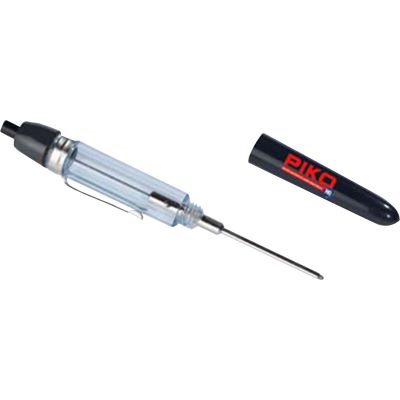
Precise dosing for approved lubrication points on compatible model railway vehicles.
View Product →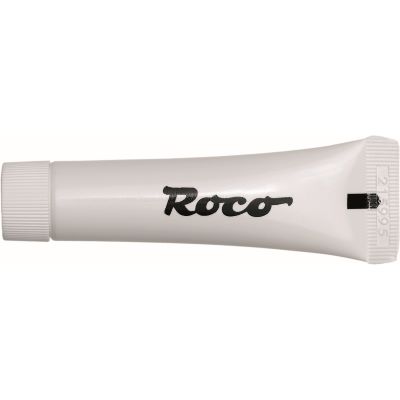
Maintenance product for compatible gearbox components where grease is specified by the manufacturer.
View Product →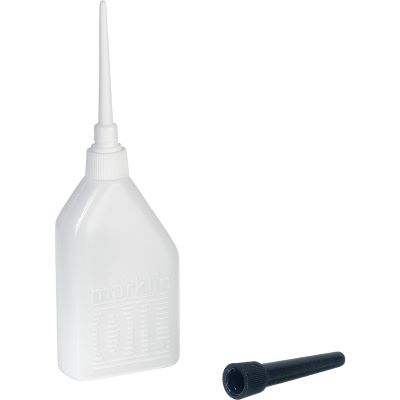
Fine dosing for targeted vehicle maintenance at approved lubrication points.
View Product →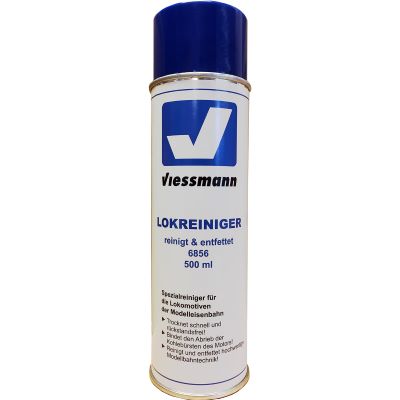
Cleaner for suitable maintenance and vehicle-care applications.
View Product →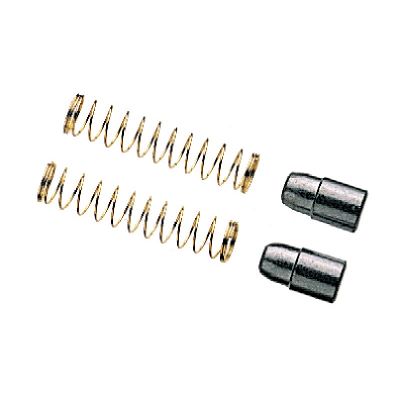
Example of a motor wear part that must be selected according to the exact vehicle and motor design.
View Product →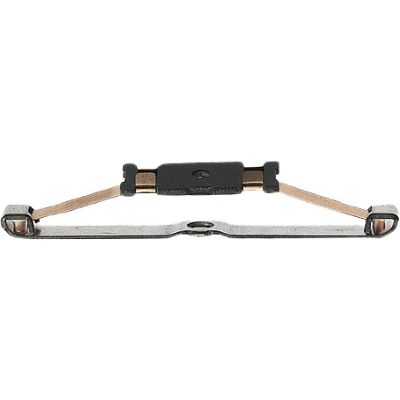
Centre-contact pickup shoe for compatible H0 vehicles.
View Product →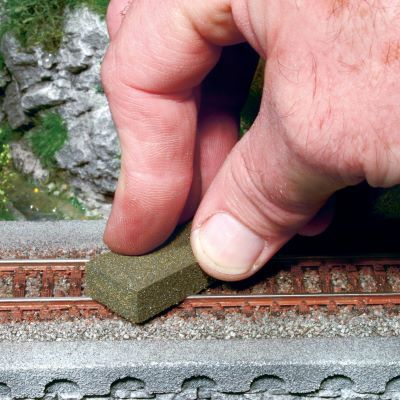
Practical tool for targeted manual cleaning of model railway railheads.
View Product →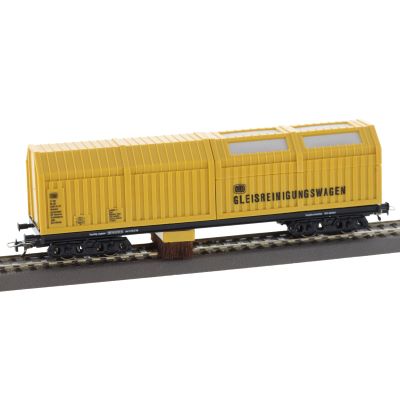
Active dust removal for long and difficult-to-access model railway track sections.
View Product →Select the appropriate product group according to the maintenance task and then filter the current shop range by manufacturer, gauge and exact product designation.
Products for bearings, gearboxes and suitable vehicle-cleaning work.
Replacement tyres for compatible locomotives and wheelsets.
Carbon motor brushes for compatible conventional motor designs.
Contact components for centre conductor, overhead wire and wheel pickup.
Replacement and conversion parts for locomotives and rolling stock.
Rail cleaning, polishing and active dust collection during operation.
Safe work supports for delicate locomotives and rolling stock.
Motors, wheels, couplings and further technical replacement components.
Traction tyres, carbon brushes, pickup shoes and many other locomotive spare parts are model-specific. Use the manufacturer, catalogue number and technical design instead of relying on the gauge alone.
If a mechanism is blocked or extremely stiff, do not attempt to free it by applying more voltage or lubricant.
Broken gears, damaged worm drives or unknown internal damage require proper diagnosis rather than experimental lubrication.
Loose wires, failed decoders, short circuits and unexplained overheating should be investigated systematically.
Professional inspection can be particularly sensible for valuable collector models, older vehicles with unknown history and models with complex sound and lighting technology.
If a complete drive would need to be dismantled or the technical fault cannot be identified safely, professional service is often the better option.
Concise answers covering maintenance planning, troubleshooting and safe care of locomotives, wagons and track.
Regular maintenance includes inspecting and cleaning wheels, track and electrical contacts as well as observing gearboxes, traction tyres, couplings and wagon axles. Lubrication and component replacement are carried out according to the condition of the model and the manufacturer's specifications.
There is no universal interval. Operating hours, construction, condition and manufacturer instructions are more important than a fixed calendar date. The separate maintenance-interval guide explains how to create a practical maintenance plan.
Begin with the track, wheel treads and current collection. On centre-contact vehicles, also inspect the pickup shoe. Only after these areas are clean and functioning correctly should the motor or electronics be investigated in greater detail.
No. Lubrication points and intervals differ between vehicles. Some drives require oil at particular bearing points, while certain gearbox components require special grease. The instructions for the exact model are decisive.
Inspect traction tyres when they become cracked, hardened, poorly seated or when tractive effort decreases noticeably. Replacement tyres must match the particular vehicle and wheelset.
Dirt and fibres around axle points and bearings increase rolling resistance. With long trains this requires additional tractive effort from the locomotive. Free-running wagons improve the performance of the complete train.
Cleaning and track-vacuum cars are particularly useful on larger layouts, in tunnels and hidden staging yards. The most suitable design depends on the gauge and type of contamination.
Inspect the body, wheels, electrical contacts, traction tyres and mechanism. Then perform a slow test run without a heavy train. Stop the test if the vehicle blocks, becomes unusually hot or produces abnormal noises.
Store them in a dry location, protected from dust and without pressure on delicate separately fitted parts. Original packaging, suitable storage boxes and showcases are good solutions. Avoid direct sunlight and problematic humidity.
Professional service is often the better option for blocked drives, damaged gearboxes, difficult electronic faults or valuable models whose safe dismantling is unclear.
Use this page as the central entry point and continue directly to the appropriate detailed guide – from locomotive cleaning and lubrication to track care, storage and recommissioning after a long operating break.
Guide reviewed: 9 August 2026