Steam locomotives based on a variety of prototypes
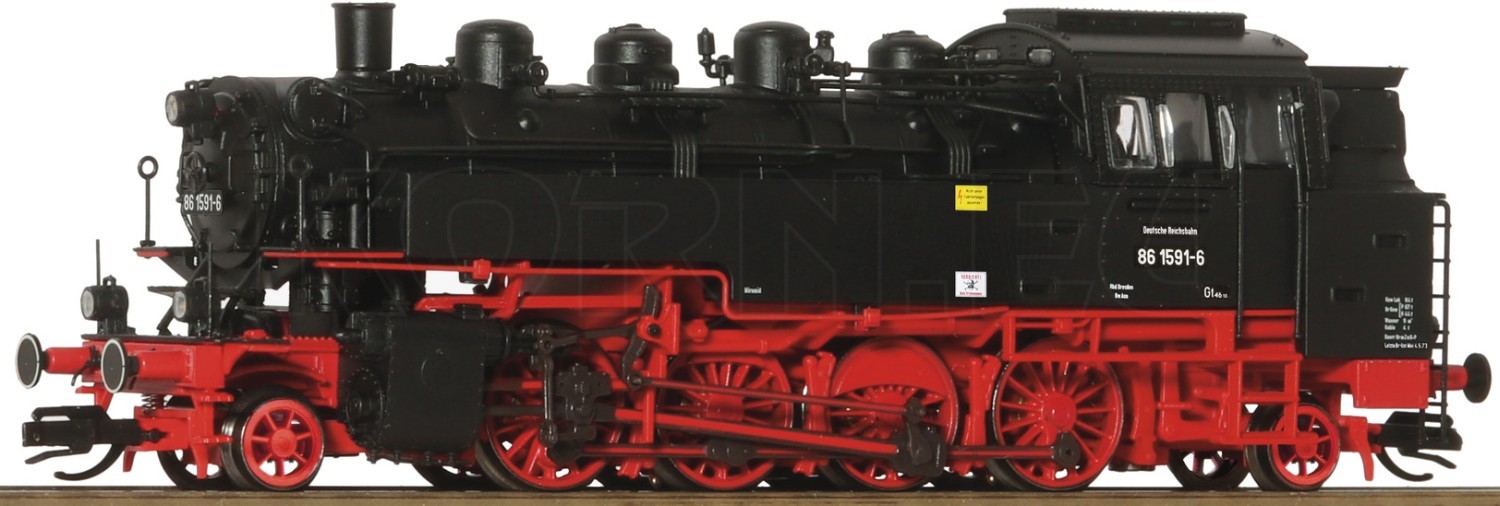
In H0, the selection ranges from ÖBB Class 52 and DRG Classes 24 and 86 to DR 58 3005-4. ČSD, PKP, FS, VSM and USATC broaden the themes. It is worth comparing variants carefully: some models offer separate sound versions with and without dynamic steam. Similar names therefore do not necessarily mean identical equipment.
TT highlights include Classes 86 and 38 and the Polish TKt 3. Short passenger and baggage coaches offer possibilities for manageable branch line trains. The specific railway operator, the operating condition depicted and the chosen coaches matter, alongside the era.
Compare steam locomotive variants →
Electric locomotives for European routes
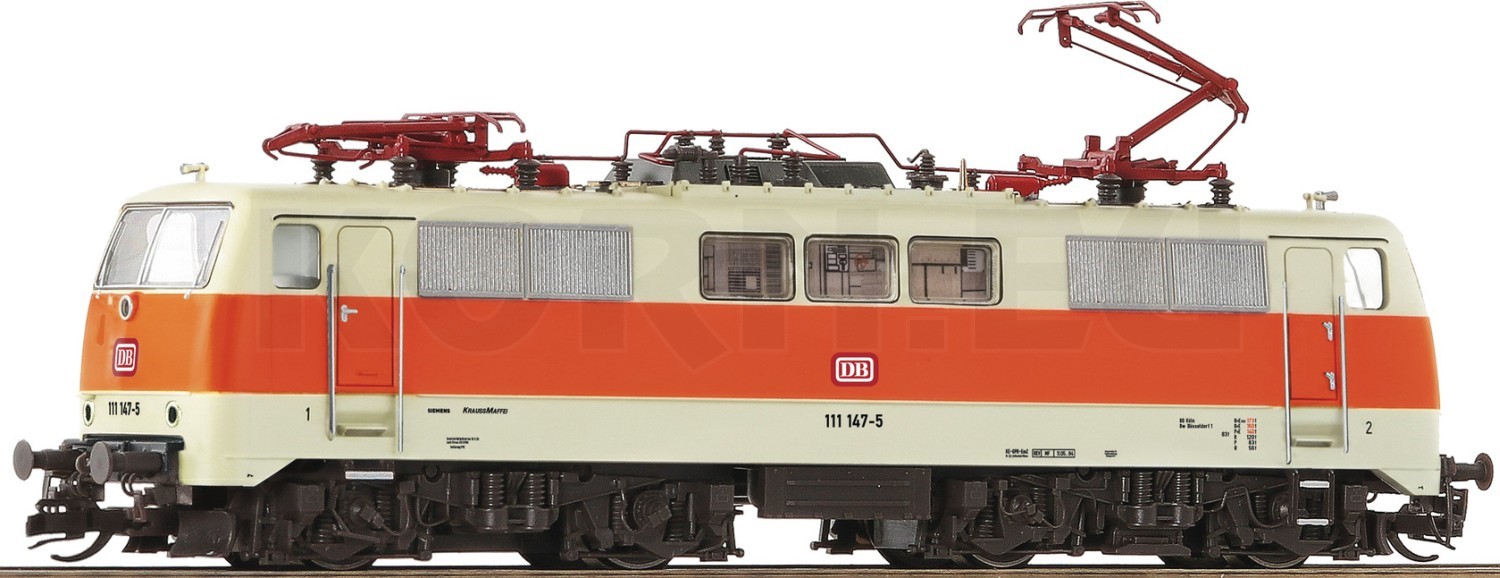
Roco combines classic electric locomotives with modern multi-system vehicles. The H0 selection includes ÖBB, SBB, ČSD, ČD, SNCF, NS, MÁV and PKP, as well as numerous private operators. Lokomotion, Railpool, CFL Cargo, RTC and other railways bring different operating roles to your layout. The search brings related vehicle families together while keeping their order numbers distinct.
One particular focus is LKAB’s IORE twin-section locomotive with matching ore wagon sets. In TT, the Taurus family adds to the long-distance outlook. Take note of the manufacturer’s project-specific information: inclusion in the range, planned implementation and a specific delivery date are different pieces of information.
Filter electric locomotives by gauge →
ICE3neo, FLIRT and other multiple units
The ICE3neo in the Europe livery is included in H0 as a four-piece basic set with matching extensions. Other subjects include FLIRT Evo for SBB and Thurbo, FLIRT 3 for Arverio and the Swiss RABe 502. With these trains, start by deciding how long the complete formation should be and which parts are needed to assemble it.
In TT, powered railcars and trailers from the M 152 and 810 families offer a different approach: short formations for branch lines and smaller stations. For additional vehicles, check lighting and decoders separately from the drive system. A digital coach is not automatically a self-propelled vehicle.
View multiple units and extensions →
Passenger coaches with a clear train theme
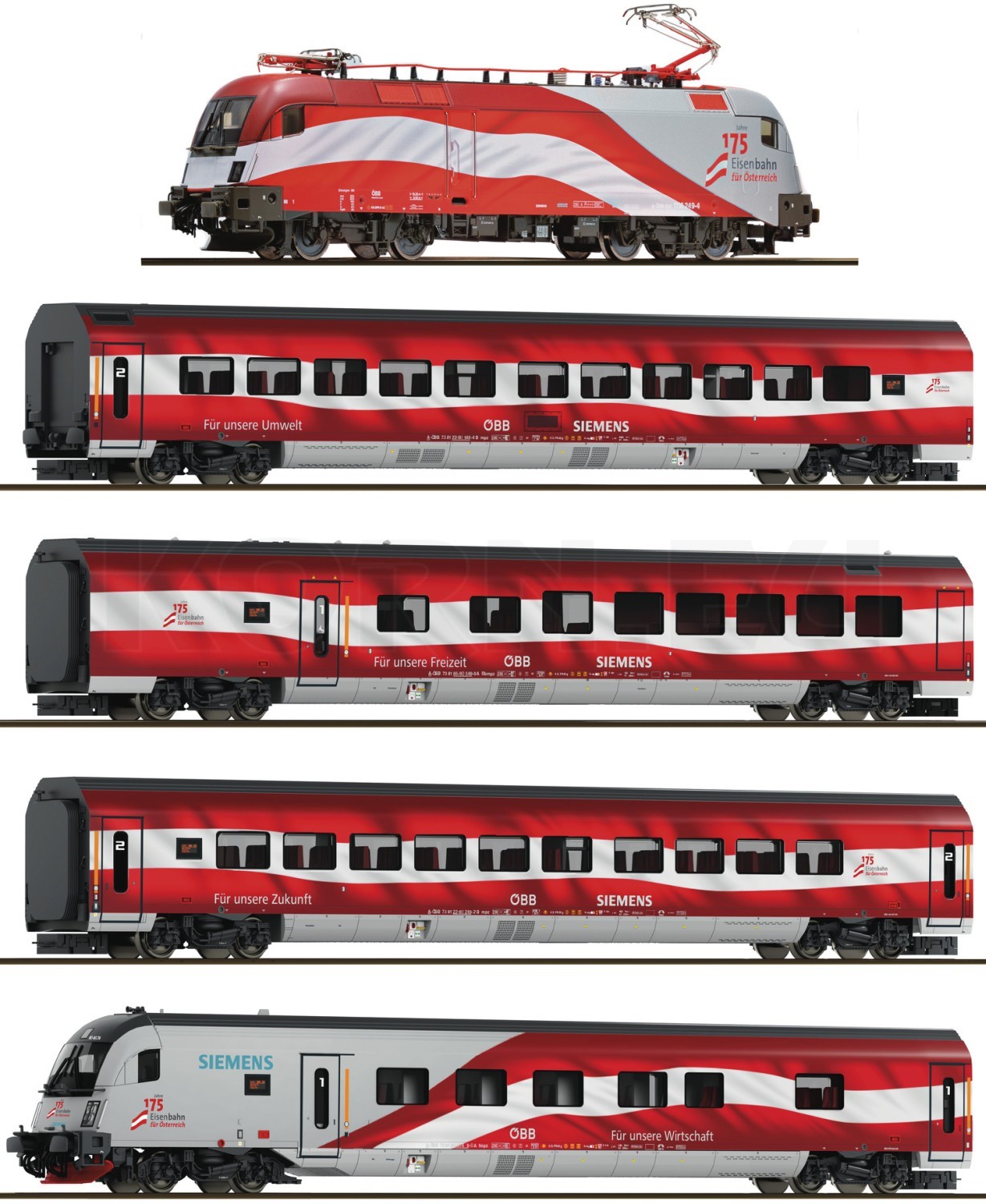
The Loreley Express, EC 25 “Franz Liszt”, Touropa coaches, international Eurofima formations and PKP InterCity coaches provide concrete starting points in H0. Compare basic and extension packs using their full article numbers. Splitting a train across several sets allows it to be extended; always check the contents of each pack.
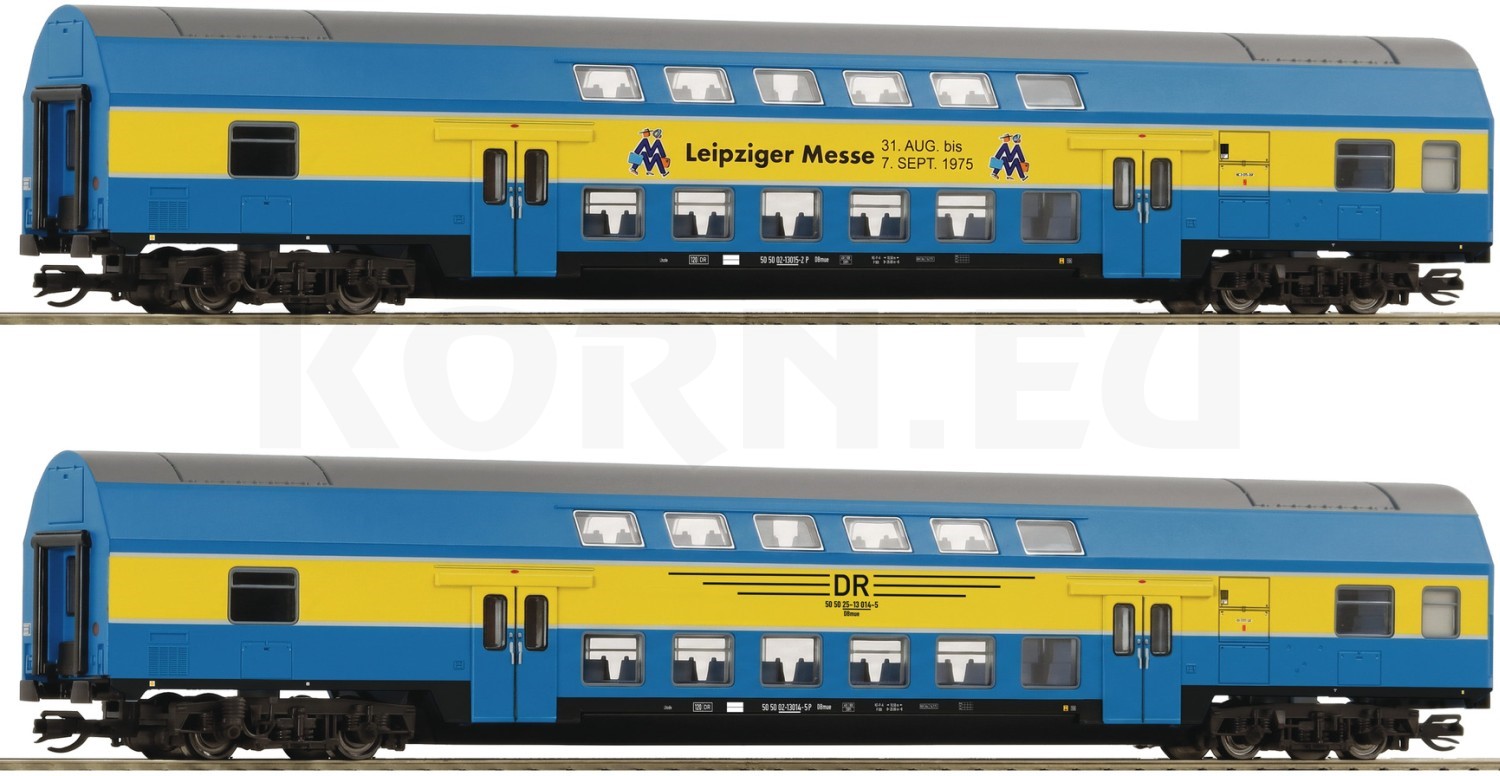
The TT coach range extends from historic Donnerbüchse coaches through rebuilt and double-deck coaches to the City-Bahn theme and Railjet project. For push-pull trains in particular, check both locomotive and driving trailer: directional lighting, interior lighting and digital functions may differ between versions.
Discover coach families →
Freight transport from steel trains to containers
Several wagon groups focus on DB AG steel traffic. They are joined by pocket and container wagons, ore wagons, tank wagons and international freight stock. Choose a transport task first. A coherent group of wagons often looks more convincing than a random mix, even when both contain the same number of vehicles.
In TT, the selection also includes sliding-tarpaulin, potash and pocket wagons. On loaded models, the specific load contributes to the appearance alongside the operator. For layout operation, storage siding lengths and shunting options are important: even a small loading point can give a freight train a clear purpose.
Choose goods wagons →
Diesel operations and compact train ideas
The TT diesel locomotive selection includes DR vehicles and various Czech versions. V300, Classes 112 and 120, and Classes 751 and 753.6 represent different prototypes and duties. Compare running numbers and liveries: a different number may matter more to your collecting theme than an additional digital function.
If you are planning a branch line or junction station, you can start with just a few vehicles. A locomotive, matching rolling stock and a useful track arrangement already allow varied operations. Then add a second task deliberately, such as a passenger service or local freight working, instead of introducing several unrelated vehicle themes at once.
View diesel locomotives →