Modellbahn Keks
Welcome!
Our cookies offer you a fast, relaxed and full-featured shopping experience. Some are necessary to operate the website and its functions. Others help us to improve our services. If you agree to this, simply consent to the use of cookies for preferences, statistics and marketing by clicking on "OK". Alternatively, you can deactivate individual cookies under "Customise cookies" or all cookies, except those required for the function of our website, under "Reject all".
Replacement services, special trains and classic passenger coaches

TRI Train Rental Model Trains | H0, N, G & Z

TRI Train Rental combines classic electric locomotives, modernised n-coaches and flexible rental-train concepts with contemporary railway operation. Discover Class 110 locomotives, Wittenberg driving trailers, replacement and special services and suitable models in H0, N, G and Z gauge.

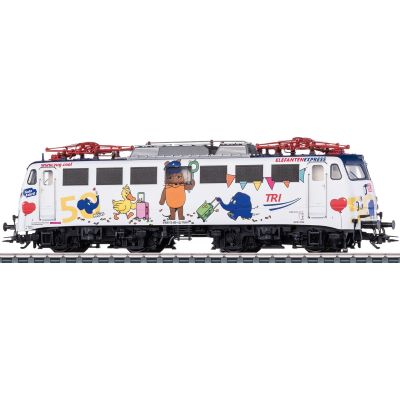
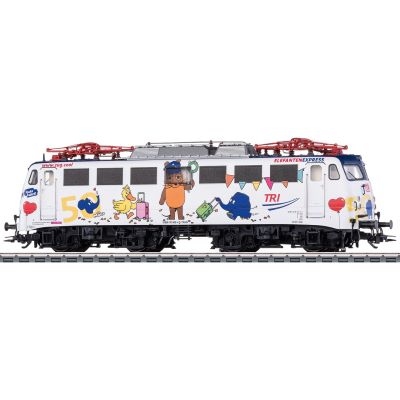
Märklin H0 TRI Train Rental Class 110.3 Elephant Express electric locomotive
Rental vehicles for planned and short-notice services

What Is TRI Train Rental?

TRI Train Rental is a German railway undertaking and rolling-stock company. It was founded in 2013 with the aim of preserving classic locomotives and passenger coaches, technically upgrading them and returning them to commercially viable operation. What began as a vehicle rental business developed into a provider capable of planning and operating complete railway services.

Replacement train operation is an important field of activity. When regular vehicles are unavailable because of workshop visits, technical problems, delivery delays or extensive modifications, TRI can provide locomotives, coaches, staff and operational organisation. This results in classic locomotive-hauled trains appearing on routes normally served by modern multiple units.

Further activities include emergency services, special trains, additional peak services, event traffic and longer-term regional passenger operations. TRI uses its own electric locomotives from Classes 110, 111 and 113 as well as modern leased locomotives. Its passenger fleet ranges from n-coaches and compartment coaches to open saloon, sleeping, couchette and dining coaches.

Most TRI model vehicles belong to Era VI . The contrast between older vehicle designs and their current use is especially appealing. A blue or ocean-blue and ivory standard electric locomotive can operate with modernised coaches carrying current vehicle numbers and operator lettering.

From Silberling coaches to modern replacement services

Which Vehicles Define TRI Train Rental?

TRI’s recognisable appearance is created by using classic locomotives and coaches in a modern operating environment. Not every train has a uniform livery because vehicle origin, contract and duration of use can differ.

Class 110

This standard electric locomotive was used on passenger trains for decades. TRI continues to use it for special, replacement and transfer services. Models of Class 110.3 combine the classic angular body with modern operator lettering.

Suitable train types

n-coach push-pull train, special train, additional service or classic passenger train.

Classes 111 and 113

Class 111 is closely associated with regional and push-pull services. The faster Class 113 is suitable for passenger-train duties. Together, they extend the TRI theme beyond the Class 110 models that are especially common in model form.

Model railway use

A neutral locomotive variant can be customised using suitable lettering and precise prototype research.

n-Coaches and Silberlinge

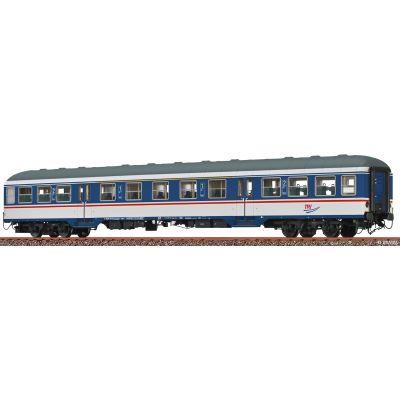
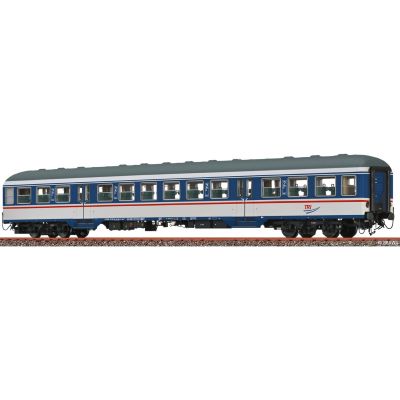
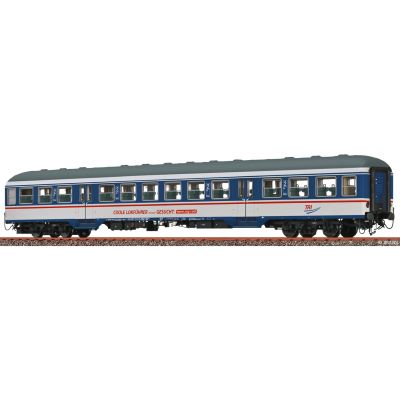
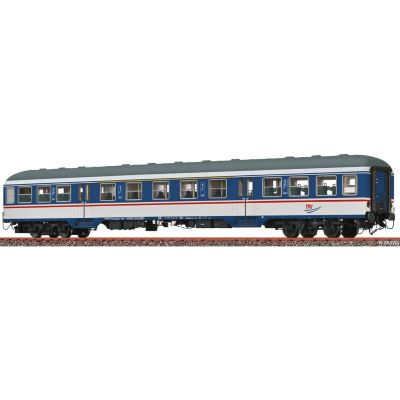
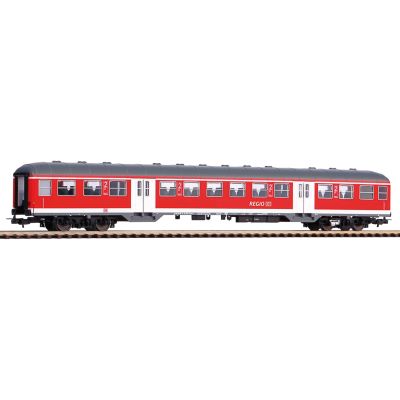
The n-coaches commonly known as Silberlinge are among TRI’s most important vehicles. Individual variants differ in seating class, braking equipment, interior arrangement and technical modernisation.

For a convincing train

Combine coaches with different running numbers and operational purposes.

Wittenberg Driving Trailer

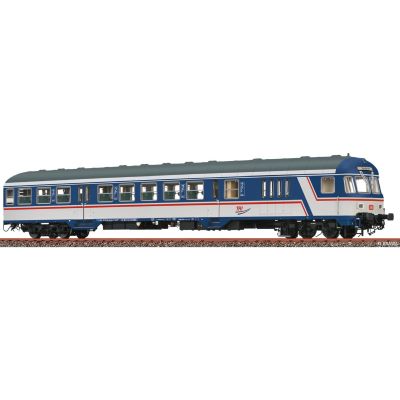
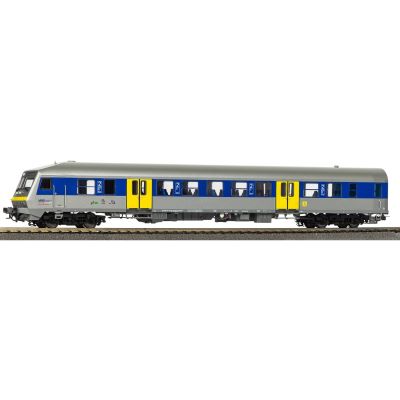
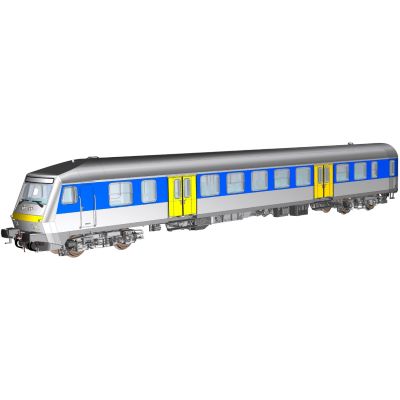
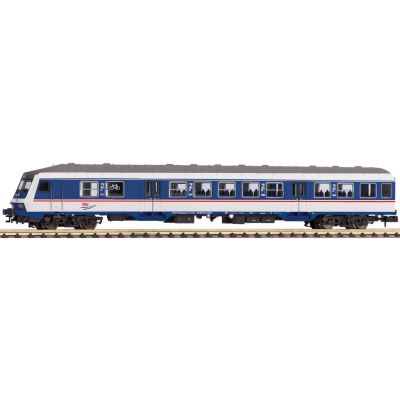
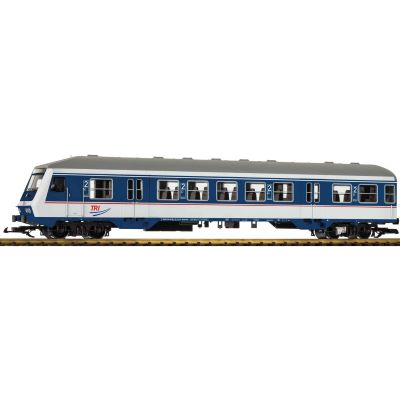
The Wittenberg cab was created by rebuilding older regional passenger coaches. Its angular front permits push-pull operation, so the locomotive does not have to run around the train at the terminus.

Operational advantage

A model train can operate realistically in both directions.

Halberstadt Centre-Entrance Coaches

Vehicles of East German origin can also appear in modern rental train concepts. Their distinctive centre entrances and driving trailer designs create a different appearance from classic West German n-coach formations.

Suitable setting

Regional replacement services or operation on behalf of another railway company.

Mixed Rental Trains

A replacement train does not have to look completely uniform. Technically compatible coaches from different sources can be combined. Couplings, braking equipment, door controls, maximum speed and push-pull capability should nevertheless be compatible.

Design rule

Variety can be prototypical, but arbitrary combinations are not.

Fleet and company development

Why Is TRI Particularly Suitable for Modern Model Railway Layouts?

TRI allows classic vehicles to be used without building an entire layout in an earlier era. Modern platforms, electronic displays, present-day signals, contemporary overhead-line masts and historic locomotives can all appear together.

2013 TRI Train Rental GmbH founded
15 main-line locomotives according to the company
100+ passenger coaches of different types
2020 operation as an independent railway undertaking began
TRI models from Z gauge to large scale

In Which Gauges Are TRI Train Rental Models Available?

Gauge Scale Model Selection Suitable Layout Concept Planning Advice
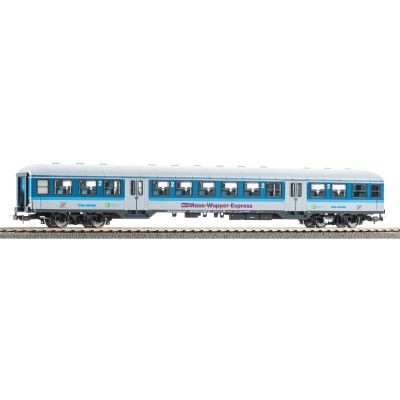
H0 1:87 Class 110, n-coaches, Wittenberg and Halberstadt driving trailers and illuminated coach variants. Regional replacement service, special train or complete push-pull formation. Distinguish between DC and AC operation; long coaches require sufficiently generous curves.
TT 1:120 Earlier TRI locomotive models and suitable passenger coaches are known as collector models or possible reissue subjects. A longer replacement train on a medium-sized layout. Check current reissues and compatible coach ranges before assembling a complete train.
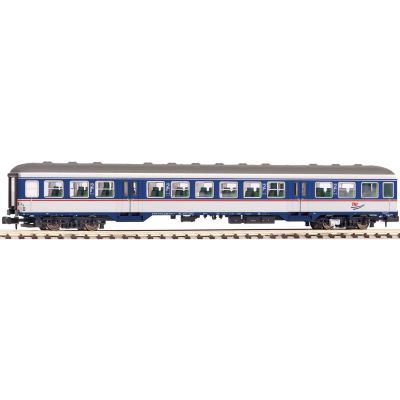
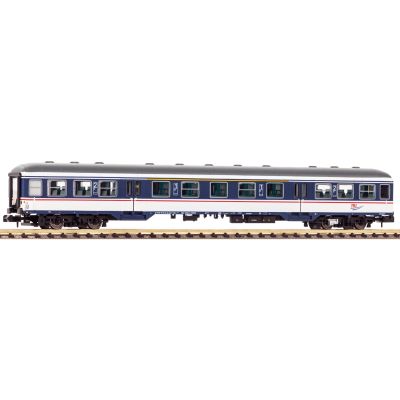
N 1:160 Wittenberg driving trailer and first-, second- and mixed-class passenger coaches. A prototypically long push-pull train within a limited area. Add a suitable locomotive from a modern or classic Era VI locomotive class.
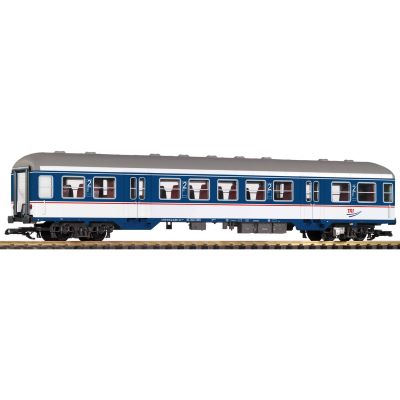
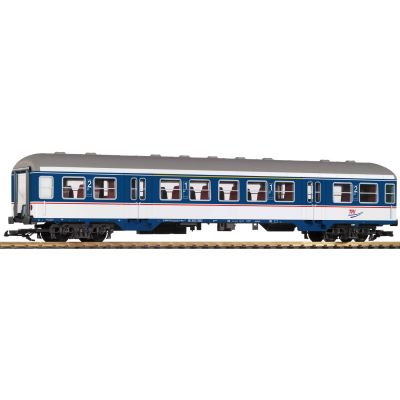
G Large scale TRI first- and second-class coaches and a Wittenberg driving trailer. Spacious indoor layout, garden railway or exhibition train. Plan coach length, weight and storage tracks at an early stage.
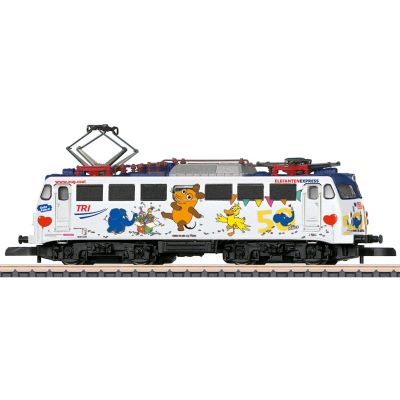
Z 1:220 Class 110.3 in the distinctive Elephant Express design. Compact special train or focal point on a small layout. Suitable coaches may need to be selected from a related modern passenger-coach range.
0 and 1 1:45 and 1:32 No broad regular TRI series was identified in the checked shop range. Individual model, diorama or custom-lettered rental train. Conversions require precise photographs, lettering and technical prototype information.
Combine the locomotive, coaches and driving trailer logically

How Do You Build a TRI Rental Train in Model Form?

A convincing TRI train begins with a clearly defined purpose. A regional replacement service requires different vehicles from a special train or transfer working. Train length, liveries and coach types may vary, but the formation should remain operationally plausible.

Classic n-Coach Push-Pull Train

The typical combination consists of an electric locomotive, several n-coaches and a driving trailer. Depending on the direction of travel, the locomotive either leads the train or propels it from the opposite end.

  • a Class 110 or Class 111 locomotive,
  • two to five second-class coaches,
  • one mixed first- and second-class coach,
  • a Wittenberg or Karlsruhe driving trailer.

Replacement Service with Mixed Coaches

A temporary replacement service can include different coach types. The vehicles should nevertheless have similar entrance heights, door systems and operational characteristics.

  • a classic electric locomotive or modern leased locomotive,
  • TRI coaches and technically compatible additional coaches,
  • current passenger-information displays on the platform,
  • modern Era VI infrastructure.

Halberstadt Push-Pull Train

A Halberstadt driving trailer combined with suitable centre-entrance coaches and an appropriate locomotive creates a noticeably different train from a West German n-coach formation. This subject suits regional rental operations in central or eastern Germany.

Special or Event Train

A longer train without a driving trailer can be used for football matches, major events or excursions. A distinctive locomotive such as the Class 110.3 “Elephant Express” provides the visual focal point.

N Gauge Push-Pull Train

The PIKO driving trailer and the two passenger-coach variants provide a good basic formation. Additional coaches or a suitable Era VI locomotive create a longer train without requiring especially long platforms.

TRI Large-Scale Train

In G gauge, first- and second-class coaches can be combined with the Wittenberg driving trailer. Because of the substantial vehicle length, even a three-part formation creates an impressive exhibition or garden-railway train.

Check compatibility: Depending on the catalogue number, H0 locomotives are designed for two-rail DC or centre-contact AC operation. For coaches, check wheelsets, interior lighting, coupling pockets and close-coupling mechanisms. A driving trailer may require a decoder, pickup shoe or additional current collection for a complete directional lighting change.
20 models and suitable additions

TRI Locomotives, n-Coaches and Driving Trailers

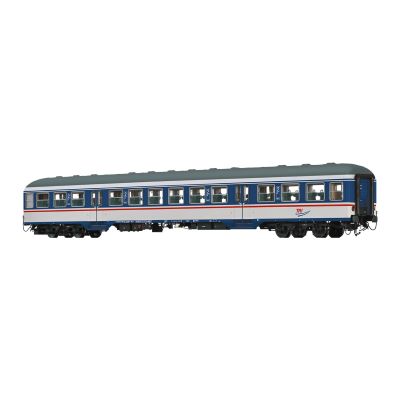
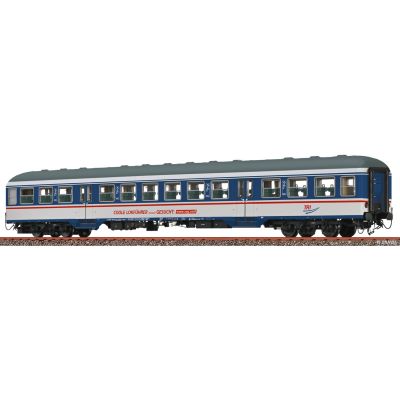
The selection includes direct TRI models and two suitable H0 coaches for modern rental or replacement services. All products are arranged by gauge. Details concerning electrical systems, interfaces, lighting and minimum radii are provided on the respective product pages.

H0 Gauge – Class 110, n-Coaches and Driving Trailers

H0 offers the largest TRI selection. In addition to Class 110.3, several coach variants with and without interior lighting and driving trailers for DC and AC layouts are represented.

Z Gauge – A TRI Focal Point in the Smallest Area

The Class 110.3 brings the Elephant Express theme to 1:220 scale and can operate with suitable modern passenger coaches.

Questions and easy-to-understand answers

Frequently Asked Questions About TRI Train Rental Model Trains

What Does TRI Train Rental Do?

TRI Train Rental is a railway undertaking and rolling-stock company. It rents locomotives and passenger coaches and also operates replacement, emergency, special and scheduled passenger services.

Which Model Railway Era Does TRI Belong To?

TRI was founded in 2013 and therefore belongs to Era VI. Many of its locomotives and coaches were built in earlier decades but carry current vehicle numbers and operator lettering.

Which Locomotives Are Typical of TRI?

Classic electric locomotives from Classes 110, 111 and 113 are especially typical. Modern leased locomotives from other classes may also be used depending on the contract.

What Is a TRI Replacement Service?

During a replacement service, TRI temporarily operates trains for another transport company. Reasons can include insufficient rolling stock, workshop visits, technical modifications or delays in the delivery of new trains.

Which Coaches Belong in a TRI Push-Pull Train?

A typical formation can consist of several n-coaches, one mixed first- and second-class coach and a Wittenberg driving trailer. A suitable electric locomotive operates at the opposite end.

What Is a Wittenberg Driving Trailer?

A Wittenberg driving trailer is a rebuilt regional passenger coach with a more modern cab. It permits push-pull operation, so the locomotive does not have to run around the train at the terminus.

Are TRI Models Available for Märklin H0?

Yes. The Class 110.3 is available as a Märklin-compatible centre-contact model. AC versions of selected passenger coaches and driving trailers are also represented. Other coaches may require replacement wheelsets.

Which Gauge Offers the Largest TRI Selection?

H0 offers the largest selection of locomotives, n-coaches, illuminated coaches and driving trailers. N gauge is suitable for compact push-pull trains, G gauge for large TRI formations and Z gauge for a particularly small locomotive focal point.

Can Different Coach Liveries Be Mixed?

Mixed coach fleets can appear in rental and replacement services. For a convincing model formation, the operating year, operator lettering, braking equipment, door controls and train purpose should nevertheless be compatible.

How Long Should a TRI Model Train Be?

A locomotive, two coaches and a driving trailer are sufficient for a small layout. Larger H0 layouts can accommodate five to eight coaches. Even longer formations are possible in N gauge within a comparable area.

Discover More Railway Companies and Modern Rental Trains

Learn more about Era VI, private railway companies, replacement services, electric locomotives, passenger coaches, gauges, digital technology and prototypical train formations.

Open the Main Guide