
Centrals






Are you looking for centrals that give your model railway layout precise digital control, flexible operation and reliable train management?
Then this category is exactly the right place: with suitable model railway centrals, digital command stations, DCC centrals, mfx control units, WLAN controllers, handheld throttles, booster-ready systems, digital starter sets, control units and power supply accessories, you can control locomotives, turnouts, signals, routes and digital functions with confidence.
Why are centrals important for digital model railways?
Centrals are the main control units of a digital layout. They send commands to locomotive decoders, accessory decoders, boosters, turnouts, signals and feedback systems.
What belongs to the Centrals category?
This category includes digital command stations, central stations, handheld controllers, WLAN throttles, starter digital sets, control units, power supplies, radio controllers, update tools and accessories for digital train control.
Why start with a digital command station?
A digital command station is the core of digital railway operation. It allows multiple locomotives to be controlled independently and can also switch digital accessories.
When should you choose a starter digital set?
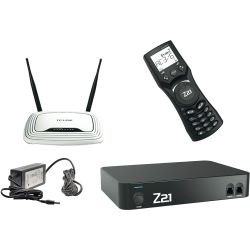
A starter digital set is useful when you want a coordinated entry into digital operation. It often combines a central unit, handheld controller and power supply in one practical package.
Why are handheld controllers useful?
Handheld controllers give direct and comfortable control of trains. They are ideal for shunting, station operation, walking around larger layouts and controlling locomotives without staying at one fixed panel.
What do WLAN controllers add?
WLAN controllers allow wireless operation and flexible movement around the layout. They are especially useful for larger rooms, club layouts, garden railways and layouts with several operators.
Why are touchscreen centrals popular?
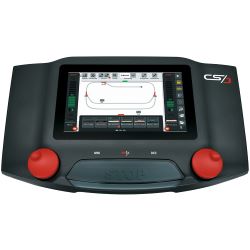
Touchscreen centrals combine locomotive control, turnout control, route planning and system settings in one visual interface. They make complex digital layouts easier to understand and operate.
When should you use a multi-protocol central?
A multi-protocol central is useful when locomotives with different decoder formats are used together. It can support mixed fleets with DCC, Motorola, mfx or other compatible protocols depending on the system.
Why is DCC control important?
DCC control is one of the most widely used digital control standards in model railways. It is especially important for two-rail layouts, decoder compatibility and flexible locomotive operation.
What does mfx control add?
mfx control is useful for many Märklin digital locomotives because compatible locomotives can communicate with the control system. It can make locomotive registration and function handling more convenient.
Why are Motorola protocols still relevant?
Motorola protocols are relevant for many older Märklin digital locomotives and accessories. A compatible central can help integrate classic digital stock into a modern layout.
What does RailCom add?
RailCom can provide feedback from compatible decoders to the digital system. This is useful for locomotive identification, advanced control and more transparent digital operation.
Which gauges use digital centrals?
Digital centrals are used in H0, G, N, TT, Z and many universal applications. The right choice depends on digital protocol, current demand, control style and layout size.
Typical central products at a glance
Why are H0 centrals so popular?
H0 centrals are popular because H0 layouts often combine several locomotives, turnouts, signals and lighting functions. A strong central makes digital control more organised and realistic.
When should you choose G scale centrals?
G scale centrals are useful when larger locomotives and longer trains need more power and flexible control. Wireless handheld units are especially practical for garden railway operation.
Can universal centrals be used across several scales?
Yes, many centrals are scale-independent when protocol, power supply and current output match the layout. The connected locomotives, boosters and track system must still be compatible.
How do centrals improve locomotive control?
Centrals allow speed, direction, lighting, sound and special functions to be controlled individually. This makes train operation more realistic than simple analogue speed control.
How do centrals improve sound locomotives?
Centrals make sound functions easier to access, switch and organise. Horns, station announcements, engine sounds and auxiliary functions can be controlled directly from the digital system.
How do centrals improve turnout control?
Centrals can control digital turnout decoders and route settings. This is useful for stations, yards, hidden staging tracks and complex junctions.
How do centrals improve signal control?
Centrals can switch digital signals and connect them with routes or operating scenes. This makes station operation, block sections and shunting areas more convincing.
How do centrals improve route control?
Route control allows several turnouts and signals to be switched together. This is especially helpful for station throats, hidden yards and realistic train paths.
How do centrals improve hidden staging yards?
Centrals help organise hidden staging yards with digital turnout control, feedback and route management. This makes hidden train storage easier and safer to operate.
Can centrals be combined with boosters?
Yes, many centrals can be expanded with boosters when the layout needs more power. Boosters are useful for large layouts, many illuminated trains or several operating districts.
Can centrals be combined with feedback modules?
Yes, feedback modules help report track occupancy, switch positions or sensor states to the central. This supports automation, computer control and safer hidden operation.
Can centrals be combined with computer control?
Yes, many digital systems can be connected to computers or layout software. This allows timetable operation, block control, route automation and advanced monitoring.
Can centrals be combined with app control?
Yes, selected systems support app or network-based control. This allows smartphones, tablets or WLAN controllers to operate trains and accessories depending on the system.
Can centrals be used for programming decoders?
Yes, digital centrals are often used to program locomotive decoders and accessory decoders. Programming tracks and CV settings help adjust addresses, speed curves, functions and behaviour.
Why is a programming track useful?
A programming track separates decoder programming from the main layout. It helps prevent accidental changes to other locomotives and makes setup work safer.
Why is locomotive address management important?
Locomotive address management keeps the digital system organised. Clear names, icons, addresses and function labels make operation faster and reduce mistakes.
Why is function mapping useful?
Function mapping helps assign lights, sounds and special functions to the desired buttons. This makes each locomotive easier to operate in daily use.
Why is current output important?
Current output determines how many locomotives and accessories can be powered safely. Larger layouts, sound locomotives and illuminated trains often need more power reserve.
Why is power supply compatibility important?
Power supply compatibility keeps the digital central stable and safe. The power supply must match the central’s voltage, current and connector requirements.
Why are boosters important?
Boosters divide a larger layout into power districts and provide extra current. They can improve reliability when many trains, lights and decoders are active.
Why are power districts useful?
Power districts limit the impact of short circuits and make troubleshooting easier. If one district has a fault, the whole layout does not always need to stop.
Why is short-circuit protection important?
Short-circuit protection helps protect locomotives, decoders, wiring and the central. It is especially important on layouts with hidden tracks, many turnouts and complex wiring.
Why is software updating useful?
Software updates can add functions, improve compatibility and support newer decoders or controllers. Update tools and network connections can keep a digital system current.
Why is system compatibility important?
System compatibility decides which decoders, throttles, boosters and modules can work together. Checking protocol and bus compatibility before buying prevents costly mistakes.
Can centrals control lighting?
Yes, digital centrals can control lighting through accessory decoders or switching modules. This is useful for station lights, house lighting, street lamps and night scenes.
Can centrals control moving scenery?
Yes, moving scenery can be controlled digitally through suitable decoders and modules. Barriers, doors, servos, turntables and animated effects can be integrated into routes or buttons.
Can centrals control turntables?
Yes, compatible digital systems can control turntables through suitable decoders or modules. This is useful for depots, engine sheds and locomotive servicing scenes.
Can centrals be used with analogue locomotives?
Digital centrals are designed for digital decoders, so analogue locomotives usually need conversion before full digital use. A suitable locomotive decoder allows the central to control motor and functions digitally.
How do you choose the right central?
Choose the central according to protocol, current output, layout size, control style, feedback needs and expansion options. Also consider whether you prefer a touchscreen, handheld throttle, WLAN system or starter set.
How do you plan a digital layout?
Start with locomotives, protocols, track plan, number of turnouts, signals and desired automation. Then select a central, boosters, feedback modules and decoders that fit the concept.
How do you avoid common digital control mistakes?
Avoid choosing a central only by price without checking protocol, power, compatibility and expansion. A good digital system should match both the current layout and future plans.
Which brands are important for centrals?
Important brands include ESU, Lenz, Märklin, Massoth, Piko, Roco, tams elektronik, Trix, Uhlenbrock, YaMoRC, Zimo and Lokstoredigital. These brands offer digital command stations, handheld controllers, WLAN systems, power supplies and digital accessories.
Why are ESU centrals useful?
ESU centrals are useful for powerful digital control, ECoS systems, mobile controllers and multi-protocol operation. They are especially interesting for layouts with many locomotives, sound functions and accessory decoders.
What makes Märklin Central Station systems practical?
Märklin Central Station systems are practical for Märklin digital layouts with mfx, Motorola and DCC-compatible operation. They are useful for touchscreen control, routes, locomotives and system-based expansion.
Why choose Roco Z21 systems?
Roco Z21 systems are popular for app-based control, WLAN throttles and flexible DCC operation. They are useful for H0 layouts, multiMAUS users and modern digital operation.
What do Uhlenbrock Intellibox systems add?
Uhlenbrock Intellibox systems offer broad digital control for locomotives and accessories. They are useful for operators who want a classic central with strong hands-on control options.
Why are Lenz digital systems interesting?
Lenz digital systems are important for DCC operation, starter sets and command station solutions. They are useful when reliable DCC control and structured expansion are priorities.
What do Massoth and Piko G scale systems add?
Massoth and Piko G scale systems are useful for large-scale and garden railway operation. Wireless controllers, higher power needs and robust control are especially important in G scale.
Why are tams elektronik and YaMoRC interesting?
tams elektronik and YaMoRC offer modern digital control and DCC-oriented solutions. They are useful for layouts that need network options, modular expansion and flexible digital architecture.
What should beginners consider before buying?
Beginners should choose a central that matches their locomotives, decoder protocol and layout size. A starter set with controller, central and power supply can make the first digital steps easier.
What should advanced modellers consider?
Advanced modellers often focus on feedback, boosters, route control, computer connection, WLAN control, decoder programming and future expansion. These details make complex layouts more reliable and enjoyable.
What should you check before buying centrals?
Before buying centrals, check protocol support, output current, power supply, booster compatibility, handheld controller options, feedback bus, programming features and software update options. Also consider whether the system should support app control, computer control, wireless throttles or multi-operator operation.
Which SEO terms fit this category?
Important SEO terms include centrals, model railway centrals, digital command station, model train control unit, DCC central, mfx central station, WLAN controller, handheld throttle, digital starter set, Roco Z21, Märklin Central Station, ESU ECoS, Uhlenbrock Intellibox, Lenz LZV200 and digital model railway control.
Additional semantic terms such as locomotive decoder, accessory decoder, booster, feedback module, programming track, CV programming, RailCom, Motorola protocol, mfx+, route control, turnout control, signal control, app control, computer control, WLAN throttle, digital power district and model railway digital accessories strengthen the topical relevance of this category.
Selection guide for centrals
Buy centrals for smart digital model railway control
Whether you need a digital command station, DCC central, mfx central station, WLAN controller, handheld throttle, digital starter set, touchscreen central, booster-ready control unit or complete model railway digital control system: the right central gives your layout structure, precision and flexibility.
With carefully selected model railway centrals, you can control locomotives, sound functions, lights, signals, turnouts, routes, feedback sections, hidden yards, boosters and computer-supported operation. This makes centrals one of the most important digital accessory categories for turning a model railway layout into an intelligent, controllable and realistic miniature railway system.