Modellbahn Keks
Welcome!
Our cookies offer you a fast, relaxed and full-featured shopping experience. Some are necessary to operate the website and its functions. Others help us to improve our services. If you agree to this, simply consent to the use of cookies for preferences, statistics and marketing by clicking on "OK". Alternatively, you can deactivate individual cookies under "Customise cookies" or all cookies, except those required for the function of our website, under "Reject all".
Cleaning model railway railheads with a track cleaning block
Clean rails – smooth and reliable operation

Clean Model Railway Track | Reliable Running & Track Care

Remove dust, fibres and stubborn deposits without unnecessarily abrading the railheads. Compare manual cleaning, cleaning blocks, track-cleaning cars, vacuum cars and polishing systems and keep visible as well as hidden track sections reliable.

Clean rails – smooth and reliable operation

Why Should Model Railway Track Be Cleaned Regularly?

Cleaning model railway track does not mean reaching for an aggressive abrasive every time a small mark appears. A graduated maintenance approach is more sensible. Dust, fibres, traction-tyre abrasion, residue from wheels and other deposits accumulate on the railheads and around the track during normal operation. More persistent deposits can also develop when a layout remains unused for a long period.

Dirty track becomes particularly noticeable with locomotives running at low speed. Vehicles may jerk, lighting can flicker, sound decoders may briefly cut out or a small locomotive may stop at problematic locations. Poor current pickup can become apparent just as quickly on a digital layout as on an analogue one. Clean track, clean wheels and well-maintained current collectors therefore belong together.

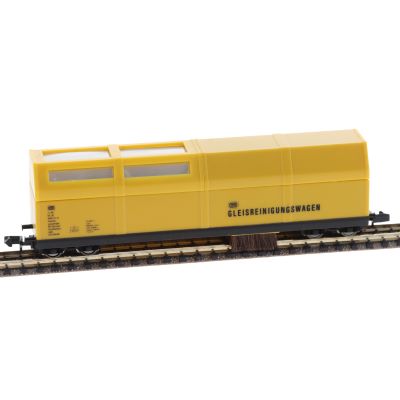
For regular maintenance, dry cleaning or a suitable model railway cleaning block is often sufficient. Long routes, tunnels and hidden stations can be maintained more conveniently using track-cleaning cars, polishing cars and track vacuum cars .

From dust to stubborn deposits

Which Method Is Suitable for Cleaning Model Railway Track?

Not every type of contamination requires the same treatment. Begin with the gentlest suitable method and use a more intensive technique only when necessary. This reduces unnecessary work and helps maintain reliable contact surfaces.

1

Remove Dust and Loose Particles

Basic Cleaning
Especially Before Longer Operating Sessions

Dust, scenery material and small fibres should preferably be collected rather than spread around the layout. A track vacuum car is particularly convenient on larger layouts because it can also reach tunnels and hidden stations.

2

Cleaning Block for the Contact Surfaces

Manual Maintenance
Targeted Cleaning Instead of Excessive Pressure

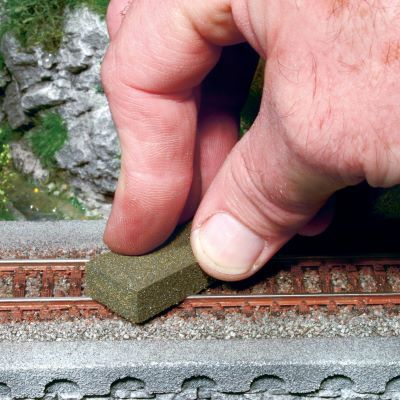
Cleaning blocks are passed over the top of the rail and are suitable for local contamination. The NOCH 60140, for example, is intended for oil, oily dust deposits and traces of oxidation. Light, even pressure is sufficient.

3

Keep Track Clean While Running Trains

Cleaning Cars & Felts
Ideal for Regular Maintenance

Cars equipped with cleaning elements make track care part of normal railway operation. NOCH cleaning pads can also be attached to suitable wagon axles and work while the train is moving. This is particularly practical on frequently used routes.

4

Vacuum, Polish or Use Targeted Abrasive Cleaning

For More Demanding Layouts
Select the System to Suit the Contamination

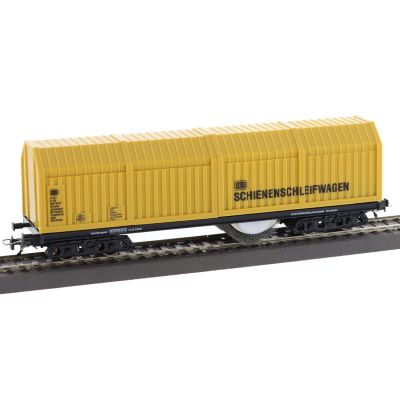
Track vacuum cars remove loose particles, polishing cars work on the contact surfaces and specialised abrasive cars are intended for heavier deposits. More intensive methods should always use materials developed specifically for model railway track.

Compare cleaning principles

Which Cleaning Method Suits Which Problem?

Situation Suitable Method Particular Advantage
Loose dust Track vacuum car, soft brush Particles are collected rather than spread around.
Light contamination on the contact surface Felt, cleaning cloth, cleaning pads Well suited to regular maintenance.
Localised stubborn deposit Model railway cleaning block Targeted manual cleaning.
Long hidden section Cleaning car or track vacuum car Reaches difficult-to-access track sections.
Heavier deposits Suitable polishing or abrasive cleaning car More intensive mechanical cleaning.
From Z gauge to garden railways

Maintain Model Railway Track Correctly by Gauge

The basic principle remains the same, but the most suitable equipment differs. Modellbahnshop offers particularly many cleaning solutions for H0, N and TT as well as specialised products for G, H0e and H0m. Universal hand-cleaning products can also cover further scales.

Gauge Cleaning Considerations Suitable Solutions
Z Very small contact surfaces require particularly careful work. Fine cloths and suitable universal cleaning blocks.
N Small vehicles react noticeably to poor current pickup. Cleaning pads and cleaning cars from Herkat, Tomytec and LUX.
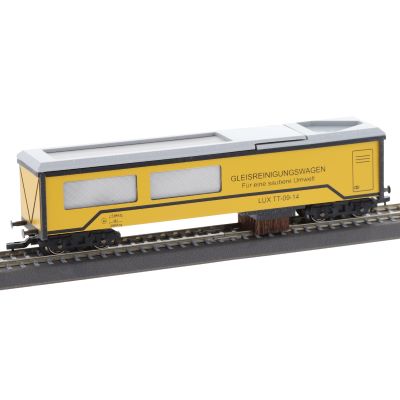
TT Regular operation can be combined effectively with mechanical cleaning. Tillig cleaning cars plus LUX polishing and vacuum cars.
H0 Very large selection for both two-rail and centre-contact systems. Cleaning blocks, felts, cleaning cars, vacuum cars and polishing cars.
H0 AC In addition to the running rails, the centre-conductor contacts must also be considered. Cleaning vehicles designed for centre-contact systems.
H0e Narrow track and often restricted areas on the layout. Narrow-gauge cleaning systems and fine manual cleaning.
H0m Metre-gauge models require vehicles of the appropriate width. H0m system cars and universal hand-cleaning products.
H0f / 0e Small specialist and field-railway tracks are often difficult to reach. Careful manual cleaning using suitable tools.
0 / 1 Large railheads can be cleaned particularly well by hand. Cloths, cleaning blocks and systems suitable for the relevant scale.
G / IIm Outdoor layouts are additionally affected by dust, vegetation and weather conditions. LGB and PIKO G-gauge cleaning equipment plus preliminary removal of coarse debris.
Practical guide

How to Clean Model Railway Track Step by Step

1

Inspect the Layout

Identify Problem Areas
Low-Speed Test

Run a locomotive known to operate reliably slowly around the layout. Note any locations where it jerks or the lighting flickers. Turnouts, crossings, tunnel portals and seldom-used sidings deserve particular attention.

2

Remove Coarse Dirt First

Do Not Spread Dirt into Turnouts
Vacuum Before Polishing

Remove loose particles, fibres and scenery material before working on the railheads. This prevents particles from entering moving turnout components or being distributed around the layout during cleaning.

3

Clean the Railheads

Begin with Light Pressure
Work Only on the Contact Surface

Light contamination can be removed using felt or another suitable cleaning element. A dedicated model railway cleaning block is suitable for more persistent local deposits. Coarse abrasives are unnecessary for routine maintenance.

4

Maintain Hidden Track Sections

Tunnels and Hidden Stations
Use a Cleaning Train

Cleaning vehicles take over where track cannot be reached comfortably by hand. A vacuum car can collect loose particles; a following cleaning or polishing car can then work on the contact surfaces.

5

Do Not Forget the Wheels

Vehicles Can Be a Source of Dirt
Maintain Track and Wheels Together

Dirty locomotive and wagon wheels can contaminate freshly cleaned track again. Inspect wheel treads and current collectors as well. Wheel cleaning should therefore form part of the same regular maintenance routine.

6

Carry Out a Test Run

Check the Result
Run Slowly in Both Directions

After cleaning, perform another slow test run and recheck the locations that previously caused problems. On centre-contact layouts, the contact points of the centre conductor and the pickup shoe should also be included when troubleshooting.

Manufacturers for track maintenance

Discover Cleaning Products by Brand

Go directly to the manufacturer pages at Modellbahnshop and discover cleaning cars, track vacuum systems, cleaning blocks, replacement cleaning elements and accessories.

Suitable product groups

Products for Cleaning Model Railway Track

Depending on the size of the layout, suitable equipment ranges from simple hand tools to motorised cleaning trains. A combination of dust removal, regular contact-surface care and occasional intensive cleaning is particularly useful.

Selected track-cleaning products from Modellbahnshop

Cleaning Blocks, Cleaning Cars and Track Vacuum Systems

These examples cover manual railhead cleaning, cleaning during normal operation, vacuum cleaning of loose particles and specialised mechanical track-maintenance systems for several common gauges.

NOCH 60140 cleaning block being used on model railway rails
NOCH · All Gauges

NOCH 60140 Cleaning Block

Handy cleaning block for targeted treatment of contaminated railheads and contact surfaces.

View Product →
Märklin 46049 H0 track cleaning car in Deutsche Bundesbahn Era IV livery
Märklin · H0

Märklin 46049 Track Cleaning Car

Cleaning car for maintaining H0 track during normal railway operation.

View Product →
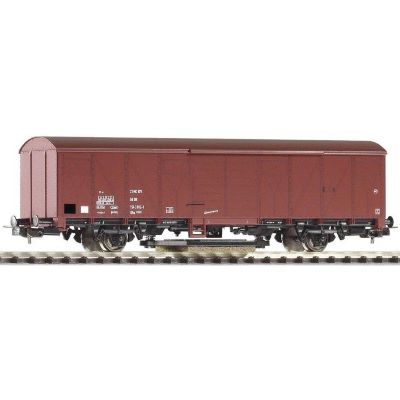
PIKO 54998 H0 Gbs1543 track cleaning freight car in DR Era IV livery
PIKO · H0

PIKO 54998 Track Cleaning Car

DR freight-car design with a cleaning function for unobtrusive rail maintenance within a normal train formation.

View Product →
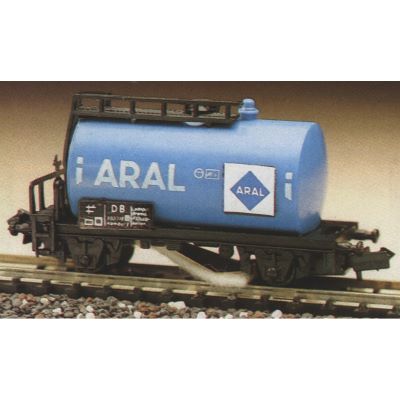
Herkat 1401 N gauge Aral track cleaning car
Herkat · N

Herkat 1401 N Track Cleaning Car

Compact N-gauge cleaning car designed for track maintenance while running on the layout.

View Product →
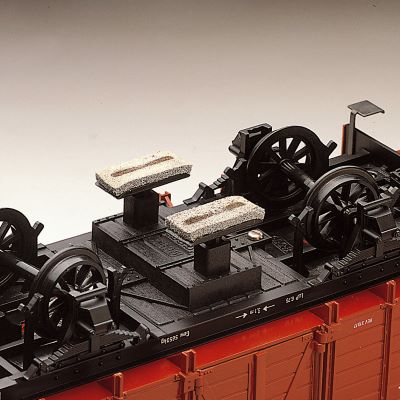
LGB 50050 G gauge rail cleaning device with cleaning blocks
LGB · G

LGB 50050 Rail Cleaning Device

Practical cleaning system for large G-gauge garden railway track and compatible LGB vehicles.

View Product →
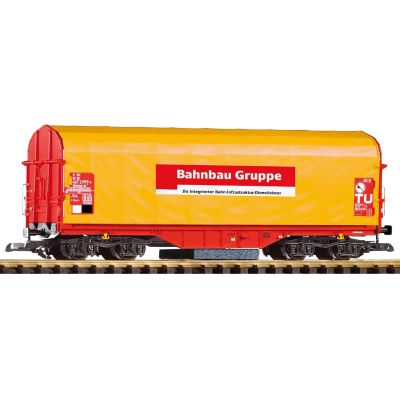
PIKO 37720 G gauge track cleaning car with railway construction accessories
PIKO · G

PIKO 37720 Track Cleaning Car

Large-scale cleaning car for garden railways and extensive G-gauge routes.

View Product →
LUX Modellbau 8830 H0 motorised AC track vacuum cleaner car
LUX Modellbau · H0 AC

LUX Modellbau 8830 Track Vacuum Car

Motorised vacuum-cleaning system for collecting loose contamination from H0 track and difficult-to-access sections.

View Product →
LUX Modellbau 9070 N gauge motorised track vacuum cleaner car
LUX Modellbau · N

LUX Modellbau 9070 Track Vacuum Car

N-gauge cleaning system for removing dust and loose particles from visible and hidden track.

View Product →
LUX Modellbau 9740 TT gauge motorised track vacuum cleaner car
LUX Modellbau · TT

LUX Modellbau 9740 Track Vacuum Car

Motorised track vacuum system designed specifically for TT-gauge layouts.

View Product →
Tillig 95291 TT track cleaning car in Deutsche Reichsbahn Era III livery
Tillig · TT

Tillig 95291 Track Cleaning Car

TT cleaning car in a Deutsche Reichsbahn design for regular track maintenance during railway operation.

View Product →
LUX Modellbau 9131 H0 rail and overhead-line abrasive cleaning car
LUX Modellbau · H0 DC

LUX Modellbau 9131 Rail & Overhead-Line Cleaning Car

Specialised mechanical cleaning system for H0 rails and overhead-line contact surfaces.

View Product →
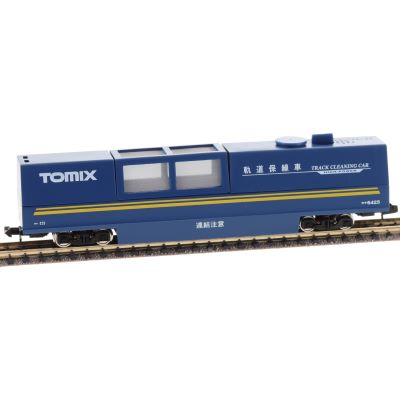
Tomytec 064251 blue N gauge track cleaning car
Tomytec · N

Tomytec 064251 Track Cleaning Car

Compact N-gauge cleaning vehicle with different cleaning options for smaller model railway routes.

View Product →

View Current Track-Cleaning Products

Browse track-cleaning cars, vacuum cars, polishing systems, cleaning blocks, felts, replacement brushes and other current track-maintenance accessories directly in the Modellbahnshop cleaning category.

All Cleaning Cars & Products
Work gently and effectively

Mistakes to Avoid When Cleaning Model Railway Track

1

Automatically Using More Abrasive Cleaning

Always start with the gentlest method suitable for the level of contamination. Coarse abrasives, steel wool and unsuitable household chemicals do not belong in routine model railway track maintenance. Use cleaning and polishing materials intended specifically for model railways or the particular track system.

2

Using Too Much Liquid

Use cleaning fluids sparingly and protect turnout drives, electronics and scenery components from unnecessary contact with liquids.

3

Cleaning Only the Track

Dirty wheels can quickly transfer deposits back onto freshly cleaned rails. Track and vehicle wheel maintenance should therefore be considered together.

4

Forgetting the Hidden Station

Hidden track benefits particularly from regular cleaning runs with suitable cleaning vehicles because it is much more difficult to maintain manually.

5

Waiting Until the Railway Stops Completely

Light and regular maintenance is usually easier than a rare, intensive deep clean after operation has already become unreliable.

Frequently asked questions about track care

FAQ: Cleaning Model Railway Track

Answers to common questions about cleaning intervals, cleaning cars, different gauges and electrical contact problems.

What Is the Best Way to Clean Model Railway Track?

First remove loose dust and then clean the railheads using a suitable cloth, felt or model railway cleaning block. Cleaning cars and track vacuum cars are particularly useful for long or hidden sections of track.

How Often Should Model Railway Track Be Cleaned?

There is no fixed interval. Frequent operation, dust, construction work on the layout and long periods without use all affect the requirement. Inspection is advisable as soon as slow-moving vehicles begin to jerk, lighting flickers or particular track sections become noticeably unreliable.

What Helps with Jerking Locomotives?

Inspect the track and wheel treads first. If the problem remains, current collectors, pickup shoes, power feeds or the locomotive itself may also be responsible. Clean track is therefore an important first troubleshooting step, but it is not the only possible cause.

Are Track-Cleaning Cars Useful?

Yes, particularly on larger layouts, in tunnels and in hidden stations. They allow regular maintenance during railway operation. Depending on the task, conventional cleaning cars, polishing cars, abrasive cleaning cars and motorised track vacuum cars are available.

What Is the Difference Between a Track Vacuum Car and an Abrasive Cleaning Car?

A track vacuum car primarily collects loose particles such as dust and fibres. An abrasive or polishing car instead works on the surface of the railhead. On heavily used layouts, the two principles can be useful one after the other.

How Do You Clean Märklin Centre-Contact Track?

In addition to the two running rails, the centre-conductor contacts are also important for current collection. They should be kept clean without aggressively treating turnout mechanisms or contact points with unsuitable tools. Cleaning vehicles designed for H0 AC systems are available.

How Do You Clean Track in a Hidden Station?

A cleaning train is usually the most convenient solution. A track vacuum car can first collect loose contamination, followed when necessary by a cleaning or polishing car. Accessible critical locations should nevertheless occasionally be inspected directly.

Do Locomotive Wheels Also Need to Be Cleaned?

Yes. Dirty wheel treads impair current pickup and can transfer contamination back onto the rails. Track and wheel cleaning therefore belong in the same maintenance routine. Dedicated wheel-cleaning systems are also available for larger vehicle fleets.

Which Cleaning Products Are Available for N and TT Gauges?

N-gauge options include cleaning pads, Herkat and Tomytec cleaning cars as well as LUX track vacuum and wheel-cleaning systems. TT options include Tillig cleaning cars and LUX polishing, vacuum and wheel-cleaning systems.

How Are G-Gauge Garden Railway Tracks Cleaned?

Outdoors, first remove leaves, soil and other coarse contamination. The railheads can then be cleaned in a targeted manner. Specialised G-gauge cleaning solutions are available from manufacturers such as LGB and PIKO.

Clean Track Is Only One Part of Good Model Railway Maintenance

Discover further guides covering vehicle maintenance, wheels, current collectors, lubrication, digital technology, track construction and layout planning in the comprehensive Modellbahnshop model railway guide.

Open the Main Guide