Modellbahn Keks
Welcome!
Our cookies offer you a fast, relaxed and full-featured shopping experience. Some are necessary to operate the website and its functions. Others help us to improve our services. If you agree to this, simply consent to the use of cookies for preferences, statistics and marketing by clicking on "OK". Alternatively, you can deactivate individual cookies under "Customise cookies" or all cookies, except those required for the function of our website, under "Reject all".
Roof-mounted pantograph on a model locomotive, ready for cleaning
Maintenance · Electric locomotives · Roof equipment

Cleaning Model Railway Pantographs

Dust, oil mist and deposits can accumulate on a pantograph’s contact strip, joints and frame. Learn how to clean delicate roof-mounted current collectors gently, check that they move freely and identify damaged components.

Looking after delicate roof equipment

Why should you clean a pantograph?

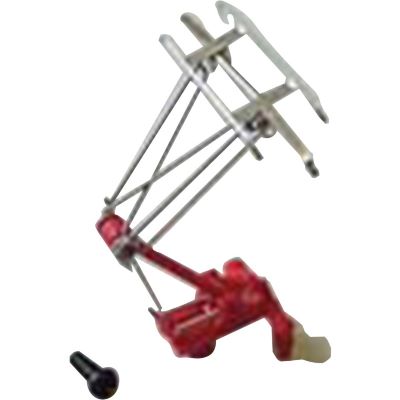
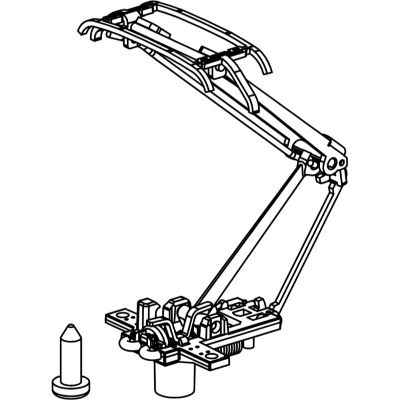
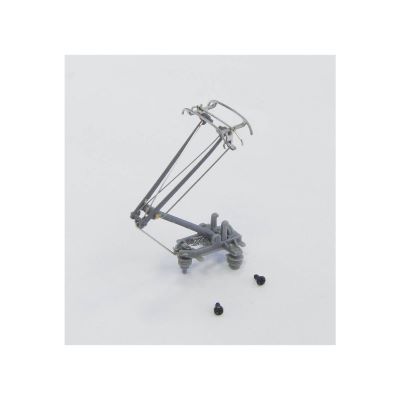
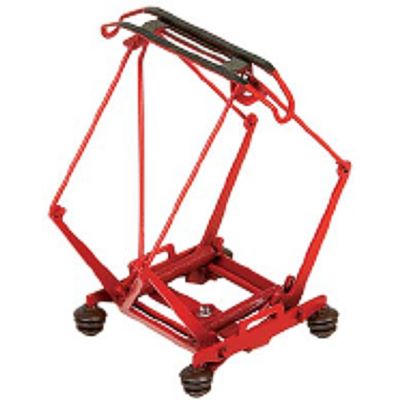
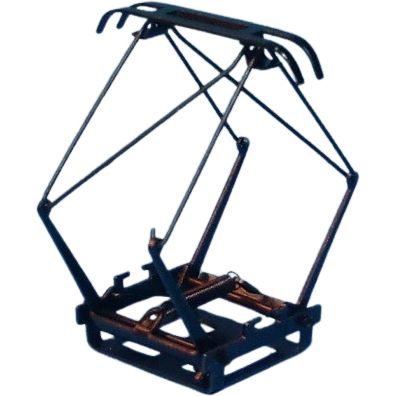
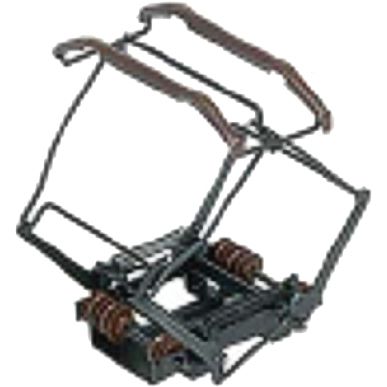
Roof-mounted current collectors are among the most distinctive and delicate components of an electric locomotive. Usually known as pantographs, they typically comprise a diamond or single-arm mechanism, springs, joints, a base frame and an upper contact strip, depending on the prototype. Trams and historic vehicles may have other designs, such as trolley poles or twin-head current collectors.

Dust and fine dirt gradually accumulate on the roof and pantograph of a model locomotive. Vehicles left uncovered on a layout for long periods can become particularly dusty. If the railway is near a workshop, kitchen or regularly used room, additional fine residues may settle on the surface.

Cleaning therefore primarily helps to maintain the pantograph’s appearance and mechanical condition. On models whose pantographs can collect power from functional overhead wiring, the condition of the contact surface also matters. However, not every electric locomotive uses its pantograph to draw power. On many models, it is mainly a movable, realistic roof detail.

This guide, “Cleaning Pantographs | Caring for Roof-Mounted Current Collectors”, focuses specifically on roof-mounted current collectors. A centre pickup shoe beneath an H0 locomotive or a wheel pickup is a different component with different maintenance requirements. Suitable spare parts for all these designs are grouped together in the Pantographs & pickup shoes category.

A gentle approach is essential. Pantographs consist of very thin metal parts. Vigorous rubbing, sideways pulling or forceful bending can permanently distort joints, springs and contact strips. Always start with dry cleaning and as little physical contact as possible, taking further steps only if visible dirt remains.

Inspect carefully before cleaning

Is the pantograph dirty or already damaged?

Cleaning can remove dust and light deposits. Bent frames, detached springs and damaged contact strips require repair or a suitable replacement part.

Observation Possible cause Recommended action
Dust on the frame and contact strip Normal accumulation during operation or storage Clean with a soft brush or use a very gentle stream of air.
The contact strip is dark or stained Dust, slight oxidation or contact wear debris Clean gently using a material-compatible method, without coarse abrasives.
The pantograph leans to one side Bent frame or damaged pivot Do not force it straight; check for a suitable replacement.
The pantograph will not stay raised Detached or broken spring, or damaged mechanism Check the spring and joints; replace parts if necessary.
Intermittent power collection from overhead wiring Dirty contact surfaces or contact wire Inspect both the contact strip and the overhead contact wire.

Disconnect the power before starting work

If the overhead wiring supplies power, disconnect the layout completely before touching the pantograph or contact wire. Also make sure that a digitally controlled raising and lowering mechanism cannot be activated accidentally while you are working on the vehicle.

Keep intervention to a minimum

Three stages of gentle pantograph cleaning

1. Remove dust with a dry brush

A very soft modelling or photographic brush is often sufficient for routine care. Avoid applying sideways force to the pantograph. Brush dust from the contact strip towards its free edge, then clean the roof insulators as well.

2. Clean stubborn deposits locally

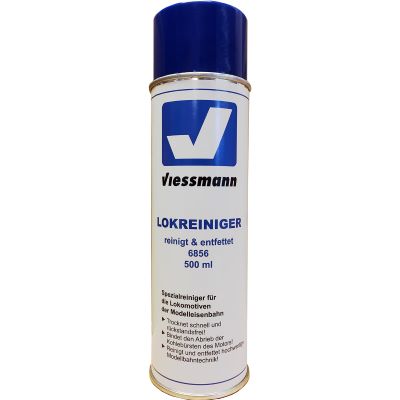
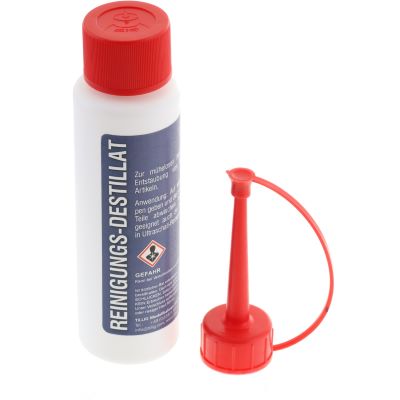
More persistent residues can be treated with a cleaner suitable for model railway vehicles and a lint-free swab. Never pour or spray liquid over the entire pantograph. A few drops on the cleaning tool are enough.

3. Check the mechanism

After cleaning, carefully raise and lower the pantograph. It should move freely within the limits of its design. Do not oil it automatically: excess lubricant on exposed joints attracts dust and can spread onto the roof or insulators.

Workshop guide

How to clean a pantograph step by step

1

Identify the vehicle

Preparation
Have the instructions and spare parts diagram ready

Check the manufacturer, item number and pantograph design. Establish whether the pantograph is simply a movable roof detail or can actually collect power on this model. Its construction determines how carefully the contact points and mounting must be handled.

2

Position the locomotive securely

Switch off the layout, remove the locomotive from the track and place it on a soft surface. Keep it upright wherever possible when cleaning the roof. If it must be turned over, the pantograph must never bear the locomotive’s weight.

3

Remove loose dust

Start by cleaning the lowered pantograph with a soft brush. Dust tends to collect around the lower joints. Work along the metal arms and avoid applying force across delicate parts.

4

Clean the contact strip

The upper contact strip is particularly important when collecting power from overhead wiring. Remove light dirt with a dry cleaning tool. For heavier deposits, very lightly dampen a lint-free swab with a suitable cleaner and wipe the contact surface without pressing the pantograph down.

5

Clean the insulators and surrounding roof

Dust often collects around the pantograph mounting and roof insulators as well as on the pantograph itself. Clean these areas with a soft brush or lint-free material. Do not use aggressive cleaners on printed markings or painted roof details.

6

Avoid unnecessary lubrication

Pantograph joints are extremely small. Applying oil as a precaution can draw it into unwanted areas through capillary action and attract dirt. Lubricate only if the instructions for that specific model explicitly require it, and use the smallest possible amount.

7

Check freedom of movement

Slowly raise and lower the pantograph. Both sides should move symmetrically. Do not test spring tension by pulling on the contact strip. If the frame is visibly bent or a spring has become detached, a replacement pantograph is often safer than forceful attempts to straighten the delicate assembly.

8

Check the overhead wiring too

When drawing power from overhead wiring, a clean pantograph is of little use if the contact wire is dirty or mechanically damaged. Inspect the overhead wiring with the power disconnected and clean it only using a method suitable for that particular system.

9

Carry out a function check

First test the locomotive with the pantograph lowered. Then carefully raise it and check that it reaches its intended position. If the model uses functional overhead wiring, test electrical operation only after completing the mechanical checks.

10

Replace damaged parts

If the contact strip is broken, the linkage distorted or the spring mounting damaged, fit a suitable replacement pantograph. Gauge alone is not enough: the design, mounting and locomotive model must all match.

From Z gauge to garden railways

Pantograph care for different gauges

The smaller the scale, the finer the linkage and springs. Modellbahnshop’s pantograph category includes spare parts for H0, TT, N, G, H0m and H0e in particular. For other scales, matching the part to the specific vehicle remains essential.

Gauge Cleaning considerations Related guide
Z Extremely delicate roof details; remove dust with as little contact as possible and never pull hard on joints. Z gauge
N Very fine single-arm and diamond pantographs; use only small amounts of cleaner. N gauge
TT Good access, but the mechanism remains delicate; check the pantograph design fitted to the locomotive. TT gauge
H0 A very wide range of designs, from historic diamond pantographs to modern single-arm types. H0 gauge
H0e / H0m Narrow-gauge electric vehicles often have prototype-specific roof equipment; match replacement parts carefully. H0e · H0m
0 Larger components make visual inspection easier, but remain mechanically delicate model parts. 0 gauge
1 Always consult the vehicle-specific maintenance instructions before working on high-quality large-scale models. 1 gauge
G Pantographs can be larger and more robust; on garden railways, allow for dust and outdoor exposure too. G gauge

Unsure about scale and gauge? The model railway gauge comparison provides a clear overview of scales and track gauges.

Replacement parts for damaged roof equipment

Choose the right replacement pantograph

If a damaged pantograph can no longer be cleaned or straightened safely, find a replacement here by gauge, manufacturer and design. Within Modellbahnshop, the overview loads directly from the current shop category and is filtered for roof-mounted current collectors. Availability information is not displayed on this page.

Selected pantographs are displayed. Loading the current shop selection …

All designs in one category

From traditional diamond pantographs and modern single-arm designs to tram current collectors and contact strips, discover spare parts for many different vehicle types.

All pantographs
Brands offering pantographs and electric locomotives

Relevant manufacturer pages at Modellbahnshop

Search for replacement pantographs by manufacturer and exact locomotive model, as mountings, contact strips and designs vary considerably.

Protect delicate components

Common mistakes when cleaning pantographs

1

Pressing too hard on the contact strip

Never use the upper contact strip as a handle while cleaning. Sideways force can bend the linkage and distort the pantograph’s symmetry.

2

Using coarse abrasives

Files, coarse sandpaper and aggressive cleaning blocks can damage fine surfaces. Start by removing light deposits with a dry cleaning tool or a suitable cleaner.

3

Spraying the entire pantograph

Liquid can reach the inside of the locomotive body, roof openings or electronic components. Apply cleaner sparingly to the cleaning tool rather than spraying it freely onto the locomotive.

4

Oiling every joint as a precaution

Oil is not a cleaning agent. Excess lubricant attracts dust and can spread to insulators or contact surfaces. Lubricate only where explicitly instructed by the manufacturer.

5

Forcing a bent pantograph straight

Thin arms buckle easily. If the geometry is badly distorted, a suitable replacement pantograph will often provide a neater, more reliable result.

6

Checking only the pantograph

With functional overhead wiring, the pantograph and contact wire work together. Dirt, incorrect wire height or mechanical faults in the overhead system can also cause contact problems.

Damaged pantograph or complex roof equipment?

If the spring mechanism, electrical connection or mounting is unclear, professional repair can prevent unnecessary damage to the roof, circuit board and delicate components.

Repair service
Common questions about roof equipment

Pantograph cleaning FAQ

Answers to key questions about pantographs, contact strips, overhead wiring, cleaning products and damaged current collectors.

What is the best way to clean a model railway pantograph?

Start by removing dust with a very soft, dry brush. Treat stubborn deposits locally with a small amount of suitable model railway cleaner and lint-free material. Avoid applying sideways force to the delicate arms or contact strip.

Can you sand a pantograph’s contact strip?

Coarse sanding is not recommended, as it can alter the shape and surface. Start by removing light dirt with gentle cleaning. If the contact strip is badly damaged, a suitable replacement part is the better option.

Should you oil the pantograph’s joints?

Not automatically. Excess oil attracts dust and can spread into unwanted areas. Lubricate only if the instructions for that specific model call for it.

Why will my pantograph no longer stay raised?

Possible causes include a detached or damaged spring, bent linkage or a defective pivot. Cleaning alone cannot repair this kind of mechanical damage.

Does every electric locomotive have an electrically functional pantograph?

No. On many model locomotives, the pantograph mainly provides a realistic appearance. Other vehicles may be equipped to collect power from overhead wiring. Consult the instructions for the specific model.

What is the difference between a pantograph and a pickup shoe?

A roof-mounted current collector sits on an electric locomotive or railcar and touches the overhead contact wire on the prototype or a functional model. A centre pickup shoe sits beneath the vehicle and collects power from stud contacts in the track.

Does the overhead wiring also need cleaning?

Yes, if it is used to supply power. The pantograph strip and contact wire form the electrical contact together. Disconnect the overhead wiring completely before cleaning.

Which cleaner is suitable for pantographs?

Use only cleaners suitable for model railway vehicles and check material compatibility. Apply a small amount to a lint-free tool rather than spraying the entire pantograph.

How often should a pantograph be cleaned?

There is no fixed interval. Visible dust deposits, long periods out of use or problems when collecting power from functional overhead wiring are good reasons to inspect and gently clean it.

Can a bent pantograph be straightened?

Minor distortions in some metal designs may be correctable, but there is always a risk of breakage or further deformation. If arms, springs or contact strips are clearly damaged, replacement is usually the safer option.

Which types of current collector are available for model railways?

Common designs include diamond pantographs, single-arm pantographs, twin-head current collectors, trolley poles and various prototype-specific roof-mounted collectors. The correct design depends on the vehicle, era and railway company.

Are replacement pantographs available for H0, TT, N and G?

Yes. Modellbahnshop offers current collectors for several gauges, particularly H0, TT, N and G, as well as selected H0m and H0e applications. Exact vehicle compatibility remains more important than gauge alone.

From pantograph care to complete locomotive maintenance

Find more guides to cleaning, traction tyres, pickup shoes, motors, digital control, gauges and layout construction in the main model railway guide.

Explore the model railway guide