Modellbahn Keks
Welcome!
Our cookies offer you a fast, relaxed and full-featured shopping experience. Some are necessary to operate the website and its functions. Others help us to improve our services. If you agree to this, simply consent to the use of cookies for preferences, statistics and marketing by clicking on "OK". Alternatively, you can deactivate individual cookies under "Customise cookies" or all cookies, except those required for the function of our website, under "Reject all".
Model railway freight train as a setting for historic beer wagons
Breweries on the Rails

Collecting Beer Wagons – Model Railways, Brands & Eras

Historic private-owner wagons, refrigerated beer wagons, covered freight wagons and colourful brewery special editions: discover beer wagons for H0, TT, N, Z, Gauge 0, Gauge 1 and garden railway themes – with history, collector tips and a current product search.

Beer Wagons Explained Simply

What Makes a Beer Wagon Special on a Model Railway?

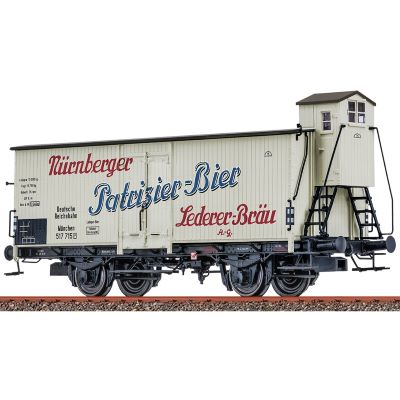
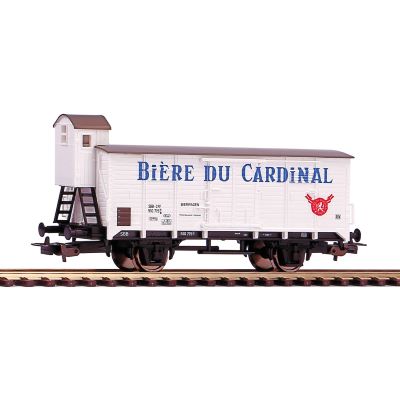
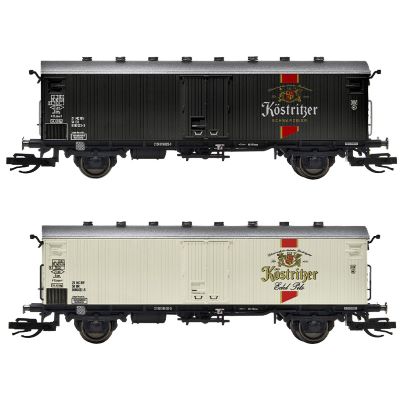
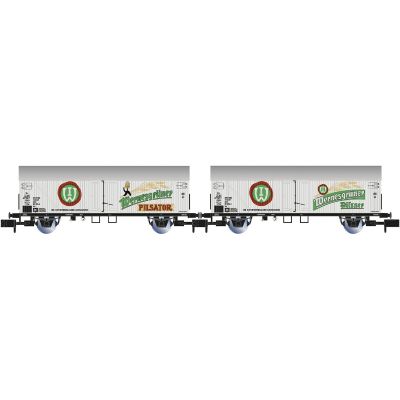
Collecting beer wagons – model railways, brands & eras combines several fascinating collecting fields: railway history, freight transport, regional brewing culture, historic advertising and the wide variety offered by model railway manufacturers. The term beer wagon covers models associated with beer or breweries. These models can represent very different prototypes.

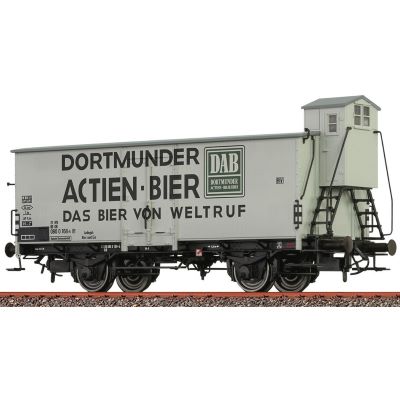
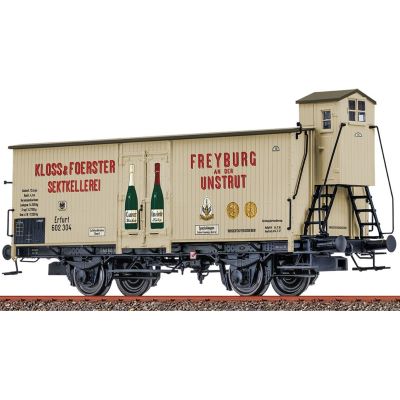
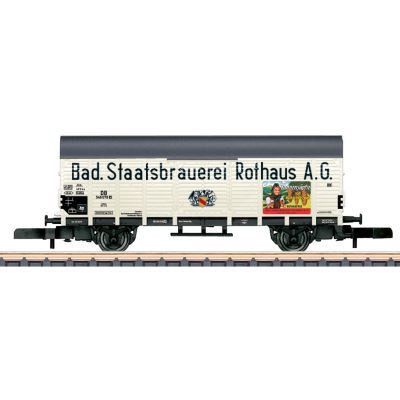
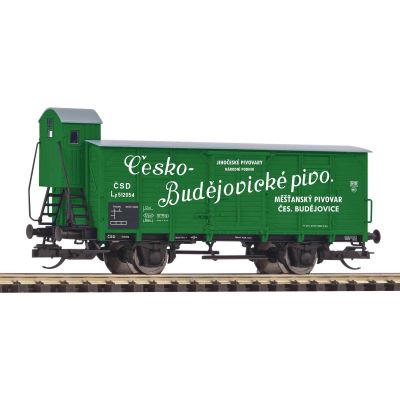
A historic beer wagon was often a private-owner freight wagon owned by a brewery or used by it on a long-term basis for transport. Beer had to be protected from major temperature fluctuations. This led to insulated wagons, thermal-protection wagons and refrigerated wagons. Other models are based on conventional covered freight wagons but carry characteristic brewery lettering.

For collector’s models, the distinction is important: not every colourful wagon carrying a brewery logo represents a prototype that actually operated in exactly that form. Alongside prototypical private-owner wagons, there are deliberately designed advertising and special-edition models. This combination makes the collecting field particularly varied.

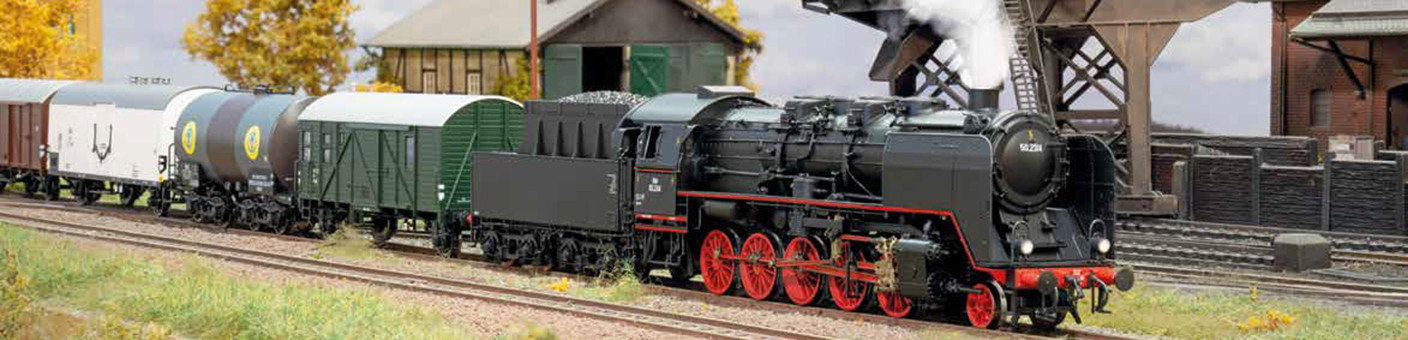
If you want to operate beer wagons on a layout rather than simply display them in a showcase, they can be combined very effectively with other freight cars , suitable locomotives and a brewery or industrial scene.

From Prototype to Collector’s Item

Transporting Beer by Rail: Why Breweries Used Their Own Wagons

Before road freight transport gained its modern importance, the railway provided breweries with an efficient way to move barrels and later other containers over long distances.

1

Private Wagons for Sensitive Cargo

Beer was one of the goods for which specialised transport solutions became attractive at an early stage. Breweries used insulated private-owner wagons whose construction details could vary according to the customer and intended use. Such wagons were often based on proven freight-wagon designs.

Historic Identifying Feature
Private-Owner Wagon Markings

On many historic models, the private-owner marking is an interesting detail. It can help distinguish a beer wagon intended to represent an actual private-owner vehicle from a purely advertising-based model.

2

Insulation, Ice and Thermal Protection

Mechanical refrigeration units were not standard equipment in classic railway operation. Insulation, ice cooling and structural thermal protection helped transport temperature-sensitive cargo as carefully as possible. Historic beer wagons can therefore resemble refrigerated and thermal-protection wagons.

Collector’s Perspective
Compare the Details

Roof design, ventilators, doors, brakeman’s cabs, lettering and chassis details can differ even between models with similar printing. These variations are particularly interesting for carefully themed collections.

3

From Transport Wagon to Brand Ambassador

Large lettering already provided breweries with highly visible advertising space on the prototype. On model railways, these striking liveries are also used for special editions. Well-known regional beer brands make wagons instantly recognisable and encourage collecting by brewery or region.

4

Prototype Accuracy or Advertising Model?

Both collecting approaches have their appeal. Anyone recreating a historic freight train will pay particular attention to the era, railway administration and wagon type. Brand collectors, on the other hand, may deliberately display different eras and wagon designs together.

Historical Classification

How to Classify Beer Wagons from Era I to Era VI

The era determines the lettering, railway administration, wagon design and suitable train formation. A detailed overview is also available in the Model Railway Eras I to VI guide.

Era Character Beer Wagon Theme Suitable Use
I State railway period Early private-owner and refrigerated wagons of regional breweries Short freight trains, brewery sidings and branch lines
II DRG and standardised freight wagons Private-owner wagons and wagons based on familiar standard designs Local freight trains and transfer workings
III DB, DR and the reconstruction period Numerous classic brewery liveries Mixed freight trains and regional sidings
IV New numbering systems and modernised freight traffic Refrigerated wagons, private-owner wagons and traditional brands DB and DR freight trains
V–VI Railway reform and modern logistics Special editions, heritage wagons and advertising designs Collector’s trains, heritage railways or special themes
Compare Scales

Which Gauges Are Available for Beer Wagons?

The range is particularly strong in H0, TT, N and Z, but larger and narrow-gauge scales can also be interesting for brewery, advertising and refrigerated-wagon themes. The current selection varies by manufacturer and model year.

Gauge Scale Model Track Gauge Special Feature for Beer Wagon Collectors
Z 1:220 6.5 mm Very compact collections and long trains in a small space
N 1:160 9 mm Long trains with limited space requirements
TT 1:120 12 mm Many German and Central or Eastern European freight-wagon themes
H0 1:87 16.5 mm Particularly wide choice of manufacturers and variations
H0e 1:87 9 mm Narrow-gauge and light-railway scenes
H0m 1:87 12 mm Metre-gauge industrial and regional railway themes
0 approx. 1:45 32 mm Strong visual detail and highly visible advertising graphics
0e approx. 1:45 16.5 mm Narrow-gauge light-railway and industrial railway themes
1 1:32 45 mm Large models with clearly visible lettering
G / IIm approx. 1:22.5 45 mm Garden railways, heritage themes and striking advertising wagons
II 1:22.5 64 mm Very large collector and display models
Manufacturer Worlds

Discover Manufacturers of Beer Wagons and Freight Cars

The manufacturer pages lead to further freight wagons, new releases and matching vehicles.

Current Shop Selection

Beer Wagons, Refrigerated Beer Wagons and Brewery Advertising Wagons

The selection starts with editorially checked models. When the page is opened, it also searches the current freight-car categories in Modellbahnshop and automatically adds further matching beer wagons.

Current products are being added from the relevant freight-car categories.

Build a Collection Systematically

Collecting Beer Wagons: Brewery, Era or Wagon Type?

A good beer-wagon collection does not require a rigid system. A clearly defined theme does, however, make it easier to manage. Collecting by brewery, region or railway administration is especially popular. Saxon and Thuringian brands, Bavarian breweries, Swiss beer wagons or Deutsche Reichsbahn vehicles can, for example, form separate groups.

Collectors with a stronger interest in railway history can organise their models by era and wagon type. A private-owner wagon from the state-railway period tells a different story from an Era IV refrigerated wagon or a modern advertising wagon. Variations based on the same basic design can also be interesting: different running numbers, brakeman’s cabs, chassis or lettering turn apparently similar models into distinct collector’s items.

For an operational collection, the technical system must also be compatible. Gauge, coupling, wheelset system and minimum radius must match the layout. In H0, particular attention should be paid to whether the layout uses a two-rail or centre-contact system. Wagons can often be adapted, but the specific product description should always be checked before operation.

Step 1

Define the Collecting Theme

Choose a brewery, region, era, manufacturer or gauge as the main theme of the collection.

Step 2

Document Products and Variations

Record the manufacturer, item number, running number, era, packaging and distinctive features.

Step 3

Check the Prototype Connection

Distinguish whether the model represents a historic private-owner wagon, a refrigerated wagon or an advertising model.

Step 4

Store Models Safely

Avoid dust, prolonged direct sunlight and unnecessary stress on delicate separately applied parts.

Documentation Matters for Collector’s Models

Original packaging, instructions and a clear inventory list make long-term collection management easier. Specific increases in value, however, cannot be reliably predicted from the brand, age or limited-edition status alone.

From Collector’s Item to Operating Model

Create a Brewery Siding, Freight Train and Loading Scene

Beer wagons look particularly convincing when they are integrated into a believable operating sequence. Even a short siding can tell an entire story.

Brewery with Its Own Siding

A factory building, loading platform, warehouse, barrels, crates and a short stub track are enough for a compact scene. A small shunting locomotive delivers individual private-owner or refrigerated wagons and later collects the loaded vehicles.

Mixed Local Freight Train

Beer wagons do not have to operate as a complete block train. In historic eras, individual examples look particularly convincing among covered freight wagons, refrigerated wagons, open wagons and other private-owner vehicles.

Collector’s or Heritage Train

If you want to display different brewery brands without adhering to one strictly consistent era, a special or heritage train can provide an attractive solution. Colourful models remain clearly visible while operating on the layout.

Use a Region as the Layout Theme

A brewery can provide the starting point for an entire landscape. The appropriate railway company, road vehicles, buildings and signs can turn the beer-wagon theme into a clearly recognisable regional model railway world.

From a Beer Wagon to a Complete Freight Train

Combine brewery and refrigerated wagons with additional freight cars and a locomotive appropriate for the chosen era.

Discover Freight Cars
Frequently Asked Questions

Questions and Answers About Beer Wagons on Model Railways

Concise answers covering wagon types, suitable gauges, eras, collecting strategies and prototypical operation.

What Is a Beer Wagon in Model Railways?

Beer wagon is a collective term for models associated with beer transport or a brewery. They can represent historic private-owner wagons, insulated refrigerated and thermal-protection wagons, covered freight wagons or purely advertising and special-edition models.

What Is the Difference Between a Beer Wagon and a Refrigerated Beer Wagon?

Beer wagon is the broader collecting term. A refrigerated beer wagon has a more specific connection with temperature-protected transport and is often based on a refrigerated or insulated wagon. A wagon carrying beer advertising is therefore not automatically a genuine refrigerated wagon.

Which Gauge Offers the Largest Selection of Beer Wagons?

H0 generally offers the greatest variety of models. TT, N and Z also provide interesting brewery and refrigerated wagons. Gauge 0, Gauge 1 and garden-railway scales are additional possibilities for larger display models.

Which Eras Are Beer Wagons Available In?

The theme ranges from early private-owner wagons of the state railway period through DRG, DB and DR vehicles to modern advertising and special-edition models. Historic freight themes from Eras I to IV are particularly extensive.

What Does the P Marking Mean on Historic Private Wagons?

On many historic prototypes, the private-owner designation identifies vehicles that did not belong to the normal wagon fleet of the respective state railway. Such markings are an important detail on prototypically oriented beer wagons.

Can Beer Wagons from Different Breweries Operate in the Same Train?

Yes. Wagons belonging to different shippers and private owners can appear together in mixed freight trains. For a historically believable formation, the railway administration, period, wagon type and operating region should at least be broadly compatible.

Are All Beer Wagons Based on Real Prototypes?

No. Alongside models of specific prototypes, there are advertising wagons and collector editions whose design focuses more strongly on the brewery or brand motif. The individual product description helps with classification.

How Do I Start a Beer Wagon Collection?

A manageable starting point is one brewery, region, era or gauge. Variations can then be added according to manufacturer, running number, wagon type or railway administration.

How Can Beer Wagons Be Integrated Realistically into a Model Railway Layout?

Breweries with sidings, goods sheds, loading platforms and industrial areas are particularly suitable. During operation, individual beer wagons can be included in transfer workings, local freight trains or mixed freight trains.

How Does This Page Find New Beer Wagons in the Shop?

When the page is opened, the product selection is supplemented from suitable freight-car categories. The search field and filters can then be used to narrow the models by gauge, manufacturer, era and wagon type.

Discover Even More Model Railway Knowledge

From gauges and eras to railway companies, layout planning, vehicles, digital technology and scenery construction.

Open the Model Railway Guide