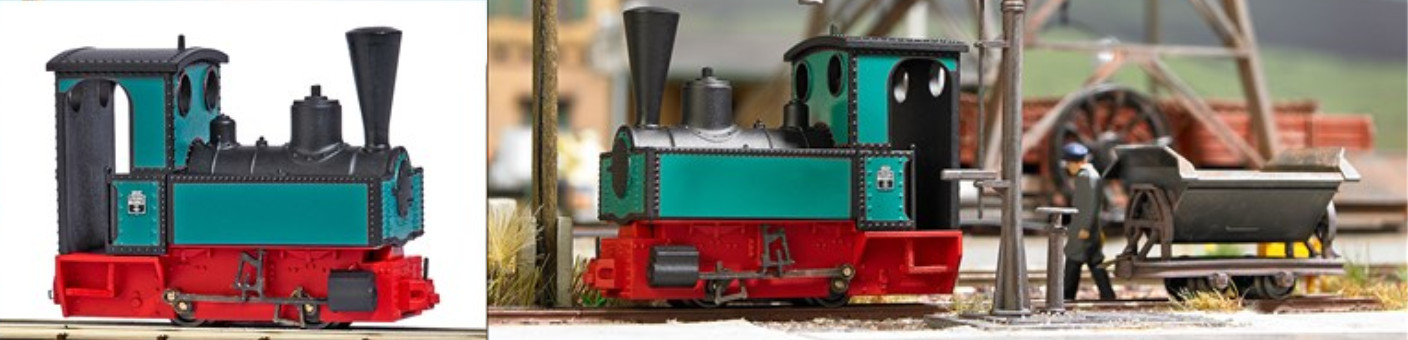
Brickworks and Clay Pit
Tipper wagons carry clay from the pit to the works. A kiln, conveyor and narrow works gates form the background.

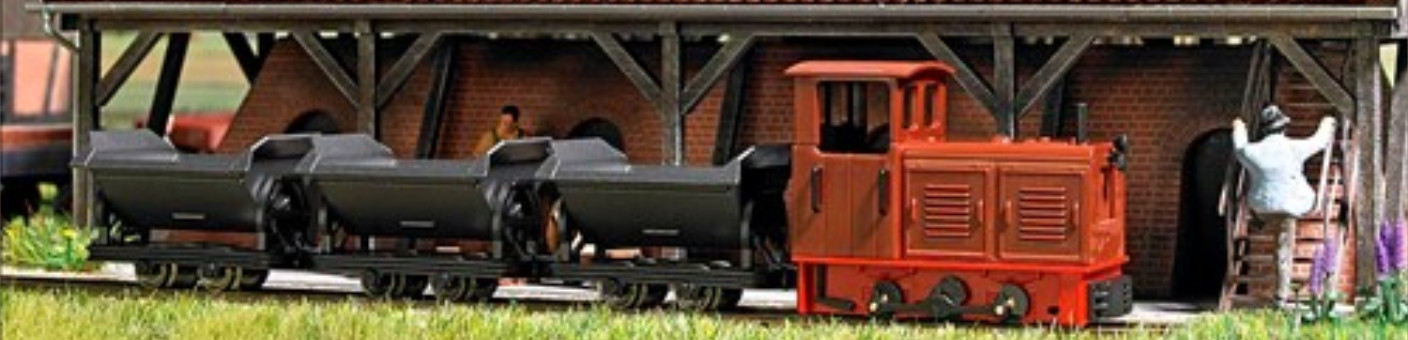
Compact mine, logging, peat, brickworks and industrial railways with small locomotives, wagons and tight track formations: H0f brings lively field-railway operation to a remarkably small area.
H0f gauge describes field and industrial railways at a scale of 1:87. Vehicles, buildings, figures and scenery are therefore the same size as those used for conventional H0 gauge . The visible difference is the track: H0f uses a model track gauge of only 6.5 millimetres, compared with 16.5 millimetres for standard-gauge H0.
In German-speaking model-railway terminology, the letter “f” stands for field railway. Under the formal classification, H0f belongs to the H0i group for industrial and works railways. It represents prototype track gauges from approximately 400 to less than 650 millimetres, particularly field railways with gauges of 500 or 600 millimetres.
Short trains, tight curves, small loading points and busy industrial sidings can therefore be accommodated within only a few square decimetres. An H0f railway can form a self-contained diorama or be integrated into a larger H0 layout as an industrial railway. Typical traffic includes timber, peat, clay, stone, ore, coal, building materials and tools.

Starter sets, field-railway locomotives, mine railways, wagons, track, turnouts and buildings for compact H0f scenes.
Open the Busch brand world →
A narrow-gauge specialist offering vehicles, components and model track for H0e and H0f.
Open the Technomodell brand world →All variants use a scale of 1:87 but represent different prototype track gauges. Vehicles from the individual model gauges cannot automatically use the same track.
| Gauge | Scale | Model track gauge | Typical prototype | Suitable layout themes |
|---|---|---|---|---|
| H0 | 1:87 | 16.5 mm | Standard gauge | Main lines, branch lines, stations and long-distance traffic |
| H0m | 1:87 | 12 mm | Metre gauge and similar narrow gauges | RhB, MGB, mountain and regional railways |
| H0e | 1:87 | 9 mm | 750 and 760 mm narrow gauge | Saxon, Austrian and heritage railways |
| H0f / H0i | 1:87 | 6.5 mm | Field and industrial railways | Mines, forestry, peat, brickworks and works railways |
| H0p | 1:87 | 4.5 mm | Very small park and narrow-gauge railways | Park railways, exhibition railways and specialist projects |
H0f has the same nominal model track gauge as Z gauge but uses vehicles at the much larger scale of 1:87. Rail profiles, power supplies and technical systems should therefore always be checked individually before components are combined.
H0f looks particularly credible when the track, vehicles and loading points have a clearly recognisable transport purpose. Even a short circuit or shunting line can tell a complete story.
Tipper wagons carry clay from the pit to the works. A kiln, conveyor and narrow works gates form the background.
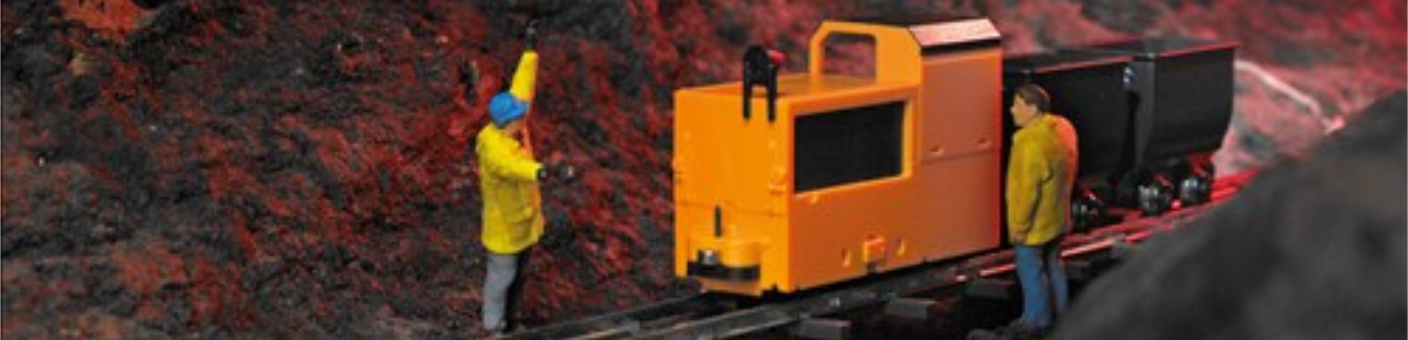
Small locomotives, personnel coaches and wagons connect the tunnel entrance, headframe and materials store.
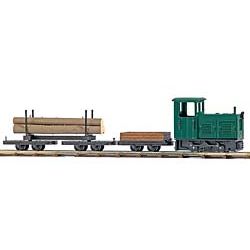
Stake wagons carry logs to the sawmill. Forest tracks, timber stacks and a small engine shed are enough to create the scene.
The low space requirement can encourage excessive track. A simple route with a clear purpose, short trains and accessible loading points usually looks more credible.
Decide first whether the railway will carry timber, peat, clay, stone, coal or works materials.
Plan turnouts, tunnels and unloading points so that vehicles and track remain accessible at all times.
R115 permits very tight curves. R175 looks more generous and provides smoother running when sufficient space is available.
A tunnel entrance, timber yard or crushing plant gives the railway a starting point, destination and genuine operating purpose.
Buildings, figures, road vehicles and plants made for H0 are correctly scaled for an H0f field railway.
The selection covers getting started, expanding the wagon fleet and constructing the track. Each card leads directly to the corresponding product details at Modellbahnshop.
Complete sets provide a straightforward introduction, while individual locomotives expand an existing field-railway route.
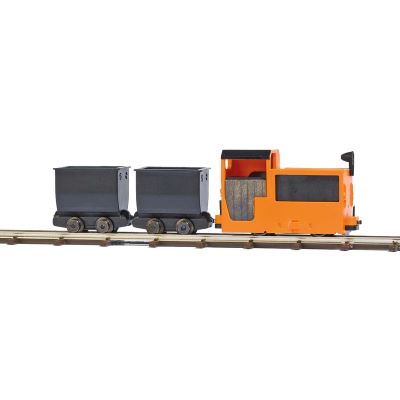
Mine locomotive and two wagons for a compact mining scene.
A foundation for timber traffic, a sawmill and forestry operation.
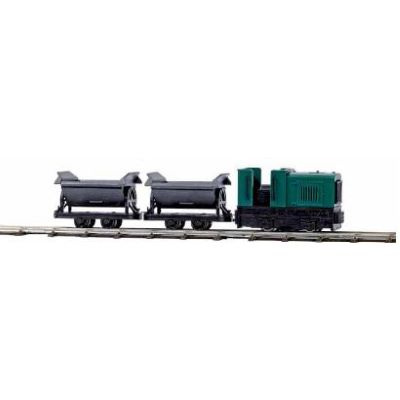
A classic field railway for bulk materials and works transport.
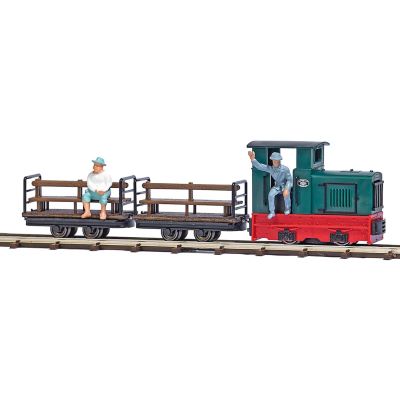
Passenger operation for works, heritage or construction railways.
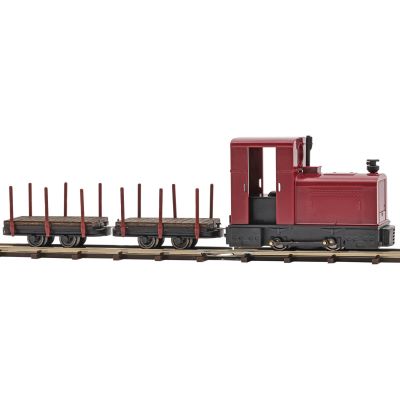
Distinctive Deutz locomotive for industrial and works railways.
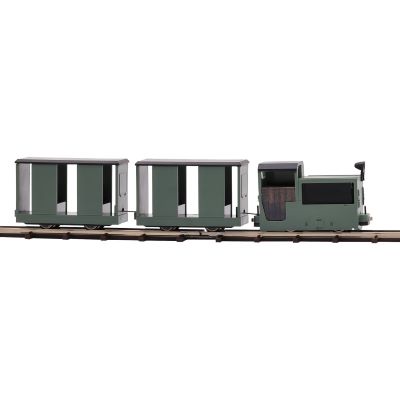
Suitable for ore, coal and mining scenes.
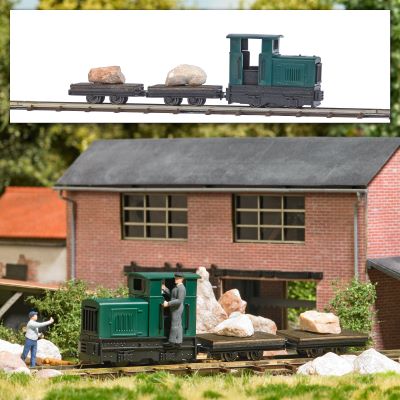
A complete basis for a crushing plant and stone-loading scene.
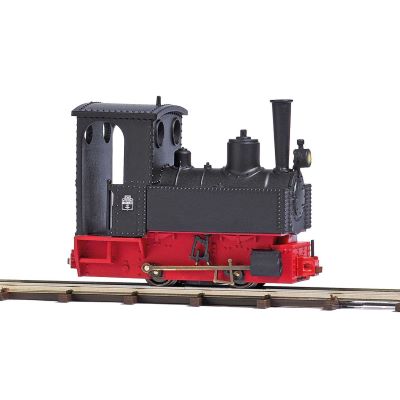
Historical steam locomotive for early field and brickworks railways.
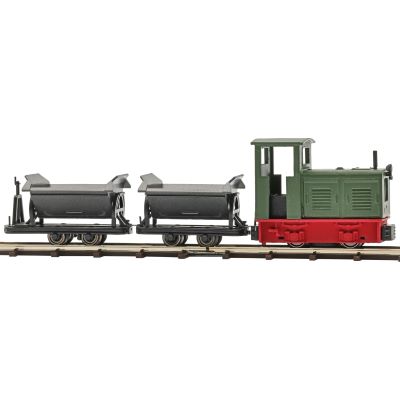
Ns2 diesel locomotive, side-tipping wagon and track for getting started.
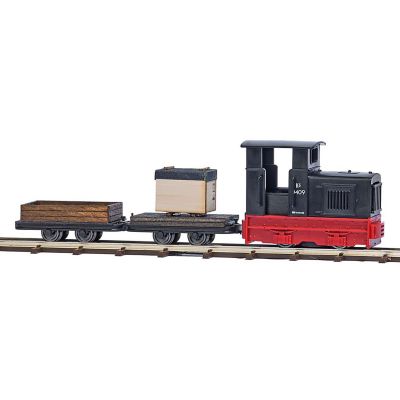
Gmeinder locomotive and works wagons for varied operation.
Different wagons and loads turn a basic circuit into a field railway with a visible transport purpose.
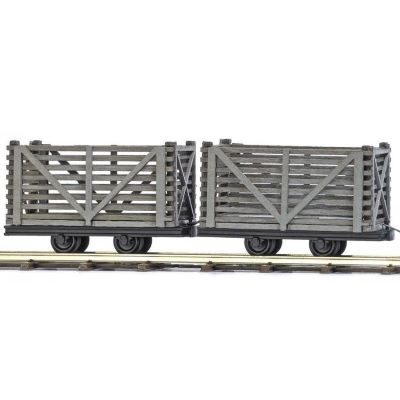
Two wagons for a peat railway and historical peat cutting.
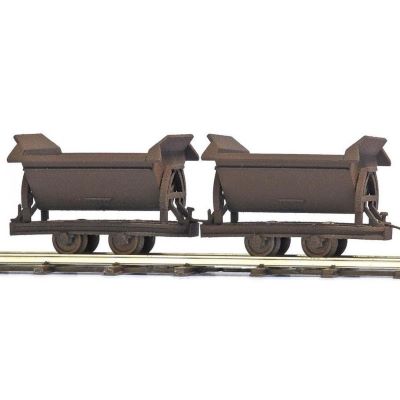
Weathered wagons for mines, quarries and brickworks.
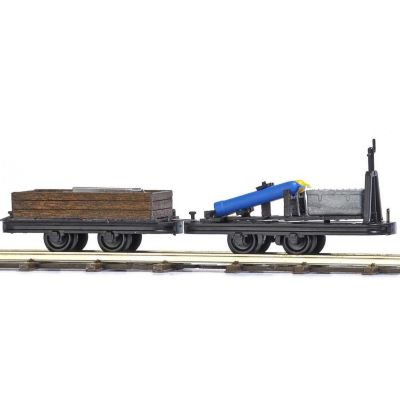
Works train with steel sections, tools and welding equipment.
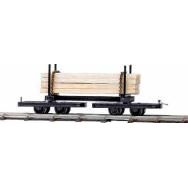
Long-timber transport with stakes, chains and real wood.
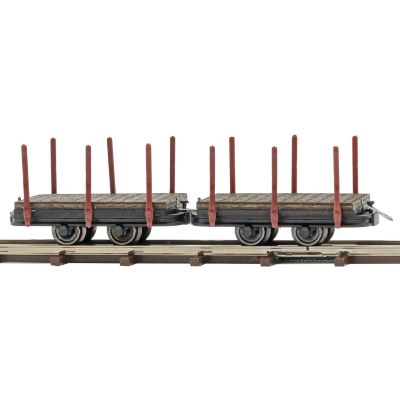
Two short wagons for timber and long materials.
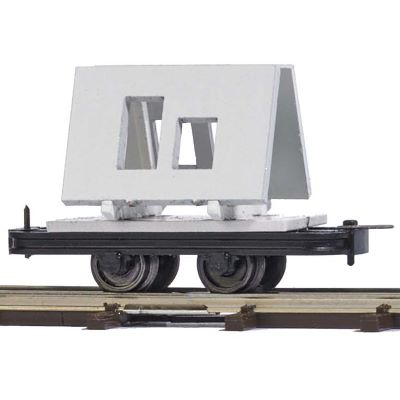
Building materials for works railways, construction sites and concrete plants.
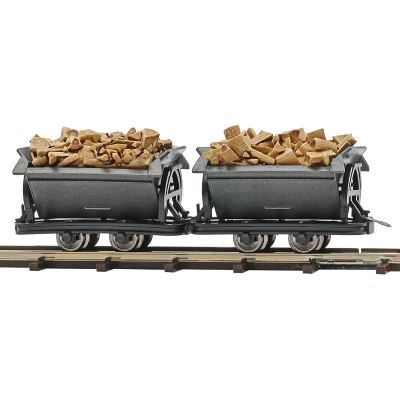
Loaded wagons for woodland, timber stores and fuel traffic.
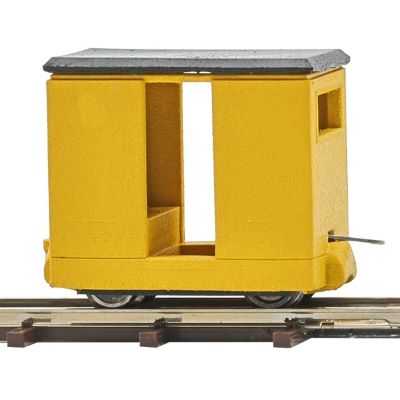
An addition for personnel, tool and mine trains.
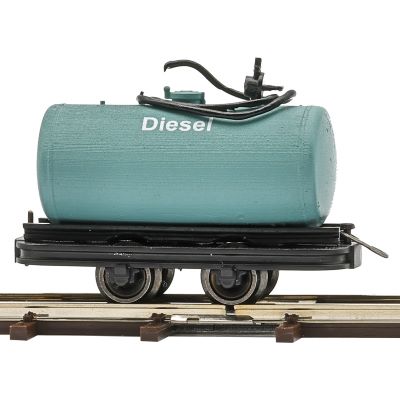
Fuel supplies for an engine shed and works-railway operation.
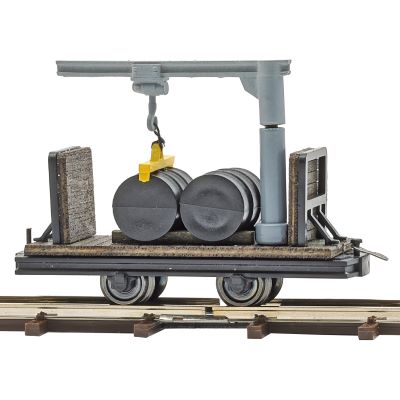
Works vehicle for track construction, loading and repair scenes.
Straight sections, curves and turnouts permit circuits, branches and shunting lines, while an engine shed provides an operational focal point.
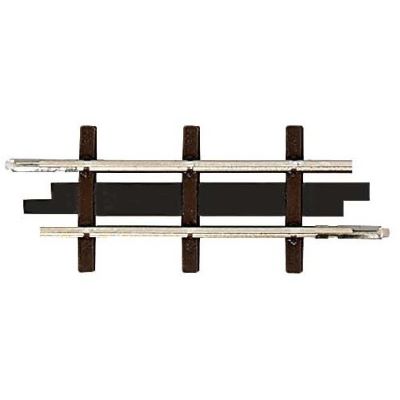
Short compensation section for compact track plans.
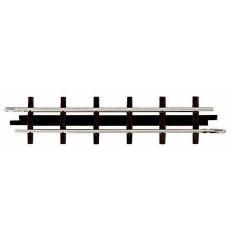
Two medium track sections for sidings and operating locations.
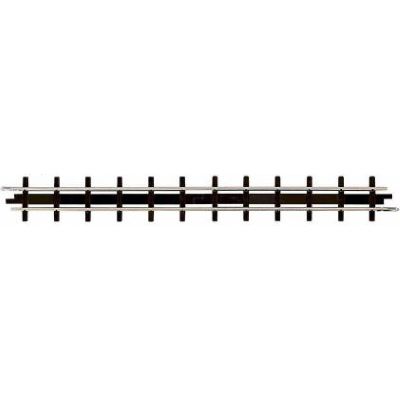
Longer sections for the main route and loading track.
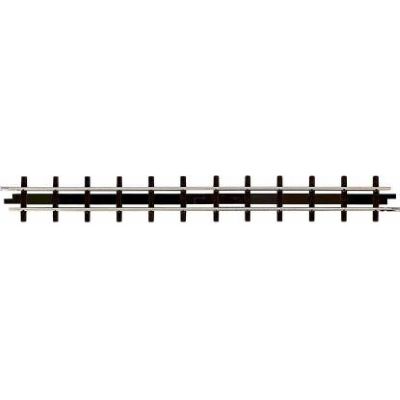
Straight power-feed track for compatible H0f controllers.
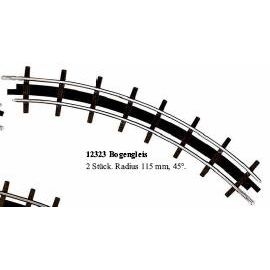
Very tight radius for small dioramas and circuits.
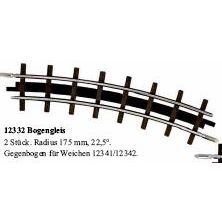
A wider curve for smoother and more natural track alignment.
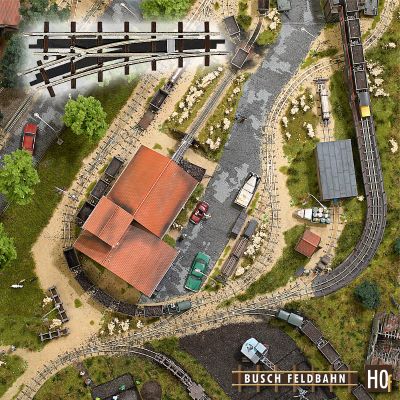
Left-hand branch for a loading track or small operating location.

Right-hand branch for shunting and storage tracks.

Compact shelter for field and mine locomotives.
One metre of burnished track for individual scratch-built projects.
Starter sets are frequently supplied with a coordinated battery controller. When expanding the system, use only voltages and components intended for the specific H0f vehicle.
Lightweight locomotives are sensitive to dust, paint and adhesive residue. Clean the rail heads carefully and keep ballast and scatter materials away from moving components.
Digital conversion is a specialist project. Available space, motor voltage, current consumption and decoder must be compatible. A conventional H0 decoder is not automatically suitable for a small H0f locomotive.
The track gauge is the same, but the scale and technical design are different.
A simple route with a clear purpose usually looks more credible than an overcrowded track plan.
Field railways are characterised by short locomotive-and-wagon formations and frequent shunting movements.
Tunnels, turnouts and loading points must remain accessible for cleaning and vehicle recovery.
Use only a power supply suitable for the vehicle and track system.
H0 indicates the scale of 1:87. In German-speaking model-railway terminology, the letter “f” denotes a field railway. H0f vehicles operate on track measuring 6.5 millimetres between the rails.
H0f belongs to the group of field and industrial railways with prototype track gauges from approximately 400 to less than 650 millimetres. Railways with gauges of 500 or 600 millimetres are frequently represented.
No. Both use a model track gauge of 6.5 millimetres, but H0f uses a scale of 1:87 and Z gauge uses a scale of 1:220. Their track systems and power supplies may also differ.
H0e uses 9 mm track and generally represents 750 or 760 mm narrow-gauge railways. H0f uses 6.5 mm track and is suitable for even narrower field and industrial railways.
Yes. H0 and H0f use the same scale of 1:87. Buildings, figures, vehicles, trees and scenery materials can therefore be used together at the correct scale.
A basic circuit can fit within an area of approximately 375 × 250 millimetres. Some additional space should be allowed for turnouts, loading points and scenery.
R115 is suitable for particularly small projects. R175 provides smoother track alignment and should be used when the available base area permits it.
Conversions are technically possible but require experience. Motor voltage, decoder dimensions, current consumption and heat generation must match the vehicle precisely.
Popular themes include mine railways, peat railways, logging railways, brickworks, quarries, construction sites, agriculture, works railways, heritage railways and small industrial sites.
An analogue starter set provides a manageable introduction. The vehicles are nevertheless delicate model-building products and are generally intended for young people aged 14 or over and adults.
Modellbahnshop primarily offers H0f starter sets, vehicles and track from Busch. Technomodell complements the theme with field-railway model track and narrow-gauge components.
The simplest approach is a starter set containing a locomotive, wagons, track and a coordinated controller. Turnouts, additional wagons, loading points and buildings can then be added.
Select an H0f starter set, define the transport purpose and then expand the route with wagons, turnouts, loading equipment and a suitable engine shed.
Content updated: 19 July 2026