Measure the Building Surface before Starting
Surface Check
Keep Buffers and Bogies Clear
The structure must not obstruct couplings, buffers or movable bogies. Long wagons should additionally be checked on the tightest curve.

Model railways meet creative building. Discover complete starter sets, individual building-block wagons, suitable track and practical extensions. Every product image is assigned directly to its article and is displayed in full without cropping or artificial enlargement.
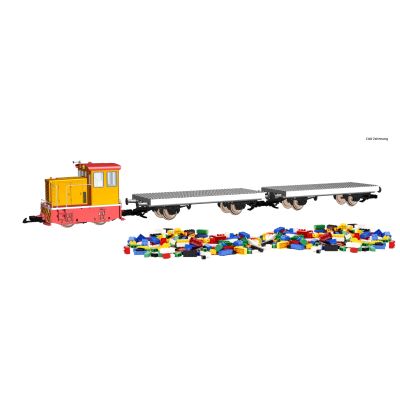

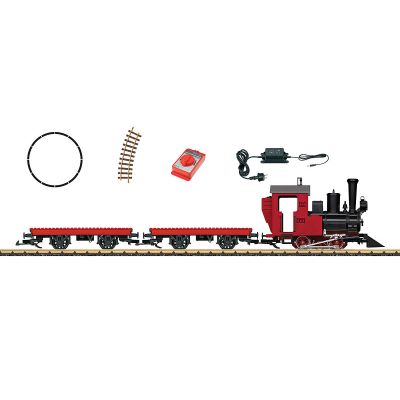
Building-Block Trains in H0 & G by PIKO, Märklin and LGB are not simply toy trains made from blocks. They are genuine model railways on which one or more wagons carry a studded or gridded building surface. Beneath that surface is a regular model railway chassis with wheelsets, couplings, buffers and a defined model track gauge. The wagon therefore runs on suitable model railway track and can be connected to compatible locomotives and further wagons to form a complete train.
Changing loads and miniature scenes can be constructed on the building surface: containers, houses, machines, fantasy vehicles, construction sites, figure worlds or seasonal structures. A wagon can represent an engineering train today, a mobile station tomorrow and a transport vehicle later. The creative structure does not alter the technical requirements. Gauge, electrical system, coupling, wheelset type, minimum radius, loading gauge and weight must still suit the existing railway.
It is also important to distinguish between a complete starter set and an individual building-block wagon. A starter set normally includes a locomotive, wagons, track and a form of control. An individual wagon requires a suitable existing locomotive, compatible track and sufficient space. Anyone without an existing model railway system will usually find a complete set the simpler starting point. Existing H0 or G-gauge users can instead select an appropriate additional wagon.
The right decision depends first on the existing track, available space and preferred building size. The same visible track width does not automatically mean that wheelsets, electrical systems and couplings are compatible.
The PIKO starter set combines a remotely controlled train with H0 roadbed track. Additional PIKO wagons and A-Track sections can later create longer routes, a siding or a small station.
Understand H0 DC →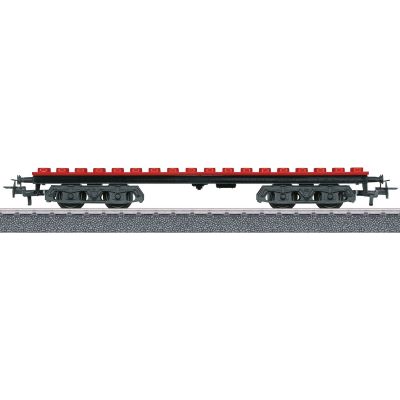
The Märklin building-block wagon belongs to the H0 centre-contact environment. Before using it on two-rail track, check the designated wheelsets, electrical insulation and coupling arrangement.
Classify H0 AC →
PIKO offers a battery-powered R/C introduction, while the LGB set uses track power and a speed controller. The larger wagons provide especially generous space for stable buildings and play scenes.
Discover G Gauge →Ready-made wagons with studded building surfaces are concentrated primarily in H0 and G gauge. Other nominal sizes can carry lightweight self-built loads on suitable flat or low-sided wagons. The smaller the scale, the more important low weight and scale-appropriate dimensions become.
| Nominal Size | Model Track Gauge and Scale | Suitability for Building-Block Projects | Particularly Important |
|---|---|---|---|
| Z Gauge | 6.5 mm · 1:220 | Very light miniature loads and suggested containers | Weight, magnetic effects and vehicle profile |
| N Gauge and Nm | 9 / 6.5 mm · 1:160 | Small modules and scale-appropriate self-built loads | Fine attachment without overloading the chassis |
| TT, TTe and TTm | 12 / 6.5 / 9 mm · 1:120 | Compact loads on short freight wagons | Reduce block size, total weight and centre-of-gravity height |
| H0 DC | 16.5 mm · 1:87 | PIKO starter set and individual PIKO building-block wagons | Two-rail track, NEM coupling and minimum radius |
| H0 AC | 16.5 mm · 1:87 | Märklin building-block wagon in the centre-contact system | Wheelsets, centre-contact clearance and coupling |
| H0e , H0m and H0f | 9 / 12 / 6.5 mm · 1:87 | Small self-built structures on narrow-gauge wagons | Lateral overhang and a low overall height |
| Gauge 00 and S | 16.5 / 22.5 mm · 1:76 / 1:64 | International scratch-built and collector projects | Manufacturer-specific standards and coupling systems |
| Gauge 0, 0e and 0m | 32 / 16.5 / 22.5 mm · usually 1:45 | Large shunting projects and detailed loads | Wagon width, permitted payload and coupling height |
| Gauge 1 | 45 mm · 1:32 | Large self-built loads on flat wagons | Curve overhang and the existing coupling system |
| G Gauge / IIm | 45 mm · frequently 1:22.5 | Largest selection of complete starter sets and ready-made building-block wagons | 600 mm radius, superstructure height and outdoor operation |
| Gauge II | 64 mm · 1:22.5 | Large individual vehicle and loading projects | Space requirements and manufacturer-specific technology |
Model track gauge alone does not determine compatibility. Wheelset dimensions, rail profile, power supply, couplings and minimum radius must also match. The model railway gauge comparison provides a broader overview.
The selection includes complete trains, individual building-block wagons, track extensions and suitable products for stations and scenery. Every image is permanently connected to its MBS article number. When this section approaches the viewport, the linked English product pages are checked again. Prices and stock information are not copied into the cards.
Complete sets combine vehicles, track and control equipment in a coordinated introduction that can be used directly.
H0 two-rail set with roadbed track, remote control, diesel locomotive and two building-block wagons.
Large R/C set with a battery-powered diesel locomotive, two creative wagons and a complete track circle.
Steam locomotive, two building-block wagons, track circle, controller and power supply in one large set.
Individual wagons extend existing trains and create new building surfaces, but require compatible track, couplings and a suitable locomotive.
Four-axle wagon for the centre-contact system with Relex couplings and a studded building surface.
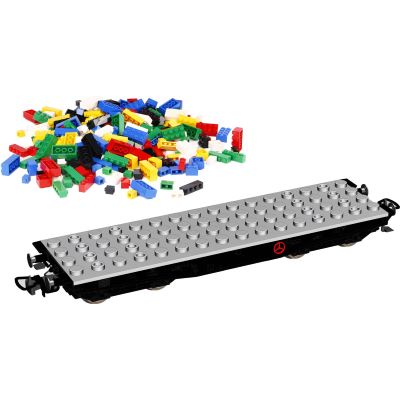
H0 DC flat wagon with an NEM coupling pocket, close-coupling mechanism and gridded building surface.
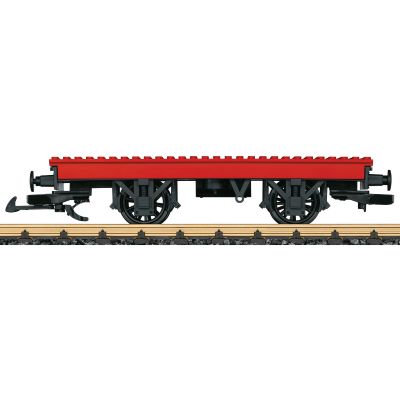
Two-axle large-scale wagon with a length of 26 centimetres and a generous studded construction surface.
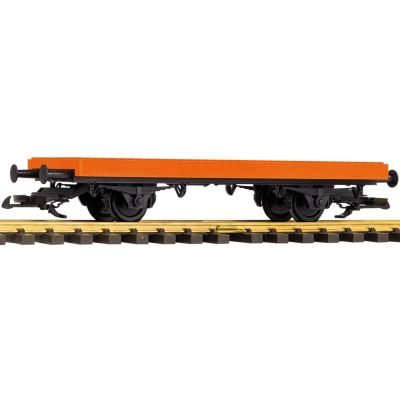
Large creative wagon for 45-millimetre track with a generous building surface and a 600 mm minimum radius.
An additional track creates shunting tasks, wagon exchanges and more varied operation than a simple circle.
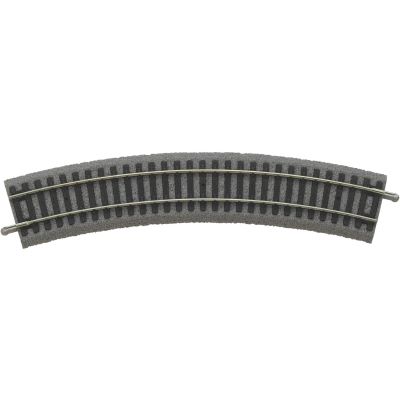
Curved R2 roadbed-track section for extending the PIKO H0 starter set.
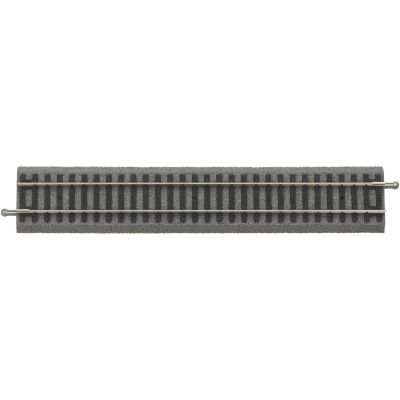
Straight roadbed track for extending routes and creating compact storage tracks.
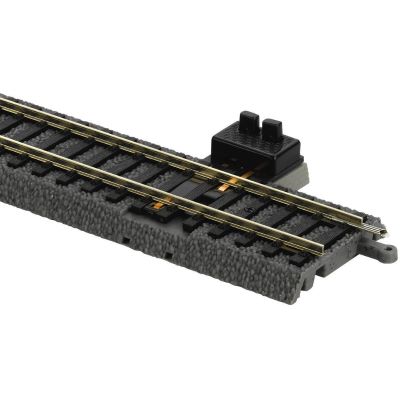
Connection solution for supplying power through a suitable straight PIKO A-Track section.
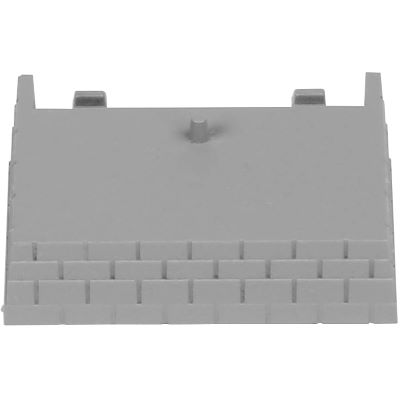
Matching bases for a clean power-connection point on H0 roadbed track.
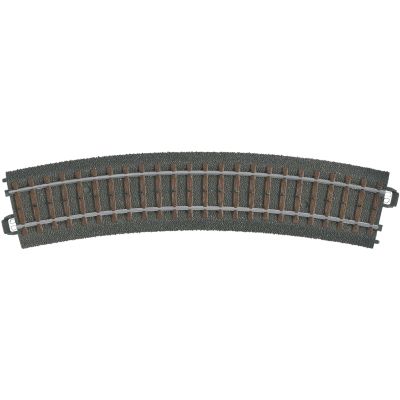
Robust C Track curve for Märklin centre-contact routes and temporary floor railways.
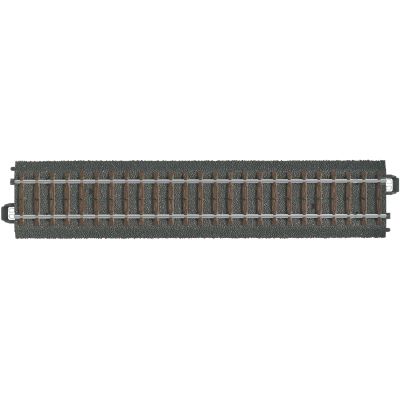
Straight centre-contact track for routes, station tracks and wagon storage.
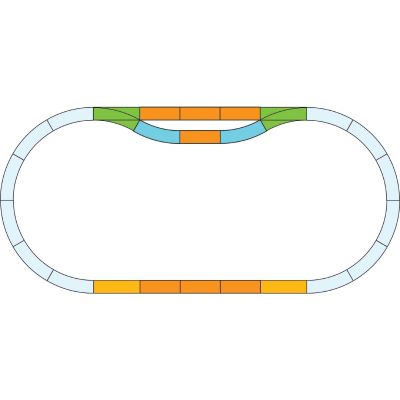
Two turnouts and additional track for a station, train crossings and shunting operation.
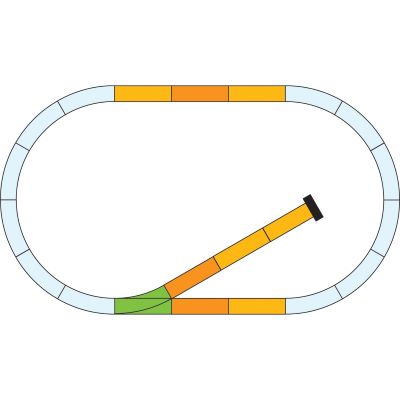
Turnout, straight track and buffer stop for a practical storage or loading siding.
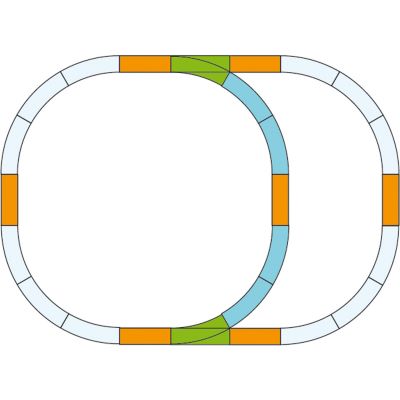
Track arrangement for train crossings, wagon exchanges and varied multi-train operation.
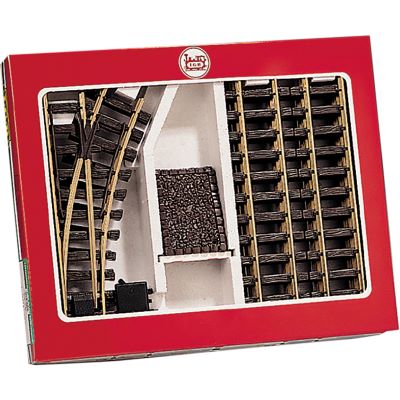
G-gauge extension for a completed storage, shunting or loading siding.
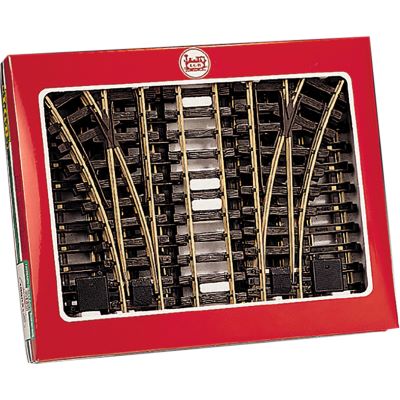
Two turnouts and matching track for a station, passing loop and wagon storage.
Buildings, platforms, bridges and landscaping materials give the self-built loads a recognisable purpose.
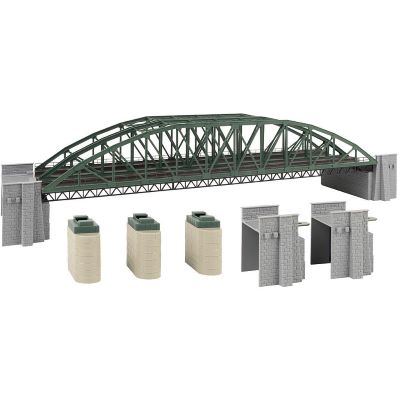
Prominent structure for railway lines, valleys and varied clearance trial runs.
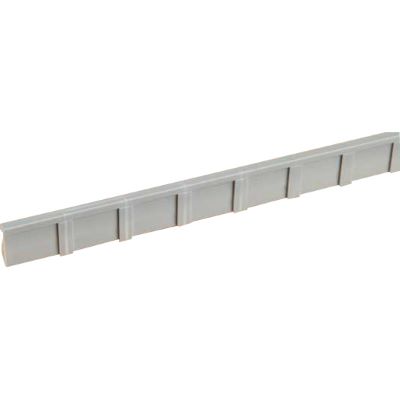
Components for an individually constructed platform beside loading and station tracks.
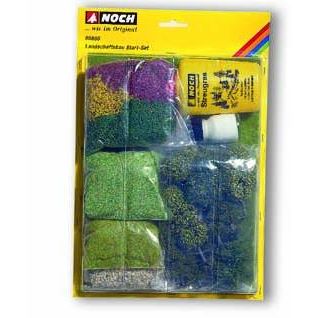
Basic materials for meadows, rocks and the first fully designed model railway environment.
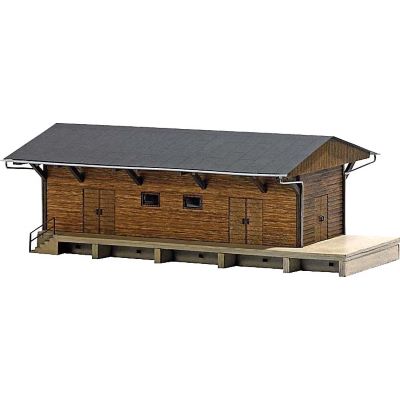
Goods shed with loading ramp as a destination for construction, loading and shunting scenes.
No products match this filter combination. Remove one filter or reset the complete selection.
PIKO, Märklin and LGB provide the principal trains and building-block wagons. FALLER, Auhagen, NOCH and Busch add buildings, platforms, bridges and scenery materials.







A useful expansion follows the operating requirements: first select a suitable vehicle, then add track, a place to store wagons and finally a scene in which the self-built loads can be used.
Compare complete introductions containing vehicles, track and control equipment.
Select additional vehicles for longer trains and changing loads.
Add complete circles, station tracks and storage sidings.
Understand the H0 track used with the PIKO R/C starter set.
Explore robust centre-contact track for Märklin wagons and temporary layouts.
Plan turnouts, sidings and station extensions for large trains.
Add storage, station and passing-loop tracks to a G train.
Create a station, paths, terrain and small scenes around the railway.
A good superstructure does more than look interesting. It remains securely attached in curves, over turnouts and during changes of direction. These six steps avoid the most common operating problems.
The structure must not obstruct couplings, buffers or movable bogies. Long wagons should additionally be checked on the tightest curve.
H0 AC and H0 DC differ in more than the traction-current arrangement. Axle construction, electrical insulation and couplings must also be suitable.
Place heavy blocks near the centre of the wagon. One-sided loads and tall, narrow towers increase the risk of tipping and derailment.
Slowly move the finished wagon past signals, masts, platforms, bridges and adjacent track. The wagon ends and projecting parts can swing outward in curves.
Test the wagon individually and then within the train. Run it through straights, reverse curves, turnouts and gradients before increasing speed.
A siding, loading point or small construction site creates more operation than a simple circle and gives every building-block load a clear purpose.
An impressive structure can raise the centre of gravity considerably or exceed the loading gauge. A modular structure with removable upper sections is safer. For children, always observe the safety and age information for the exact model railway product and the building blocks being used.
These answers help with the choice between H0, centre-contact, two-rail, an R/C garden railway and a conventional G-gauge starter set.
A building-block wagon has a gridded construction surface for changing superstructures. The chassis, wheelsets, couplings and model track gauge nevertheless function like those of a regular model railway wagon.
The principal ready-made models are found in H0 and G gauge. H0 requires less space, while G gauge provides larger wagons and considerably more room for stable buildings and figure scenes.
H0 DC normally uses two electrically separated running rails. H0 AC usually refers to the Märklin centre-contact system. Vehicles require the appropriate wheelsets and electrical characteristics for the selected system.
The PIKO wagon is initially assigned to the two-rail system. Suitable AC wheelsets, coupling compatibility, wheel clearance and the technical specification of the exact vehicle must be checked before centre-contact use.
This may be possible with the DC wheelsets specified for the particular wagon. The exact product assignment, wheelset dimensions, coupling and existing two-rail track remain decisive.
No. Several individual wagons and some starter sets are supplied without additional building blocks. Always check the exact scope of delivery on the individual product page.
There is no universal maximum. Keep the structure as light, central and low as possible. Test the loading gauge, tightest curve, turnouts and tendency to tip at low speed.
With R/C, the train is operated by remote control. Depending on the set, the locomotive may use batteries or another dedicated power source. Conventional garden-railway sets regulate speed through the voltage applied to the track.
Both product worlds use 45-millimetre track. Couplings, wheelsets, minimum radius, electrical supply, rail profile and vehicle dimensions must nevertheless be checked. A common track gauge does not guarantee complete system compatibility.
This can be answered only by checking the age marking for the exact product. Model railway products and building blocks may contain small parts that can be swallowed. Assembly and operation should be supervised appropriately.
Continue with gauges, track planning, compatibility, starter sets, scenery construction, maintenance and family-friendly model railway projects.