I mainly own Märklin mfx locomotives
Automatic registration of compatible vehicles, function symbols and close integration with Märklin system components are important to you.
Suitable:
Mobile Station, CS3 or CS3 plus








Answer six fundamental questions about decoder protocols, scale, operation, layout size, feedback and future expansion. The most suitable system family can then usually be narrowed down considerably.
A digital command station generates driving and switching commands for locomotives, turnouts, signals and other layout functions. The first deciding factor is which digital protocols your vehicles support. DCC is especially widespread on two-rail layouts. mfx, mfx+ and Motorola play an important role on Märklin centre-conductor layouts. Multi-protocol command stations can generate several formats simultaneously.
The next consideration is the preferred operating method. Would you like to hold a traditional rotary controller, use a large touchscreen or operate the layout with a smartphone or tablet? A physical speed controller is often more convenient than an app alone in a shunting yard. Wireless handheld controllers are particularly practical for several operators, modular layouts and garden railways.
The command station output must suit the scale and the consumers operating at the same time. A small N- or TT-scale layout normally requires less traction current than a Gauge G layout with several motors, sound, lighting and smoke generators. Large layouts should nevertheless be divided into several protected booster districts instead of being supplied by one extremely powerful output stage.
Several profiles may apply at the same time. In this case, existing decoders and planned expandability should be weighted more heavily than individual convenience functions.
Automatic registration of compatible vehicles, function symbols and close integration with Märklin system components are important to you.
You prefer open network control, apps and a future connection to feedback modules or model railway software.
Your layout is manageable. You initially want to run trains, programme locomotive addresses and later control individual turnouts digitally.
Older Motorola or Selectrix decoders should continue to operate alongside DCC- or mfx-compatible vehicles.
Feedback detectors, separate detection sections, routes and a stable LAN or USB connection are more important than a large command-station display.
High current consumption, long cables and unrestricted movement alongside the route require powerful output and mobile controllers.
Output power alone does not determine suitability. The data format, feedback bus, choice of controllers, network connection and available expansion modules are at least as important.
| Digital command station | Protocols | Power | Operation | Typical application |
|---|---|---|---|---|
| Märklin CS3 / CS3 plus | mfx, mfx+, Motorola, DCC | Consider the power supply and layout concept | Touchscreen, rotary controllers and network | Märklin H0, Gauge 1 and mfx vehicles |
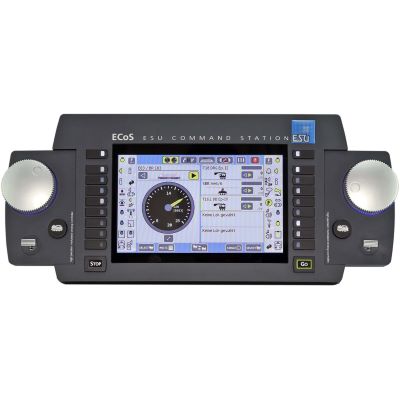
| ESU ECoS 2.5 | DCC, Motorola, Selectrix, M4 | 6 A with adjustable voltage | Touchscreen, two speed controllers and LAN | Mixed decoder fleets and large layouts |
| Roco Z21 | DCC with RailCom support | 3 A with adjustable track voltage | App, Wi-Fi, LAN and handheld controllers | DCC, app control and automation |
| Uhlenbrock Intellibox 3 | DCC, Motorola, mfx, Selectrix | Integrated output stage | Two controllers, display, Wi-Fi and LocoNet | Multi-protocol operation and several operating positions |
| Lenz LZV200 | DCC and RailCom | Up to 5 A | XpressNet handheld controllers | Traditional and expandable DCC layouts |
| Uhlenbrock DAISY II | DCC | For small and medium-sized layouts | Wired or Wi-Fi handheld controllers | Beginners and compact manual operation |
| YaMoRC YD7010 | DCC with RailCom cut-out | 3 A | Wi-Fi, LAN, USB and external controllers | Network- and computer-oriented DCC layouts |
| Massoth DiMAX 1210Z | DCC | Selectable 4, 7 or 12 A | DiMAX Navigator, wireless control and USB | Gauge G and high power requirements |
Record whether each existing locomotive uses DCC, mfx, Motorola or Selectrix. At least one common protocol is required.
Decide between a fixed touchscreen, traditional rotary controller, wireless handheld controller, smartphone, tablet or computer.
Count the locomotives running at the same time as well as sound, interior lighting, smoke and other electrical consumers.
Hidden staging yards and automatic operation require compatible feedback modules, detection sections and accessory decoders.
LAN is especially stable for a permanent computer connection. Wi-Fi enables mobile operation but requires a reliable wireless network.
Include additional controllers, boosters, feedback modules, power supplies, adapters and software where applicable.
Small motors usually require little current. A track voltage suited to the scale, sensitive control and reliable short-circuit detection are more important than an extremely high amperage.
Lenz Starter, DAISY II, YaMoRC YD7010 and Roco Z21.
Set the track voltage according to the vehicle and decoder manufacturer specifications.
The choice is especially broad in these scales. DCC provides a wide manufacturer base for two-rail layouts. Existing mfx and Motorola vehicles on H0 centre-conductor layouts often favour the Märklin system or a multi-protocol command station.
Z21, ECoS, Intellibox, Lenz, Märklin CS3, YaMoRC and DAISY II.
Illuminated trains and numerous sound locomotives can increase the power demand considerably.
Large vehicles may contain several motors, powerful sound amplifiers, smoke generators and extensive lighting. Plan suitably sized cables, several power feeds and clearly separated power districts.
Massoth DiMAX, PIKO G SmartControl, ESU ECoS and suitable boosters.
Protect electronics, power supplies and electrical connections from moisture outdoors.
DCC is a data format. Two-rail and centre-conductor describe the electrical current-collection system at the track.
High output does not replace suitable protocols, a feedback bus, network connectivity or understandable operation.
A mechanically compatible plug does not automatically mean that the controller and command station use the same data bus.
An electrically isolated programming track prevents several locomotive decoders from being changed accidentally.
Hidden staging yards and automatic operation are easier when detection sections are defined before the track is laid.
Smartphones and wireless controllers can operate through a local network even when no internet connection is available.
Before purchasing a handheld controller, check which command station, connection box, wireless component or receiver is additionally required.
From a straightforward introduction to app and computer control.
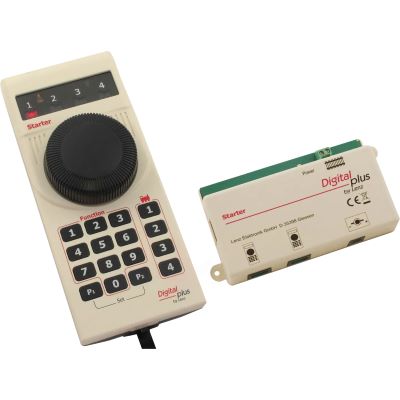
A compact DCC solution for the first locomotives and turnouts.
View product →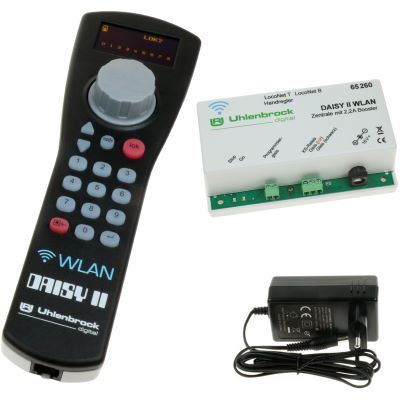
A coordinated set containing a DCC command station, Wi-Fi controller and power supply.
View product →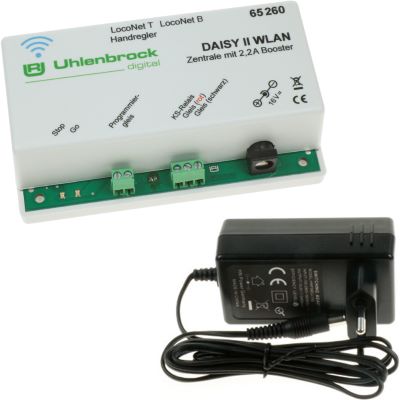
A compact DCC base unit for Wi-Fi controllers and LocoNet expansions.
View product →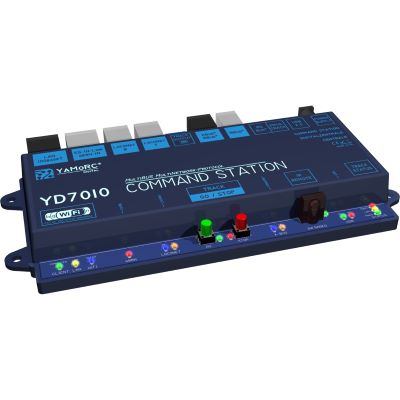
A DCC command station with Wi-Fi, LAN, USB and RailCom cut-out.
View product →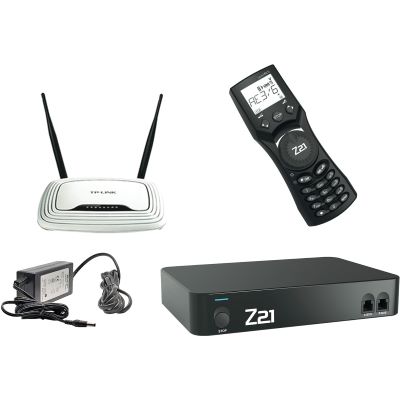
Z21, Wi-Fi controller and router for flexible DCC operation.
View product →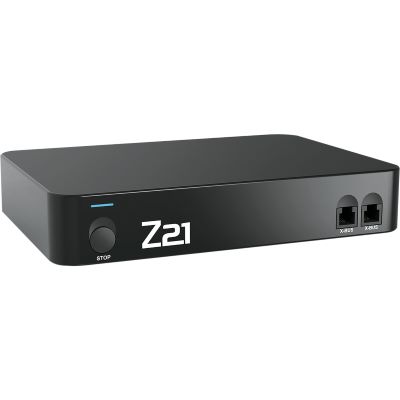
A network command station with a programming track and numerous system buses.
View product →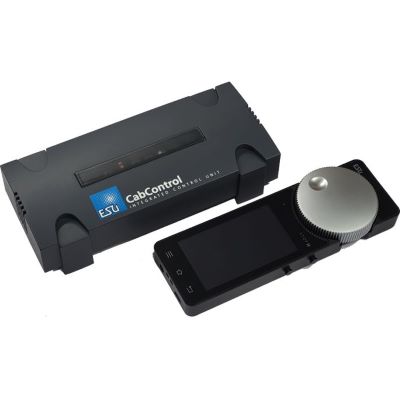
A DCC system with a mobile controller and large rotary control.
View product →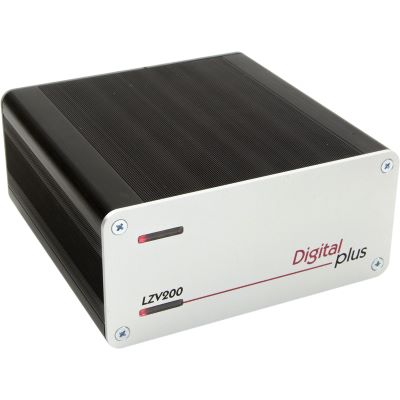
A robust 5 A command station for XpressNet and RailCom.
View product →System solutions for mfx, Motorola, DCC, Selectrix and several vehicle generations.
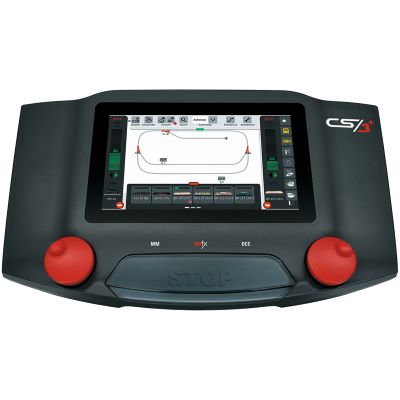
A touchscreen command station with an integrated feedback connection.
View product →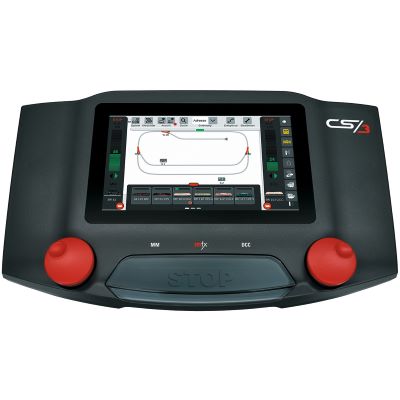
Graphical control of vehicles, turnouts and routes.
View product →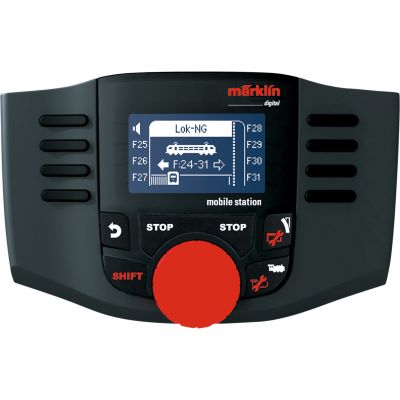
A convenient controller for mfx, Motorola and DCC vehicles.
View product →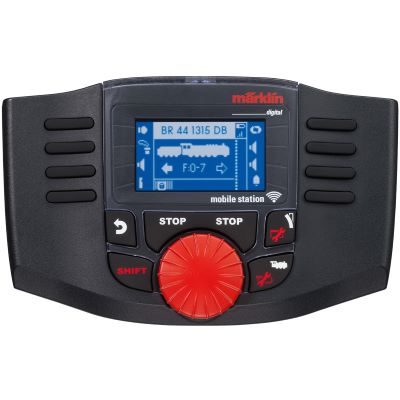
A mobile controller for compatible Märklin network components.
View product →
A multi-protocol command station with a 7-inch display and two speed controllers.
View product →
Two speed controllers, a colour display and broad protocol support.
View product →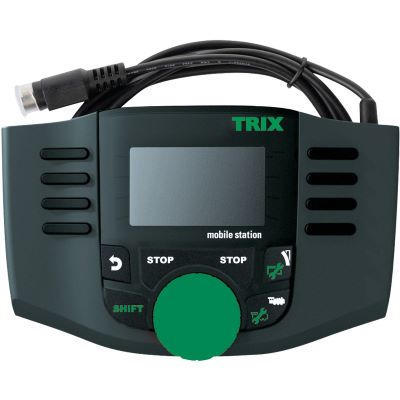
A compact handheld controller for compatible DCC and mfx vehicles.
View product →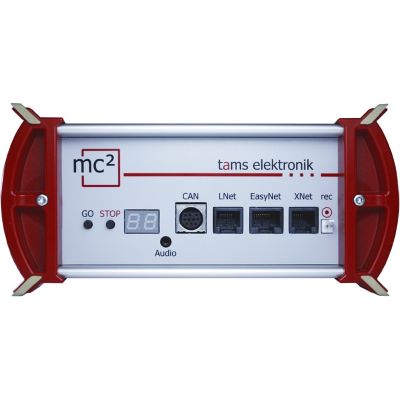
A networkable command station for DCC, Motorola and feedback technology.
View product →Powerful large-scale systems and additional handheld controllers for several operating positions.
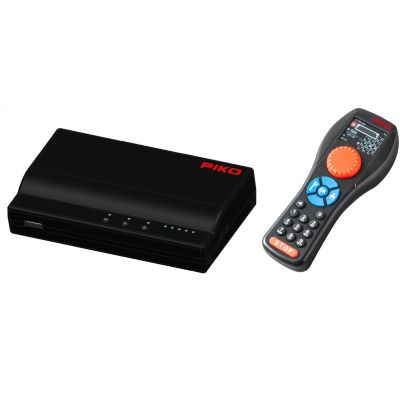
Wireless DCC control for powerful Gauge G layouts.
View product →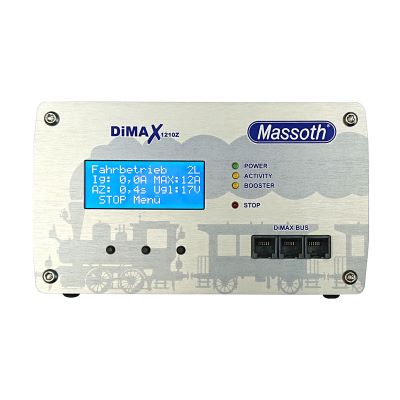
A large-scale command station with adjustable voltage and current limiting.
View product →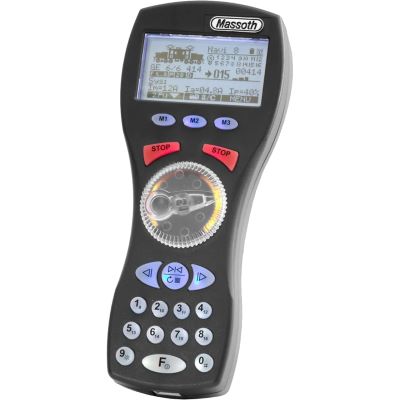
A mobile controller with a graphical display for the DiMAX system.
View product →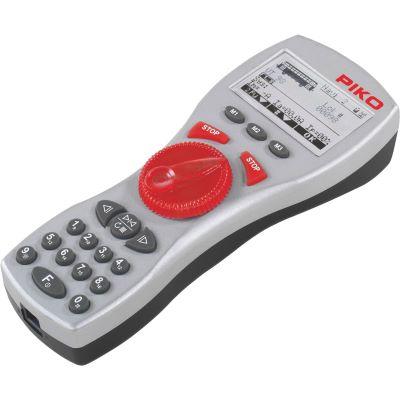
A handheld controller for unrestricted movement alongside a garden railway.
View product →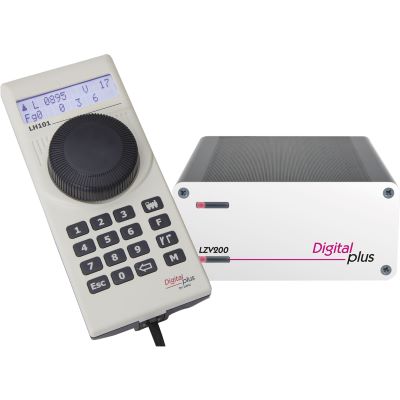
LZV200 and LH101 combined as a coordinated DCC system.
View product →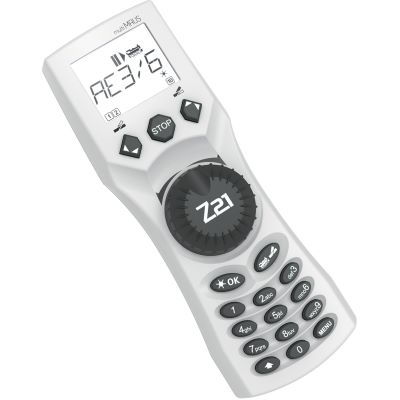
Direct operation of locomotives and digital accessories.
View product →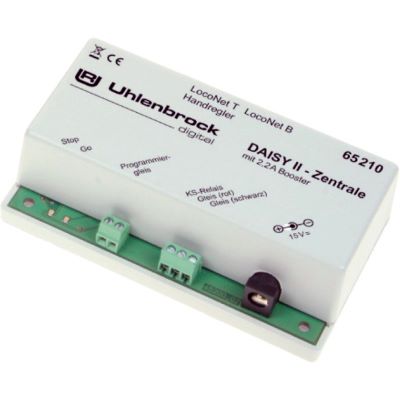
A compact command station for use with additional DAISY controllers.
View product →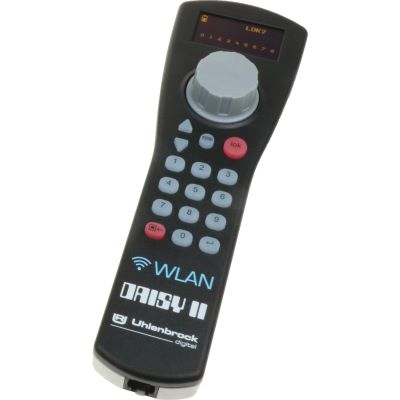
A wireless handheld controller for compatible Wi-Fi digital systems.
View product →A complete set containing a command station, power supply and handheld controller is usually more straightforward than individually selected components. Suitable DCC examples include Lenz Starter, DAISY II and a Z21 set. Märklin beginners with mfx vehicles often choose the Mobile Station.
The Mobile Station and Central Station are obvious choices for a fleet consisting predominantly of Märklin mfx vehicles. The Central Station provides more options for routes, graphical layout diagrams, networking, feedback and extensive layouts.
The installed decoder is more important than the locomotive brand. A vehicle containing a DCC decoder can be controlled with a suitable DCC command station such as the Z21, Lenz, YaMoRC, DAISY II or PIKO SmartControl.
Yes, provided the command station supports both protocols and the vehicles are electrically compatible with the track system. The Märklin CS3, ESU ECoS and Uhlenbrock Intellibox 3 can generate several widely used data formats.
Yes, for many small and medium-sized layouts. The deciding factor is the combined current consumption of all moving locomotives and illuminated coaches. When the limit is reached, a suitable command station can often be expanded with boosters and separate power districts.
No. Wired handheld controllers operate very reliably. Wi-Fi is useful when you want to move freely around the layout, use a smartphone or tablet or connect several wireless operating devices.
Command stations with LAN or USB and documented software support are especially practical. The Roco Z21, YaMoRC YD7010, ESU ECoS and suitably expanded Lenz systems can be incorporated into many layout concepts using feedback and model railway software.
A multi-protocol command station is worthwhile for a mixed fleet containing several decoder generations. When every vehicle has a modern DCC decoder, a dedicated DCC command station may be simpler and less expensive.
High power reserves, suitably sized cables and mobile operation are important for garden railways. Massoth DiMAX and PIKO G SmartControl were developed for typical large-scale vehicle requirements. The actual demand depends on the motors and additional functions.
No. Digital train operation and analogue turnout control can be combined. Turnouts can later be upgraded with accessory or servo decoders. Digital switching is particularly practical for routes and automatic operation.
Discover further basic information about scales, electrical systems, decoders, track planning, wiring, layout construction and maintenance.