What Is a Locomotive Decoder?
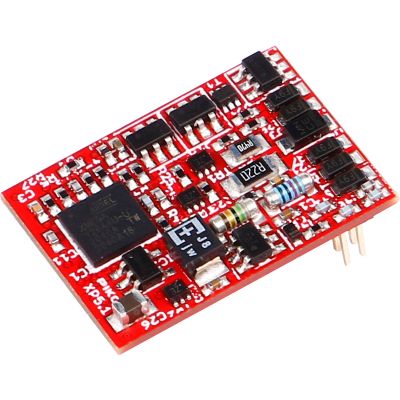
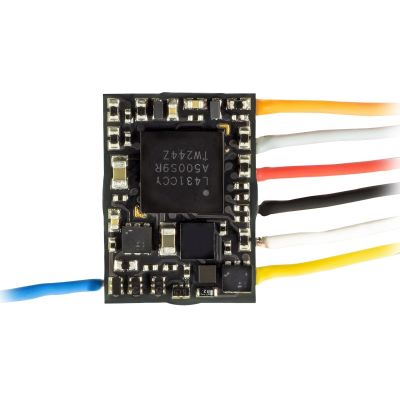
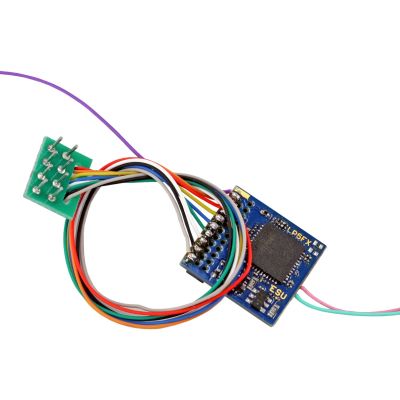
A locomotive decoder is an electronic receiver installed in
a locomotive or railcar. It receives digital commands through
the track, recognises its own address and controls the connected
motor. It also switches lighting, digital couplers, smoke
generators and other functions.
What Should Be Checked?
The interface, decoder dimensions, motor current, track
voltage, digital protocol and number of function outputs must
suit the vehicle.
Practical Example
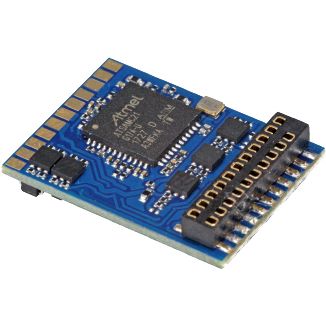
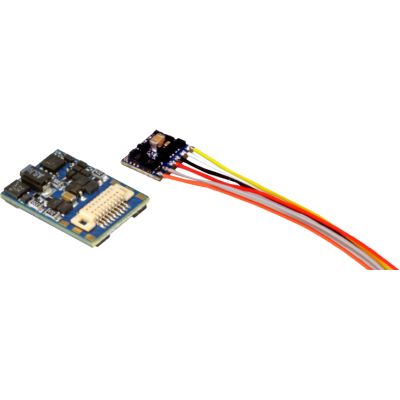
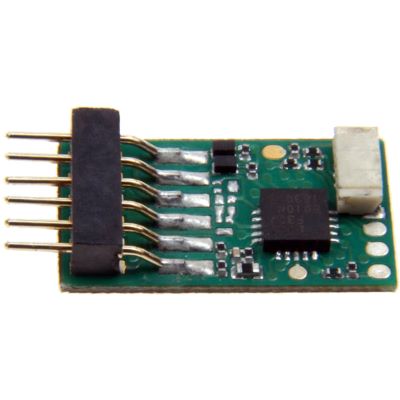
An H0 locomotive with a PluX22 interface requires a compatible
PluX22 decoder. A Next18 decoder cannot be inserted directly.
Key Point
The locomotive decoder is responsible for motor control and
vehicle functions.
What Is a Function Decoder?
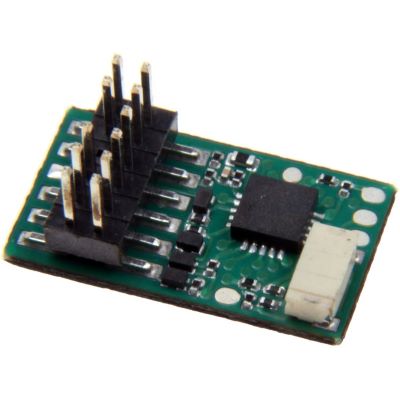
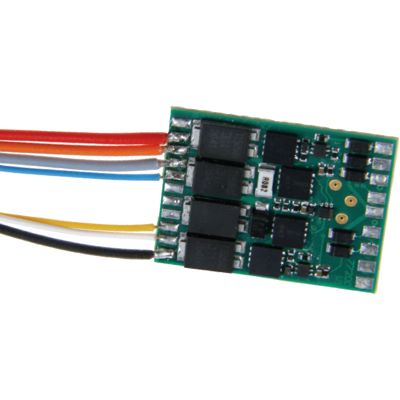
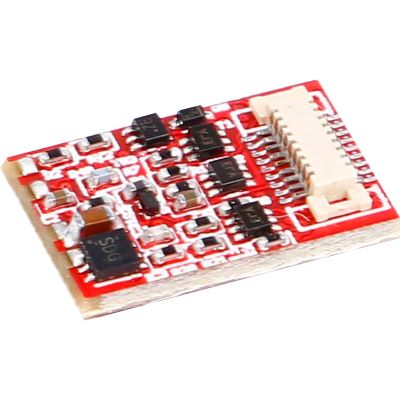
A function decoder also receives digital commands, but it does
not have a regulated motor output. It is used when only lighting,
couplers, servos or other functions need to be switched.
Where Is It Used?
Typical applications include driving trailers, passenger
coaches, intermediate railcar coaches, cranes, snowploughs
and functional models.
Practical Example
In a driving trailer, the decoder independently switches white
headlights, red tail lights and interior lighting.
Key Point
A function decoder switches functions, but it does not control
a traction motor.
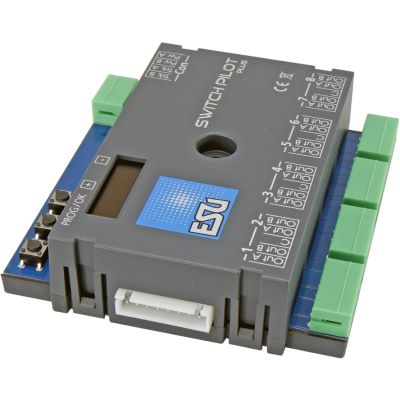
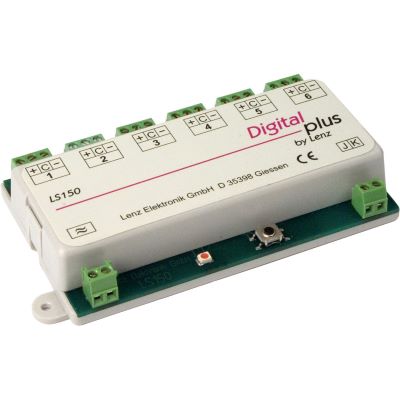
What Is an Accessory Decoder?
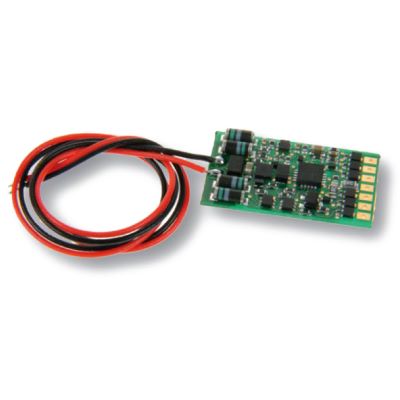
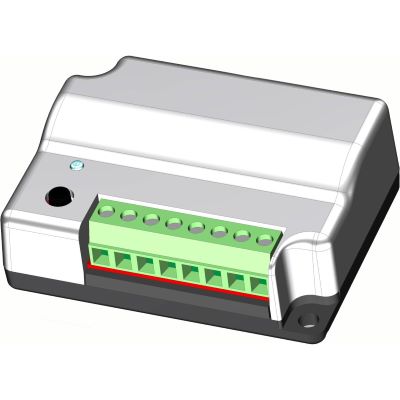
An accessory decoder receives accessory commands from the
command station and switches stationary electrical loads.
Depending on its design, it provides short pulses, continuous
switching voltages, relay contacts or control signals for
servos and motor drives.
Which Loads Are Compatible?
Twin-coil drives, motorised turnouts, servos, colour-light
signals, semaphore signals and lighting require different
types of outputs.
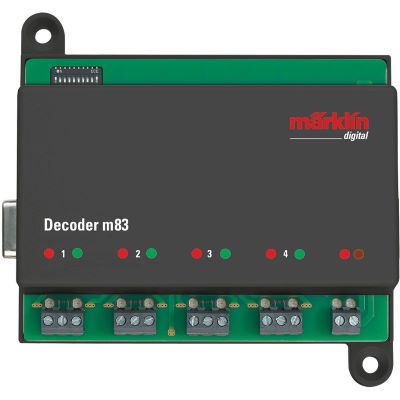
Practical Example
A four-output magnetic-accessory decoder can operate four
twin-coil turnout drives through four digital addresses.
Key Point
An accessory decoder controls equipment that is permanently
installed on the layout.
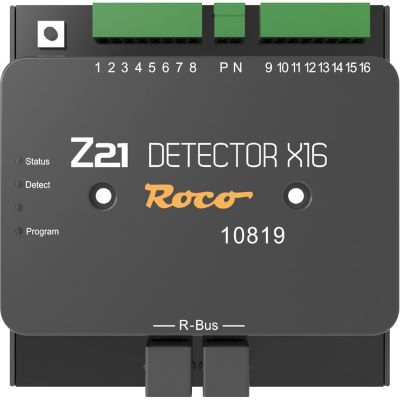
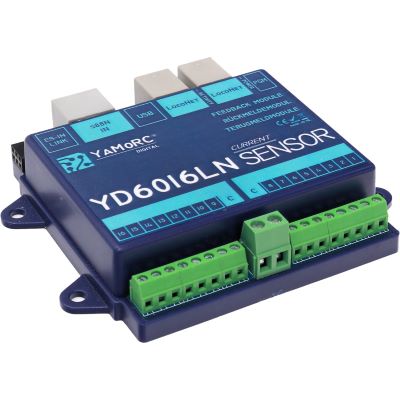
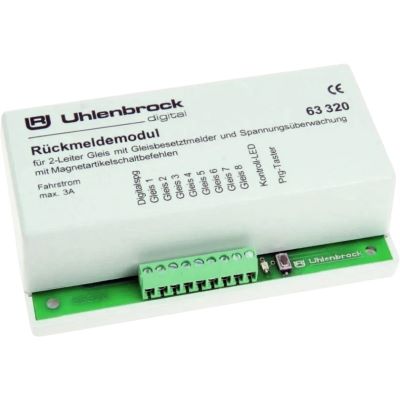
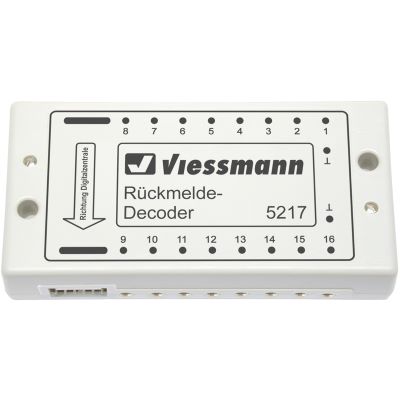
What Is a Feedback Module?
A feedback module detects states on the layout and transmits
them to the command station or a computer. It can evaluate
current consumption, ground contacts, reed contacts, switches,
push buttons or other sensors.
Why Is Feedback Important?
Automatic operating sequences require reliable information
about whether a track section is occupied or a contact has
been triggered.
Practical Example
When a locomotive enters a monitored section, a current sensor
detects the electrical load and reports the track as occupied.
Key Point
A feedback module returns information from the layout to the
control system.
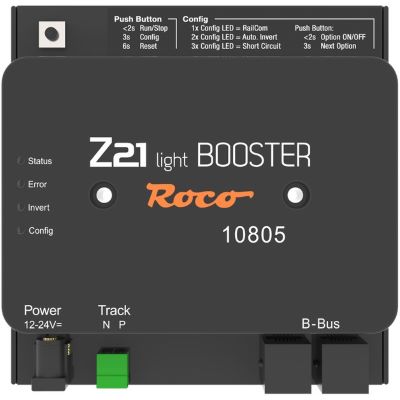
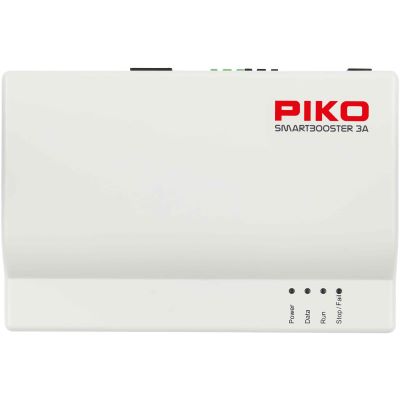
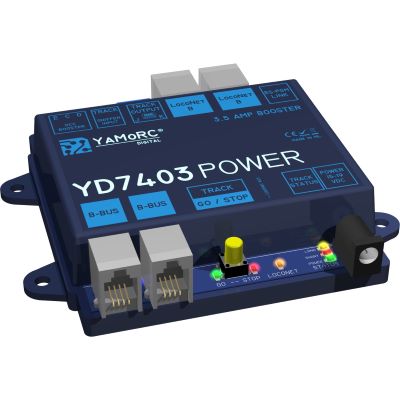
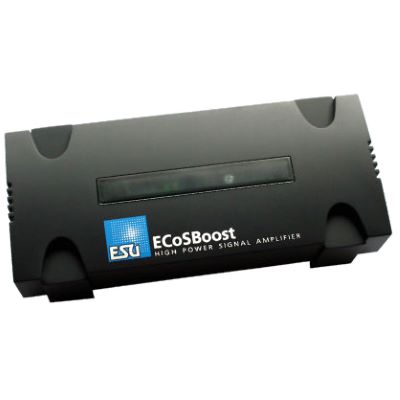
What Is a Booster?
A booster is the power stage of a digital system. It receives
the digital control signal from the command station and
converts it into a robust track signal for locomotives,
decoders, lighting and other electrical loads.
When Is a Booster Required?
An additional booster is useful when the command station does
not provide enough power or when several separate short-circuit
and supply districts are required.
Practical Example
The main station and staging yard are supplied separately.
A short circuit in the station therefore does not automatically
shut down the entire layout.
Key Point
A booster provides more power, but it does not provide more
decoder addresses.
What Is a Digital Bus?
A digital bus is a defined data connection between the command
station and system devices. It transmits commands, feedback,
configuration data and, in some systems, a limited supply
voltage.
Which Bus Systems Are Available?
Common examples include LocoNet, s88 or s88N, XpressNet,
R-Bus, CAN, ECoSlink and manufacturer-specific connections.
Practical Example
A feedback module detects track occupancy and sends the state
to the digital command station through LocoNet or R-Bus.
Key Point
Connectors that look identical do not guarantee technical
compatibility.