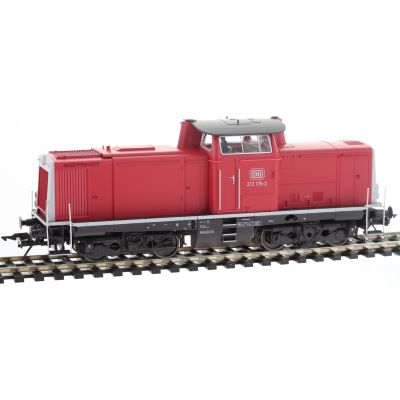
Branch Line with a Terminus
Two or three station tracks, a goods shed and an engine shed permit passenger services, goods transfers, run-round movements and industrial-siding operation.

Impressive locomotives, visible engineering, working couplings and an especially immersive driving experience: 0 gauge combines the character of a large-scale railway with varied shunting and branch-line operation.
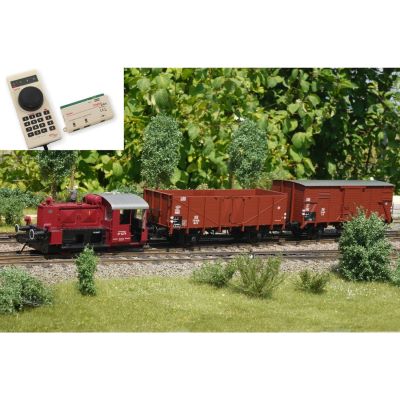
0 gauge is a large model-railway size which predominantly uses a scale of 1:45 in continental Europe. A standard-gauge model operates on track measuring 32 millimetres between the rails. A 0 gauge vehicle is therefore almost twice the linear size of an H0 gauge model. Handrails, pipework, driving cabs, suspension and couplings are correspondingly easy to see.
The large scale does not mean that a complete circuit is essential. Narrow shunting, shelf and modular layouts are particularly attractive. A small terminus, goods shed or industrial siding can provide varied operation with only a few turnouts. Short trains look credible in 0 gauge because the vehicles and spaces between them have a strong physical presence.
Before purchasing, consider the room, longest vehicle, minimum radius, usable track length and intended electrical system together. Anyone still deciding between several model sizes can find a direct comparison in the model railway gauge comparison .

0 gauge locomotives, railcars, passenger coaches, goods wagons, track, turnouts, couplings, starter sets and components for digital operation.
Open the Lenz brand world →
The range complements standard 0 gauge with 0e themes on 16.5 mm track, allowing compact narrow-gauge railways at a scale of 1:45.
Open the Roco brand world →The designations describe different prototype track gauges within the same nominal model size. Buildings, figures and road vehicles at the correct scale can be used together, but railway vehicles require the appropriate track.
| Designation | Common scale | Model track gauge | Prototype range | Typical themes |
|---|---|---|---|---|
| 0 Gauge | 1:45; regionally also 1:43.5 | 32 mm | Standard gauge | Branch lines, main lines, goods yards and locomotive depots |
| 0m Gauge | 1:45 or 1:43.5 | 22.5 mm | Metre gauge and comparable narrow gauges | Regional, mountain and tramway systems |
| 0e Gauge | 1:45 or 1:43.5 | 16.5 mm | Narrow gauge from approximately 650 to less than 850 mm | 750 mm railways, works railways and heritage railways |
| 0i / 0f Gauge | 1:45 or 1:43.5 | 12 mm | Industrial and field railways from approximately 400 to less than 650 mm | Mines, brickworks, peat and field railways |
| 0p Gauge | 1:45 or 1:43.5 | 9 mm | Very small narrow-gauge and park railways | Park railways and specialist light-railway projects |
Technical classification follows NEM 010 . Track products with the same gauge are not automatically fully compatible. Rail profile, wheelset dimensions, coupling, power supply and minimum radius must also be suitable.
The strength of the model size is not limited to long trains. Operable couplings, slow shunting and visible railway procedures make even short routes interesting.
Two or three station tracks, a goods shed and an engine shed permit passenger services, goods transfers, run-round movements and industrial-siding operation.
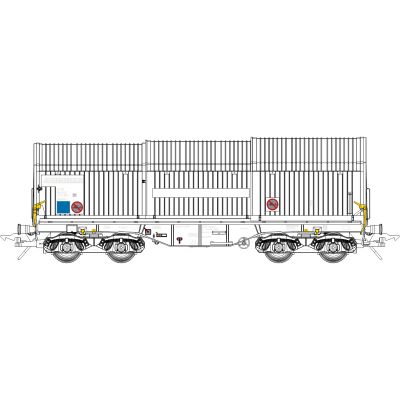
A factory gate, loading track and run-round loop are enough for steel, coal, general goods or building-material traffic.
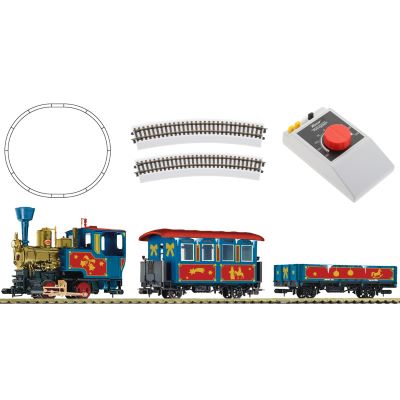
Tight curves and short vehicles suit woodland, works, heritage or seasonal railways on a considerably more compact base.
Begin with a clear operating purpose rather than the maximum possible number of tracks. Vehicle length, radius and turnout geometry then determine the actual space requirement.
Check wall lengths, doors, radiators and transport routes. Sections or modules simplify relocation, maintenance and later expansion.
A Köf, railbus or short tank locomotive requires less space than a large express locomotive with long passenger coaches.
A radius of approximately 920 millimetres already creates a circle almost 1.84 metres in diameter. Edge clearance and vehicle overhang require additional room.
The station, run-round loop and sidings must accommodate the locomotive and wagons. A few sufficiently long tracks are more useful than many tracks that are too short.
Test slow running, reverse curves, couplings and electrical pickup before platforms, ballast and buildings restrict access.
The selection combines starter products, traction units, passenger and goods traffic, track construction, shunting technology and accessories. Every card leads directly to the corresponding product page.
From a complete introductory package to an express steam locomotive, these vehicles cover shunting, branch lines, goods traffic and passenger services from several eras.
Complete set with a Köf, two goods wagons, track oval and digital controller.
Deutsche Bundesbahn diesel locomotive for branch lines, goods transfers and shunting.
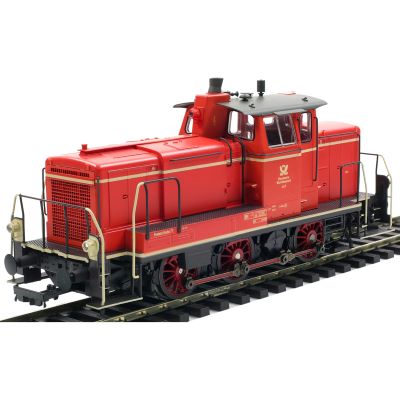
An unusual locomotive for postal depots, works and industrial-railway scenes.
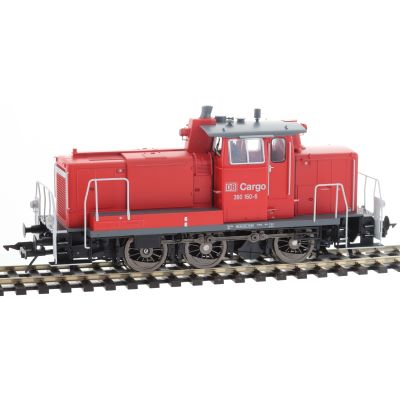
A classic shunting locomotive for goods yards, industrial sidings and transfer trains.
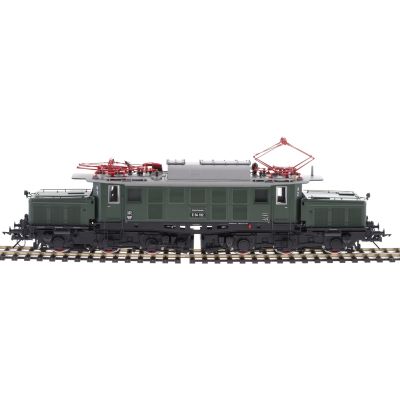
Distinctive early electric locomotive for heavy Deutsche Bundesbahn goods trains.
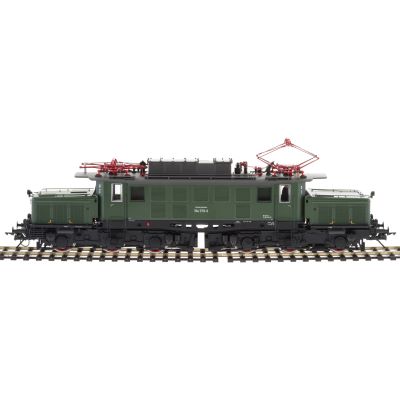
Era IV version for goods traffic beneath an overhead line.
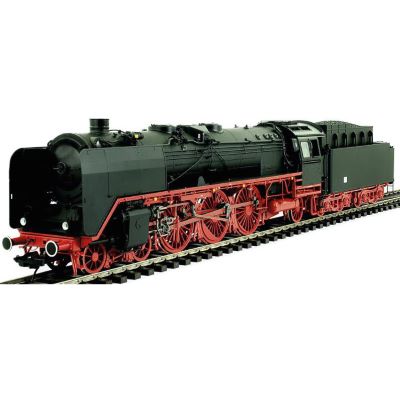
Large DRG express steam locomotive as an impressive operating model.
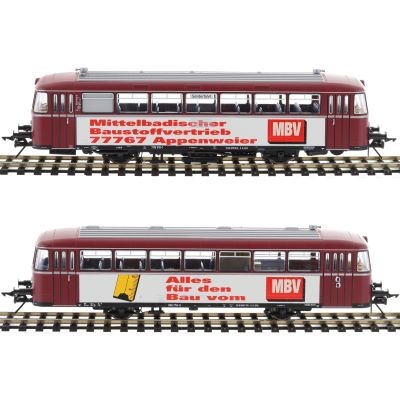
Two-part railbus formation for branch-line and special services.
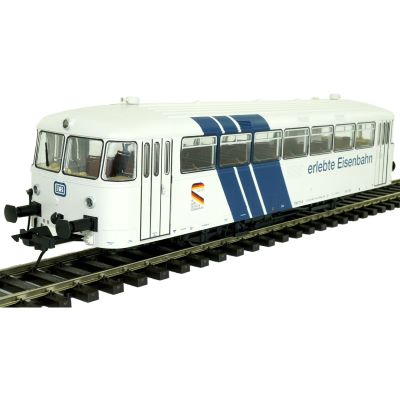
Compact railcar for heritage, excursion and shuttle services.
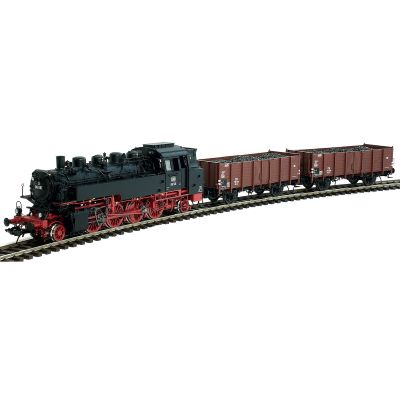
Steam locomotive and two goods wagons for an Era III train formation.
Different vehicles create specific tasks: delivering general goods, unloading bulk materials, transporting steel or forming a short branch-line or push-pull train.
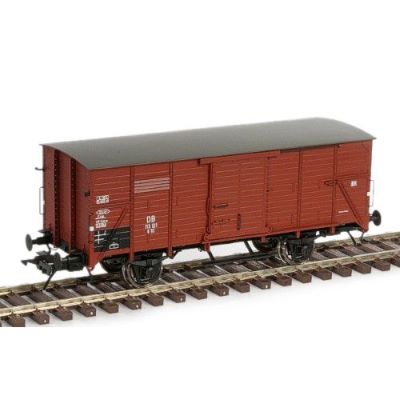
Classic covered wagon for general goods and local goods trains.
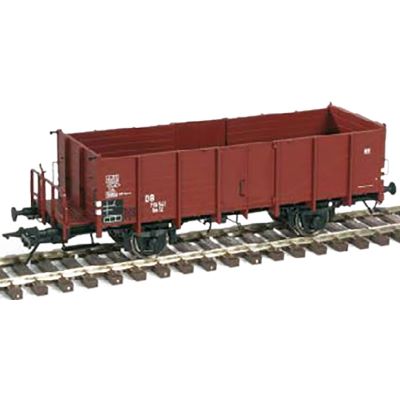
Open wagon for coal, scrap, timber and other bulk materials.
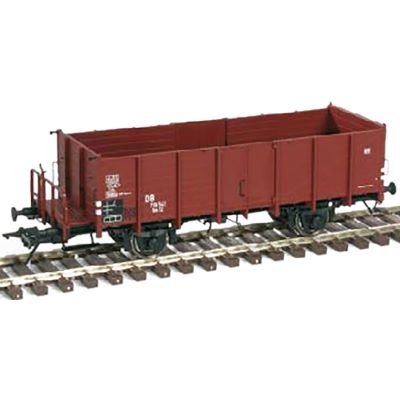
Reichsbahn wagon for historical goods trains and loading scenes.
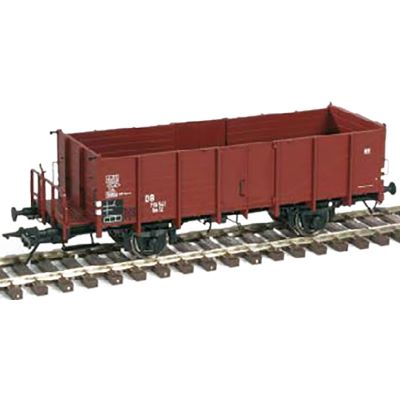
High-sided wagon with a brakeman's platform for classic goods trains.
Modern telescopic-hood wagon for steel and industrial traffic.
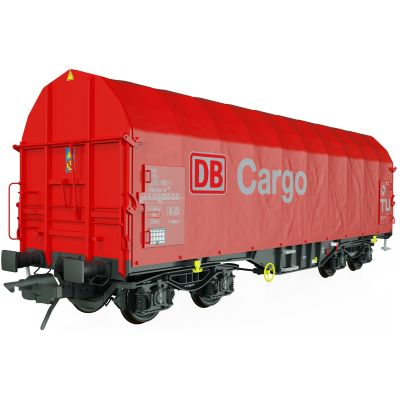
Sliding-tarpaulin wagon for a modern Era VI goods train.
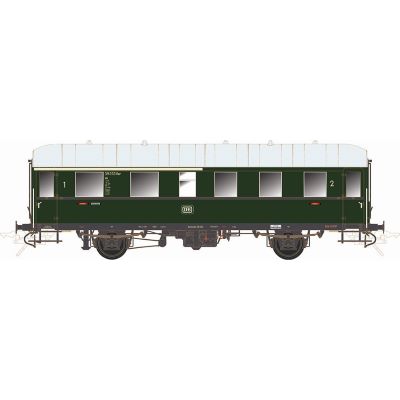
First- and second-class branch-line coach for Era III.
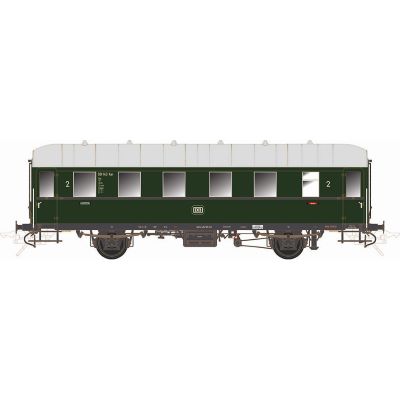
Second-class coach for short rural passenger trains.
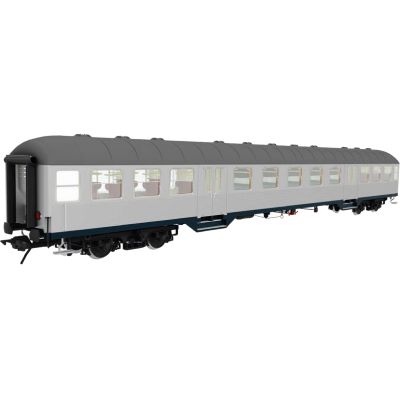
Driving trailer with a luggage compartment for a Silberling push-pull train.
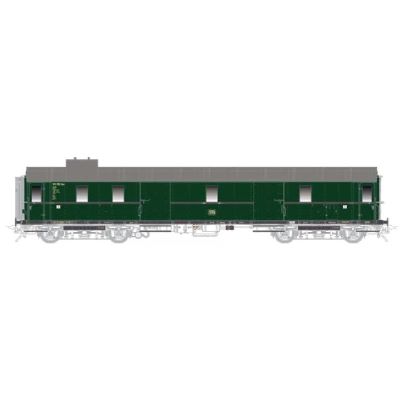
Four-axle luggage van for passenger and express trains.
Track, insulated sections, turnout drives, couplings, lighting and railway staff complete an operational 0 gauge layout.
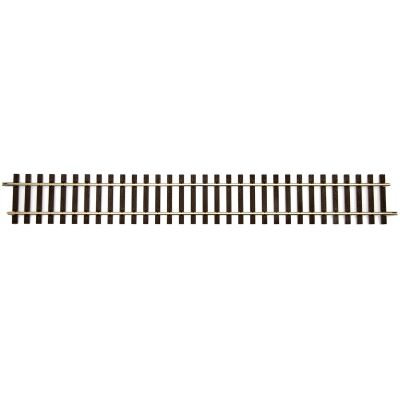
444.12 mm straight section for routes, stations and modules.
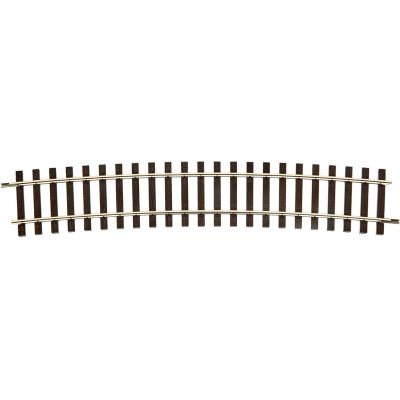
Reverse curve for turnout formations and smooth track connections.

Insulating joiners for separate electrical sections and clearly organised wiring.
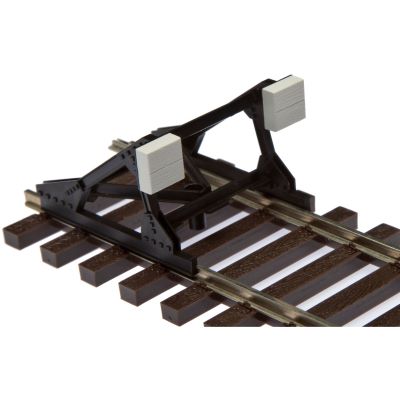
Clip-on end stop for sidings and loading tracks.
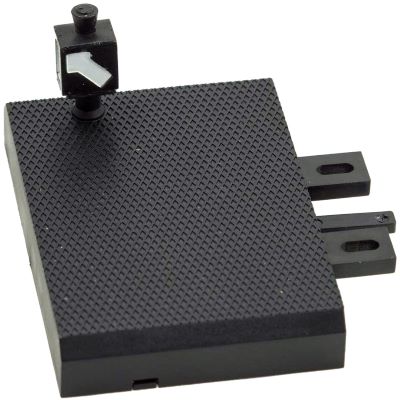
Drive for left- and right-hand turnouts, suitable for analogue or digital operation.
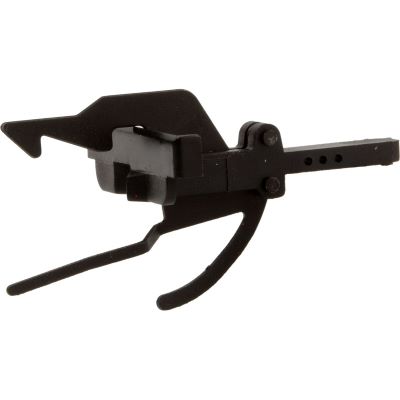
Two coupling heads with pre-uncoupling for shunting operation.
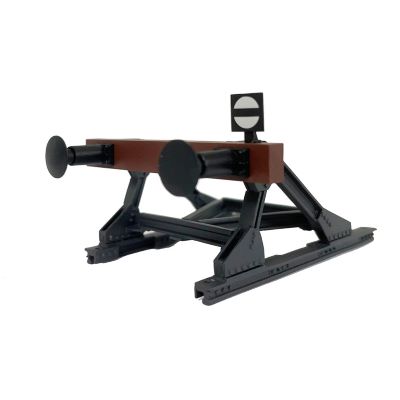
Painted brass model for a prototypical end of track.
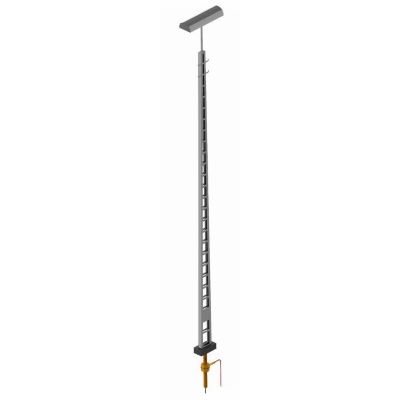
Warm-white LED lamp for stations and industrial layouts.

Railway staff for a steam locomotive, driving cab or locomotive depot.
0e combines large vehicles at a scale of 1:45 with considerably tighter curves, allowing compact woodland, works, heritage and themed railways.
Both operating methods are possible. The vehicle, command station, track voltage and protocol must be compatible.
Sound, lighting, slow running and switchable couplings increase operational value. The functions available depend on the particular vehicle and decoder.
Delivering, pre-uncoupling, running round and collecting wagons: the large vehicles make individual actions and operating procedures particularly easy to follow.
Clean rail heads and wheel surfaces ensure reliable electrical pickup. Ballast, paint and adhesive must not obstruct moving turnout components.
Radii, vehicle overhang, edge clearance and access require more space than the track alone.
Locomotives and coaches should suit the available radius and usable track lengths.
The 32 mm standard gauge and 16.5 mm narrow gauge use different track.
A few accessible and purposeful sidings usually create more credible operation.
Large models need stable packaging, secure display cases and sufficient transport space.
Continental European models predominantly use a scale of 1:45. A scale of 1:43.5 is also widespread in Britain, while North American O-scale models frequently use 1:48.
Standard-gauge 0 uses a model track gauge of 32 millimetres. Narrow-gauge variants use smaller track gauges.
European 0 gauge usually uses a scale of 1:45 and 32 mm track. H0 uses a scale of 1:87 and 16.5 mm track. 0 gauge vehicles are therefore almost twice the linear size.
A continuous circuit using a radius of approximately 920 millimetres already requires a diameter of almost 1.84 metres, plus an outer margin. Shunting and shelf layouts do not require a complete circle.
Yes. A coordinated starter set makes getting started easier. Space, radius, electrical system and future expansion should be clarified before purchasing.
0 gauge represents standard-gauge railways on 32 mm track. 0e represents narrow-gauge railways at the same scale on 16.5 mm track.
Both nominally use a track gauge of 16.5 millimetres. Sleeper spacing, appearance, rail profile, wheelsets, turnouts and power supply must nevertheless be checked.
Yes. A terminus, industrial siding or switching puzzle along a wall can provide varied operation without requiring a complete circuit.
This depends on the longest vehicle. Compact Lenz layouts can use an R1 radius of approximately 920 millimetres, while large locomotives and coaches benefit from wider curves.
Yes. Many models include digital decoders, sound and lighting functions. The command station, protocol and track voltage must suit the vehicle.
Depending on the manufacturer, models may use automatic couplings, coupling heads with pre-uncoupling, standardised mountings or prototypical screw couplings.
Köf locomotives with short goods wagons, railbuses, tank locomotives, two- or three-coach trains and transfers to an industrial siding are particularly suitable.
Lenz is particularly prominent at Modellbahnshop with vehicles, coaches, wagons, track and accessories. Roco complements the subject with products including 0e models.
The models presented here are primarily intended for indoor use. Only systems expressly designed for weather exposure should be used permanently outdoors.
Select the layout form and radius first. Locomotives, wagons, track and digital technology can then be combined into a coherent 0 gauge railway.
Content updated: 19 July 2026