Step 1
Measure the Available Layout Area
Record the length, depth, reach and possible extensions. A track oval requires more than twice the radius because edge clearance and the roadbed must be added.

Compare model railway gauges by scale, model track gauge, minimum radius, space requirements, level of detail, manufacturer selection, suitability for beginners, possible train length and indoor or outdoor operation.
The gauge determines far more than the distance between the rails. Together with the scale, it affects how much space curves, stations and sidings require, how long a credible train can be and how easily small components can be handled.
Large scales such as Gauge 0, Gauge 1 and G gauge display an especially high level of detail but require broad curves and long storage tracks. N and Z gauges permit long routes within a small area. TT lies between them, while H0 provides the broadest selection of vehicles, track, buildings and digital technology.
In the table, model track gauge means the distance between the inner edges of the rails. The distance between the centre lines of two parallel tracks is a separate planning dimension and must be increased on curves according to the radius and vehicle length.









Search for a gauge, select an intended use or save up to three model sizes for a direct comparison.
| Gauge | Scale | Model Track Gauge | Typical Minimum Radius | Space Requirement | Level of Detail | Manufacturer Selection | Suitability for Beginners | Suitability for Long Trains | Indoor or Outdoor Operation |
|---|---|---|---|---|---|---|---|---|---|
| Z Gauge smallest widely available production scale | 1:220 | 6.5 mm | 145–195 mm | very low | Märklin , Rokuhan, NOCH | limited | very good | indoor | |
| N Gauge extensive routes within a small area | 1:160 | 9 mm | 192–250 mm | low | Fleischmann , Minitrix, Arnold, Kato, PIKO | good | very good | indoor | |
| TT Gauge compromise between space and visual presence | 1:120 | 12 mm | 267–310 mm | low to medium | Tillig , PIKO , Roco , Kuehn, Hädl | very good | good | indoor | |
| TTe Gauge TT narrow gauge for 750 and 760 mm prototypes | 1:120 | 6.5 mm | 195–220 mm | very low | Modellbau Veit, Karsei, Tillig | limited | generally short | indoor | |
| H0 Gauge H0 AC · H0 DC | 1:87 | 16.5 mm | 358–420 mm | medium | Märklin , PIKO , Roco , Trix, BRAWA, ESU | very good | depends on available space | indoor | |
| H0e Gauge 750 and 760 mm narrow gauge at 1:87 scale | 1:87 | 9 mm | 200–262 mm | low to medium | Roco , BEMO , Liliput, Tillig | good | generally short trains | indoor | |
| H0m Gauge metre gauge and Alpine railways at 1:87 scale | 1:87 | 12 mm | 310–330 mm | medium | BEMO , Tillig | good | good for narrow gauge | indoor | |
| H0f Gauge field, mine and industrial railways | 1:87 | 6.5 mm | from approximately 115 mm | very low | Busch , small-series manufacturers | limited | short field-railway trains | indoor | |
| S Gauge uncommon intermediate size | 1:64 | 22.5 mm | from approximately 500 mm | high | small international selection and small-series manufacturers | limited | large area required | mainly indoor | |
| Gauge 0 large-scale railway for modules and shunting | 1:45, sometimes 1:43.5 | 32 mm | 914–1,020 mm | high | Lenz , PIKO , MBW | good for modules | generally short trains | indoor | |
| 0e Gauge large narrow gauge using the H0 track gauge | 1:45 | 16.5 mm | approximately 400–600 mm | medium to high | PECO, small-series manufacturers and conversions | good for sections | generally short | mainly indoor | |
| Gauge 1 large standard-gauge models for collectors | 1:32 | 45 mm | from approximately 1,020 mm | very high | Märklin , KM1, KISS | limited | very large area | indoor, limited outdoor use | |
| G Gauge / IIm robust garden and large-scale railway | usually 1:22.5; sometimes different | 45 mm | 600–1,200 mm and larger | high to very high | LGB , PIKO , Train Line | very good | good in the garden | indoor and outdoor | |
| Gauge II standard gauge at a scale of 1:22.5 | 1:22.5 | 64 mm | system-dependent, usually very large | extremely high | custom manufacturers, small series and scratch building | specialists | only on large-scale layouts | indoor, limited outdoor use |
Important: The radii are typical introductory and track-system values. The permissible minimum radius always depends on the locomotive, coach length, coupling, bogie movement and manufacturer specification. Larger radii produce a considerably more prototypical appearance on visible main lines.
The best gauge is not automatically the largest or smallest. The decisive question is which type of operation will remain enjoyable within the available area.
Record the length, depth, reach and possible extensions. A track oval requires more than twice the radius because edge clearance and the roadbed must be added.
Long InterCity and freight trains favour N, Z or a generously sized TT layout. Branch-line, shunting and narrow-gauge trains can also appear convincing on short sections.
H0 and larger model sizes are easier to rerail and maintain. N and Z save space but require a steadier hand when working with couplings, cleaning and scenery.
Traditional Z, N, TT and H0 layouts belong indoors. G gauge is especially suitable for gardens and terraces. Vehicles and electronics should nevertheless be stored dry and protected.
Begin planning with the radii required by your longest intended locomotive and longest coach. A small starter circle may operate reliably even though a later express train or large steam locomotive cannot negotiate it. A little reserve prevents expensive alterations.
The following examples show typical vehicles, starter sets and layout concepts. Before purchasing, check the electrical system, digital protocol, minimum radius and existing track system.
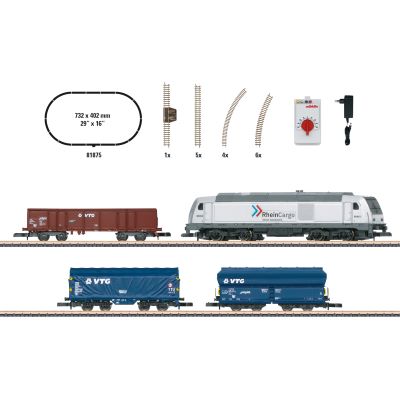 Z Gauge
A compact introduction with a modern diesel locomotive, wagons, track and control equipment.
View Product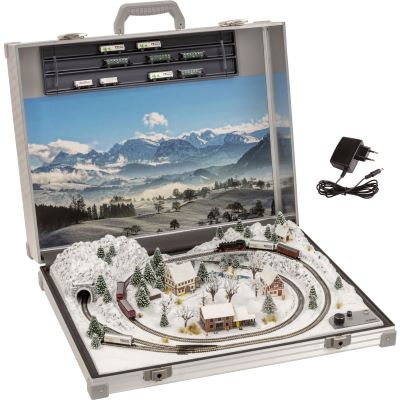 Z Gauge
NOCH
A fully landscaped winter layout in a portable case for areas where very little space is available.
View Product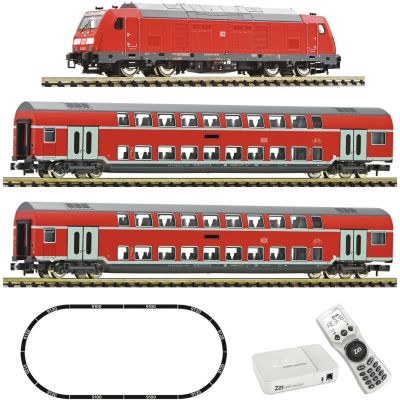 N Gauge
A digital introduction with a modern Class 245 locomotive and typical regional passenger service.
View Product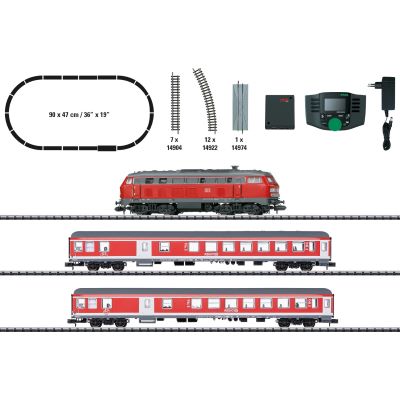 N Gauge
Minitrix
A complete train theme for compact layouts with a longer continuous route.
View Product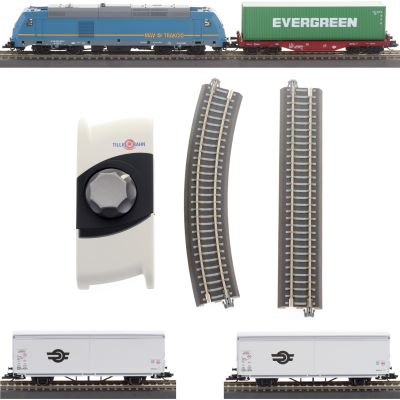 TT Gauge
A freight train and roadbed-track oval provide a straightforward introduction to TT gauge.
View Product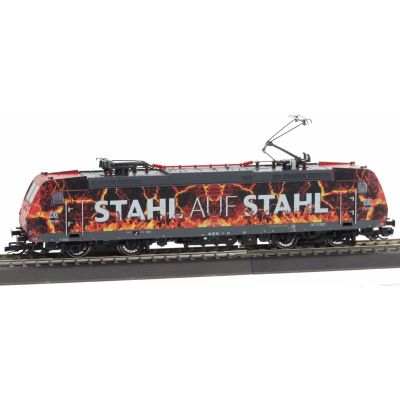 TT Gauge
A modern freight locomotive for contemporary main-line operation and longer trains.
View Product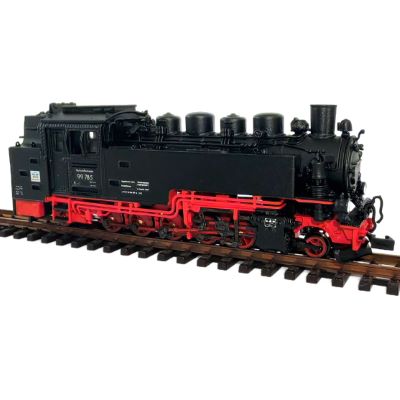 TTe Gauge
Modellbau Veit
A characteristic narrow-gauge steam locomotive for compact Saxon railway scenes.
View Product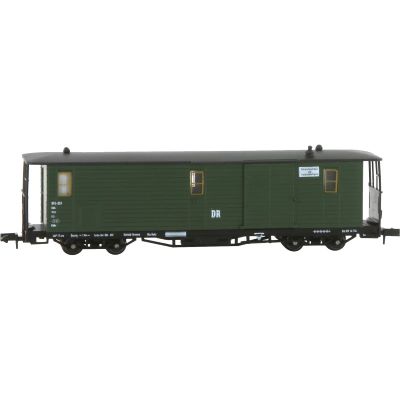 TTe Gauge
Karsei
A suitable narrow-gauge wagon for short and prototypical Deutsche Reichsbahn trains.
View Product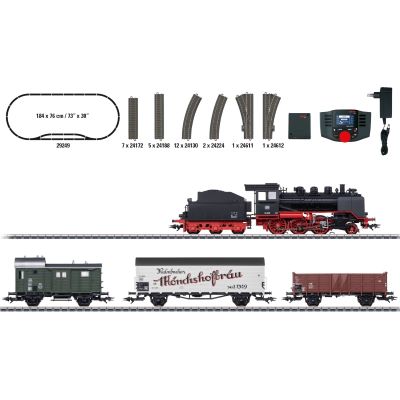 H0 AC
H0 AC
A digital centre-conductor starter set with a classic goods train and sound functions.
View Product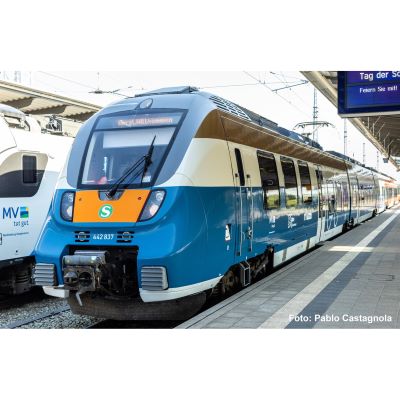 H0 AC
H0 AC
A modern centre-conductor multiple unit for regional and commuter services in Era VI.
View Product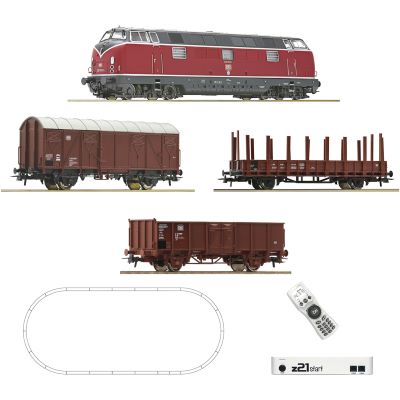 H0 DC
H0 DC
A two-rail starter set with a distinctive diesel locomotive and digital z21 control.
View Product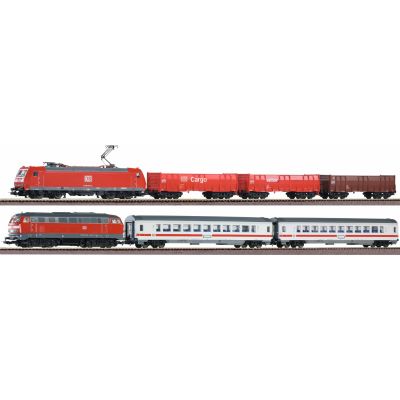 H0 DC
H0 DC
A digital two-rail system for independent multi-train operation and wireless control.
View Product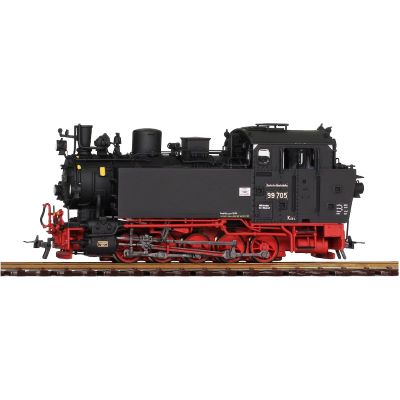 H0e Gauge
A detailed steam locomotive for Saxon-style narrow-gauge layouts and branch-line operation.
View Product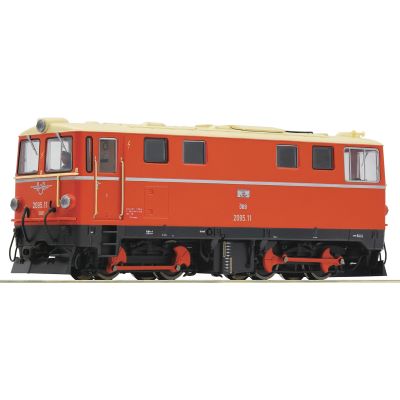 H0e Gauge
An Austrian narrow-gauge locomotive for compact Alpine, valley and branch-line scenes.
View Product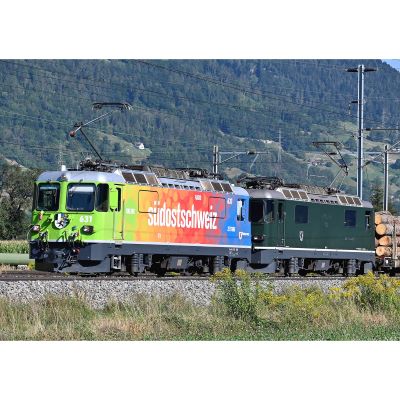 H0m Gauge
A distinctive RhB locomotive for Swiss metre-gauge and mountain railway layouts.
View Product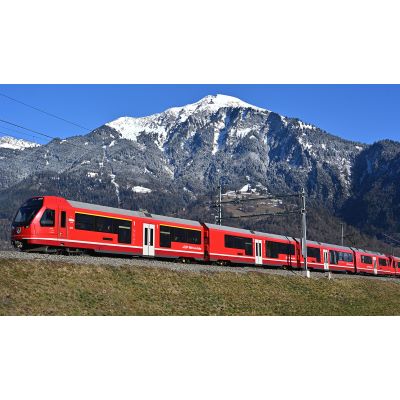 H0m Gauge
A modern RhB multiple unit for contemporary passenger services in the Swiss Alps.
View Product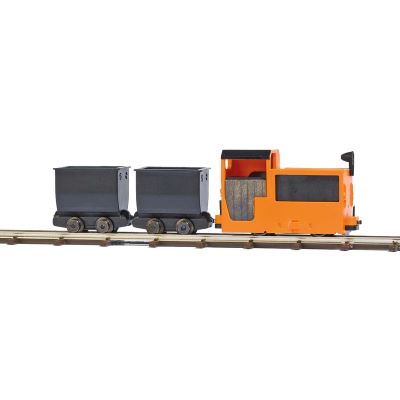 H0f Gauge
A small industrial railway for a mine, quarry or underground loading scene.
View Product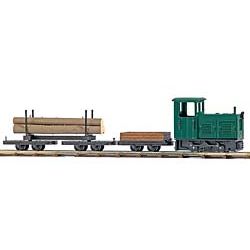 H0f Gauge
A compact logging theme for timber transport, a sawmill and tight radii.
View Product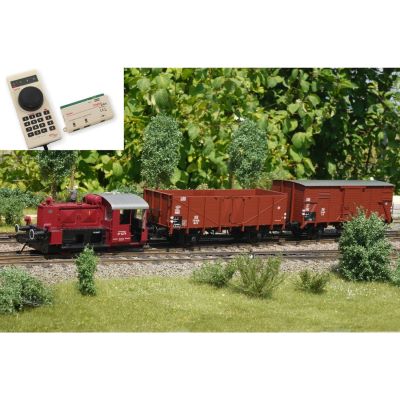 Gauge 0
A compact large-scale introduction for shunting, goods sheds and short local freight movements.
View Product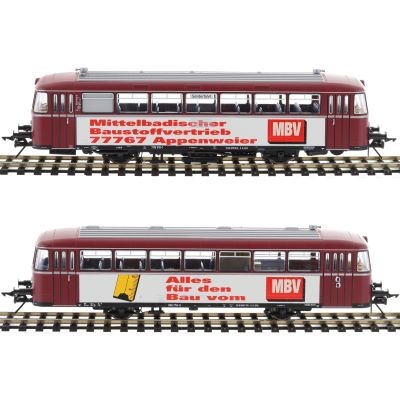 Gauge 0
A short railcar formation for branch-line modules with strong visual detail.
View Product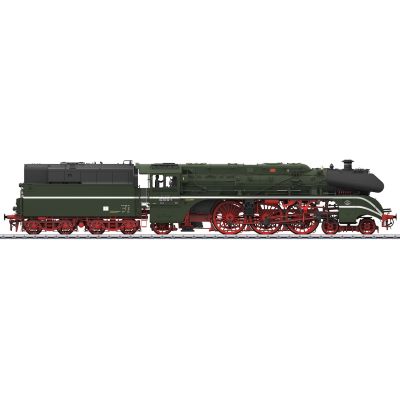 Gauge 1
A large express steam locomotive for collectors, display layouts and generous radii.
View Product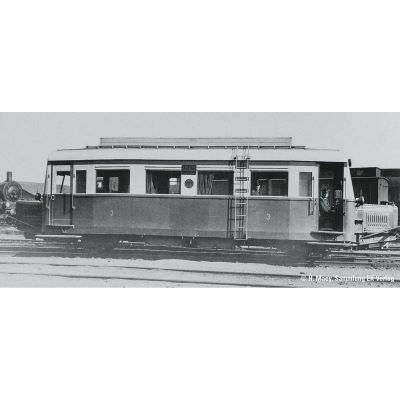 Gauge 1
A short large-scale railcar for branch-line operation without requiring long platforms.
View Product G Gauge
A robust introduction to large garden railways with a classic passenger train.
View Product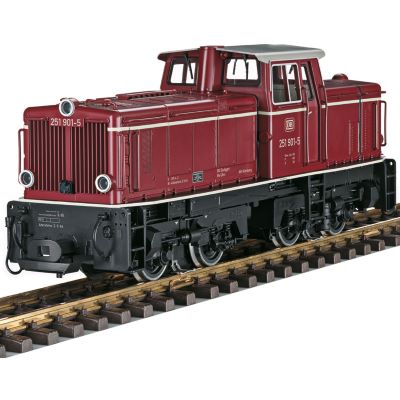 G Gauge
A powerful garden-railway locomotive for modern heritage, passenger and freight trains.
View ProductThese three values may appear similarly technical but describe different characteristics of a model railway.
The scale describes the reduction compared with the prototype. In H0 at 1:87 scale, one centimetre on the model represents approximately 87 centimetres on the prototype. The smaller the second number, the larger the model appears.
Gauge 1 and G gauge both frequently use 45 mm track but represent different prototype gauges and scales. The same distance between the rails therefore does not automatically mean that vehicles, couplings, electrical systems and proportions are compatible.
The smallest negotiable curve depends on the individual vehicle. Long express coaches, large steam locomotives and close-coupled vehicles frequently require a larger radius than short shunting locomotives or two-axle branch-line wagons.
The letters identify narrow-gauge variants within a model size. H0m typically represents metre gauge, H0e frequently represents 750 or 760 mm railways and H0f represents exceptionally narrow field, mine or industrial railways.
These answers help with selection according to room size, train length, ease of use and intended operating location.
H0 is especially suitable for beginners because of its extensive selection, straightforward handling and numerous starter sets. TT and N are good alternatives where less space is available. Track system, electrical system and intended vehicles should be compatible from the beginning.
Z gauge requires especially little space. N gauge also offers compact radii but normally provides a broader selection and easier handling. H0f is suitable for very small field-railway or industrial scenes but is not a substitute for a large main-line layout.
N and Z gauges permit the longest trains within the same room length. TT provides a balanced middle ground. Long H0 trains are impressive but require considerably longer station tracks, larger hidden yards and preferably generous visible radii.
H0 offers the largest selection and straightforward handling. TT saves considerable space compared with H0 without appearing exceptionally small. N is especially suitable for long routes, large stations and scenery but requires greater care during rerailing and maintenance.
No. Both normally use 16.5 mm track at a scale of 1:87. The main differences concern current collection, wheelsets, track systems and vehicle technology. Always check the system version of a model before purchasing.
All three use the 1:87 scale but different model track gauges: H0m uses 12 mm, H0e uses 9 mm and H0f normally uses 6.5 mm. They represent metre gauge, traditional narrow gauge and exceptionally narrow field or mine railways.
G gauge and Gauge 1 frequently use 45 mm track but differ in scale and represented prototype. Gauge II represents standard gauge at 1:22.5 scale on 64 mm track. The systems are not interchangeable solely because they appear similar in size.
G gauge or IIm is the most widespread choice for garden railways. Selected Gauge 1 and Gauge II projects are also possible. Vehicles, digital equipment and power supplies should be used and stored in accordance with the manufacturer's outdoor-use instructions.
The value in the table provides initial guidance for space planning. The specification for the individual vehicle remains authoritative. Long coaches, large steam locomotives, rigid couplings or scale-sized buffers may require a considerably larger radius.
It means the distance between the inner edges of the rails. The distance between the centre lines of parallel tracks is planned separately. It must be increased on curves to prevent long vehicles from colliding laterally.
The classification of scale, model size and model track gauge follows the European Model Railway Standards. The stated introductory radii supplement this classification with typical values from commonly used track systems.
NEM 111 recommends using minimum radii only where the available space makes this unavoidable. NEM 112 covers the distance between parallel track centres and recognises that it must increase on curves according to vehicle group and radius.
Select your model size, check the available area and minimum radius, and then plan the track system, power supply, vehicles and scenery as one coordinated system.
Technically reviewed on 22 July 2026 · Also check the minimum radius and compatibility stated for each individual product.