Regionally Rooted Since 2000
The first services began in the Weser-Ems region. Today NordWestBahn connects the North Sea coast, Oldenburger Münsterland, Bremen, Osnabrück and East Westphalia.

Discover the direct H0 model of the NordWestBahn, current regional multiple units in H0, N and TT, and suitable track, platforms and layout ideas for Weser-Ems, Bremen and East Westphalia.
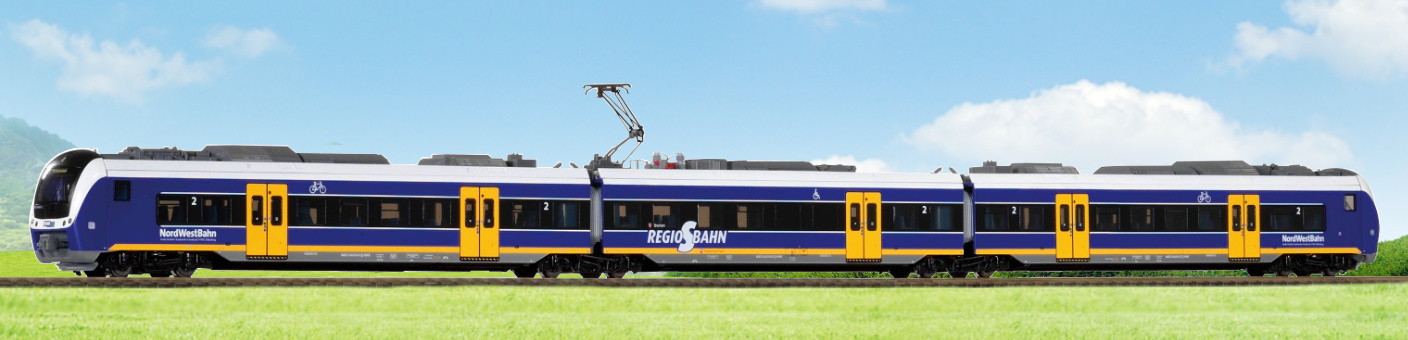
NordWestBahn Model Railway: BR 440, LINT & TALENT covers model vehicles and layout scenes based on NordWestBahn GmbH. NordWestBahn is not a historical state railway, but a regional railway undertaking and part of the Transdev Group. The subject belongs primarily to modern Era VI .
Self-propelled regional multiple units are characteristic of the operator. They do not require a separate locomotive and reverse at a terminus when the driver changes cabs. They are therefore especially suitable for compact layouts, shuttle routes and point-to-point operation. A small layout with one station, two storage tracks and one multiple unit can already support a comprehensible timetable.
The exact prototype determines the scenery. A Coradia LINT 41 belongs on a non-electrified route in the Weser-Ems region. The electric Coradia Continental of Class 440 requires an electrified main line and is particularly suitable for the Regio-S-Bahn Bremen/Lower Saxony. The classic Bombardier TALENT, by contrast, characterises diesel operation in East Westphalia.
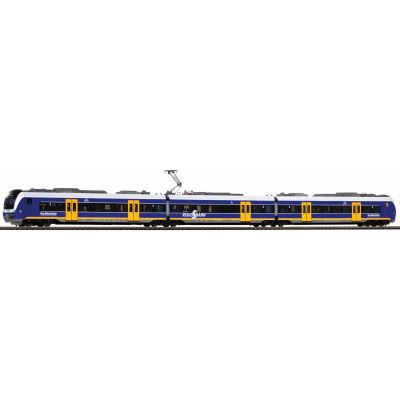
The three-part PIKO 59998 in H0 represents the direct NordWestBahn vehicle in the Modellbahnshop selection. The product finder also includes modern regional multiple units with related designs and operating purposes. These additions do not automatically carry NordWestBahn livery, but they support the creation of a contemporary regional transport layout.
The official company profile gives a network length of approximately 1,100 kilometres and a fleet of 107 vehicles. For a model railway, the contrasts between diesel-operated branch lines and electrified S-Bahn routes are especially useful.
The first services began in the Weser-Ems region. Today NordWestBahn connects the North Sea coast, Oldenburger Münsterland, Bremen, Osnabrück and East Westphalia.
RE 18, RB 58 and RB 59 provide prototypes for rural stations, single-track routes, train crossings and services towards the North Sea coast.
Coradia Continental and FLIRT 3XL units operate beneath overhead wires. Multi-car trains, modern platforms and a frequent service define this layout subject.
Lines such as the Senne-Bahn and Haller Willem suit short platforms, diesel multiple units, wooded scenery and manageable branch-line stations.
A coastal railway, urban-regional service or East Westphalian branch line produces a completely different operating pattern simply by selecting the appropriate vehicle family.
LINT, TALENT, Coradia Continental and FLIRT perform different tasks. For a coherent model railway scene, the vehicle, overhead wiring, station and route scenery should belong together.
The two-part low-floor railcar is designed for non-electrified regional routes. Small stations, level crossings, coastal scenery and a depot with a fuelling point are especially suitable.
The classic Class 643 TALENT has a distinctive rounded body and Jacobs bogies. It suits branch lines with short distances between stops and straightforward crossing operations.
The multi-car electric unit operates under overhead wires and reaches up to 160 kilometres per hour on the prototype. PIKO 59998 reproduces a three-part NordWestBahn unit in H0.
The four-part trains complement the Regio-S-Bahn fleet. Wide entrance areas, modern passenger information and a contemporary station environment make them a prototype for present-day layouts.
The current direct vehicle offer is centred on H0. In N and TT, suitable regional multiple units and related vehicle families are available. Other gauges can reproduce the Northwest German environment even when no specific NordWestBahn vehicle is linked.
| Gauge | Scale and System | Classification of the Subject | Important Planning Point |
|---|---|---|---|
| H0 DC | 1:87 · Two-Rail | Direct NordWestBahn model PIKO 59998 | 633 mm train length and at least a 358 mm radius |
| H0 AC | 1:87 · Centre-Contact | Current regional AC alternatives in the product finder | Check pickup shoe, decoder protocol and track system |
| N Gauge | 1:160 · Two-Rail | Class 440, RS 1 and further modern regional units | Long platforms are possible with limited space |
| TT Gauge | 1:120 · Two-Rail | Class 642, Class 650 and related private-railway subjects | A good compromise between train length and visible detail |
| Z Gauge | 1:220 | Regional station and North German scenery can be represented | Specific operator lettering is generally limited to special models |
| 0 Gauge | Usually 1:45 | Detailed station scene without a direct vehicle model | Large radii and substantial space requirements |
| Gauge 1 and G Gauge | Large Scale | Regional railway theme represented through buildings and scenery | Consider vehicle profile and outdoor operation |
A nominal gauge alone does not guarantee compatibility. In H0, the two-rail or centre-contact system, decoder protocol, wheelsets, minimum radius and platform length must all suit the selected vehicle. The model railway compatibility database provides further guidance.
The direct PIKO model is identified separately. Further cards show the same vehicle family or technically and operationally related regional multiple units. The linked English product pages and the current railcar category are checked again when this section approaches the viewport. Prices, stock levels and delivery information are not copied into the landing page.
This model carries NordWestBahn livery and reproduces the three-part Coradia Continental of Class 440.
Class 440, Talent 2 and Desiro HC models complement modern S-Bahn and Regional Express scenes. Only cards identified accordingly belong to the same vehicle family as the NordWestBahn model.
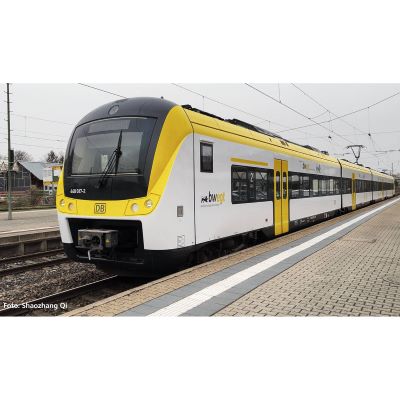
Current H0 version from the same modern electric regional-train family.
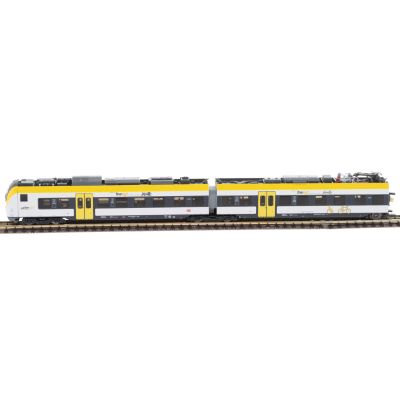
Four-part Class 440 for long regional trains within a compact layout area.
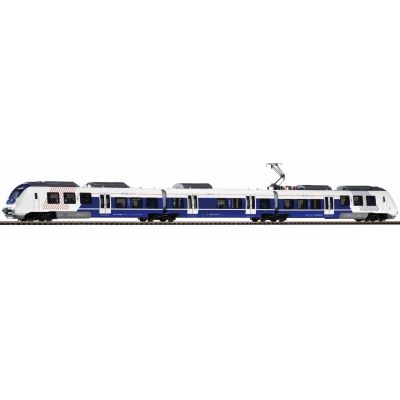
Three-part electric regional train for the H0 two-rail system.
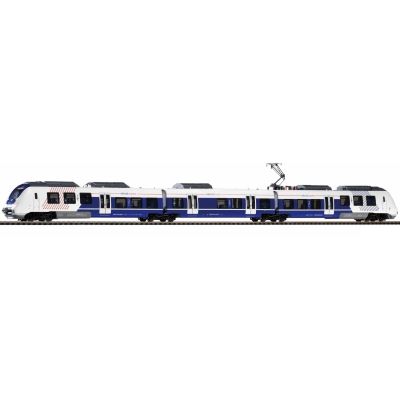
Centre-contact version with sound for contemporary regional railway scenes.
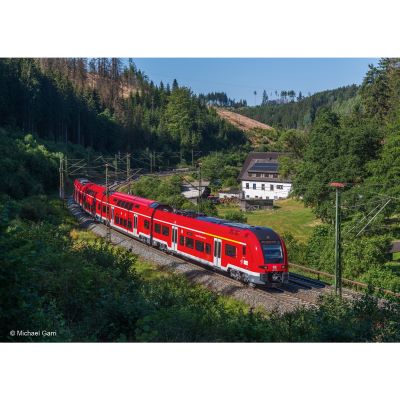
Four-part centre-contact multiple unit for frequent Era VI regional services.
Class 642, Class 650 and Regio-Shuttle models complement the subject in H0, TT and N. They suit non-electrified routes, short platforms and varied shuttle operation.
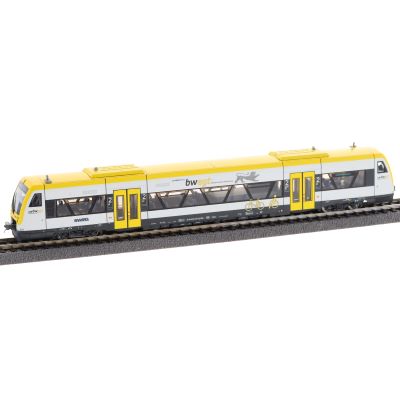
Digital Regio-Shuttle for compact modern branch-line layouts.
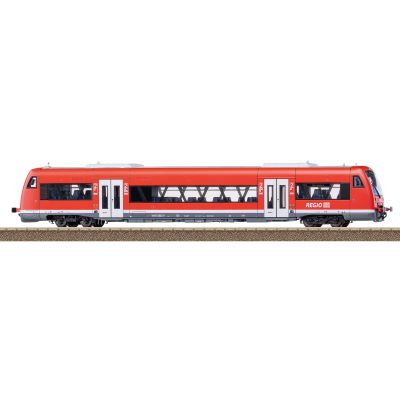
Short diesel railcar with digital technology for two-rail operation.
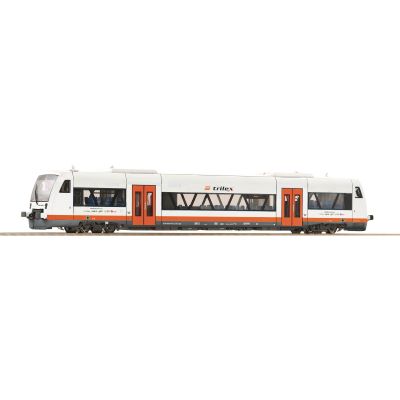
Digital TT railcar for small stations and regional routes.
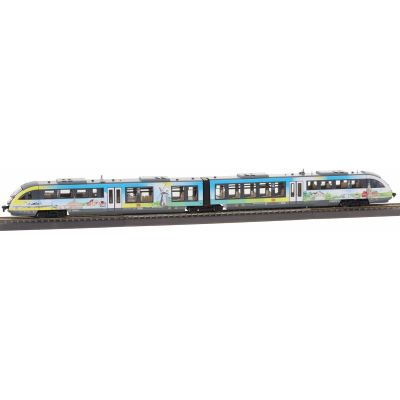
Two-part Desiro for northern German diesel routes of Era VI.
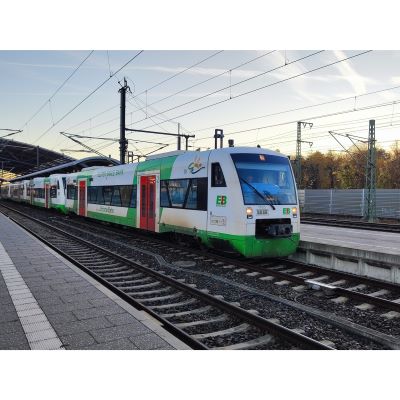
Compact private-railway railcar with interior lighting and a Next18 interface.
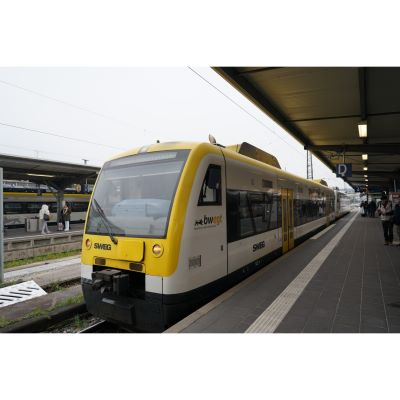
Digital N-gauge regional railcar with interior and cab lighting.
No matching products were found for this filter combination. Remove one filter or reset the complete selection.
PIKO supplies the direct NordWestBahn model. Märklin, Roco, Tillig, Trix, Fleischmann, Brawa and Liliput complement the selection with current electric and diesel multiple units in several gauges.
After selecting the multiple unit, add the appropriate track system, station, scenery and digital technology. The linked English overviews support a technically compatible and visually coherent selection.
Current electric and diesel multiple units from the principal manufacturers.
Two-rail technology for the direct PIKO NordWestBahn model.
Centre-contact track, mfx and suitable regional AC vehicles.
Long regional platforms and railway routes within a compact area.
Space-saving regional railway operation with visible detail.
Flexible H0 two-rail track for stations and regional routes.
Prototypical track geometry for contemporary regional lines.
Track and turnouts for compact TT stations.
Fine track for longer routes and space-saving layouts.
Combine a shuttle route, terminus and storage siding within a compact space.
Reproduce North German plains, the coast, an urban area or the Teutoburg Forest.
Compare NordWestBahn with ODEG, Alex and further private railway operators.
Regional multiple units do not require a long collection of coaches. A credible route character, sufficiently long platforms and a clear choice between diesel and electric operation are more important.
Coastal and branch-line scenes suit the LINT. The Regio-S-Bahn requires overhead wiring and longer platforms. The TALENT belongs in an East Westphalian regional railway setting.
PIKO 59998 is designed for two-rail operation. Märklin and other centre-contact layouts require an explicitly suitable AC vehicle with a pickup shoe and an appropriate decoder.
The H0 model measures 633 millimetres. With a little reserve for the stopping position, signal and platform access, a usable platform of approximately 70 centimetres appears balanced.
Larger radii look better in visible areas. Reverse curves immediately beside platforms and turnouts should be avoided or eased by short straight sections.
Class 440 and FLIRT units require an electrified route on the prototype. LINT and the classic TALENT operate without overhead wires. A mixed layout needs a logical transition between both areas.
A multiple unit runs from the terminus to the crossing station, waits for the opposing train and returns. A small storage group permits additional peak services and vehicle changes.
These answers help with the choice of vehicle type, scale, power system and suitable layout subject.
NordWestBahn is a regional railway undertaking within the Transdev Group. It operates in the Weser-Ems, Regio-S-Bahn Bremen/Lower Saxony and East Westphalia regions.
PIKO 59998 reproduces a three-part Class 440 electric multiple unit in H0. The model is digital, includes sound and belongs to Era VI.
H0 offers the direct NordWestBahn model and a wide choice of matching accessories. N permits longer platforms in a small area, while TT provides a good balance between vehicle size and space requirements.
No. PIKO 59998 is an H0 DC version for a two-rail system. A vehicle explicitly identified as AC or centre-contact must be selected for a Märklin layout.
The LINT and classic NordWestBahn TALENT are diesel multiple units for non-electrified routes. Class 440 is an electric Coradia Continental and requires overhead wiring on the prototype.
No. The classic Bombardier TALENT belongs to the first vehicle generation and operates for NordWestBahn as a diesel multiple unit. The Class 442 Talent 2 is a later electric multiple unit.
No. Non-functional overhead wiring is sufficient for visual representation. The traction current can continue to be supplied through the rails.
The model is 633 millimetres long. A usable platform of approximately 70 centimetres provides sensible reserve for the stopping position and platform access.
Yes. PIKO 59998 already includes a sound decoder. Driving sounds, directional lighting and further functions are controlled through a suitable digital command station.
Suitable subjects include North German plains, coastal scenery, smaller towns, modern S-Bahn stations and wooded regions in East Westphalia. A level crossing and a small bus connection reinforce the regional transport character.
Continue with gauges, power systems, track planning, digital technology, scenery construction and prototypical railway operation in the central knowledge overview.