Very Little Available Space
Z gauge uses the available area extremely efficiently. N gauge remains compact but is generally easier to handle and maintain.
Compare Z and N →
The appropriate model size determines train length, curve radii, visible detail, ease of handling and space requirements. Compare Z, N, TT, H0, narrow gauge, Gauge 0, Gauge 1 and G gauge before choosing vehicles and track.
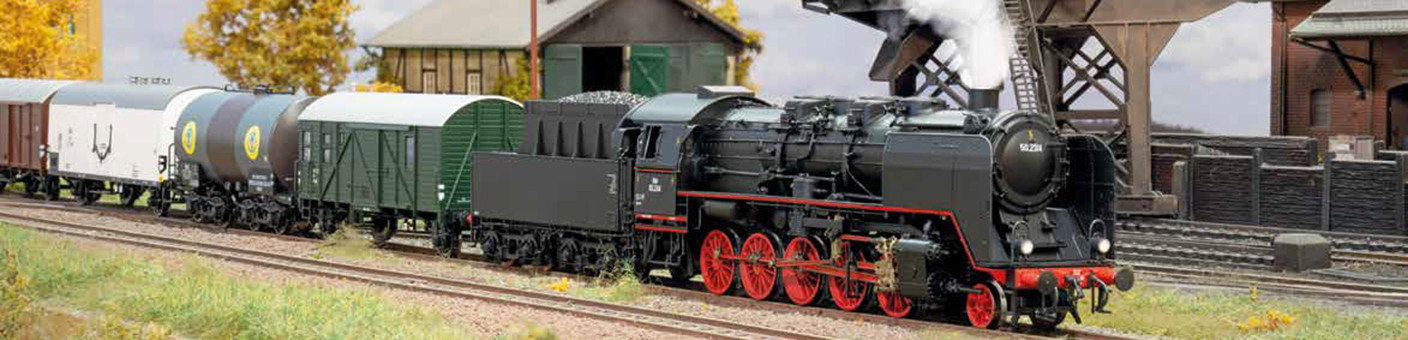
The scale describes how much smaller the model is than the prototype. An H0 model at 1:87 is 87 times smaller than the full-size vehicle. The model track gauge is the distance between the inner edges of the rails. Standard-gauge H0 track measures 16.5 millimetres, N gauge measures 9 millimetres and TT gauge measures 12 millimetres.
In everyday use, the word “gauge” is frequently used for the complete nominal size. Several track gauges can nevertheless exist within one model scale. H0, H0m, H0e and H0f all use a scale of 1:87 but represent standard gauge, metre gauge, narrower light railways and field railways.
H0 AC and H0 DC are not differently sized gauges. Both use a scale of 1:87 and 16.5 mm track. The difference lies in the electrical system. Centre-stud vehicles collect additional current through a pickup shoe, while two-rail vehicles use electrically separated running rails.
Z gauge uses the available area extremely efficiently. N gauge remains compact but is generally easier to handle and maintain.
Compare Z and N →N gauge permits long main-line trains and large stations within an area that would accommodate considerably shorter trains in H0.
Explore N gauge →TT lies between H0 and N. Vehicles remain clearly visible while curve radii and station lengths are more compact than in H0.
Explore TT gauge →H0 offers a particularly wide selection of vehicles, track systems, buildings, digital command stations and scenery products.
Explore H0 gauge →H0e, H0m and TTe suit short trains, tight routes, viaducts, termini and characterful narrow-gauge railways.
Compare narrow gauges →H0f combines the clearly visible H0 scale with track measuring only 6.5 millimetres for mines, forests, brickworks and industry.
Explore H0f gauge →Gauge 0 displays couplings, driving cabs and running gear clearly. A narrow shunting layout can already provide intensive operation.
Explore Gauge 0 →Gauge 1 represents standard-gauge large models at 1:32. G gauge is especially widespread for robust narrow-gauge and garden railways.
Explore G gauge and large scales →The finder provides a practical preliminary recommendation. Before making a final purchase, draw the proposed track plan and check the minimum radius of the longest intended vehicle.
For a medium-sized area and a balanced introduction, H0 provides an especially broad selection of vehicles, track and accessories.
The radii provide initial guidance for space planning. The minimum radius specified by the vehicle manufacturer remains authoritative. Visible routes in every model size benefit from more generous curves.
| Gauge | Scale | Model track gauge | Compact radius guidance | Space requirement | Particular strength |
|---|---|---|---|---|---|
| Z Gauge | 1:220 | 6.5 mm | Approximately 145–195 mm | Very low | Suitcase, tabletop and miniature layouts |
| N Gauge | 1:160 | 9 mm | Approximately 192–250 mm | Low | Long trains and extensive scenery |
| TT Gauge | 1:120 | 12 mm | Approximately 267–310 mm | Low to medium | A good compromise between size and route length |
| TTe Gauge | 1:120 | 6.5 mm | Frequently approximately 195–220 mm | Very low | Exceptionally compact Saxon narrow gauge |
| H0 Gauge | 1:87 | 16.5 mm | Approximately 358–420 mm | Medium | Especially large product selection |
| H0 AC | 1:87 | 16.5 mm, centre studs | Frequently from 360 mm | Medium | Märklin, mfx and robust C Track system |
| H0 DC | 1:87 | 16.5 mm, two rail | Frequently from 358 mm | Medium | Broad multi-brand and DCC selection |
| H0e Gauge | 1:87 | 9 mm | Approximately 200–262 mm | Low to medium | 750/760 mm light and mountain railways |
| H0m Gauge | 1:87 | 12 mm | Frequently from approximately 310–330 mm | Medium | Metre gauge, RhB and Alpine railways |
| H0f Gauge | 1:87 | 6.5 mm | System-specific, from R 115 | Very low | Field, mine and industrial railways |
| Gauge 0 | Usually 1:45 in Europe | 32 mm | Approximately 914–1,020 mm | High | Detail, sound and shunting operation |
| Gauge 1 | 1:32 | 45 mm | Frequently from approximately 1,020 mm | Very high | Large models and visible engineering |
| G Gauge | Frequently 1:22.5, sometimes different | 45 mm | Approximately 600–1,200 mm and larger | High to very high | Robust indoor and garden railways |
H0 AC and H0 DC are the same size but are not electrically identical. The same model track gauge does not guarantee complete compatibility: rail profile, wheelsets, coupling, power supply and digital protocol must also match.
Suitable for minimal areas, mobile suitcase layouts and long routes. The fine models require clean track and careful handling.
1:160 · 9 mmA strong choice for long trains, double-track main lines, large stations and extensive scenery in a home or shelf layout.
1:120 · 12 mmTT provides more visible vehicles than N while requiring considerably less space than H0 for comparable routes.
1:120 · 6.5 mmSuitable for Saxon 750 mm railways, short DR trains and narrow branch lines with exceptionally low space requirements.
The universal overview for vehicles, centre-stud and two-rail systems, digital control, track, scenery and manufacturers.
Centre Stud · mfxSuitable for Märklin C Track and K Track, pickup-shoe vehicles, Mobile Station, Central Station and multi-protocol operation.
Two Rail · DCCSuitable for Roco, PIKO, Trix, Tillig and other two-rail brands using DCC, Z21, SmartControl and several track systems.
1:87 · 9 mmSaxon and Austrian narrow gauge with short trains, tight curves, transporter-wagon operation and rural terminus stations.
1:87 · 12 mmMetre-gauge railways from the RhB, MGB and MOB with panorama coaches, mountain routes, viaducts and occasional rack sections.
1:87 · 6.5 mmField railways with diesel locomotives, tipper wagons and tight track for forestry, peat, brickworks, quarries and mines.
Large, easy-to-handle vehicles for visible engineering, intensive shunting, shelf layouts, modules and collections.
1:32 · 45 mmStandard-gauge large models with detailed driving cabs, powerful sound, substantial weight and high space requirements.
45 mm · Several ScalesRobust narrow-gauge and mountain railways for gardens, terraces, large indoor areas and seasonal themed layouts.
Doors, windows, radiators, walkways, operating sides and reach reduce the usable space. Do not plan only to the edge of a table.
The locomotive, wagons, safety clearance and turnouts determine the required station length. One model alone does not demonstrate the realistic space requirement.
Z and N save space but require finer handling. Gauge 0 and Gauge 1 are easier to handle but require more storage and operating space.
Main lines, industrial sidings, the Rhaetian Railway, Saxon narrow gauge, field railways and garden railways lead to different model sizes.
Centre-stud and two-rail systems must be distinguished, especially in H0. Also check the decoder format, coupling, wheelsets and minimum radius.









The selection includes representative starter sets, locomotives, multiple units and wagons. Every card leads directly to the relevant product page.
These model sizes are especially suitable for smaller rooms, long trains or narrow-gauge themes with low space requirements.
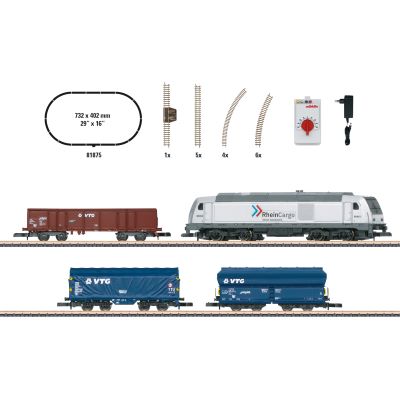
Class 285, three goods wagons, track oval and power supply for a compact introduction.
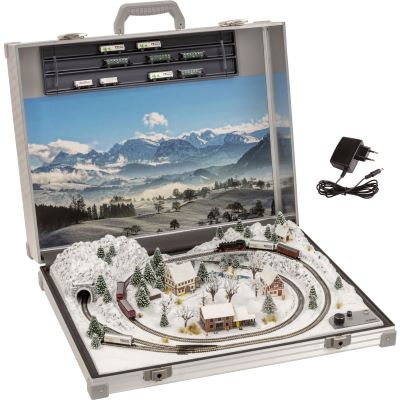
Detailed winter layout with Märklin mini-club track in a portable suitcase.
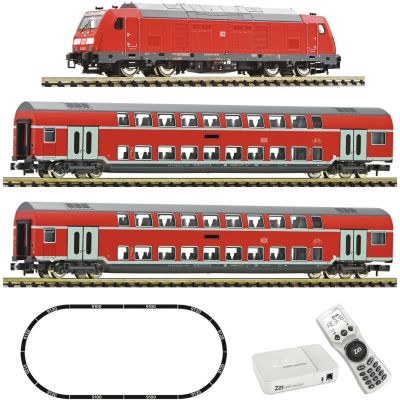
Digital regional train with double-deck coaches, track oval and z21-start control.
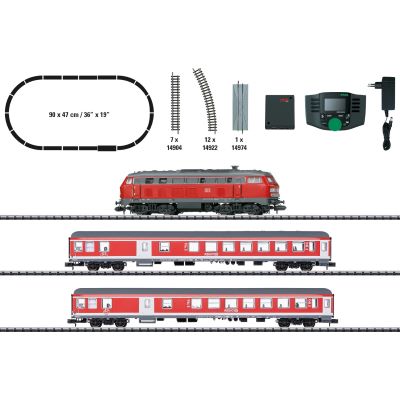
Class 218, two regional coaches, sound, Mobile Station and track oval.
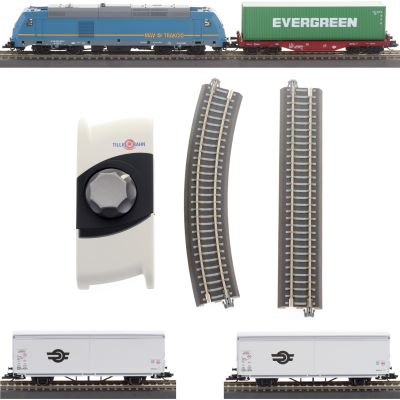
TRAXX locomotive, three wagons, roadbed track oval and controller.
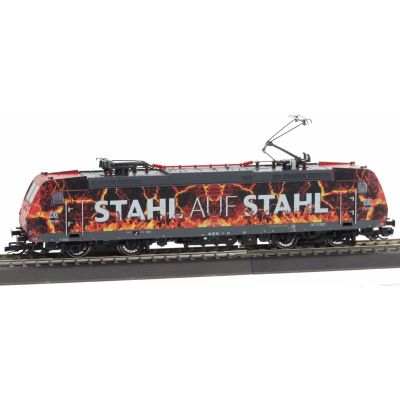
Modern DB goods locomotive with digital sound equipment at a scale of 1:120.
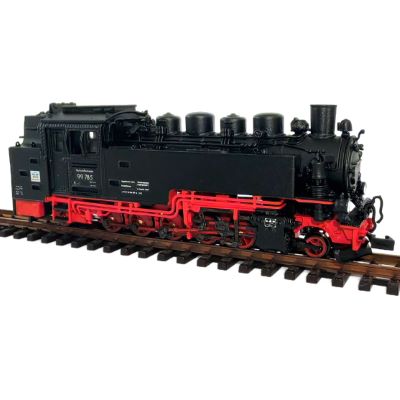
Detailed DR narrow-gauge steam locomotive for compact 6.5 mm routes.
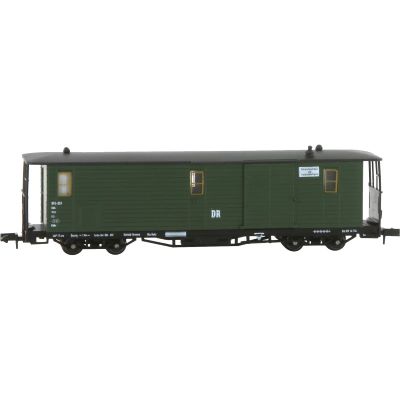
Timber-panelled DR luggage van for historical Saxon narrow-gauge trains.
The H0 family combines the clearly visible 1:87 scale with several electrical systems and four different model track gauges.
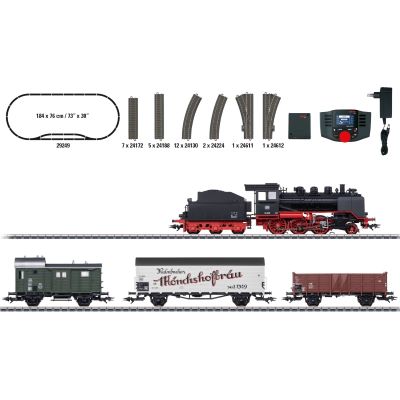
Class 24, goods wagons, C Track and Mobile Station for an introduction to centre-stud operation.
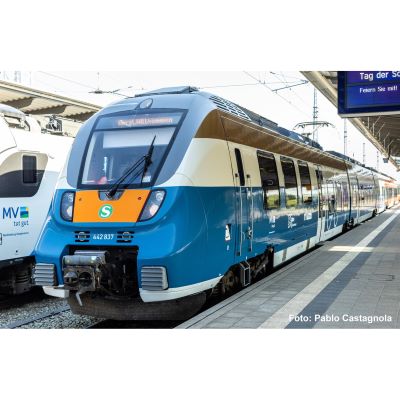
Five-part S-Bahn multiple unit for centre-stud layouts with digital sound.
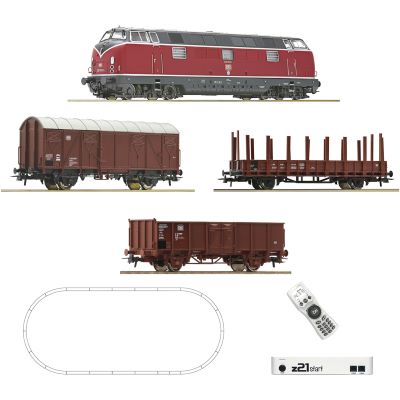
Digital DB goods train with Roco Line track oval and z21-start control.
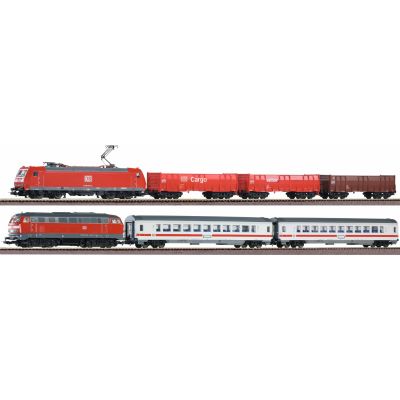
Two trains, PIKO A Track, turnouts and wireless SmartControl operation.
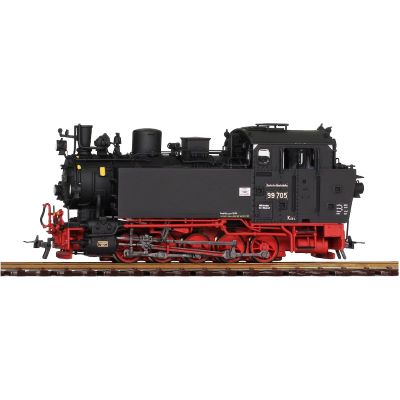
Saxon narrow-gauge steam locomotive at 1:87 scale with digital sound.
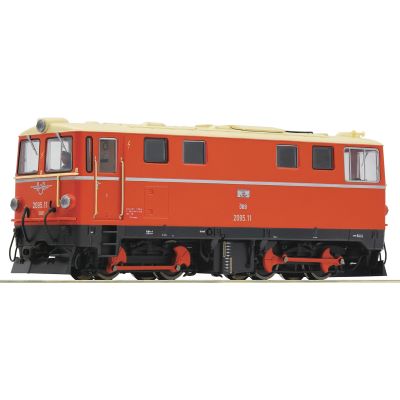
Austrian narrow-gauge diesel locomotive for passenger, goods and transporter-wagon operation.
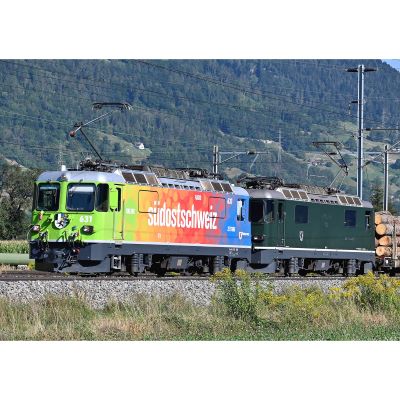
Modern RhB advertising locomotive for passenger and goods trains on metre-gauge track.
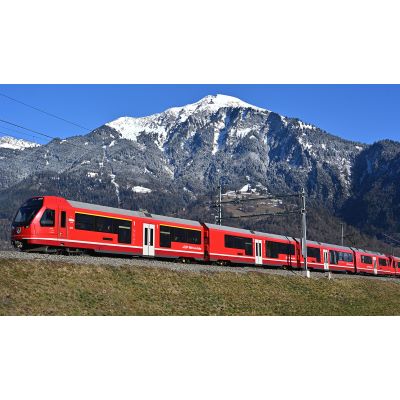
Four-part modern RhB multiple unit for Alpine regional and fast services.
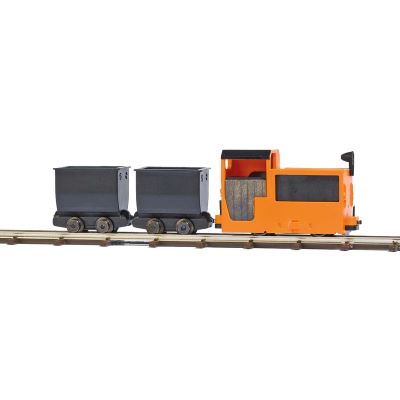
Compact starter set for a mine, tunnel and materials transport.
Field-railway locomotive and wagons for a timber yard, sawmill and forestry operation.
Large vehicles display engineering and detail especially clearly. Shunting layouts, modules and garden railways can replace a complete continuous circuit where space is limited.
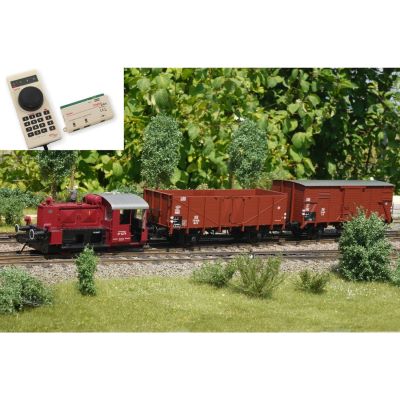
Small locomotive, two goods wagons, track oval and digital control.
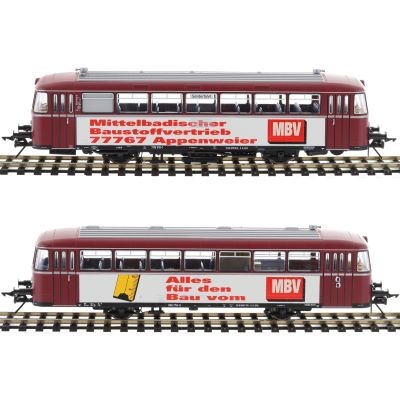
Two-part railbus formation for branch-line and shuttle operation.
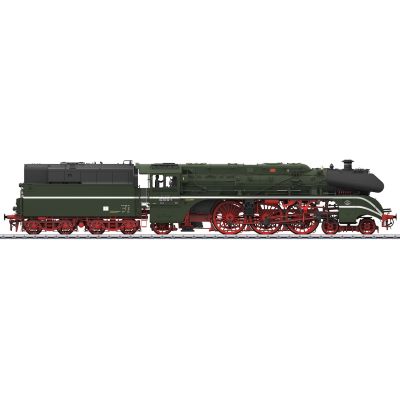
Imposing express steam locomotive at 1:32 scale with sound functions.
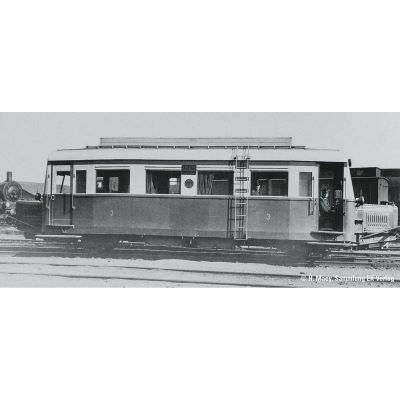
Compact branch-line railcar for a manageable Gauge 1 operating location.
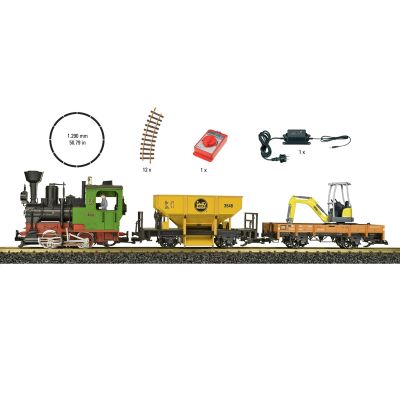
Stainz steam locomotive, two goods wagons, track circle and controller.

Stainz locomotive, two passenger coaches, track circle and control equipment.
H0 is a common starting point because of its large selection and straightforward handling. TT or N can be useful where less space is available. A complete starter set makes it easier to coordinate the vehicle, track and control system.
Z gauge requires especially little space among the commonly used model sizes. N gauge is slightly larger but also permits long routes and is normally easier to handle during maintenance and rerailing.
N and Z permit especially long passenger and goods trains in relation to the layout area. TT provides a good middle ground when the vehicles should remain more clearly visible.
Yes. TT uses a scale of 1:120 and 12 mm track. European N gauge normally uses a scale of 1:160 and 9 mm track.
Both use a scale of 1:87 and a track gauge of 16.5 millimetres. H0 AC normally refers to the centre-stud system with a pickup shoe, while H0 DC refers to a two-rail system with separated rail polarities.
Normally not without modification. Current pickup, wiring, wheelsets and decoder equipment differ. Any conversion depends on the model and should be planned carefully.
All three variants use the H0 scale of 1:87. H0m operates on 12 mm track, H0e on 9 mm track and H0f on 6.5 mm track.
TTe represents 750, 760 and similar narrow-gauge railways at the TT scale of 1:120 on 6.5 mm track. The vehicles are smaller than H0e models.
No. Both can operate on 45 mm track. Gauge 1 represents standard gauge at 1:32, while G gauge frequently represents larger narrow-gauge railways at scales such as approximately 1:22.5.
G gauge is particularly widespread for garden railways. Foundations, drainage, electrical safety, curve radii and protected vehicle storage should be considered from the beginning.
Yes. An H0 station can, for example, include an H0e, H0m or H0f connecting railway. Every gauge nevertheless requires suitable track, vehicles and, where necessary, its own power supply.
No. Track gauge, rail height, sleeper pattern, joiners, wheelset dimensions, turnout geometry and electrical system must all be compatible. This is especially important with Z and TTe, and with G gauge and Gauge 1.
Larger models are easier to handle, but model railways are not toys for very young children. Observe the stated age recommendation, small parts and the instructions supplied with each product.
Vehicle length, wheelbase, coupling, chassis and overhang vary. The smallest radius available within a track system is therefore not automatically suitable for every vehicle.
Draw the available area with radii, turnouts and the longest intended train. This quickly reveals which model size suits the room and intended operation over the long term.
Technical classification follows NEM 010 – Scales, Model Sizes and Track Gauges . Radius values provide guidance only; the relevant manufacturer specification is authoritative. Content updated: 19 July 2026.