1
Connect the digital command station
Connect the command station, track box or booster to a suitable power supply. The digital signal then reaches the vehicle through the rails.

The Motorola format transmits driving commands, direction and functions from a digital command station to locomotives, turnouts and signals. Owners of older Märklin Digital vehicles encounter it particularly frequently. Modern multi-protocol command stations can continue to control these models.
Motorola is a digital data format closely associated with the classic Märklin Digital system. A command station encodes instructions for speed, direction of travel, lighting and additional functions and transmits them through the track. A compatible decoder in the vehicle listens for its configured address and carries out the received commands.
The name comes from the electronic components originally used in the system. In the model railway sector, the abbreviations MM, MM1 and MM2, as well as the terms “Märklin Motorola” and “old and new Motorola”, are frequently used. The format formed the basis of digital Märklin layouts for many years and can therefore still be found in numerous locomotive, turnout and signal decoders.
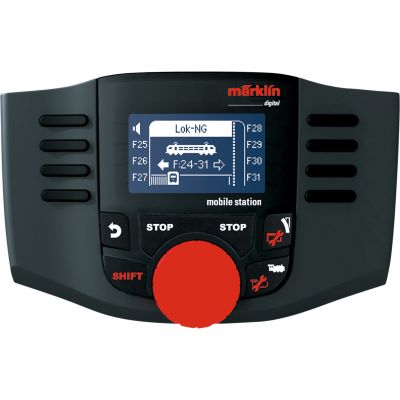
Modern command stations such as the Märklin Mobile Station , the Central Station 3 and the ESU ECoS support Motorola alongside newer formats. An older vehicle collection therefore does not automatically have to be replaced.
The command station places a continuous digital signal on the track. This signal contains data packets for different addresses. Each decoder checks whether a packet is intended for its address. Only the addressed decoder changes its speed, direction or function. Several vehicles can therefore be controlled independently on the same electrically powered track.
These terms are often mentioned together in product descriptions, but they refer to different characteristics. H0 AC or centre-conductor operation describes the track, current pickup and wheelset system. Motorola describes only the transmission of digital commands. A multi-protocol decoder can therefore also understand Motorola in a universal AC/DC vehicle.
A pure Motorola locomotive does not register automatically. The user must know its address and select it in the command station or load a suitable entry from the locomotive database. Automatic registration with a locomotive name and function icons is a typical mfx function .
Motorola means that the command station transmits to a fixed address, the matching decoder listens and then carries out the command.
For operation, the digital command station, decoder address, data format, track connection and vehicle must be technically compatible.
Connect the command station, track box or booster to a suitable power supply. The digital signal then reaches the vehicle through the rails.
On older decoders, the address is often configured using small coding switches. Newer decoders can be programmed through the command station.
On a multi-protocol command station, select MM, Motorola or MM2 for the locomotive. The exact designation depends on the controller.
Add the known address to the locomotive list. Addresses 1 to 80 are traditionally especially relevant on older systems.
Lighting is normally assigned to F0. MM2 traditionally provides the additional functions F1 to F4. Further extensions depend on the equipment.
Test the direction of travel, lighting and additional functions at low speed on a clearly visible section of track.
The original format was developed at a time when memory capacity and transmission performance were considerably more limited. Classic decoders frequently operate with 14 speed steps. Some combinations of decoder and command station support an extended mode with 27 speed steps.
The formats can be used alongside one another on a multi-protocol layout. The actual range of functions is always determined jointly by the command station and decoder.
| Format | Typical characteristics | Addresses and functions | Suitable for |
|---|---|---|---|
| MM1 | Early Motorola version for speed, reversing the direction of travel and lighting. | Traditionally up to 80 locomotive addresses and F0 for lighting. | Older Märklin Digital locomotives and historic layouts. |
| MM2 | Extended transmission with clearer direction-of-travel information and additional locomotive functions. | Traditionally 14 speed steps and F0 to F4; modern extensions may provide more addresses and functions. | Märklin fx decoders, programmable Motorola decoders and accessories. |
| Extended MM | Manufacturer-specific extension of Motorola operation. | Up to 255 addresses and additional function options with suitable command stations. | Multi-protocol command stations and appropriately equipped decoders. |
| mfx | Bidirectional communication and automatic vehicle registration. | Unique internal identification and considerably more controllable functions. | Modern Märklin locomotives and layouts focused on convenient operation. |
| DCC | Cross-manufacturer digital format based on international model railway standards. | Short and long addresses, up to 128 speed steps and numerous functions depending on the command station and decoder. | Two-rail layouts, multi-protocol operation and many different gauges. |
Older locomotives can continue to operate with a modern command station when the old Motorola format is enabled for the relevant address.
MM2 provides additional functions and remains available in many fx and multi-protocol decoders.
mfx performs registration and transmits vehicle information. This makes setup easier without eliminating compatibility with older locomotives.
The data format is not technically tied to a particular gauge. In practice, however, it is particularly associated with Märklin H0 and older Märklin systems.
| Gauge | Prevalence of Motorola | Typical alternative | Recommendation |
|---|---|---|---|
| Z scale | Hardly used in regular production ranges. | Usually analogue operation. | Plan digital conversions only with very small specialist decoders. |
| N scale | Technically possible, but uncommon. | DCC and Selectrix on some older layouts. | Check the existing command station and decoder dimensions. |
| TT scale | Encountered only in special cases. | DCC. | DCC is generally the more obvious choice for a new TT layout. |
| H0 scale | Very widespread on Märklin and older AC digital vehicles. | mfx, M4 and DCC. | Ideal for mixed Märklin vehicle collections from different generations. |
| H0e and H0m | Uncommon, but possible with a multi-protocol decoder. | DCC. | Pay attention to the available installation space and motor current. |
| 0 scale | Possible with powerful multi-protocol decoders. | DCC. | Carefully size the motor current and function outputs. |
| Gauge 1 | Known from older Märklin Gauge 1 systems and large-scale decoders. | mfx and DCC. | Select the command station, power supply and decoder output together. |
| G scale and IIm | Usable with suitable large-scale decoders. | DCC-based garden railway systems. | Consider weather protection and high motor currents. |
Use the model railway gauge comparison and the H0 AC or H0 DC guide before combining vehicles, track and digital control equipment.
First, you must determine the locomotive’s address. On decoders with small coding switches, the selected combination is often located beneath the body or inside the locomotive. The operating instructions contain a table showing the corresponding digital address.
Depending on the model, programmable decoders can be assigned a new address through a digital command station . Since Motorola decoders normally cannot read back their values in the same way as modern feedback-capable systems, the selected address should be documented carefully.
Create an unused entry in the locomotive list and select MM2 or the matching Motorola format. Then enter the address, name and icon. Alternatively, you can choose a record from the integrated locomotive database for a known Märklin model. An automatic search may also be available, but for MM and DCC vehicles the track should contain only the locomotive being identified.
For a historic vehicle collection, keep a simple list containing the locomotive name, catalogue number, decoder type and address. Duplicate addresses should be avoided because two vehicles would otherwise respond to the same command. The relevant range for classic decoders is often between 1 and 80. Depending on the decoder, modern command stations can use an extended Motorola address range.
Replacement is useful when very coarse running characteristics, few functions, a loud older universal motor or limited compatibility restrict operation. A modern multi-protocol decoder can continue to understand Motorola while also offering DCC, mfx-compatible registration or modern motor control.
The cause is usually the address, data format, track contact or an unsuitable speed-step setting.
Check the track voltage, pickup shoe, wheels and connection cables. Then verify that the correct Motorola address has been selected.
Both decoders probably have the same address. Assign a different unused address to one of the vehicles.
An unsuitable speed-step or data-format mode can cause lighting problems. Test MM1 and MM2 according to the decoder instructions.
Older MM1 decoders often provide only F0. MM2 traditionally provides F1 to F4. More functions require a suitable extension.
Fourteen speed steps produce considerably larger speed changes than modern DCC or mfx decoders. Optimised motor settings or a decoder conversion may help.
This is normal for a pure Motorola decoder. Add the vehicle manually using its address or an entry from the locomotive database.
Modern mfx, M4 and multi-protocol decoders frequently also support the Märklin Motorola format. They can therefore be combined with classic and current controllers. The technical specifications of the individual product are always decisive.
The H0 selection includes Märklin mfx vehicles and universal ESU models whose decoders support Motorola alongside modern protocols.
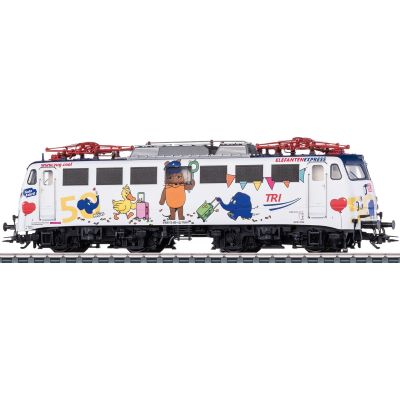
Colourful Era VI locomotive with a digital decoder, sound and numerous lighting functions.
View product →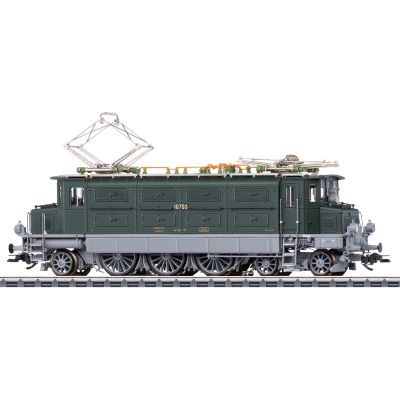
Swiss electric locomotive with a weathered finish and extensive digital equipment.
View product →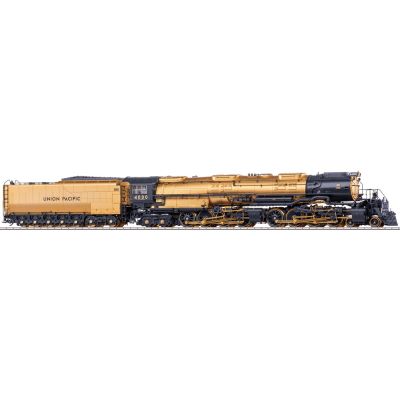
Large American collector’s model with a World of Operation decoder, sound and numerous operating functions.
View product →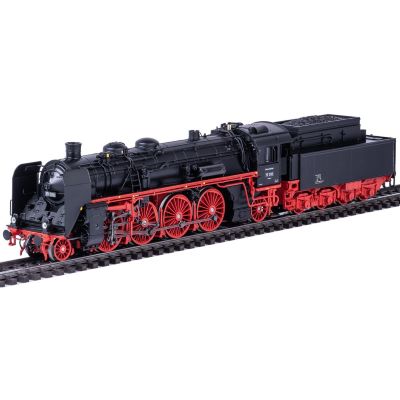
Express steam locomotive with smoke, lighting and sound functions for historic train formations.
View product →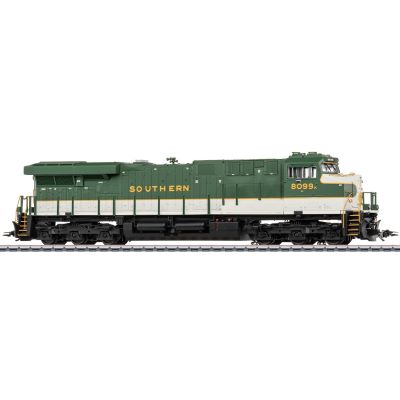
Heavy American freight locomotive with sound, smoke and modern digital technology.
View product →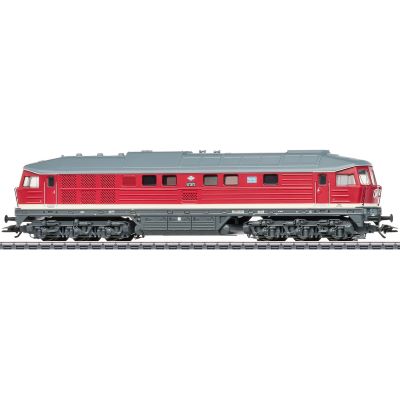
Distinctive Deutsche Reichsbahn locomotive with a multi-protocol decoder, sound and simulated exhaust output.
View product →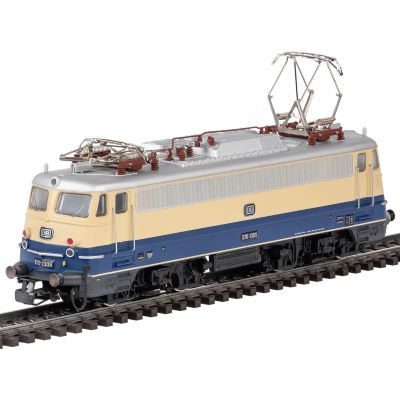
Retro metal model in the Rheingold design with modern digital control.
View product →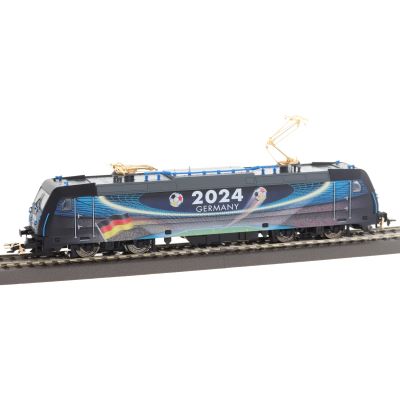
Limited Class 185.2 model with an eye-catching design, lighting and sound.
View product →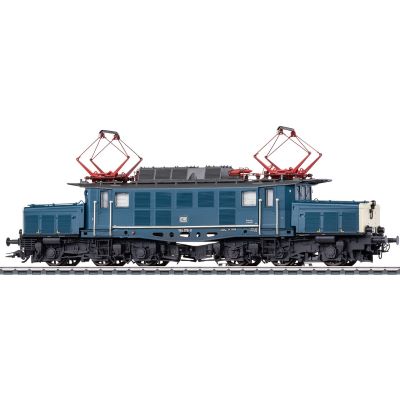
Heavy Deutsche Bundesbahn freight locomotive with separately controllable lighting and sound functions.
View product →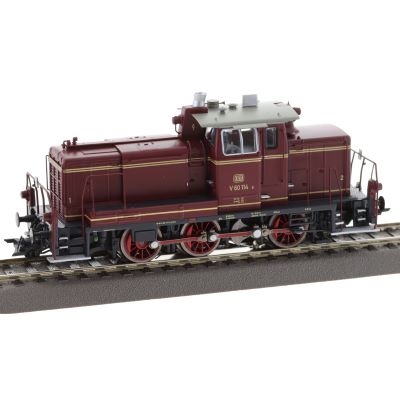
Versatile shunting locomotive with a LokSound decoder and extensive functions.
View product →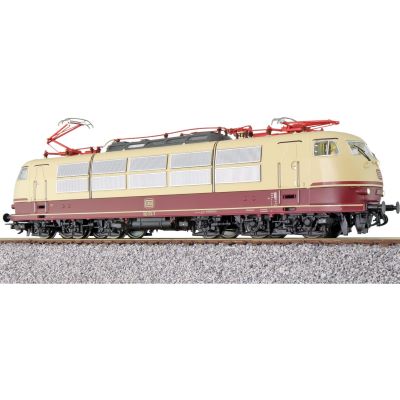
Iconic TEE locomotive with universal electronics, sound, lighting and moving functions.
View product →
Swiss electric locomotive for AC and DC with multi-protocol technology and sound.
View product →Multi-protocol command stations combine older Motorola vehicles with mfx and DCC models. Suitable decoders support conversions from H0 to large-scale railways.
Compact handheld controller for Motorola, mfx and DCC vehicles and digital solenoid accessories.
View product →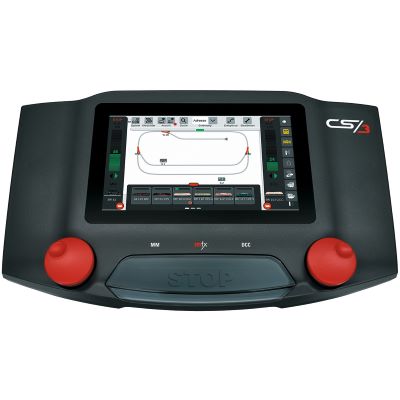
Touchscreen command station for locomotives, turnouts, signals and routes.
View product →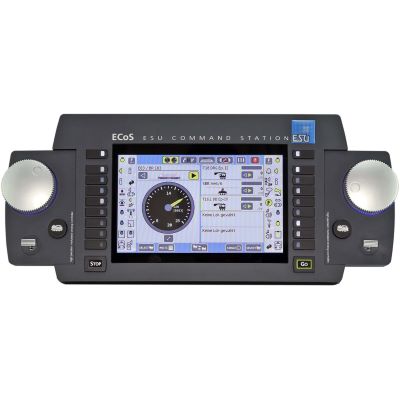
Powerful command station for old and new Motorola formats and additional digital protocols.
View product →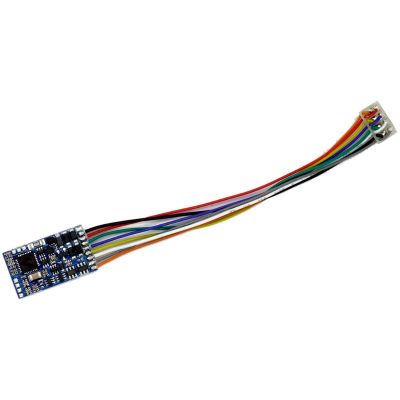
Compact decoder with automatic format detection and Märklin Motorola support.
View product →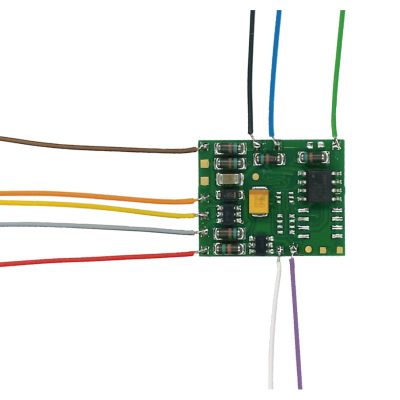
Locomotive decoder for older universal motors with DCC and Motorola II support.
View product →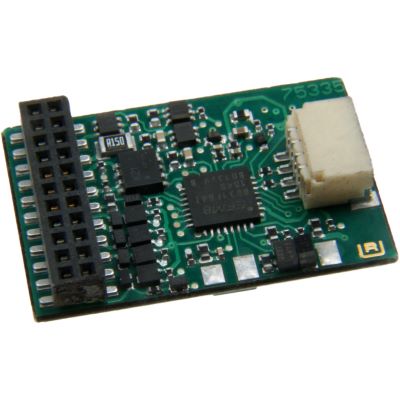
Multi-protocol decoder with load control, function outputs and a 21MTC interface.
View product →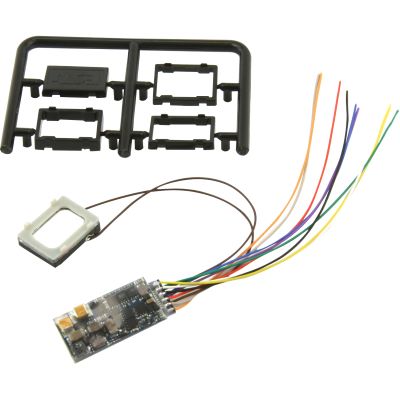
Compact sound decoder with Motorola support for vehicles with limited installation space.
View product →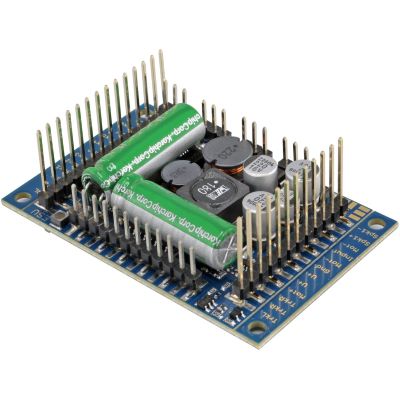
Powerful sound decoder for large models with DCC, Motorola, Selectrix and M4.
View product →The most important questions about MM1, MM2, addresses, speed steps, alternating current, mfx and modern multi-protocol command stations.
MM stands for Märklin Motorola. The decoder understands driving and function commands transmitted through the track in the Motorola format by a compatible digital command station.
MM1 is the older basic format and mainly provides driving and lighting through F0. MM2 adds improved direction-of-travel transmission and the traditional functions F1 to F4.
Classic Märklin Motorola decoders frequently use addresses 1 to 80. Extended command stations and suitable decoders can support a range of up to 255 addresses.
Classic operation uses 14 speed steps. Some decoders and command stations provide an extended mode with 27 speed steps.
Some command stations can search for an MM locomotive. However, the locomotive does not independently register its name and range of functions. This convenient feedback communication is typical of mfx.
A multi-protocol command station can transmit both formats on the same track. Each locomotive address is configured using the format supported by its decoder.
No. Many classic Märklin vehicles are centre-conductor models, but the data format itself is not tied to alternating current. The decoder, current pickup and track system are decisive.
Yes, provided that the decoder is working and the correct MM format and address have been selected. Older decoders nevertheless provide fewer speed steps and functions.
The format remains important for an existing collection of Märklin vehicles. For new layouts, multi-protocol command stations provide the greatest flexibility because they combine Motorola, mfx and DCC.
Check the operating instructions, packaging and decoder coding switches. When the address is unknown, a suitable command station may be able to search for the locomotive or test the possible addresses systematically.
The central model railway guide covers gauges, digital systems, layout planning, track, vehicles, scenery construction and maintenance.