Modellbahn Keks
Welcome!
Our cookies offer you a fast, relaxed and full-featured shopping experience. Some are necessary to operate the website and its functions. Others help us to improve our services. If you agree to this, simply consent to the use of cookies for preferences, statistics and marketing by clicking on "OK". Alternatively, you can deactivate individual cookies under "Customise cookies" or all cookies, except those required for the function of our website, under "Reject all".
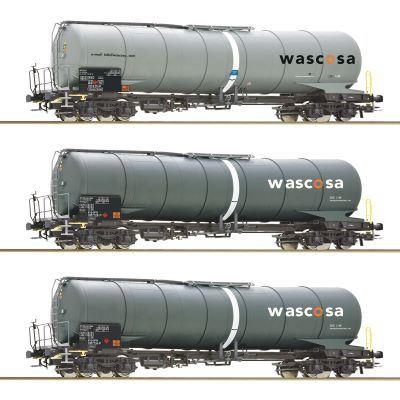
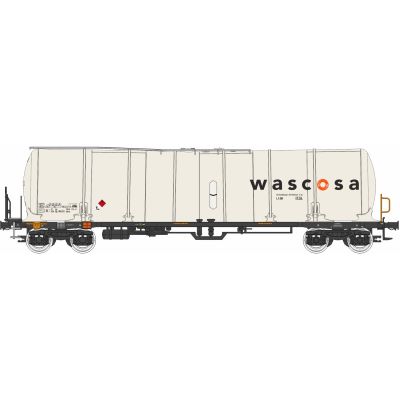
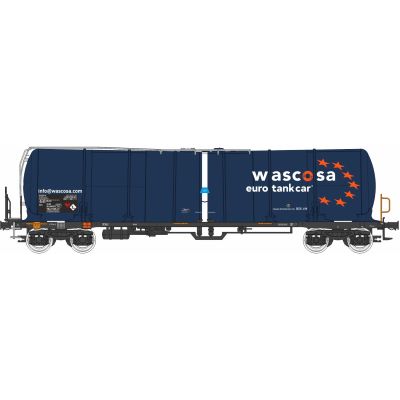
Three Roco Wascosa tank wagons as H0 models
Wagon leasing · Eras V–VI · H0, TT and N

Wascosa Freight Wagons – Models in H0, TT and N

Discover tank wagons, pressurised-gas tank wagons, pocket and container flat wagons, silo wagons, sliding-tarpaulin wagons, stake wagons and system vehicles for modern European freight traffic.

Swiss freight wagons for European transport chains

What Is Wascosa and Why Are Its Wagons So Interesting in Model Form?

Wascosa freight wagons: models in H0, TT and N combine modern railway logistics with varied model freight trains. The Swiss company has been active in rail freight since 1964 and is headquartered in Lucerne. Wascosa leases and manages freight wagons, advises operators and develops new wagon and utilisation concepts.

Wascosa should not be confused with a conventional railway undertaking. The company primarily provides wagons, while locomotives belonging to different railways haul them. Wascosa models can therefore run credibly behind locomotives from DB Cargo, SBB Cargo, ÖBB Rail Cargo, private freight operators or international traction providers.

According to the company, its portfolio comprises more than 22,000 owned and managed freight wagons. They are used for chemicals, gas, mineral oil, cement, grain, steel, scrap, track construction and intermodal transport. On a model railway, these vehicles can form complete block trains or appear as individual wagons within a mixed freight train.

The Wascosa logo and orange components provide strong visual recognition. The complete wagon does not, however, have to be orange. Grey or blue tanks, customer logos, containers, semi-trailers and interchangeable bodies are equally characteristic of the prototype fleet.

Since 1964 freight-wagon solutions from Switzerland
22,000+ owned and managed freight wagons
H0 · TT · N three important model railway gauges
Eras V–VI modern European freight traffic
Liquids, gas, steel, cement and combined transport

Understanding Wascosa Wagon Types and Classification Codes

The letters applied to a freight wagon describe its technical design. For a credible model selection, the wagon type, cargo and train theme should belong together.

The Most Important Wagon Families at a Glance

Wagon Family Typical Classifications Transport Task Suitable Model Railway Theme
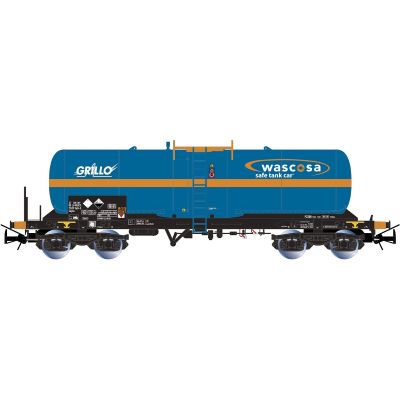
Chemical Tank Wagons Zacens, Zacns, Zans Liquid chemicals and specialised industrial products Chemical works, port and international block train
Mineral-Oil Tank Wagons Za(c)ns, Zacns, Zacens Fuels and other mineral-oil products Tank farm, refinery and tank-wagon train
Pressurised-Gas Tank Wagons Zags, Zagns Liquefied petroleum gas and other gases liquefied under pressure Gas depot, chemical siding and hazardous-goods train
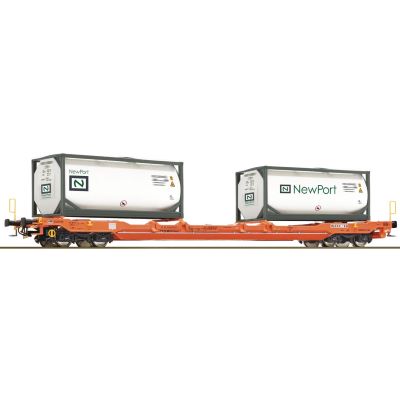
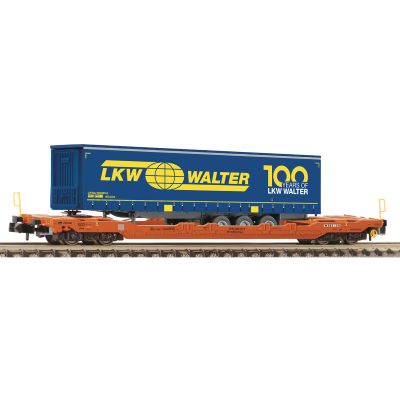
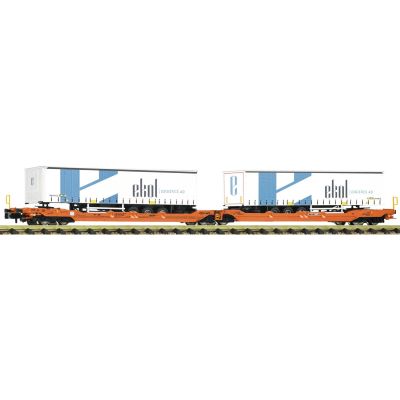
Pocket Wagons Sdgnss, Sdggmrs, Sdggmrss Semi-trailers, containers and swap bodies Combined-transport terminal and international intermodal train
Container Flat Wagons Sgmmns, Sgnss, Sggmrss ISO containers, tank containers and interchangeable bodies Port-hinterland traffic and logistics terminal
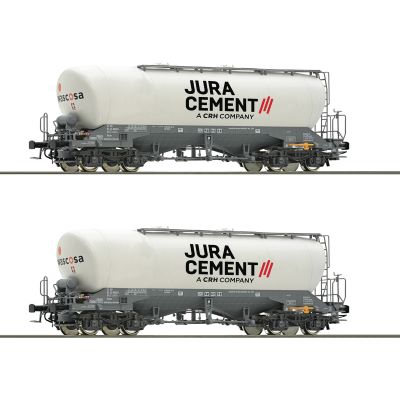
Powder and Silo Wagons Uacns Cement and other powdered bulk goods Cement works, building-materials terminal and block train
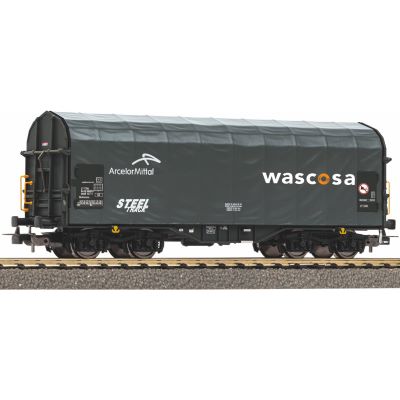
Covered Special Wagons Shimmns, Tams, Tagnpps Steel coils or weather-sensitive bulk goods Steelworks, grain traffic and industrial siding
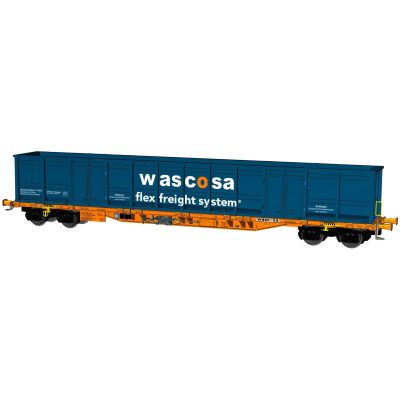
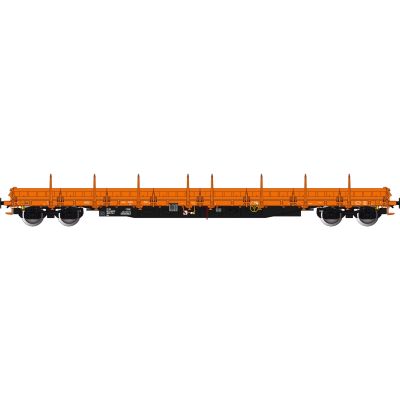
Open and Modular Wagons Eanos, Eamnos, Res, Sgnns Scrap, timber, steel, pipes and interchangeable bodies Recycling, sawmill, construction and steel traffic

A Shimmns is a covered special wagon for weather-sensitive steel coils. A Tagnpps, by contrast, is a covered bulk-goods or grain wagon with a movable roof. The two types should therefore not be treated as identical sliding-tarpaulin wagons.

Modular bodies and advanced tank-wagon designs

What Is Behind Wascosa’s Wagon Systems?

Wascosa develops not only individual wagons but also complete system families. For model railway enthusiasts, these concepts explain why underframes, tanks and bodies appear in different combinations.

Four Defining Concepts for the Modern Wagon Fleet

flex freight system®

A container flat wagon forms the technical basis. Depending on the transport task, suitable bodies can be fitted for timber, pipes, steel, scrap, vehicles or containers. Orange interchangeable bodies make this concept especially easy to recognise in model form.

Wascosa safe tank car®

This concept concerns modern pressurised-gas tank wagons with additional safety equipment. Characteristic features include structural measures designed to protect the tank, fittings and wagon ends under exceptional loads.

tank car 3000® and Tank-Wagon Families

The designation represents an advanced mineral-oil tank-wagon concept. Wascosa also uses names such as euro tank car and Super Jumbo for different operating profiles, volumes and technical configurations.

Intermodal Wagons T5, T2000 and T3000

Pocket and double-pocket wagons connect road and rail. Depending on their design, they carry semi-trailers, containers or swap bodies and form the backbone of modern combined-transport trains.

Check the Product Name and Official System Name Separately

Not every orange Wascosa wagon automatically belongs to the flex freight system®, and not every modern tank wagon is a safe tank car®. The complete prototype designation and the description of the specific model remain decisive.

Long block trains in three widely used model sizes

Compare Wascosa Freight Wagons in H0, TT and N Gauge

H0 provides the strongest detail effect, TT offers a balanced space requirement and N allows particularly long freight trains. Vehicles from the three model sizes cannot run on the same track because their scales and track gauges differ.

Scale, Model Track Gauge and Product Selection

Gauge Scale Model Track Gauge Typical Wascosa Models Special Feature
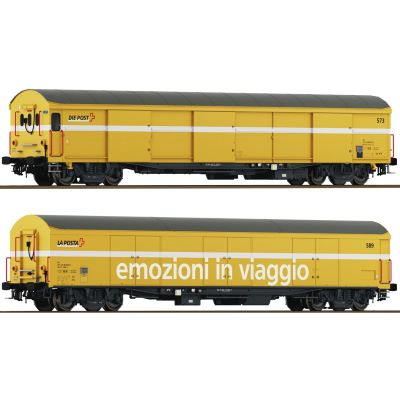
H0 Gauge 1:87 16.5 mm Tank, pocket, container, silo, postal and system wagons Largest selection; check AC and DC wheelsets
TT Gauge 1:120 12 mm Primarily Zacns and Zacens tank wagons Good train length with clearly visible wagon details
N Gauge 1:160 9 mm Pocket, double-flat, stake, open and silo wagons Especially suitable for long intermodal and block trains

In H0, freight wagons for two-rail layouts are generally supplied with insulated DC wheelsets. Depending on the model, suitable replacement AC wheelsets may be specified for the Märklin centre-contact system. TT and N products at Modellbahnshop are predominantly designed for two-rail operation.

Prototypical wagon formations for Eras V and VI

How Can Wascosa Freight Trains Be Assembled?

Wascosa wagons can run as a closed wagon group, a complete block train or an individual vehicle within a mixed freight train. The cargo, railway route and era determine the most suitable formation.

Six Credible Freight-Train Themes

Chemical and Mineral-Oil Train

Zacns, Zacens and Zans wagons can be combined with tank wagons belonging to other owners. A modern multi-system locomotive suits an international operating route.

Pressurised-Gas Block Train

Zags or Zagns wagons form a uniform train between a chemical works, gas depot and interchange yard.

Intermodal Train

T5, T2000 and T3000 wagons can be combined with container flat wagons, tank containers, semi-trailers and swap bodies.

Cement and Building-Materials Train

Uacns silo wagons form a compact block train between a cement works, building-materials terminal and major construction site.

Steel, Timber and Scrap Traffic

Shimmns, Res, Eanos and modular wagons suit steelworks, sawmills, recycling facilities and port installations.

Mixed European Freight Train

Individual Wascosa wagons can run together with vehicles belonging to GATX, VTG, Ermewa and other wagon owners.

Wagon owner and model railway manufacturers

Manufacturers of Wascosa Models at Modellbahnshop

Wascosa is the prototype company. The miniature models are produced by manufacturers including Roco, PIKO, igra, Fleischmann, Rivarossi, Mehano, Märklin and Tillig.

Tank wagons, combined transport, silo wagons and special vehicles

Wascosa Products Directly from Modellbahnshop

This overview combines a checked static fallback selection with a runtime query of the Wascosa landing page and the stored product pages. Archived pages are excluded from the updated selection. Prices, stock levels and delivery information are not displayed.

Product Group

The verified product selection is displayed.

Combine Wascosa Wagons with Other Wagon Owners

Modern freight trains may contain vehicles belonging to different owners and lessees. GATX, VTG and Ermewa provide especially credible additions to Wascosa formations.

All Freight Cars
Wheelsets, couplings, radii and secure loading

Select and Operate Wascosa Models Reliably

A matching scale alone is not sufficient. Long pocket wagons and finely detailed tank wagons require suitable wheelsets, couplings, radii and sufficient lateral clearance.

Six Checks Before Operating the Models

1

Determine the Gauge Unambiguously

System Selection
Do not confuse H0, TT and N

The scale and model track gauge must match the existing layout. Similar-looking wagons in different model sizes are not interchangeable.

2

Check the Wheelset Design

Electrical System
Distinguish between DC and AC wheelsets

H0 two-rail layouts require insulated wheelsets. A replacement wheelset specified by the manufacturer may be required for the centre-contact system.

3

Coordinate the Couplings

Train Formation
Check the NEM pocket and close-coupling mechanism

Where a standard coupling pocket is fitted, different loop and close couplings can generally be exchanged. Check the coupling height throughout the complete train.

4

Test the Longest Wagon

Track Geometry
Observe the radius and wagon overhang

Technical minimum radii are stated on the product page. Wider visible curves improve the running and appearance of long pocket and articulated wagons.

5

Fit Loading Units Correctly

Loading
Compare locating pins and mounting points

Containers and semi-trailers from different manufacturers may use different mountings. Check the locating points and clearance before combining them.

6

Maintain the Wagons Carefully

Preservation
Keep wheels and couplings clean

Hold models by the stable wagon body. Ladders, handrails, fittings and brake platforms must not be used as handles.

AC or DC Usually Does Not Mean Digital Equipment on Freight Wagons

An ordinary freight wagon does not have a traction decoder. The system designation generally refers to the electrical insulation of the wheelsets. Illuminated end-of-train or special-purpose wagons may have additional technical functions.

Answers about the prototype, gauges and train formation

Frequently Asked Questions About Wascosa Freight Wagons

These answers help with the selection of wagon type, scale, electrical system, era and suitable train formations.

What is Wascosa?

Wascosa is a Swiss provider of freight-wagon leasing, management, consulting and development services. The company has been active since 1964 and is headquartered in Lucerne.

Is Wascosa a railway company?

Wascosa is primarily a wagon owner and leasing provider, rather than the railway company operating the train locomotive. Its wagons can therefore run behind locomotives belonging to different European operators.

In which gauges are Wascosa models available?

At Modellbahnshop, the main focus is on H0 at a scale of 1:87, TT at 1:120 and N gauge at 1:160. The specific selection varies according to manufacturer and model year.

What is the difference between Zacns and Zags?

Zacns designates a family of four-axle tank wagons for liquids. Zags denotes pressurised-gas tank wagons. The precise use depends on the individual subtype.

What is a Wascosa T5 pocket wagon?

A T5 has a lowered pocket for a craneable semi-trailer. Depending on the model, it may also carry containers or swap bodies.

What is the flex freight system®?

It combines suitable flat wagons with interchangeable bodies. The same technical base can therefore be used for different transport tasks.

Can an H0 DC Wascosa wagon run on Märklin track?

This is often possible with suitable replacement AC wheelsets. The manufacturer’s information, coupling, minimum radius and specific wheelset recommendation must be checked beforehand.

What minimum radius do long pocket wagons require?

The value depends on the model. Many H0 wagons are technically designed for radii of approximately 358 millimetres. Wider visible curves provide smoother running and reduce wagon overhang.

Which era is suitable for Wascosa wagons?

Most models belong to Eras V and VI. Individual wagons may represent earlier operating conditions. The era stated on the product page remains decisive.

Which locomotive suits a Wascosa train?

Suitable examples include Vectron, TRAXX, Taurus, EuroDual and other freight locomotives. The railway company, country, electrical system and represented era determine the appropriate choice.

Can Wascosa wagons from different manufacturers run together?

Yes, provided the gauge, wheelsets, couplings and minimum radii are compatible. Different wagon designs are prototypical in modern freight trains.

Which Wascosa theme suits a small layout?

An industrial siding with a few tank or silo wagons requires less space than a block train. Longer formations can be represented more compactly in N or TT.

Build Modern Freight Traffic Wagon by Wagon

Select the gauge and transport theme, check wheelsets and radius, and then add suitable locomotives, wagon owners and operating locations.

Filter Wascosa Models

Content reviewed on 20 August 2026. The technical information on the individual product page and in the associated manufacturer’s instructions remains authoritative.