Modellbahn Keks
Welcome!
Our cookies offer you a fast, relaxed and full-featured shopping experience. Some are necessary to operate the website and its functions. Others help us to improve our services. If you agree to this, simply consent to the use of cookies for preferences, statistics and marketing by clicking on "OK". Alternatively, you can deactivate individual cookies under "Customise cookies" or all cookies, except those required for the function of our website, under "Reject all".
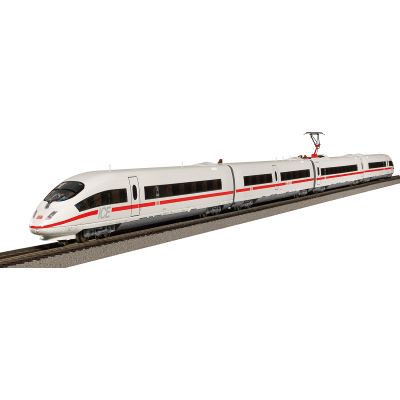
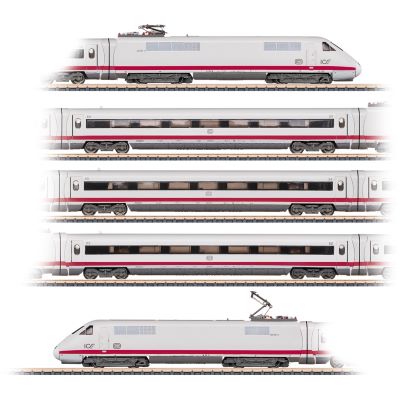
PIKO ICE 3 of Deutsche Bahn AG as an Era V model railway train
Railway reform, ICE and traffic red

Era V Model Railway – DB AG 1990–2006

Era V Model Railways

Era V combines the final years of the Deutsche Bundesbahn and Deutsche Reichsbahn with the creation of Deutsche Bahn AG. ICE and Interregio services, product colours, traffic red, new regional multiple units, private railway companies and modern freight trains shape a varied railway world between 1990 and 2006.

Railways in reunified Germany

What Does Era V Mean in Model Railways?

Under the commonly used German NEM classification, Era V covers the period from 1990 to 2006. It begins with cooperation between the Deutsche Bundesbahn and Deutsche Reichsbahn following German reunification. In 1994, the two organisations were merged to form the newly established Deutsche Bahn AG.

This period is particularly interesting for model railway enthusiasts because it offers numerous transitional operating conditions. Locomotives and coaches initially retained DB or DR markings, received new running numbers or the new DB AG emblem, and were later repainted in traffic red. Older vehicles operated alongside modern multiple units, ICE trains and newly acquired electric locomotives.

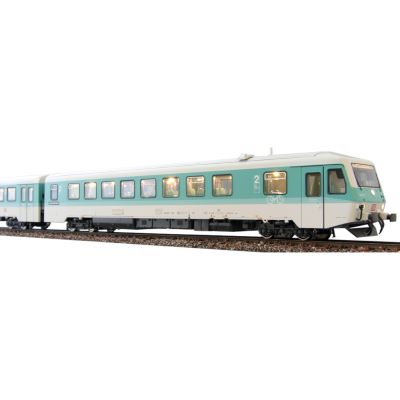
ICE 1, ICE 2 and ICE 3 trains appeared in long-distance traffic. Interregio, InterCity, EuroCity and night trains connected German and European cities. Regional traffic was characterised by n-coaches, double-deck coaches, Class 628 multiple units, modern diesel railcars and locomotive-hauled push-pull trains.

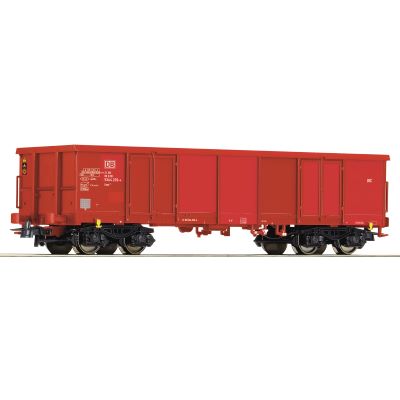
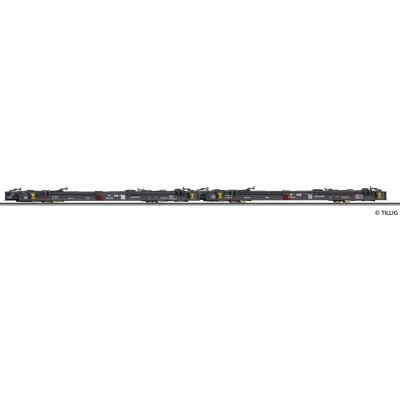
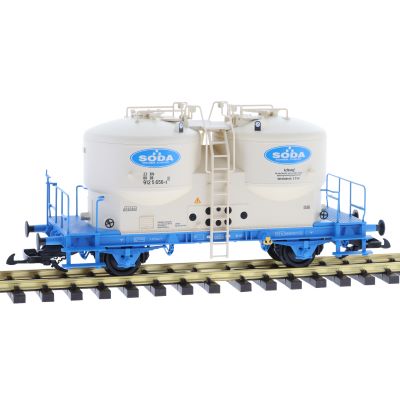
Freight traffic also changed. Railion, container trains, tank wagons, sliding-wall wagons, pocket wagons and specialised block trains became increasingly important. At many branch-line stations, however, freight facilities, signal boxes and sidings were dismantled.

A convincing Era V layout should therefore be restricted to a specific year wherever possible. A scene representing 1991 differs considerably from a station in 2005. Logos, colours, train types, signalling and infrastructure should all match the selected date.

Three distinct operating periods

How Do Era Va, Vb and Vc Differ?

These subdivisions make it easier to assign vehicle markings, logos, colour schemes, stations and train formations to the correct period.

Period Va · 1990–1994

DB and DR During the Transitional Period

The Deutsche Bundesbahn and Deutsche Reichsbahn worked increasingly closely together. DR locomotives were incorporated into the DB numbering system. Orient red, mint green, light grey and other product colours appeared alongside traditional DR liveries. The ICE 1 entered scheduled service while many vehicles continued to carry their former emblems.

Period Vb · 1994–2000

The Foundation of Deutsche Bahn AG

The DB and DR were merged into Deutsche Bahn AG. The new corporate emblem spread across locomotives, coaches and stations. Traffic red gradually became the dominant colour. Electronic signal boxes, Ks signals and new station signs appeared, while many local freight facilities lost their former function.

Period Vc · 2000–2006

Multiple Units, Push-Pull Trains and New Operators

Multiple units and double-deck push-pull trains took over many regional services. ICE 3 trains, modern electric locomotives and the first new regional operators expanded the vehicle fleet. Redundant infrastructure continued to be removed. Railion, private operators and internationally used leasing wagons appeared increasingly in freight traffic.

What Is Particularly Important for Transitional Models?

A vehicle may still look like a DB or DR model but already carry a new number or DB AG emblem. For consistent combinations, the running number, logo, colour and inspection date should be considered together.

From two state railways to one railway group

DB, DR and Deutsche Bahn AG in Era V

During the first years, DB and DR vehicles could appear together. Deutsche Bahn AG subsequently became the dominant railway company in Germany.

The DB and DR Transitional Period

1990 to 1994 · old emblems and new running numbers

During the first years, many vehicles remained closely associated with the Bundesbahn or Reichsbahn in their external appearance. Orient-red DB locomotives, mint-green regional coaches, Interregio colours and traditional DR diesel or electric locomotives could appear on the same layout.

  • Classes 103, 110, 111, 120, 140, 151 and 218
  • Classes 112, 143, 155, 219, 228, 232 and 234
  • Interregio, IC, express, Städteexpress successor and transitional trains
  • The first ICE and tilting-train services
  • Former DR vehicles with new class numbers
Compare railway companies →

Deutsche Bahn AG

From 1994 · new emblem, traffic red and business divisions

Deutsche Bahn AG gradually standardised vehicles, markings and colours. Traffic-red locomotives became a familiar sight. Long-distance, regional, S-Bahn and freight traffic developed increasingly distinct vehicle fleets.

  • ICE 1, ICE 2 and ICE 3
  • Classes 101, 120, 145, 152, 182 and 185
  • Classes 218, 232 and 294 and regional multiple units
  • InterCity, EuroCity, Interregio and night trains
  • DB Regio, DB Cargo and later Railion
Locomotives for modern train formations →
From Reichsbahn classics to the ICE 3

Which Vehicles Are Typical of Era V?

Era V combines older locomotives that remained in service with modern multiple units, new multi-system locomotives and specialised freight wagons.

Electric Locomotives

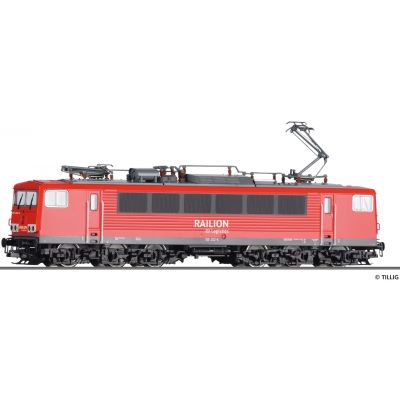
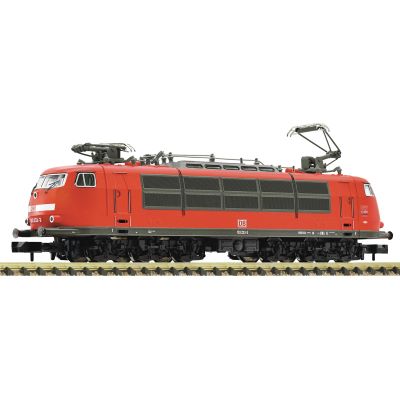
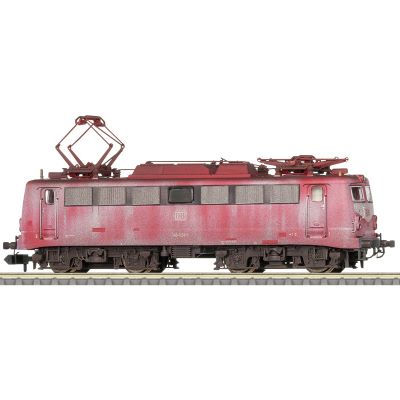
Classes 103, 110, 111, 120, 140 and 151 initially remained important DB vehicles. Classes 112, 143 and 155 were added from the DR fleet. Classes 101, 145, 152, 182 and 185 appeared later. Orient red, product colours, Railion branding and traffic red allow different periods within the era to be represented.

Diesel Locomotives and Multiple Units

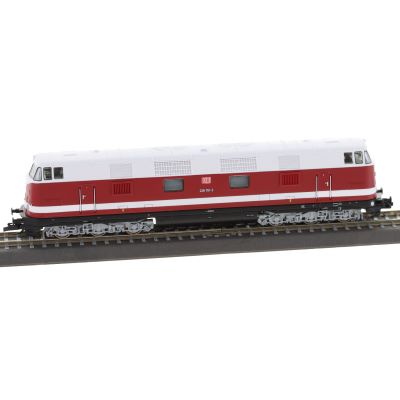
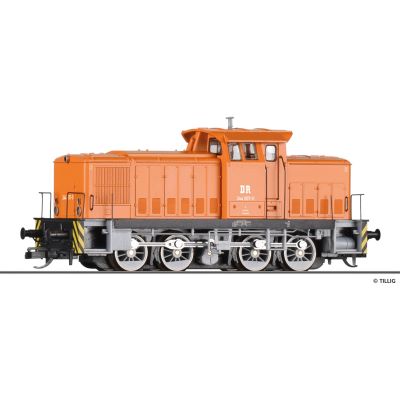
Classes 218, 219, 228, 232, 234, 290 and 294 characterised non-electrified routes and freight traffic. Class 628, tilting trains and new lightweight multiple units operated in regional service. Main lines, branch lines and cross-border traffic can therefore all be represented.

High-Speed and Long-Distance Traffic

The ICE became the most important symbol of the era. ICE 1 and ICE 2 trains, followed by the ICE 3 from 2000, supplemented locomotive-hauled InterCity, EuroCity and Interregio services. International coaches from the ÖBB, SBB, SNCF, NS, PKP and ČD create varied train formations.

Passenger Coaches and Freight Wagons

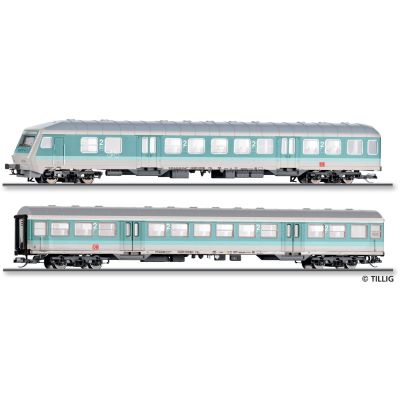
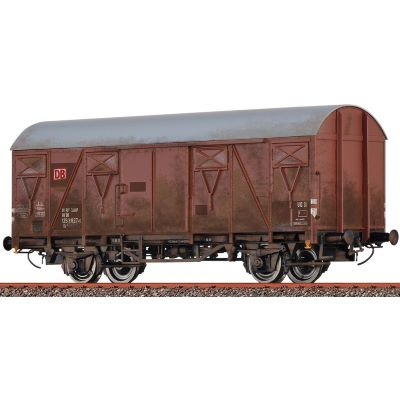
n-coaches, double-deck coaches, Interregio vehicles and modernised DR passenger coaches characterised passenger traffic. Container, pocket, tank, sliding-wall, bulk and heavy-duty wagons dominated freight traffic. Traditional short covered wagons became increasingly uncommon.

Long-distance traffic, regional railways and logistics

Typical Era V Train Formations

Complete trains look particularly convincing when the locomotive, coach colours, operator and period of use match.

ICE and InterCity

ICE multiple units can be operated as complete fixed formations. A locomotive-hauled InterCity frequently consists of a Class 103, 101 or 120 and several pressure-sealed passenger coaches. Dining, driving-trailer and reinforcement coaches depend on the specific train service.

Interregio and EuroCity

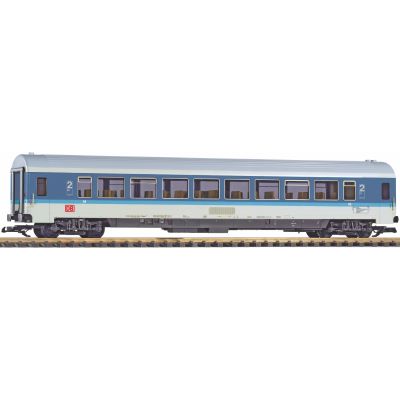
Interregio trains with a blue window band are among the most recognisable train formations of the 1990s. EuroCity trains can combine coaches from DB AG, ÖBB, SBB, SNCF, ČD, PKP or NS. A Class 103, 101 or 120 or a foreign locomotive may be suitable depending on the route.

Regional and Push-Pull Trains

Mint-green or traffic-red n-coaches suit Classes 110, 111, 143 and 218. Double-deck coaches can be combined with Classes 112, 143 or later regional locomotives. Class 628 and other multiple units are suitable for compact layouts and shuttle services.

Freight Trains and Combined Transport

Classes 140, 151, 155, 152, 185, 232 and 294 can haul mixed freight trains, steel trains, container trains or local goods workings. Wagons from DB Cargo, Railion, VTG, GATX and other owners can convincingly be combined.

Modern trains in small and large scales

Which Gauge Is Suitable for Era V?

Era V models are available in almost all major scales. The choice primarily depends on train length, available space, the desired level of detail and the layout theme.

Gauge Scale Particular strength Suitable Era V themes
Z 1:220 Very low space requirements ICE, InterCity, DB AG locomotives and compact main lines
N 1:160 Long passenger and freight trains Interregio, IC, EuroCity, Railion and international main lines
TT 1:120 Good balance between space and detail DR to DB AG transition, regional traffic and Classes 143, 155, 228 and 628
H0 1:87 Largest selection of vehicles and accessories ICE, InterCity, regional railways, private operators and freight traffic
H0m / H0e 1:87 Narrow gauge and mountain railways HSB, RhB, MOB, transporter-wagon traffic and tourist railways
0 / 0e approximately 1:45 High level of detail Shunting yards, industrial sidings, branch lines and museum operation
1 1:32 Large locomotives and collector’s models DB AG electric and diesel locomotives and premium train displays
G often approximately 1:22.5 Large-scale and garden railways Interregio, freight wagons, HSB, RhB and large shunting scenes
Stations between modernisation and rationalisation

How Do You Create a Convincing Era V Layout?

Vehicles alone are not enough. Station signs, signalling, road vehicles and the condition of the infrastructure determine the overall historical impression.

Stations and Platforms

White station names on blue signs, modernised platforms, ticket machines and new passenger shelters suit the era. Older station buildings, goods sheds and mechanical signal boxes may still exist, although some are no longer in use.

Signals and Signal-Box Technology

Semaphore and traditional colour-light signals remained in use on many routes. Ks signals and electronic signal boxes became increasingly common at the same time. Older signal boxes may already have been closed or demolished on modernised main lines.

Freight Traffic and Industry

Container terminals, tank farms, steelworks and logistics centres are especially suitable. Small loading roads and goods sheds may still be served, although many have already been closed. Rusty sidings and overgrown loading ramps illustrate structural change.

Road Traffic in the 1990s and 2000s

VW Golfs, Passats and Transporters, Opel Astras, Mercedes cars, contemporary buses, modern lorries and early parcel-delivery vehicles characterised the roads. Older Trabant, Wartburg, IFA, Barkas and Bundesbahn-period vehicles may still appear in scenes set during the early 1990s.

Four steps towards a suitable Era V railway

How Do You Select Suitable Vehicles and Accessories?

A clear period and regional focus prevents unsuitable combinations of logos, colours and train types.

1. Select a Specific Year

Choose a year such as 1991, 1997 or 2004. This quickly shows whether DB and DR emblems, product colours, traffic red, Railion branding or modern regional operators are appropriate.

2. Define the Route Theme

An ICE main line, Interregio route, regional terminus, narrow-gauge railway, container terminal or industrial siding requires different vehicles and track arrangements.

3. Plan a Complete Train

Select the locomotive and coaches together wherever possible. International trains may include several railway companies, but the colours, route and coach order should remain plausible.

4. Check the Model Railway Technology

Check the gauge, AC or DC version, digital interface, decoder, coupling, minimum radius and train length. Modern digital technology is fully compatible with an Era V layout.

21 models for long-distance, regional and freight traffic

Era V Models by Gauge

The selection includes ICE trains, electric and diesel locomotives, multiple units, passenger coaches, narrow-gauge vehicles and modern freight wagons.

Frequently asked questions

Questions and Answers About Era V

Answers about the historical period, DB AG, vehicle colours, ICE trains, train formations, gauges and prototypical layout design.

When Did Era V Begin and End?

Under NEM 806 D, German Era V covers the period from 1990 to 2006. It begins with cooperation between the Deutsche Bundesbahn and Deutsche Reichsbahn and ends before the widespread introduction of the new twelve-digit vehicle numbers.

What Distinguishes Era Va, Vb and Vc?

Va from 1990 to 1994 represents the DB and DR transitional period. Vb from 1994 to 2000 represents the early Deutsche Bahn AG. Vc from 2000 to 2006 is more strongly characterised by ICE 3 trains, multiple units, double-deck push-pull trains, private operators and the removal of infrastructure.

How Can You Recognise an Era V Model?

Typical features include the DB AG emblem, product colours, traffic red, Railion lettering, modernised vehicle markings and contemporary running numbers. DB and DR emblems may additionally appear during early Era V.

Can DB, DR and DB AG Vehicles Be Operated Together?

This is particularly convincing between 1990 and 1994. Individual vehicles that had not yet been repainted or relettered could continue to operate afterwards. Selecting a specific year helps to create a consistent combination.

Which Locomotives Are Typical of Era V?

Typical examples include Classes 101, 103, 110, 111, 120, 140, 143, 145, 151, 152, 155, 182, 185, 218, 219, 228, 232, 234, 290 and 294. The precise selection depends on the year, region and type of service represented.

Which ICE Trains Belong to Era V?

The ICE 1 and ICE 2 characterised the 1990s. The ICE 3 entered service from 2000 and therefore belongs to late Era V.

Which Gauge Offers the Largest Era V Selection?

H0 offers the largest selection. TT is particularly strong for vehicles inherited from the former DR fleet. N and Z allow long trains to operate in limited space, while H0m is suitable for metre-gauge railways.

Which Train Formation Is Suitable for Limited Space?

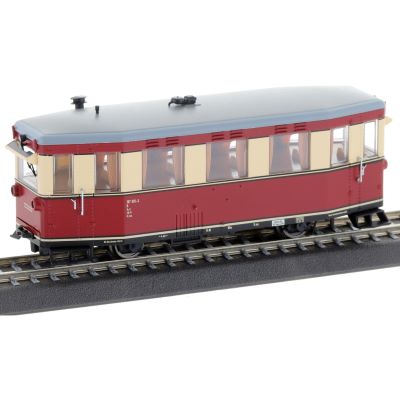
Suitable options include a two-car regional multiple unit, a short push-pull train, a shunting locomotive with a few freight wagons or a narrow-gauge railcar.

Which Signals Suit Era V?

Semaphore and older colour-light signals remained in use in many places. Ks signals and electronic signal boxes appeared on modernised routes.

Which Private Railways Suit Late Era V?

Regional operators, early competitors in regional passenger traffic and private freight railways became increasingly important from the 1990s. The operator’s colour scheme, vehicle type and actual start of service should be checked against the year represented.

Can an Era V Layout Be Controlled Digitally?

Yes. Decoders, sound, digital couplings, feedback systems, computer control and automatic staging yards are technically highly suitable. The era describes the historical prototype, not the control technology.

More Topics in the Model Railway Guide

Discover gauges, railway companies, digital technology, train formations, layout planning, scenery design, maintenance and further model railway eras.

Open the Main Guide
Technical basis:
Historical classification based on the MOROP NEM standards . The precise era, power system, digital equipment, coupling and minimum radius should be checked on the individual product page. Editorial status: July 2026.