Mineral-Oil Tank Wagons
Typical for refineries, tank farms and fuel merchants. Both historic two-axle vehicles and modern high-capacity wagons can be represented.

Compare chemical, mineral-oil, pressurised-gas, food and historic tank wagons by design, era, wagon keeper, manufacturer and gauge – with fully visible product images and a current webshop check.
Model railway tank wagons | H0, TT, N, Z, 0 & G are models of freight wagons whose load is carried in a tank permanently attached to the chassis. Their prototypes transport liquids, liquefied substances or gases. Typical loads include mineral-oil products, fuels, organic and inorganic chemicals, liquefied gases, industrial liquids and selected food products such as milk or fruit juice.
Not every tank wagon is automatically a dangerous-goods wagon. The actual load, tank construction and markings on the wagon are decisive. Dangerous-goods models may carry orange panels, hazard labels, substance numbers or other safety markings. Food and service tank wagons use different markings and should not be given invented dangerous-goods labels.
Designs range from short two-axle private-owner tank wagons with a brakeman's cab to modern four-axle Zacns, Zans or pressurised-gas tank wagons. Insulation jackets, sun shields, kinked tanks, dome covers, walkways, ladders, heating coils and different discharge systems show how the tank has been adapted to a specific transport task.
On a model railway, tank wagons can form short transfers to a fuel depot, mixed freight trains, historic mineral-oil workings or long block trains. For a convincing train, wagon type, era, wagon keeper, locomotive and the industry represented on the layout should work together.
Shape, fittings and running gear provide clues to the intended use. The exact load can nevertheless only be determined from the prototype markings and the specific product description.
Typical for refineries, tank farms and fuel merchants. Both historic two-axle vehicles and modern high-capacity wagons can be represented.
Depending on the load, these may have special tank materials, insulation, heating equipment or protected fittings.
The characteristic tank shape assists more complete discharge and has become a striking feature of modern chemical trains.
Pressure vessels designed for liquefied gases with distinctive safety details and, depending on the prototype, prominent identification markings.
Specialised wagons for non-hazardous liquid food products. Their markings and the layout industry should make the intended traffic understandable.
Vehicles for operating fluids, firefighting water or internal works traffic add variety to engineering-train and depot scenes.
Tank colour alone does not reliably identify the load. For dangerous goods carried by rail, the markings appropriate to the represented operating condition under RID are decisive.
Orange panels and hazard labels appear only on transports for which they are required. A continuous orange marking on the prototype is a special feature associated with certain wagons for liquefied or dissolved gases and is not a decorative feature for every tank wagon.
When weathering a model, numbers, hazard labels and other markings should remain legible. A historic wagon should not be given modern panels if the operating period represented predates those markings.
Depending on the design, dome covers and upper fittings are used for filling, inspection or venting. Ladders and walkways provide access. Other wagons are mainly filled and discharged from below and consequently have fewer fittings on top of the tank.
Insulation jackets, sun shields, protective shields and kinked tank shapes are functional features. Highly detailed models reproduce these parts finely but therefore require careful handling and sufficient lateral clearance.
H0 offers the greatest variety of tank-wagon designs. TT and N allow longer block trains in limited space. Z, Gauge 0, Gauge 1, G and individual narrow-gauge systems place different emphasis on space and visible detail.
| Gauge | Scale & Track Gauge | Strength of the Tank-Wagon Theme | Check Before Buying |
|---|---|---|---|
| Z Gauge | 1:220 · 6.5 mm | very long trains and compact industrial layouts | clean track and careful handling |
| N and Nm | 1:160 · 9 or 6.5 mm | long mineral-oil and chemical trains in little space | locomotive traction, gradients and coupling system |
| TT and TTe | 1:120 · 12 or 6.5 mm | good train length with clearly visible details | NEM coupling pocket, close-coupling mechanism and radius |
| H0 DC | 1:87 · 16.5 mm · two-rail | widest choice of historic and modern tank-wagon designs | insulated wheelsets and fitted coupling |
| H0 AC | 1:87 · 16.5 mm · centre-contact | Märklin wagons and convertible H0 models | AC wheelsets, contact-track requirements and coupling |
| H0e , H0m and H0f | 1:87 · narrow gauge | prototype-specific industrial, mountain and narrow-gauge wagons | exact model track gauge and loading profile |
| Gauge 0, 0e & 0m | usually 1:45 · 32 mm or narrow gauge | large individual wagons for detailed shunting | radius, coupling and siding length |
| Gauge 1 | 1:32 · 45 mm | impressive collector models with large visible details | substantial space requirement and large radii |
| G Gauge & IIm | large scale · 45 mm | robust tank wagons for indoor and garden railways | weather exposure, radius and vehicle loading gauge |
| Gauge II | 1:22.5 · 64 mm | large specialist and scratch-built projects | manufacturer system, available space and load-bearing capacity |
The same nominal scale does not automatically guarantee full compatibility. Wheelset dimensions, couplings, rail profile and minimum radius can additionally be checked in the Model Railway Compatibility Database .
Every image remains permanently assigned to its corresponding MBS item number. When this section approaches the viewport, the English product pages are checked again. Products that are explicitly no longer offered are removed; prices and stock information are not displayed in the cards.
Four-axle wagons for international block trains, chemical companies, refineries and modern wagon-leasing fleets.
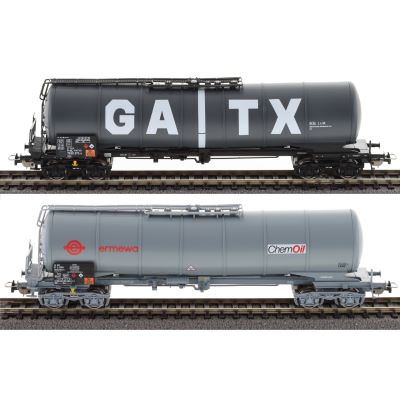
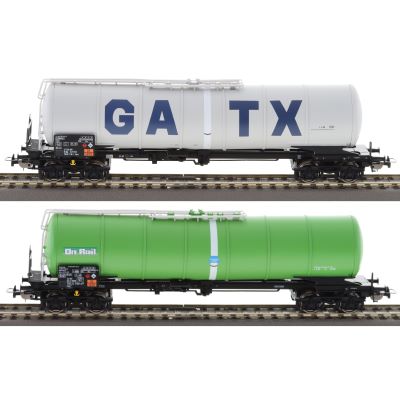
Two modern wagons from GATX and Ermewa.
Two wagons for modern chemical-train formations.
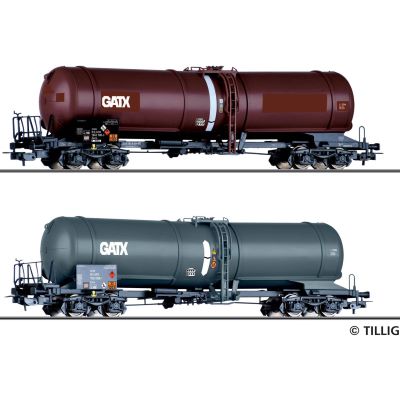
GATX wagons for international Era VI trains.
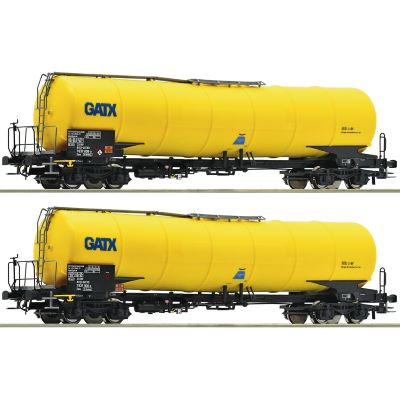
Two GATX wagons for modern block trains.
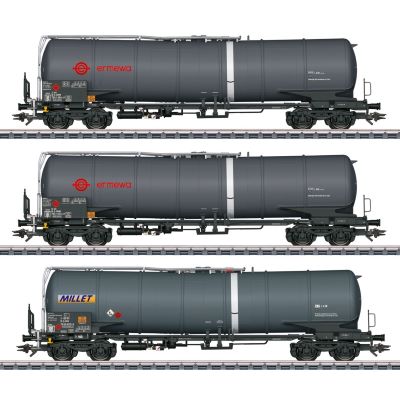
Three Zacns wagons from Ermewa and Millet.
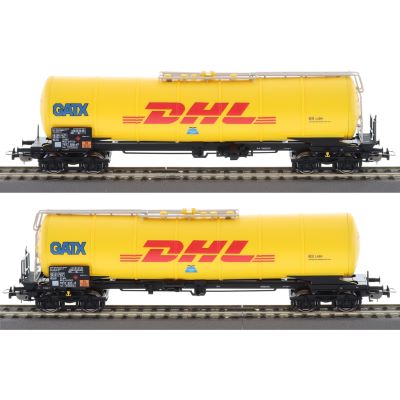
Distinctive two-wagon set for modern freight trains.
Models for gas traffic with specialised tank shapes, safety equipment and particularly distinctive train formations.
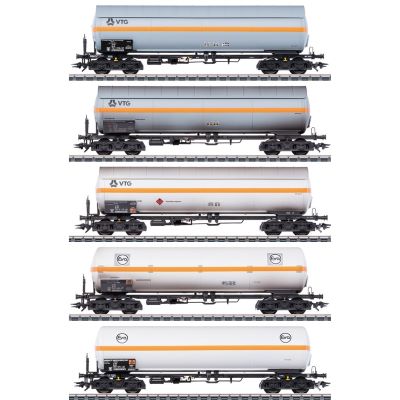
Five pressurised-gas wagons for a complete train formation.
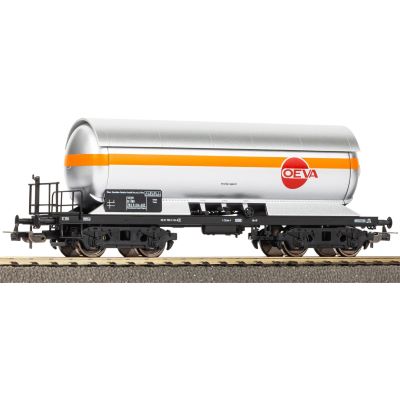
Austrian gas tank wagon from Era III.
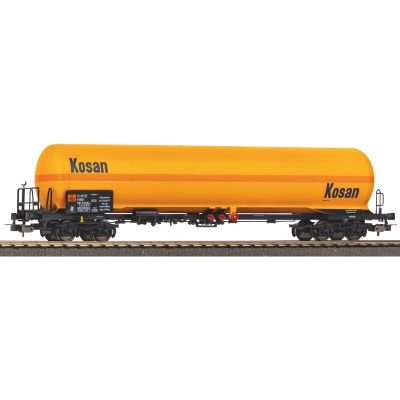
Scandinavian pressurised-gas tank wagon from Era IV.
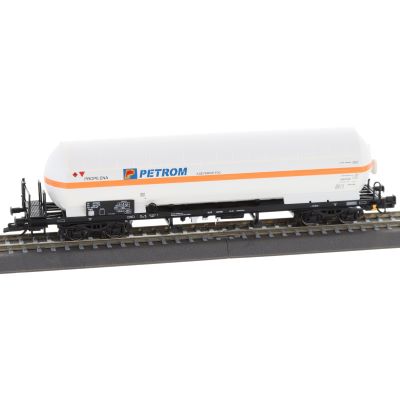
Petrom wagon for modern CFR train formations.
Classic Era III and IV vehicles for DB, DR, mineral-oil companies and traditional mixed freight trains.
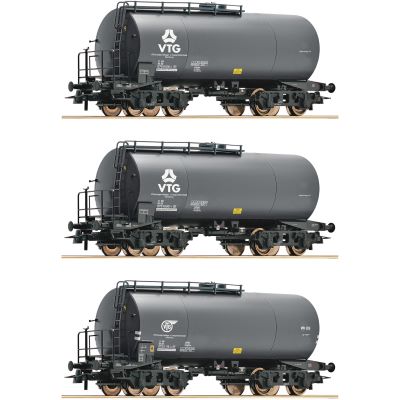
Three-wagon set for DB trains in Era IV.
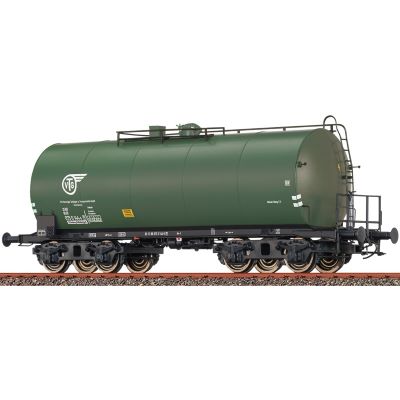
Lightweight tank wagon for Era IV freight trains.
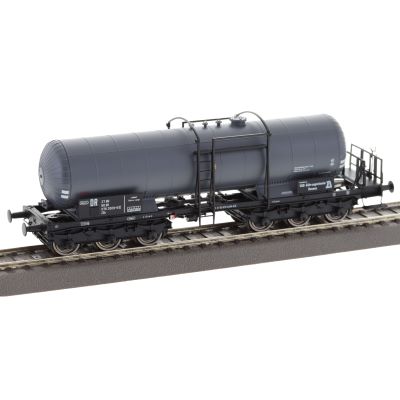
Six-axle DR industrial tank wagon from Era IV.

Compact private-owner tank wagon for DB Era IV.
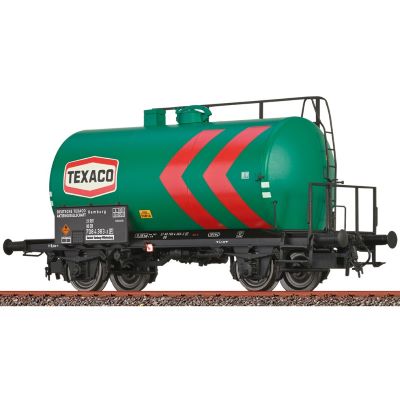
Mineral-oil wagon for DB trains in Era IV.
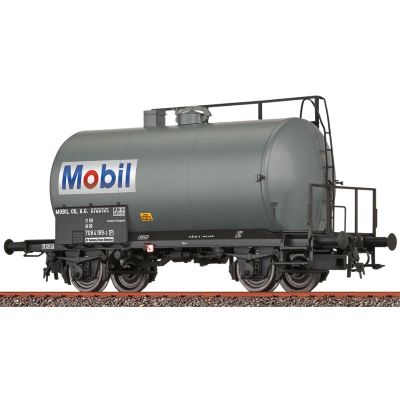
Classic mineral-oil tank wagon from Era IV.
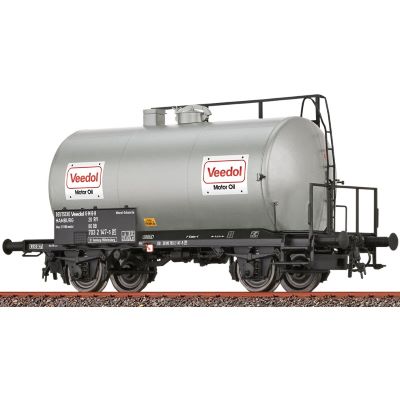
Private-owner tank wagon for classic DB freight trains.
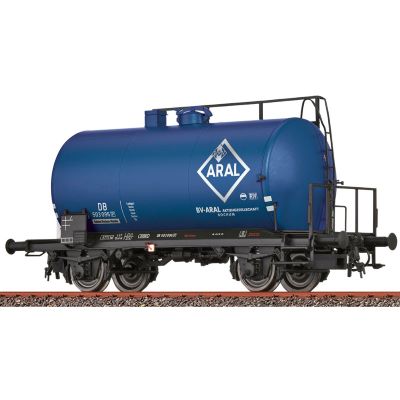
Mineral-oil tank wagon from the Deutsche Bundesbahn era.
Compact models for long trains, specialist food wagons and large-scale garden railway vehicles.
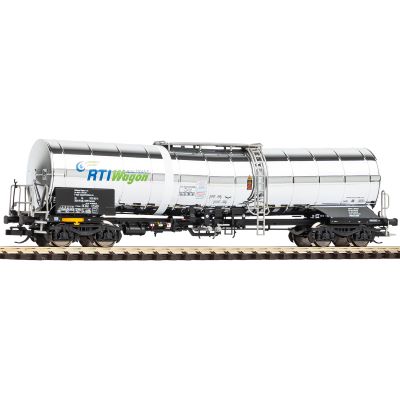
Modern RTI wagon from Era VI.
Four-axle wagon for modern TT block trains.
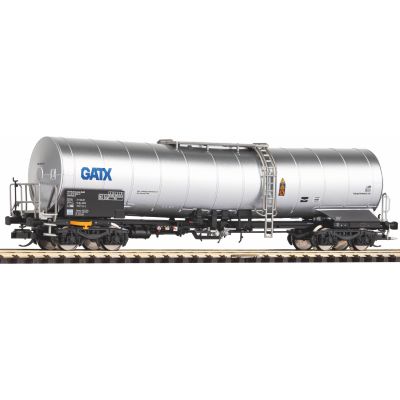
Matching addition for long TT freight trains.
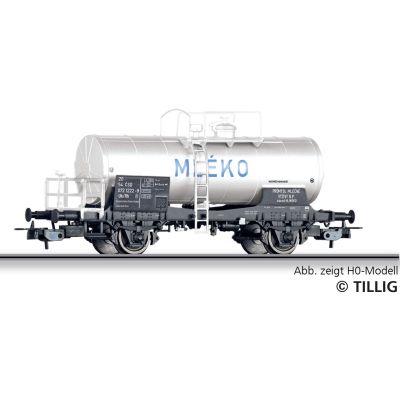
Food tank wagon for historic milk traffic.
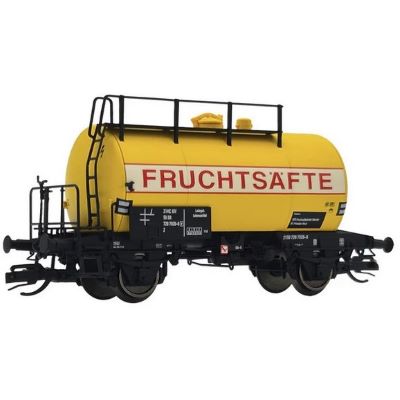
DR special wagon for food and industrial scenes.

Historic lightweight tank wagon in 1:160 scale.
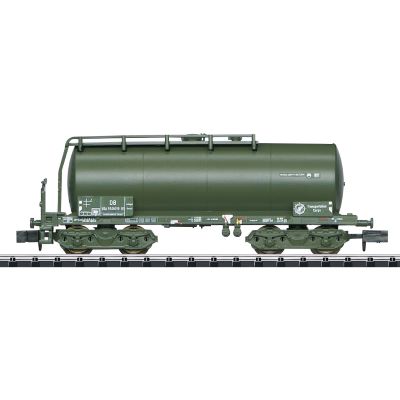
Compact Uerdingen tank wagon from Era III.
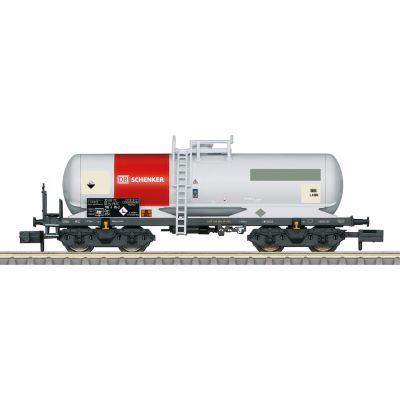
Modern specialist wagon from DB Schenker Rail.
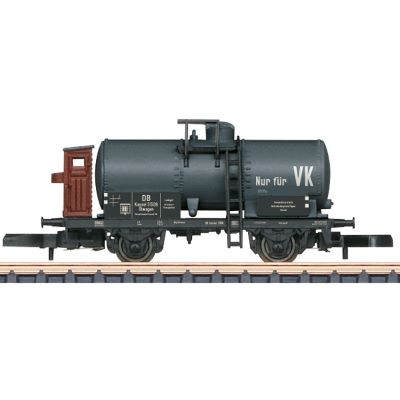
Small service-fluid wagon with brakeman's cab.
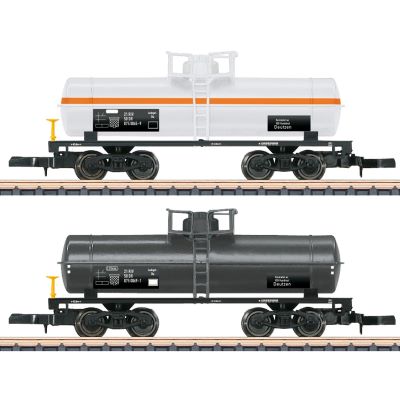
Two-wagon set for East German industrial traffic.
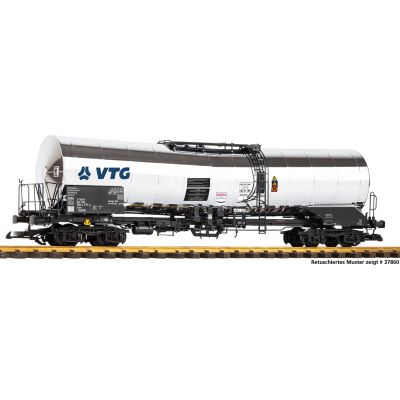
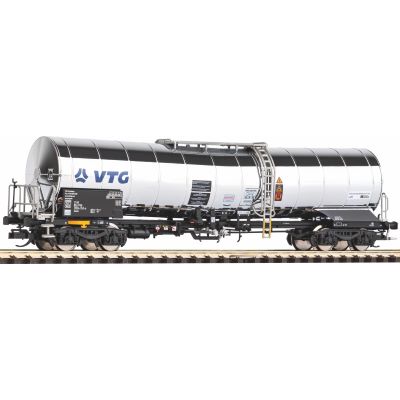
Large VTG wagon for modern garden railway trains.
No tank wagons match this filter combination. Remove one of the filters or reset the selection.
The logo on a wagon frequently identifies the keeper or leasing company. The locomotive may be provided by an entirely different railway undertaking.

Chemical, mineral-oil and pressurised-gas tank wagons in several model railway gauges.
Discover GATX Models →
Historic and modern tank, gas and specialist freight wagons.
Discover VTG Models →
Modern Zacns, Zacens and system wagons for Era VI.
Discover Wascosa Models →International leased wagons for chemical and mineral-oil traffic.
Discover Ermewa Models →Tank wagons look most convincing when era, locomotive, industrial siding and vehicle technology are planned together.
Select additional wagon types for mixed freight trains.
Compare passenger, freight and specialist wagons by gauge.
Find suitable locomotives and national railway themes.
Deutsche Bundesbahn, Deutsche Reichsbahn and classic private-owner wagons.
High-capacity wagons and international freight traffic.
Modern wagon keepers, chemical trains and block trains.
Compare scale, model track gauge and space requirements.
Check wheelsets, operating system and couplings in advance.
Use the main guide for further wagon and operating topics.
Improve free running and operating reliability.
Remove dirt and deposits without damaging materials.
Build a believable tank farm, industrial siding and surrounding scenery.
A convincing tank-wagon train has a recognisable transport task. These six steps connect the prototype, vehicle technology and layout operation.
Choose the consignee first. This determines the wagon type, markings and suitable accompanying wagons.
Short private-owner wagons belong to different railway settings from modern Zacns or pressurised-gas wagons.
In H0 in particular, wheelsets, track system and couplings must work together.
Long block trains require sufficient locomotive traction and siding length. A local transfer can work convincingly with only a few wagons.
A tank farm, works siding or fuel merchant gives the wagon a visible operational purpose.
Weather running gear and operating areas while keeping markings and dangerous-goods labels legible.
These answers help with wagon types, markings, gauge, compatibility and prototypical train formation.
Tank wagons carry liquid, liquefied or gaseous freight. This includes mineral oil, fuels, chemicals, liquefied gases, industrial liquids and selected food products.
No. Milk, fruit juice, water and service fluids can also be transported in suitable tank wagons. Dangerous-goods markings belong only on prototypes used for corresponding loads.
Tank materials, pressure resistance, insulation, fittings and discharge systems are adapted to the load. Pressurised-gas tank wagons use different vessel technology from non-pressurised mineral-oil wagons.
The classification letters describe the tank wagon and certain technical characteristics. Their complete meaning depends on the wagon design, period and markings of the specific prototype.
Mechanically this is often possible, but insulated two-rail wheelsets can affect contact-based train detection on a centre-contact layout. Suitable AC replacement wheelsets and the coupling must be checked for the individual model.
N and TT allow long trains in relatively little space. H0 offers the widest model selection. Z is especially compact, while G and Gauge 0 provide a strong visual impact.
Eras III and IV provide many classic private-owner and mineral-oil wagons. Era VI is dominated by long four-axle vehicles from major European wagon keepers.
Two to five wagons can be sufficient for a local transfer or mixed freight train. A block train generally contains a larger number of identical or technically related wagons.
Suitable industries include tank farms, refineries, chemical works, fuel merchants, ports, dairies and factory sidings. Pipework and a protected loading track make the operating process understandable.
Dust, brake residue and light running marks mainly belong on the chassis and lower areas. Heavy spill marks should only be used where they are appropriate for the specific prototype.
Explore gauges, eras, compatibility, train formation, maintenance and scenery construction in the central knowledge guide.