Digital Protocols
DCC, mfx, Motorola, M4 and Selectrix must suit the existing decoder fleet.

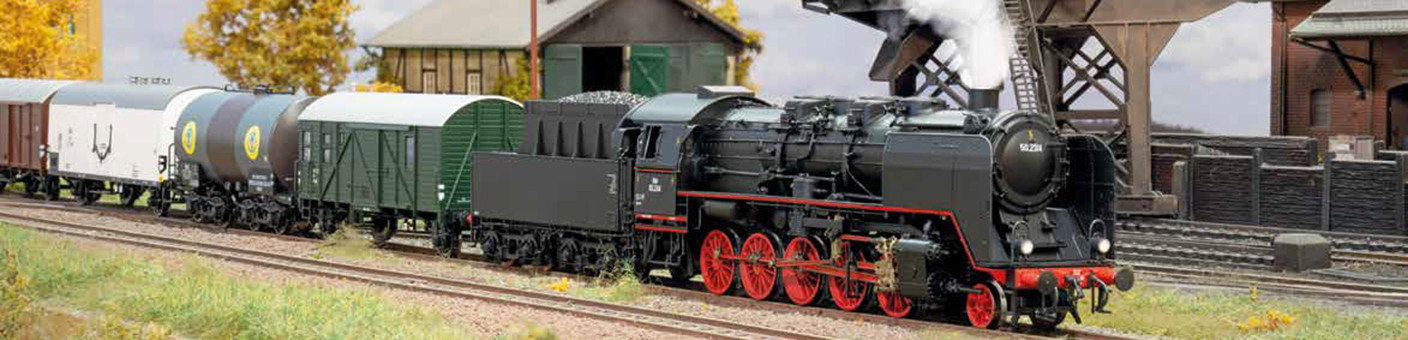
Find the right digital command station by power system, digital protocol, gauge, layout size and preferred control method. From beginner sets and smartphone control to powerful systems for automation, large layouts and garden railways.
A digital command station receives instructions from throttles, a touchscreen, smartphone, tablet or computer. It converts these instructions into digital track signals for locomotive and accessory decoders. Depending on the system, it can additionally control turnouts, signals, routes, feedback modules, turntables, lighting and automatic sequences.
The right command station is not selected solely by price or output current. The existing locomotive decoders must be considered first. Märklin vehicles frequently use mfx, mfx+ or Motorola. DCC is particularly widespread on two-rail layouts. Multiprotocol command stations can transmit several formats simultaneously and are suitable for mixed vehicle fleets.
The layout size and operating method are the next considerations. A compact command station with a handheld controller is often sufficient for a small N, TT or H0 layout. A touchscreen, track diagram, feedback, network and computer connection become more important when a staging yard, several operators or automatic routes are planned.
High output is particularly important for Gauges 0, 1 and G. However, it does not replace a sensible division into booster districts. Every section requires appropriate wiring, track feeds, isolation points and short-circuit protection suited to the gauge.
DCC, mfx, Motorola, M4 and Selectrix must suit the existing decoder fleet.
Current, voltage and the cut-off limit are selected according to the gauge and vehicles.
Options include desktop units, handheld controllers, radio, Wi-Fi, apps and computers.
The bus, feedback modules and command station must work together as one system.
A separate output makes reading, programming and troubleshooting easier.
Boosters, controllers, modules and software determine the future expansion path.
Choose the starting point that most closely matches your current question. The subsequent manufacturer pages explain the individual systems in detail.
Compare protocols, output, operation, radio, networks, feedback and the application areas of the most important command stations.
Open Comparison →A guided decision based on vehicles, track system, gauge, layout goals, preferred operation and desired expansion.
Open Selection Guide →Complete sets, simple handheld controllers, clear programming and sensible expansion paths for the first digital layout.
Open Beginner’s Guide →Plan booster districts, several operators, feedback, staging yards, computer control and large vehicle fleets correctly.
Open Large-Layout Guide →Compare Wi-Fi, LAN, apps, routers, browser interfaces and mobile handheld controllers for flexible operation.
Open Smartphone Guide →| System | Protocols | Operation | Typical Focus | Detailed Guide |
|---|---|---|---|---|
| Märklin Central Station | mfx, mfx+, Motorola and DCC | Touchscreen, two throttles and network | Märklin H0, centre-stud track and mfx | Central Station |
| Roco Z21 and z21 | DCC and, in some cases, Motorola | App, WLANMAUS, multiMAUS and PC | Open networking and two-rail layouts | Z21 System |
| PIKO SmartControl | DCC | Wi-Fi handheld controller | Beginners, H0 and garden railways | SmartControl |
| ESU ECoS | DCC, Motorola, Selectrix and M4 | Touchscreen, two throttles and network | Multiprotocol operation and high comfort | ECoS System |
| Uhlenbrock Intellibox | DCC, mfx, Motorola and Selectrix | Touch display, throttles, Wi-Fi and LocoNet | LocoNet and mixed existing layouts | Intellibox |
| Lenz Digital plus | DCC | XpressNet handheld controllers and radio | Modular DCC, ABC and Gauge 0 | Lenz Digital |
| ZIMO | DCC and system-specific additional functions | MX33, radio, CAN and network | High output, RailCom and HLU | ZIMO Systems |
| Massoth DiMAX | DCC | Navigator, cable and radio | Gauge G and powerful garden railways | Massoth |
| Digitrax and Others | DCC or system-dependent | LocoNet, radio, Wi-Fi and computer | International and open systems | Other Systems |
Every system page covers the command station, controllers, protocols, buses, feedback, boosters, smartphone control, gauges and suitable products.
CS3, CS3 plus, Mobile Station, mfx+, track diagrams and the Märklin system bus.

Z21 App, WLANMAUS, multiMAUS, feedback, decoder updates and networking.

Wi-Fi handheld controllers, compact DCC command stations and solutions for H0 and garden railways.

Touchscreen, multiprotocol operation, ECoSlink, RailCom and Mobile Control.

Intellibox 3, DAISY II, IB-Control, LocoNet, Wi-Fi and automation.

LZV200, SET101, LH101, XpressNet, RailCom, ABC and the R/S bus.

MX10, MX10EC, MX33, StEin, RailCom, HLU and high power reserves.

DiMAX, Navigator, radio, boosters, feedback and robust large-scale technology.
Digitrax, NCE, TCS, MRC, DCC-EX, YaMoRC, Tams and other solutions.
Small vehicles require little current and a track voltage suited to their scale. High booster output provides no advantage when the short-circuit protection is too coarse.
PIKO SmartControl, Roco z21, Lenz, DAISY II or ECoS.
Low voltage, small decoders and sensitive short-circuit protection.
H0 offers the widest system selection. Centre-stud layouts pay particular attention to mfx and Motorola, while two-rail layouts usually focus on DCC, RailCom, XpressNet, LocoNet or app control.
Central Station, Z21, SmartControl, ECoS, Intellibox and Lenz.
Decoder protocols, operating comfort and planned automation.
Large motors, sound, smoke generators and lighting increase the current requirement. Heavy wiring and separate booster districts are more important than one very large track output.
Lenz LZV200, ZIMO MX10, Massoth DiMAX and PIKO G SmartControl.
Adjustable voltage, current reserves and robust wiring.
Note DCC, mfx, Motorola, M4 and Selectrix in the existing vehicle fleet.
Consider motors, sound, lighting, smoke and the trains running simultaneously.
Choose a touchscreen, handheld controller, radio, app or computer according to the operating style.
Consider the bus, detection sections, staging yard and software together.
Boosters, additional controllers and modules should remain available in the long term.
Test one locomotive, turnout and feedback contact before expanding the complete layout.
Protocols, buses and operation are often more important in the long term.
Controllers and feedback modules are often system-specific despite DCC.
The router, Wi-Fi coverage, app and command station must be compatible.
Separate districts limit short circuits and simplify troubleshooting.
An incorrect connection can disrupt programming and damage equipment.
Pay particular attention to pure mfx, Motorola and older Selectrix decoders.
This selection presents 28 central components for beginners, comfortable home layouts, large layouts, mobile operation and feedback.
Complete sets and clearly arranged command stations for Z, N, TT and H0.
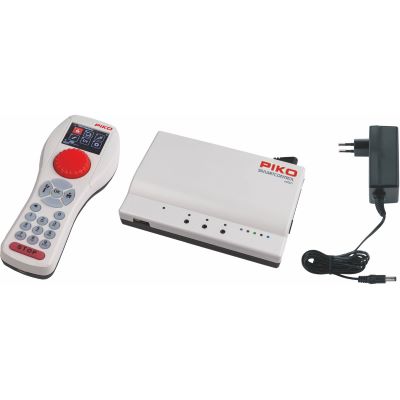
Mobile DCC controller with a compact command station.
View Product →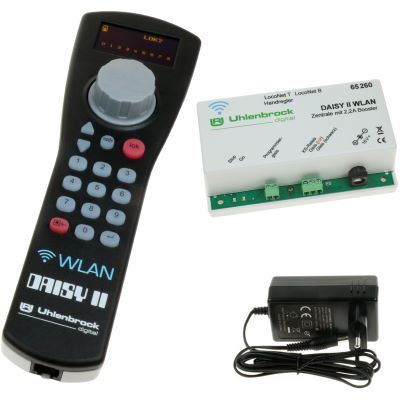
Command station, Wi-Fi controller and power supply as a set.
View Product →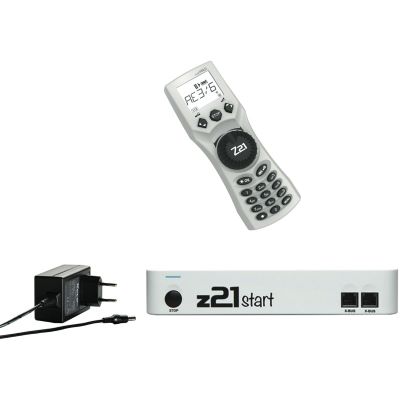
Command station, wired multiMAUS and power supply as a basic system.
View Product →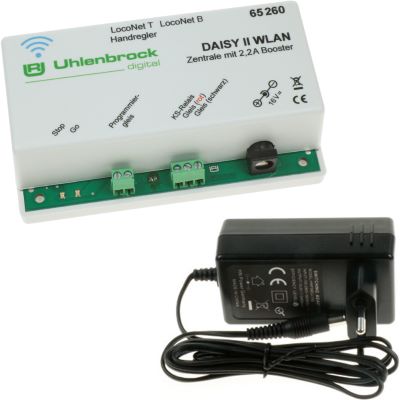
Compact DCC command station with integrated Wi-Fi.
View Product →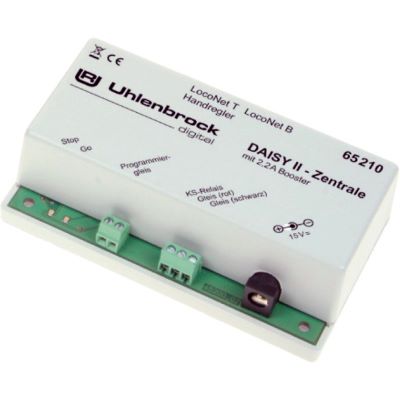
DCC command station with RailCom and programming track.
View Product →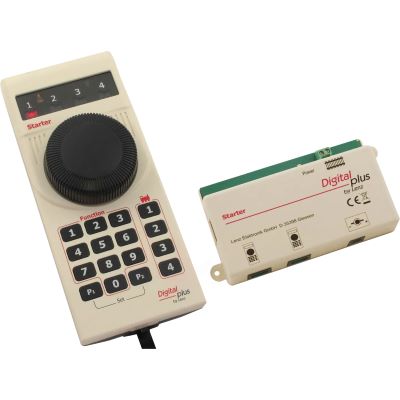
A clearly arranged entry system for a few locomotives and turnouts.
View Product →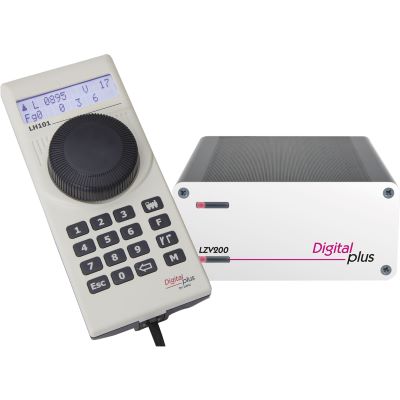
5 A command station and wired handheld controller.
View Product →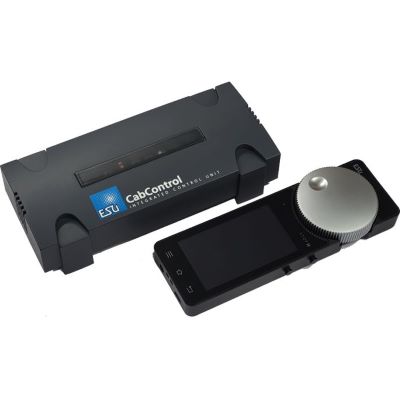
Wi-Fi handheld controller and powerful DCC command station.
View Product →Multiprotocol command stations and systems for H0, Gauge 0, Gauge 1 and G.
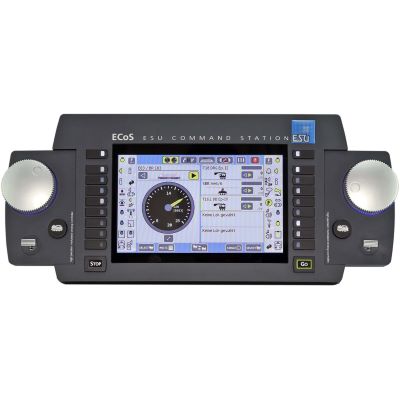
Two throttles, a track diagram and multiprotocol operation.
View Product →
Touch display, two throttles, Wi-Fi and LocoNet.
View Product →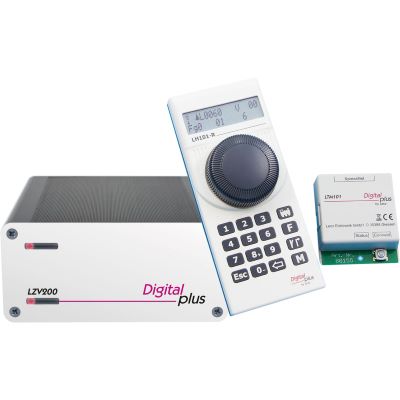
LZV200, wireless handheld controller and receiver.
View Product →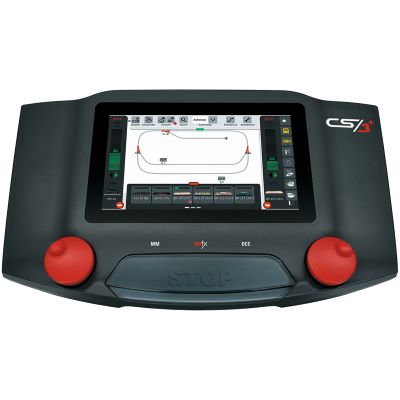
Touchscreen, mfx, DCC, track diagrams and direct s88 feedback.
View Product →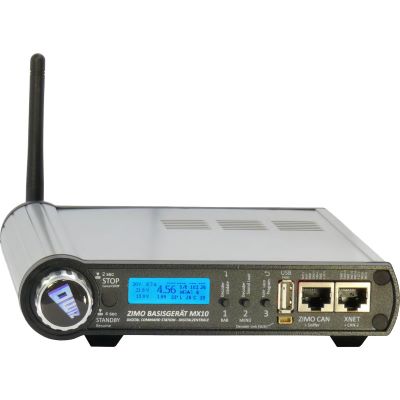
Two adjustable track outputs and extensive system interfaces.
View Product →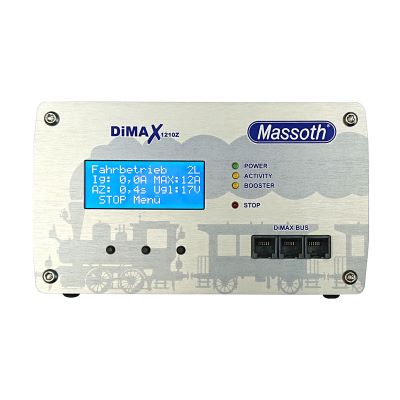
Powerful DCC system core for large-scale railways.
View Product →Wireless controllers, Wi-Fi throttles and interfaces for flexible operation around the layout.
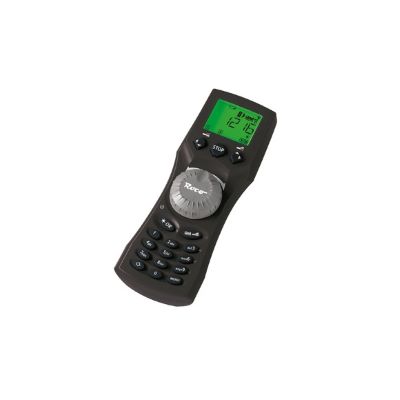
Physical rotary controller for wireless locomotive and turnout operation.
View Product →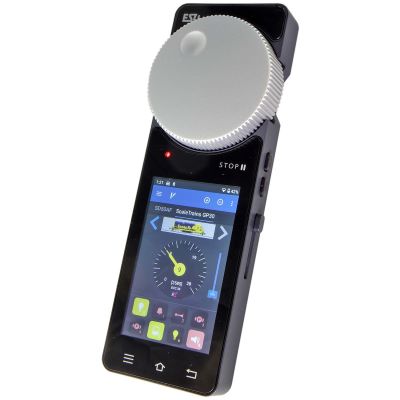
Mobile controller with a display and physical rotary knob.
View Product →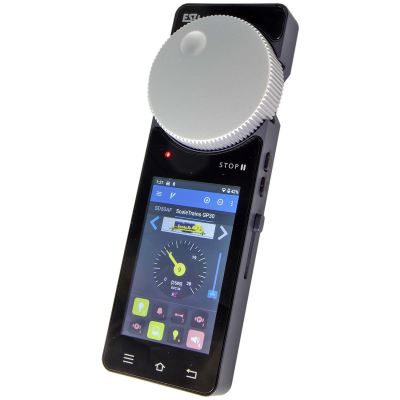
Handheld controller and access point as a coordinated set.
View Product →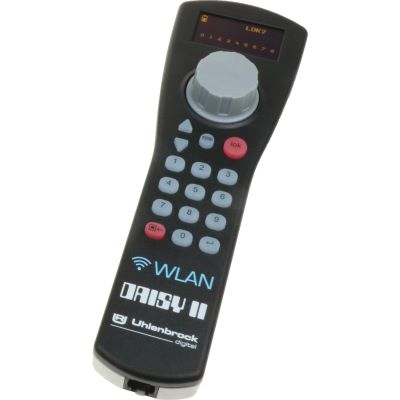
Mobile controller for supported network protocols.
View Product →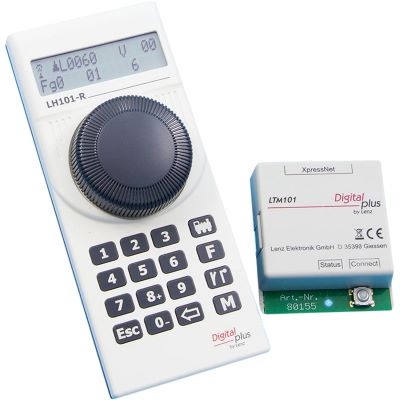
Wireless handheld controller with the matching receiver.
View Product →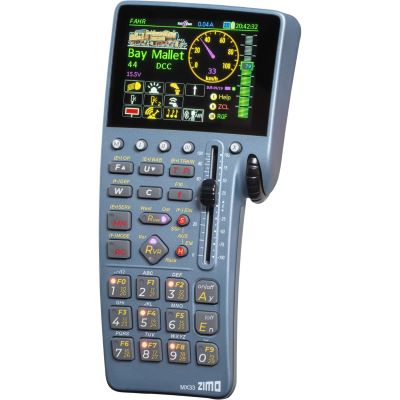
Touchscreen controller for the MX10 and MX10EC.
View Product →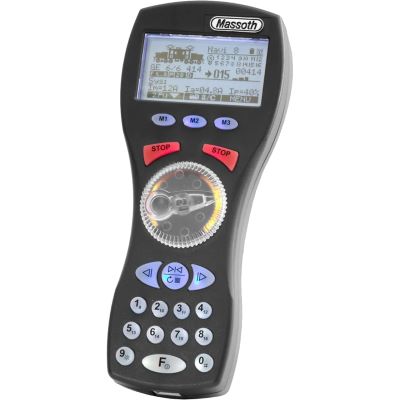
Ergonomic controller for wired and wireless operation.
View Product →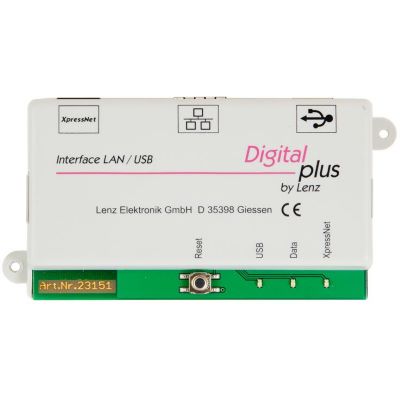
Connects XpressNet to a network and computer.
View Product →Extensions for power districts, automation, train detection and maintenance.
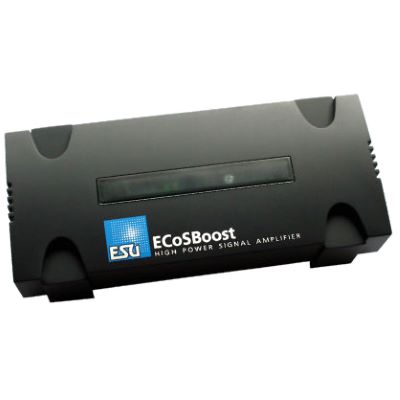
Additional power district for ECoS layouts.
View Product →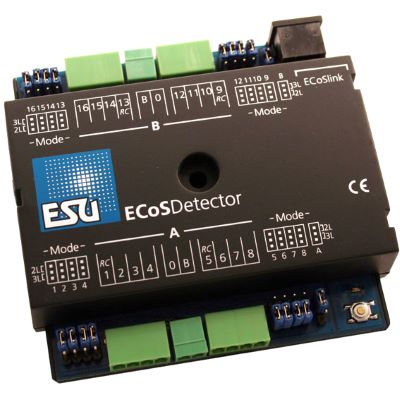
Monitors track sections and RailCom data.
View Product →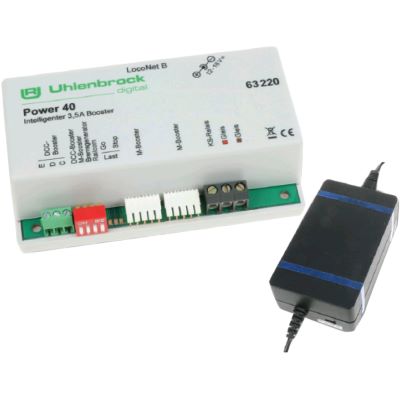
Optically isolated booster for additional power districts.
View Product →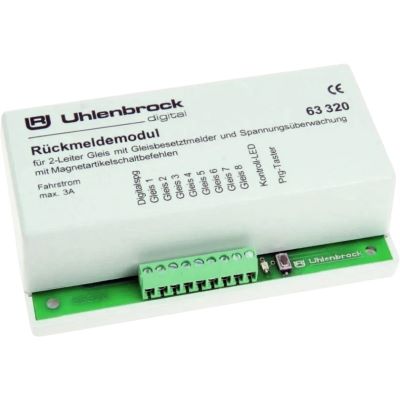
Monitors eight track sections using current sensors.
View Product →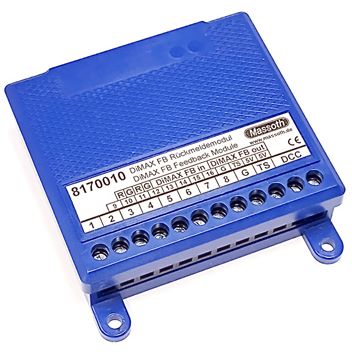
Detects contacts for train reporting and automation.
View Product →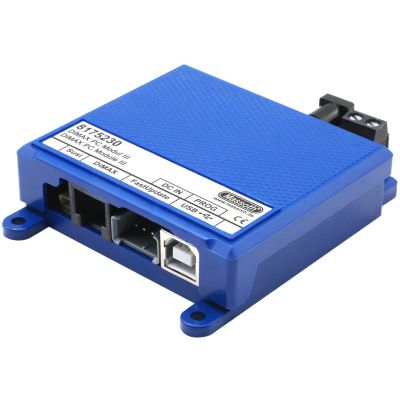
Connects decoders and DiMAX components to a Windows PC.
View Product →Complete sets with a command station, handheld controller and power supply are useful. PIKO SmartControl, DAISY II, the Lenz Starter system and z21 start are typical entry concepts.
mfx, mfx+ and Motorola are important for many Märklin layouts. The Central Station is particularly closely connected to Märklin vehicles, signals and feedback modules.
Z21, SmartControl, Lenz, ZIMO, DAISY II, ECoS and Intellibox support DCC. The operating method, buses and output are decisive.
Yes. Suitable command stations have Wi-Fi or LAN or can be expanded using a network interface and a compatible app.
Add the current consumption of the vehicles running simultaneously. Large layouts are better divided into several booster districts.
A booster becomes useful when the current requirement increases or the station, main line and staging yard should have separate short-circuit districts.
Standards-compliant basic functions generally work across manufacturers. Feedback, sound updates and specialist functions may differ.
Both are system buses. LocoNet is used by Digitrax and Uhlenbrock, among others, while XpressNet is primarily used by Lenz and compatible control devices.
Sufficient output, booster capability, several operating devices, feedback and a computer connection are important. ECoS, Intellibox, Lenz, ZIMO and Z21 provide suitable expansion paths.
Massoth DiMAX, PIKO G SmartControl and powerful ZIMO systems are typical solutions. The voltage, wiring and power districts must suit the garden railway.
Vehicle decoders can frequently be retained. Handheld controllers, radio equipment, feedback modules and switching modules must be checked individually for compatibility.
No. The best command station provides the protocols, operating methods and expansion options that are actually required without making the layout unnecessarily complicated.
The structure and product selection were organised for Modellbahnshop specialist advice according to digital protocol, gauge, output, operation and expandability.
Content status: 17 July 2026. Consult the current manufacturer instructions and firmware information before connecting the system.
Further guides cover digital decoders, command stations, feedback, wiring, gauges, track planning and layout construction.