Separate rail poles
The left and right running rails must not be connected together unintentionally. Metal wheelsets must therefore be electrically insulated.

In model railway retail, H0 DC describes the two-rail system at a scale of 1:87. The two running rails carry separate electrical poles. Vehicles, track systems and digital equipment from PIKO, Roco, Trix, BRAWA, TILLIG, ESU, Lenz and many other manufacturers can therefore be combined.
In a two-rail system, one running rail provides one electrical pole and the opposite rail provides the other. Current is collected through the wheels. A centre pickup shoe, as used by the Märklin system, is not required.
During analogue operation, polarity determines the direction of travel. During digital DCC operation, every locomotive receives its own address. Speed, direction, lighting, sound and additional functions are interpreted by the decoder.
H0 DC offers a particularly broad selection of manufacturers. Vehicles from different brands can be operated together when the track gauge, electrical system, coupling, minimum radius and digital format are compatible.
An H0 DC locomotive may be analogue, prepared for digital conversion or already equipped with a DCC, mfx or RailCom-capable decoder.
A digital starter set is the simplest route to a coordinated two-rail layout. The locomotive, rolling stock, track system, command station and handheld controller are designed to work together.
The track system should be selected first for a permanent layout. Roadbed track can be assembled quickly. Track without roadbed provides greater freedom for ballasting, flexible track and prototypical turnout formations.
Anyone planning smartphone control, feedback or automation should consider network connections, system buses, RailCom and future expandability from the beginning.
Select the current objective for your layout.
Starter sets combine a locomotive, rolling stock, two-rail track and compatible digital control.
Open SectionThe left and right running rails must not be connected together unintentionally. Metal wheelsets must therefore be electrically insulated.
When a track turns back on itself, opposing polarities meet. A reversing-loop module prevents a short circuit.
Current sensors detect vehicles and illuminated coaches within isolated sections and report occupancy to the command station or control software.
| Operating method | Direction control | Multiple-train operation | Functions |
|---|---|---|---|
| Analogue DC | By reversing the track-voltage polarity | Only through separate electrical circuits | Limited and usually voltage-dependent |
| Digital DCC | Through an individual decoder command | Several locomotives on the same electrical section | Lighting, sound, shunting mode and AUX outputs |
| Multi-Protocol | Dependent on the decoder and command station | DCC and additional formats can be combined | Additional manufacturer-specific options |
| Track system | Construction | Particular strength | Suitable application |
|---|---|---|---|
| Roco Line | Available with or without roadbed | Extensive geometry and slim turnouts | Digital main lines and home layouts |
| PIKO A Track | Available with optional roadbed | Beginner-friendly and easy to expand | Starter sets and expandable layouts |
| Trix C Track | Robust roadbed track | Quick assembly and concealed drives | Portable and permanent digital layouts |
| TILLIG Elite | Fine track without roadbed | Low rail profiles and prototypical turnouts | Advanced layouts and modular construction |
| Peco | Flexible track and different rail-profile heights | Free planning and international geometries | Modules, hidden yards and specialist layouts |
The isolated section must be longer than the longest train that collects current along its full length. Select the reversing-loop module according to the command station, track voltage and maximum current.
Z21, SmartControl, Lenz, ESU and Uhlenbrock systems control locomotive addresses and accessories and, depending on the system, feedback or automation.
Suitable decoders can return information to compatible detectors and digital command stations.
Network-capable command stations allow locomotives, turnouts and track diagrams to be controlled using a smartphone or tablet.
PluX22, 21MTC, NEM 652, PluX16 and Next18 are frequently found in H0 vehicles.
Occupancy detectors, contacts and system buses provide the technical foundation for block operation and automatic routes.
Larger layouts are divided into separate power and short-circuit districts.
Compare roadbed, rail height, turnouts and flexible track.
358 to 360 mm is compact; long vehicles require more space.
Prepare feeds, reversing loops and booster districts.
Install occupancy detectors and isolation gaps before ballasting.



C Track, metal models and mfx/DCC decoders.
Fine DetailingLocomotives, multiple units and passenger coaches.
Elite Track SystemFine track, turnouts and specialist vehicles.
DCC and RailComCommand stations, decoders and XpressNet components.
Multi-ProtocolIntellibox, LocoNet, decoders and diagnostic equipment.
Branch Lines and Narrow GaugeH0 and H0e vehicles for specialist prototypes.
International TrainsFinely detailed locomotives and passenger coaches.
Buildings and TechnologyStations, towns, industry and the Car System.
Scenery ConstructionTerrain, trees, figures and preformed layouts.
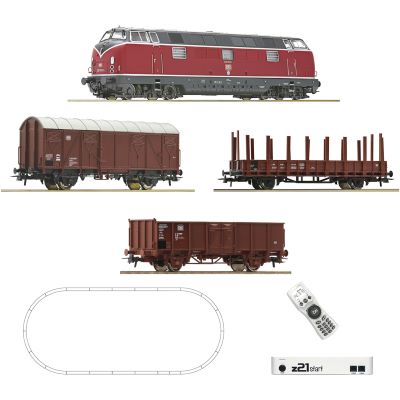
A locomotive, rolling stock, two-rail track and control system supplied as one coordinated package.
DB freight train, Roco Line track and z21 start.
View product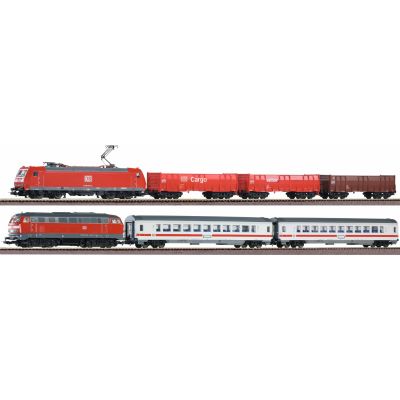
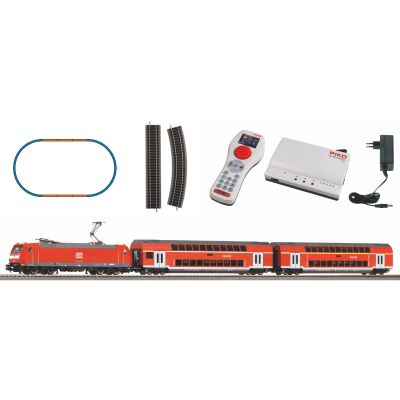
Two trains and wireless digital control.
View product
Class 146, two double-deck coaches and Wi-Fi control.
View product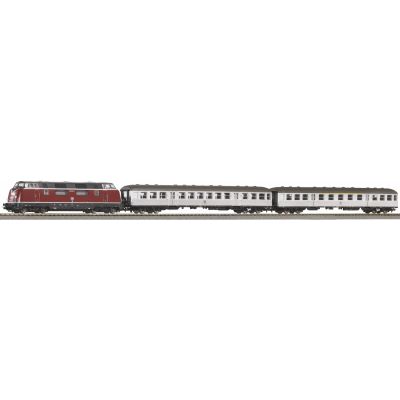
Silberling train with PIKO SmartControl WLAN.
View product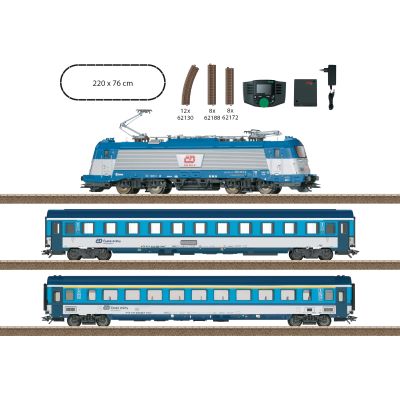
ČD passenger train with sound and Trix C Track.
View product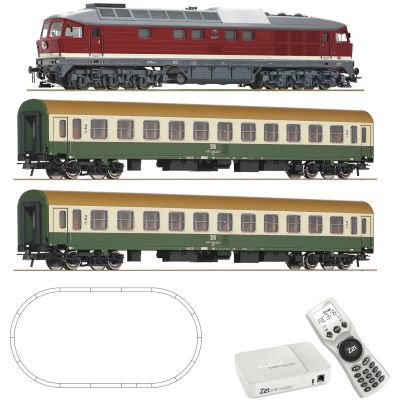
DR digital set with Z21 and Roco Line track.
View product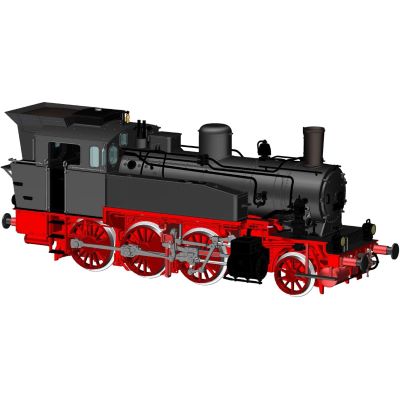
DR branch-line locomotive with a PluX16 sound decoder.
View product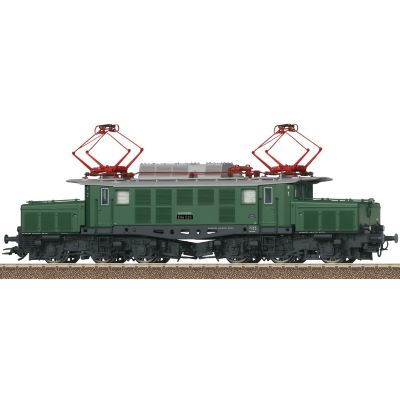
DB freight locomotive with mfx/DCC sound.
View product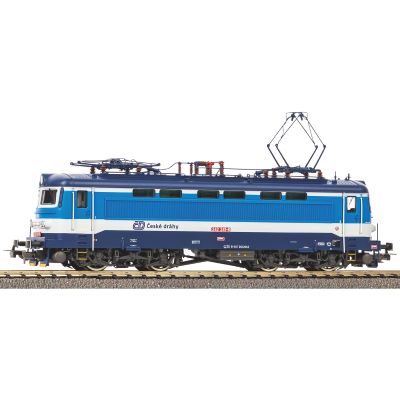
Czech electric locomotive with digital sound.
View product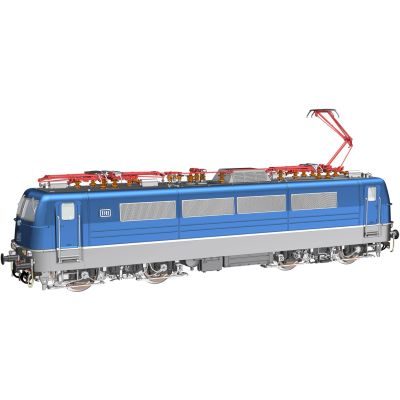
Multi-system electric locomotive from Era III.
View product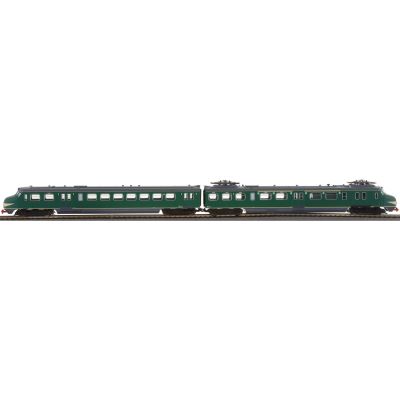
Dutch multiple unit with sound.
View product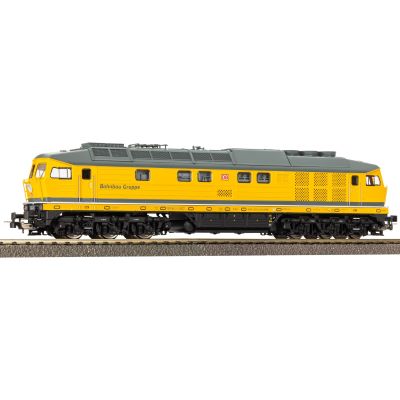
Yellow Bahnbau Ludmilla locomotive with PluX22.
View product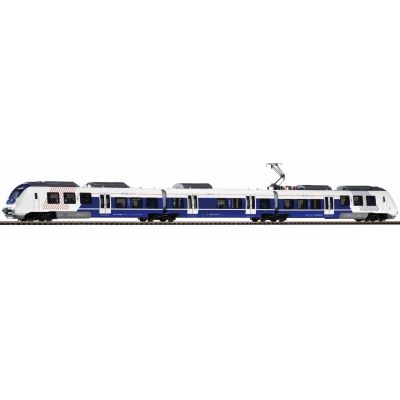
Three-part regional multiple unit with Next18.
View product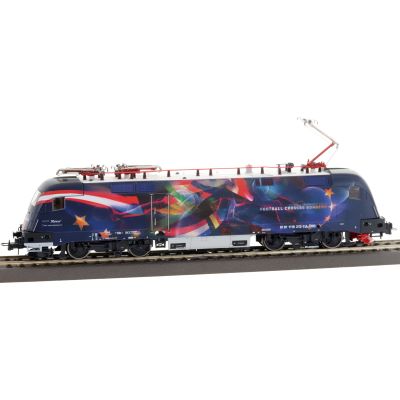
Special livery with DCC sound.
View product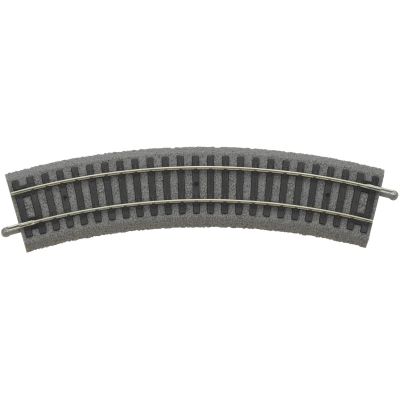
Roadbed track for compact H0 DC layouts.
View product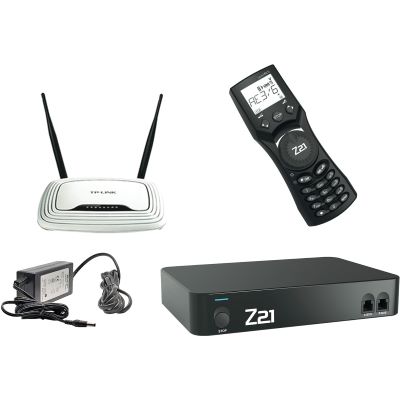
Network-capable DCC command station with Wi-Fi.
View product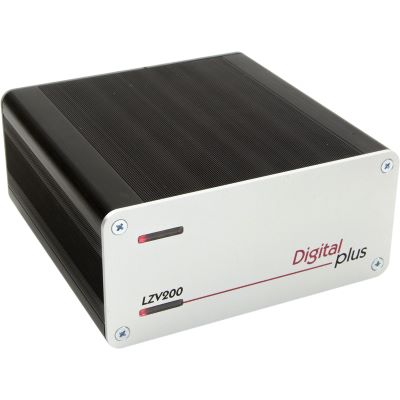
DCC command station with XpressNet and power amplifier.
View product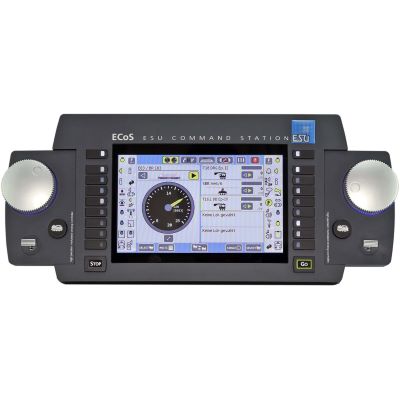
Touchscreen command station for multi-protocol layouts.
View product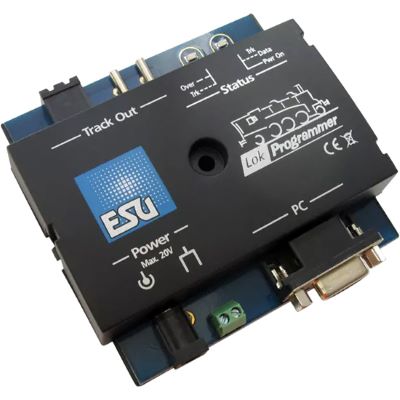
Edit LokPilot, LokSound, function mapping and sound.
View product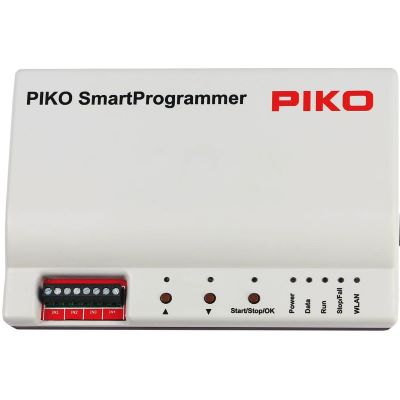
Configure SmartDecoders and sound projects.
View product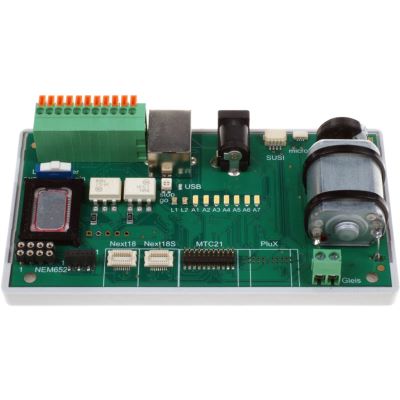
Test the motor, lighting and function outputs.
View product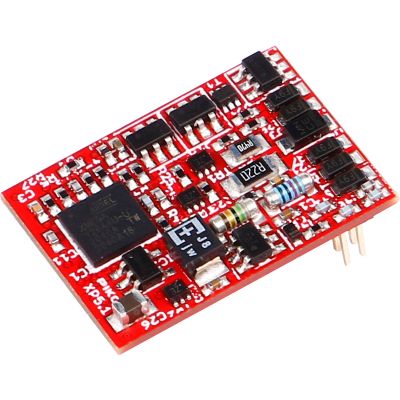
Multi-protocol decoder with a PluX22 interface.
View productIn model railway retail, H0 DC normally refers to the H0 two-rail system. The two running rails provide separate electrical poles.
No. H0 DC vehicles may be analogue, prepared for digital conversion or already equipped with a DCC, mfx or RailCom-capable decoder.
Normally not without conversion. The locomotive lacks a centre pickup shoe and the appropriate internal wiring.
In principle, yes, provided that the track, wiring, command station and vehicles are electrically compatible.
Opposing rail polarities meet within a reversing loop. The module automatically switches the polarity of the isolated section.
Compact curves frequently begin at approximately 358 to 360 millimetres. Long coaches and large steam locomotives benefit from wider radii.
Roco Line with roadbed, PIKO A Track with roadbed and Trix C Track can be assembled quickly and expanded easily.
Yes. Their scale and track gauge are identical. The electrical system, coupling, minimum radius and digital equipment must nevertheless be compatible.
PluX22, 21MTC, NEM 652, PluX16 and Next18 are particularly common. The vehicle instructions remain decisive.
With compatible components, RailCom allows decoder information to be transmitted back to a detector or digital command station.
Further gauges, layout-building advice, manufacturer information and digital topics are available in the central model railway guide.