
Creating Figures & Scenes – Bring Your Model Railway to Life
A final wave on the platform, a conversation at the market, a break beside a hiking trail: give your layout people, activities and little stories.
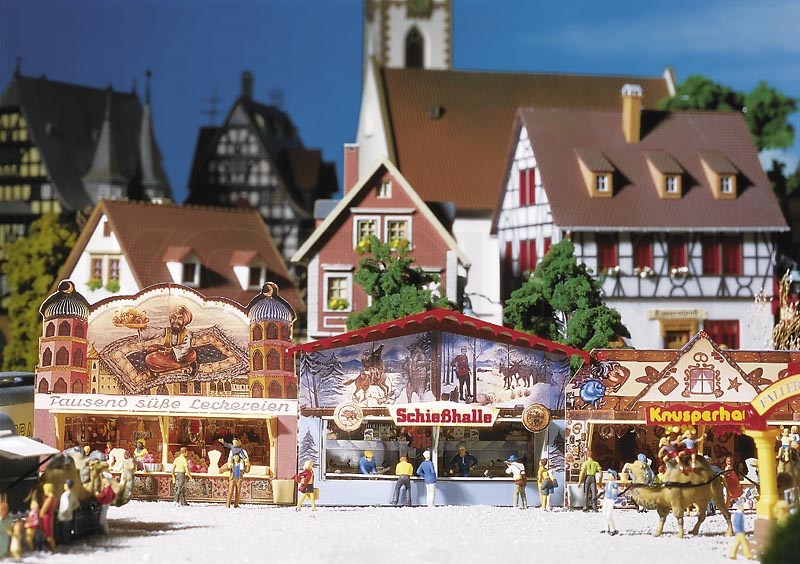
Featured image: Faller 140320 Fairground Stalls H0 · MBS item number: MBS108066
What makes a scene feel alive?
Creating figures and scenes means placing people and animals in a believable relationship with their surroundings. One person waits for a train, two neighbours chat, a worker carries tools to a construction site. Suitable poses, lines of sight and spacing make all the difference. Together, they create lively model railway worlds with stories that are clear at a glance.
Start with a simple activity and choose a few suitable model railway figures. Buildings, paths and vehicles provide the setting. Add further details once this basic idea works. The product photos on this page show examples in various scales; any vehicles, scenery or buildings pictured are included only if they are listed in the product contents.
Manufacturers for your miniature stories
Explore the brands to find figures, scene accessories and suitable additions. Compare the stated scale, paint finish and actual contents of each set. For moving figures or illuminated scenes, also follow the relevant connection and installation instructions.








Bring stations and locomotive depots to life
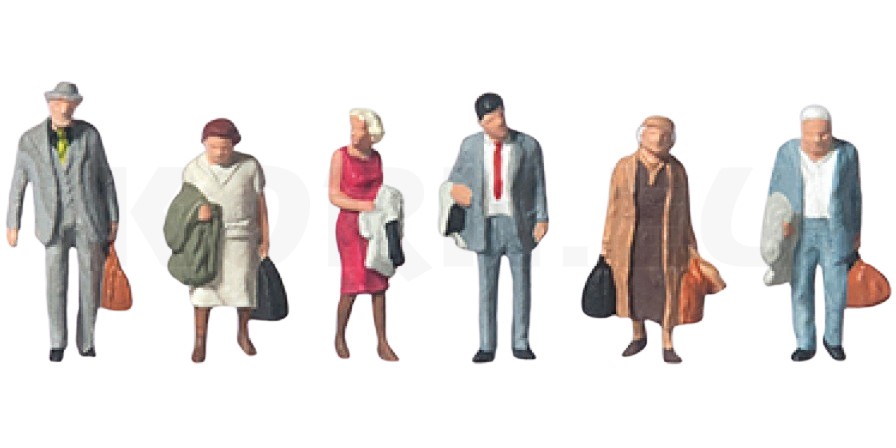
A station offers plenty of opportunities for small activities: passengers read the timetable, wait with luggage or sit on a bench. Avoid lining up every figure parallel to the platform edge. Small groups and individuals create a more varied picture. Keep entrances, stairs and imagined walking routes clear. The guide to the station scene connects your choice of figures with their surroundings.
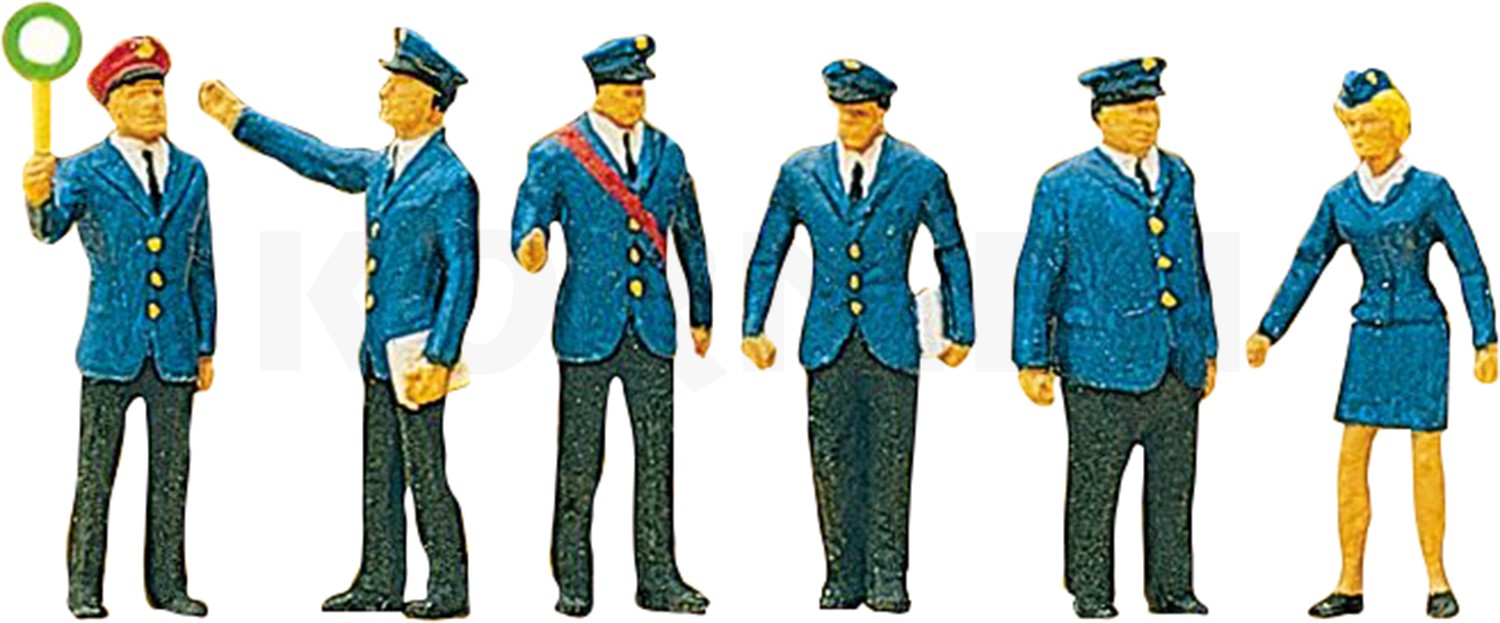
Railway staff need a sensible place to work. Shunting staff belong beside shunting tracks, station staff on the platform and workshop staff in the depot. When choosing uniforms and equipment, consider the era being modelled. Distinctive clothing can date a scene more strongly than a plain suitcase.
Seated passengers also bring passenger coaches and station halls to life. Check seat height, legroom and the model's construction before fitting them. Figures without legs are intended for certain interiors, but are not a universal solution for every bench. Open vehicles only as described in their instructions, and take account of light guides and electrical components.
When testing an arrangement, you will get the best impression by viewing the figures together with platforms and station buildings. Then check that no arm, suitcase or tool projects into the path of passing trains. A careful test run with your longest vehicles helps you check clearances.
Markets, streets and bus stops tell stories
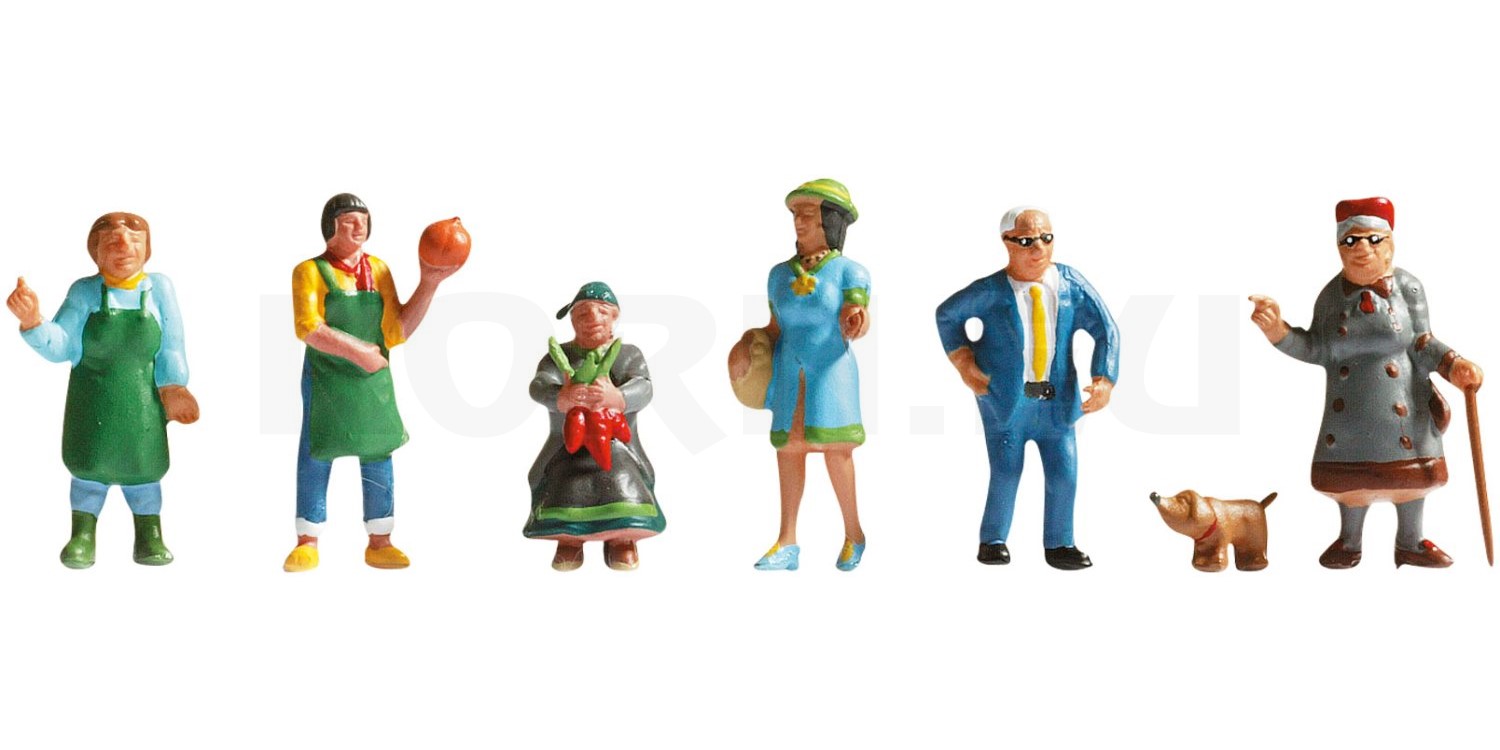
A Weekly Market comes to life through the relationship between stalls, stallholders and customers. Turn the figures towards the goods and leave a clear route through the market. A person with a shopping bag beside a stall already tells a stronger story than a crowded area with no obvious arrangement.
At bus stops and outside shops, the direction people face should suit their activity. Waiting passengers look towards the road or timetable; a conversation needs someone to talk to. Accessories such as benches, bicycles and small objects provide points of reference. Use them sparingly and keep the pavement recognisable as a continuous space.
Townhouses and Residential buildings gain new meaning when individual figures appear at windows, doors and in front gardens. Check what can be seen from the intended viewing position. For figures behind windows, a suitable position and a little interior detail are often more effective than large numbers of people who are barely visible.
A parcel delivery driver or a small pavement café can also become a focal point. The DHL theme adds delivery traffic and everyday activity, while paths and squares provide the stage for your figures. Start with one main point of interest per section of street.
Create construction sites, work yards and industrial scenes
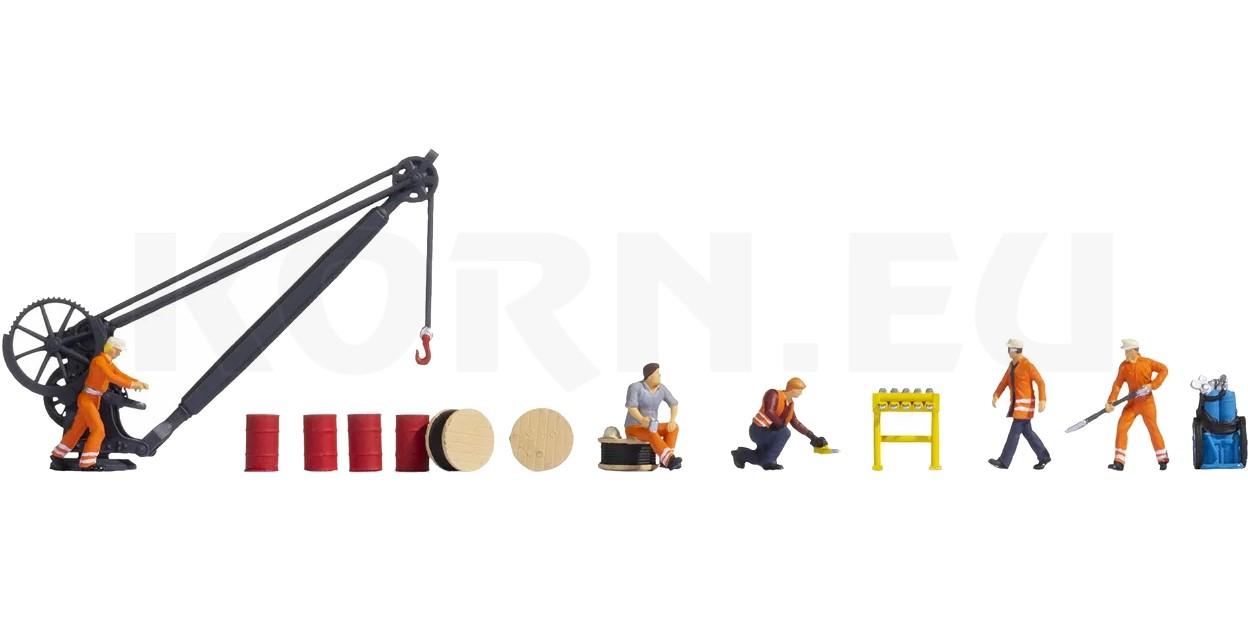
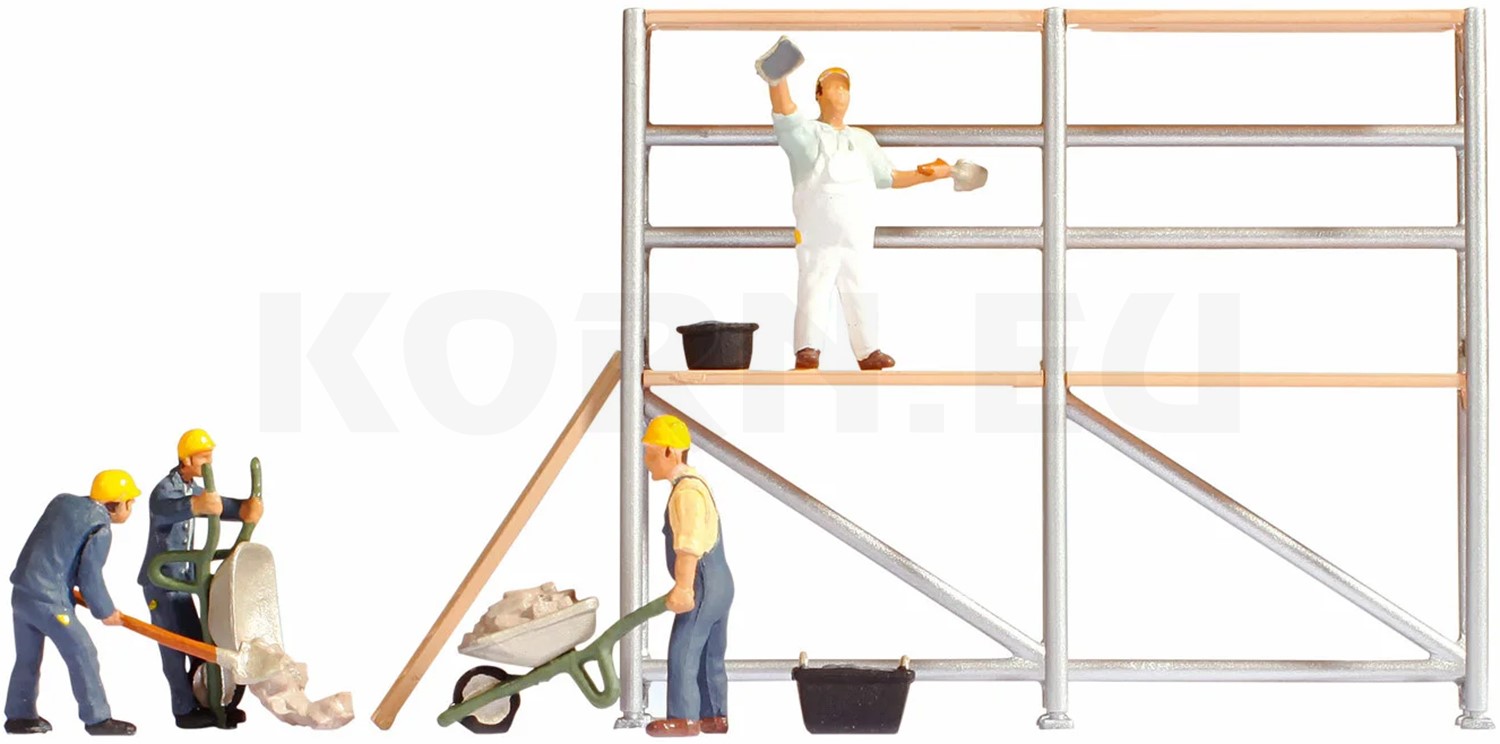
A believable working scene begins with a task. A bricklayer needs an accessible work area; warehouse staff need goods and a practical route for moving them. Combine working figures with a few suitable tools and materials. Make sure hands and accessories are positioned to work together.
For a Construction Site, a defined work area, stacks of materials and two or three people are often enough. Not every figure needs to make a dramatic gesture. A person standing quietly can balance the scene and draw attention to the main activity.
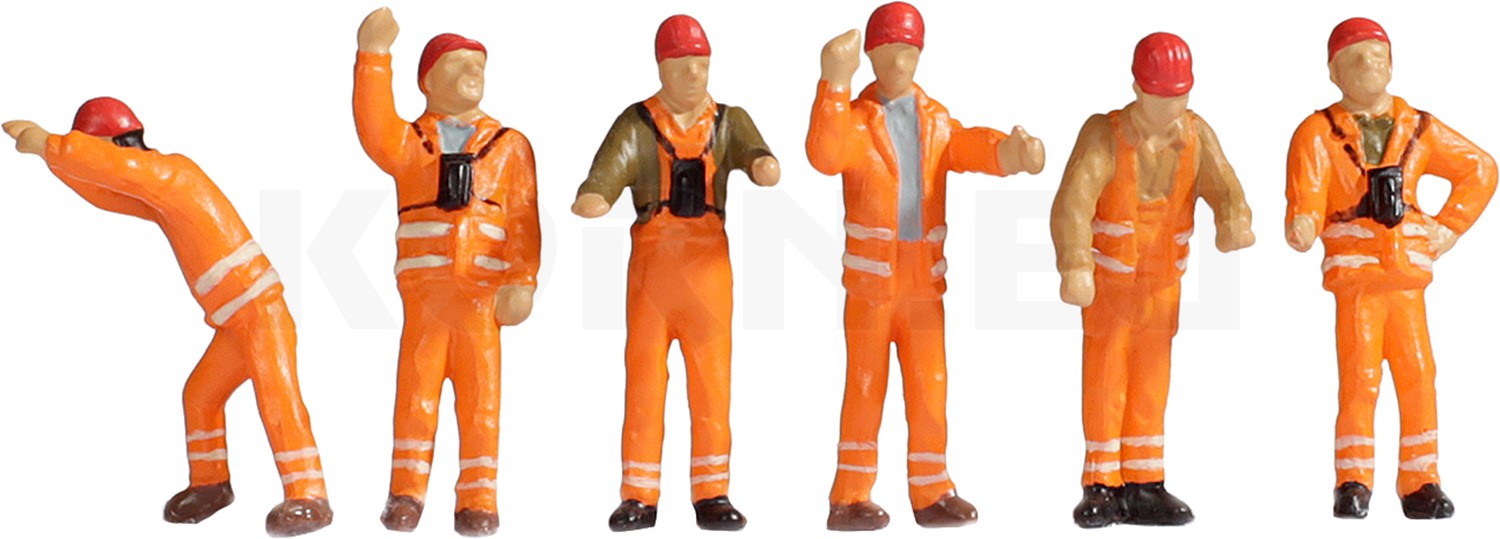
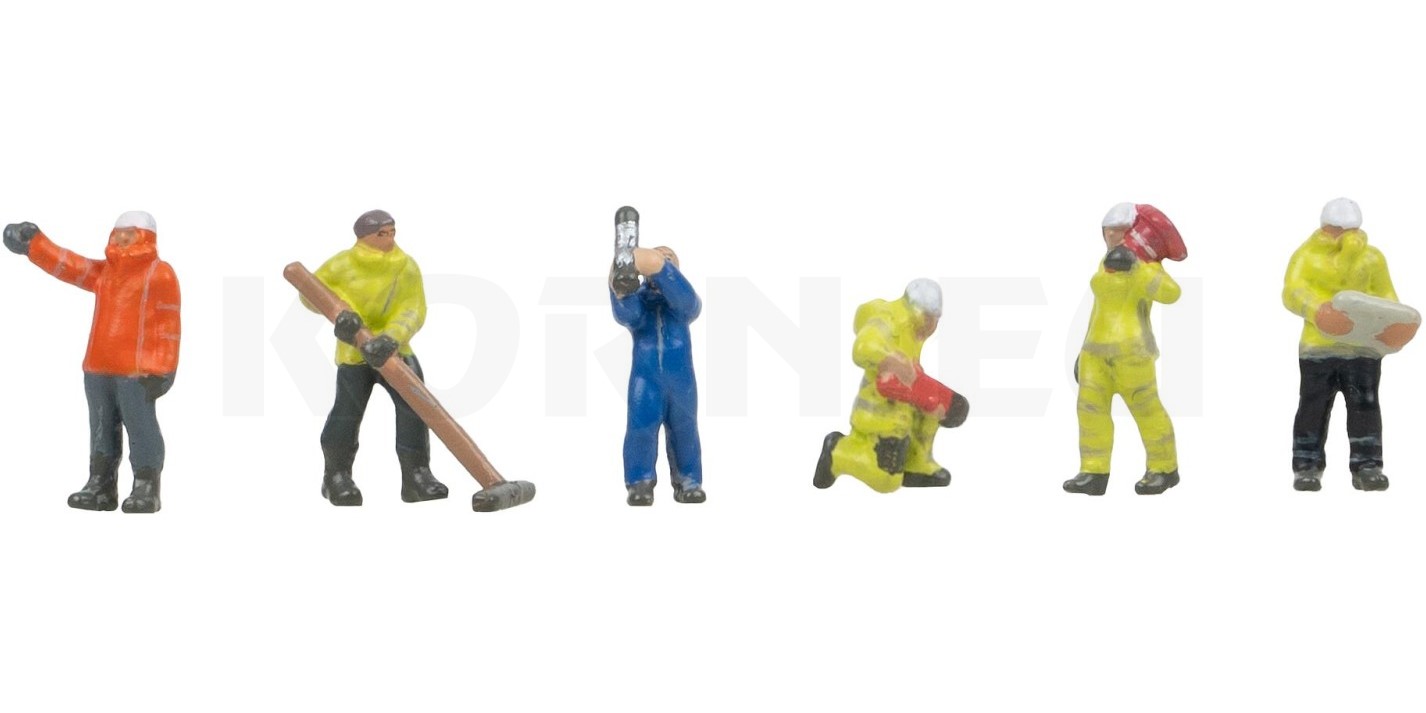
In industrial areas, workers, vehicles and buildings should tell the same story. Gates and access roads should look usable. For track maintenance ideas, visit Railway Construction on a Model Railway. Match workwear, machinery and signs to the same period.
Bring farms, pastures and animals to life
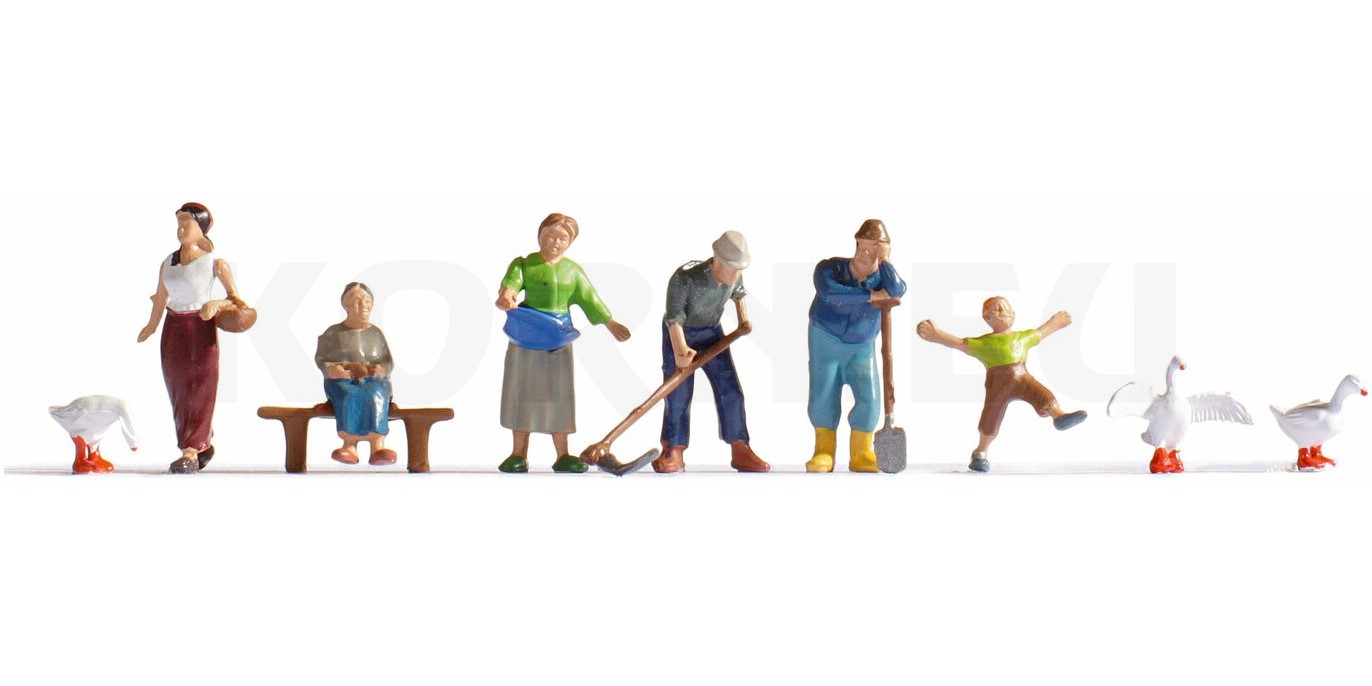
On a farm, little stories emerge from feeding animals, harvesting or walking between the stable and barn. Position farmers so that their activity suits the building and the equipment they are using. The pages on farming and farms help you create a coherent setting.
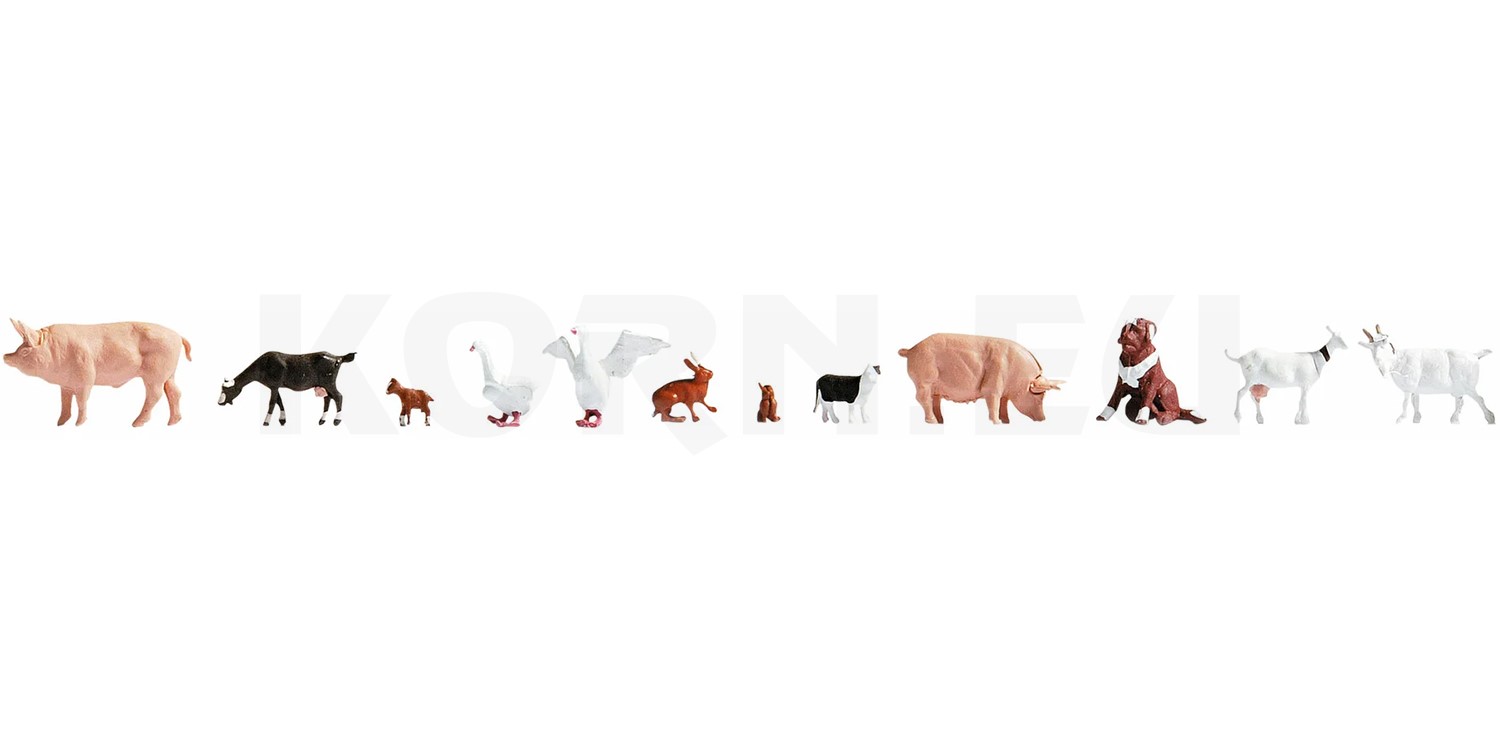
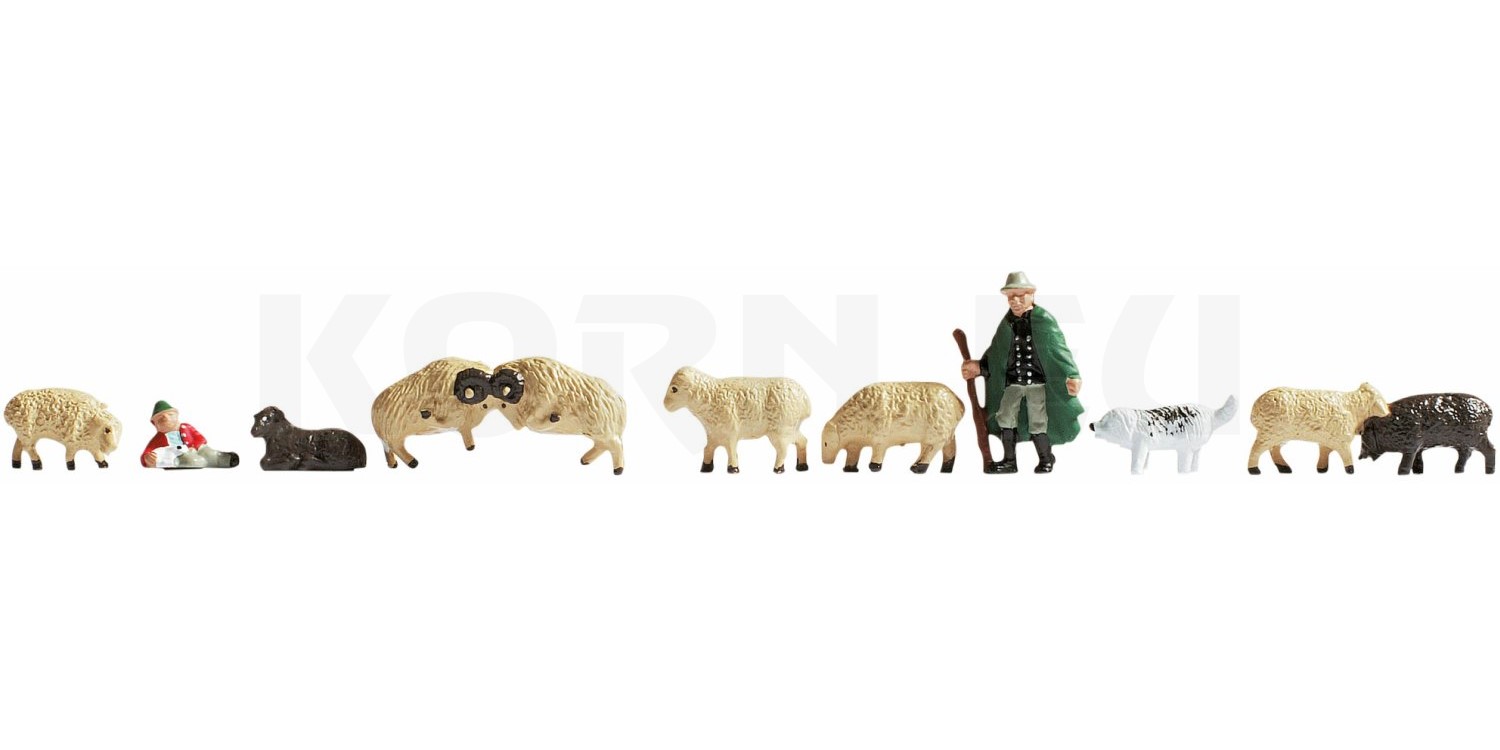
Animals look convincing when their poses suit their location. A small herd can face in different directions; individual animals might turn towards a feeding area or gate. Avoid neat rows and identical spacing. Fences, a water trough and accessible paths make the use of the space clear.
Include fields and meadows in your planning. Open areas are not wasted space: they give a rural scene a sense of calm. A dog in the farmyard or a cat by a garden fence may be enough as a single detail. More farming ideas provide further inspiration.
Hikers, cyclists and leisure scenes
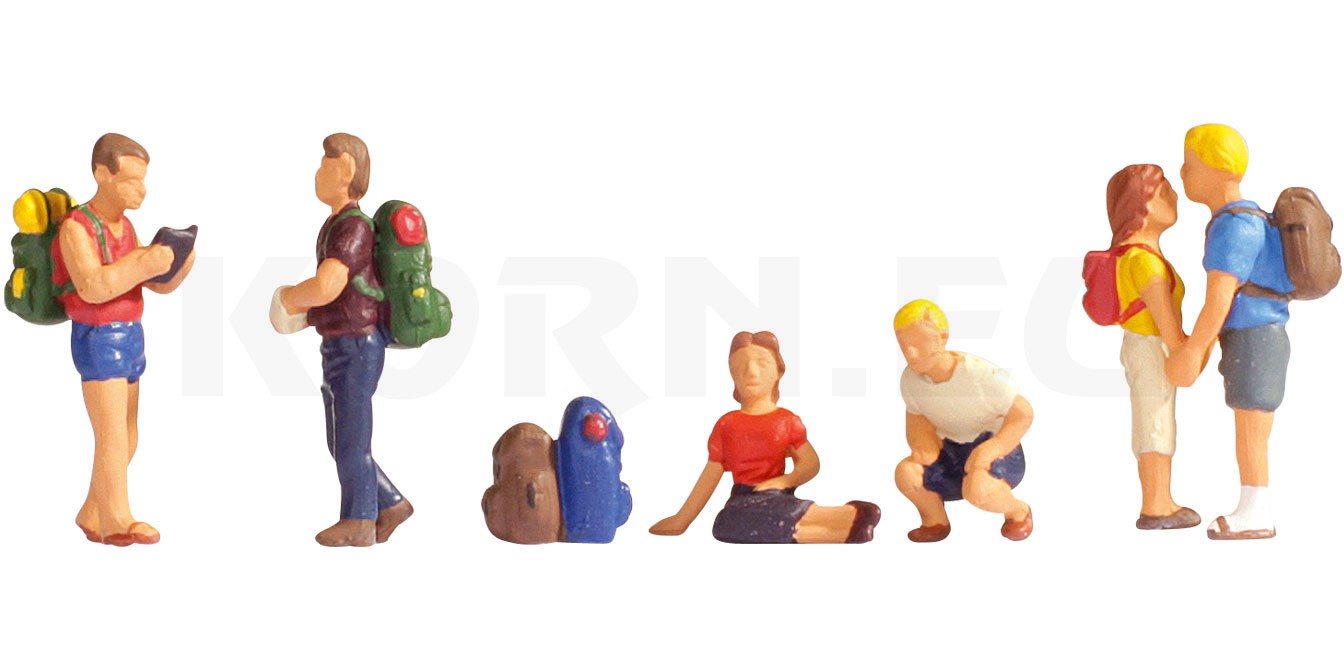
Leisure figures are ideal for parks, hiking trails, swimming spots and visitor attractions. A group of hikers needs a walkable path and a clear direction of travel. They can gather at a viewpoint, while a loosely spaced line looks more natural on a narrow trail. A rest area provides a deliberate quiet spot.
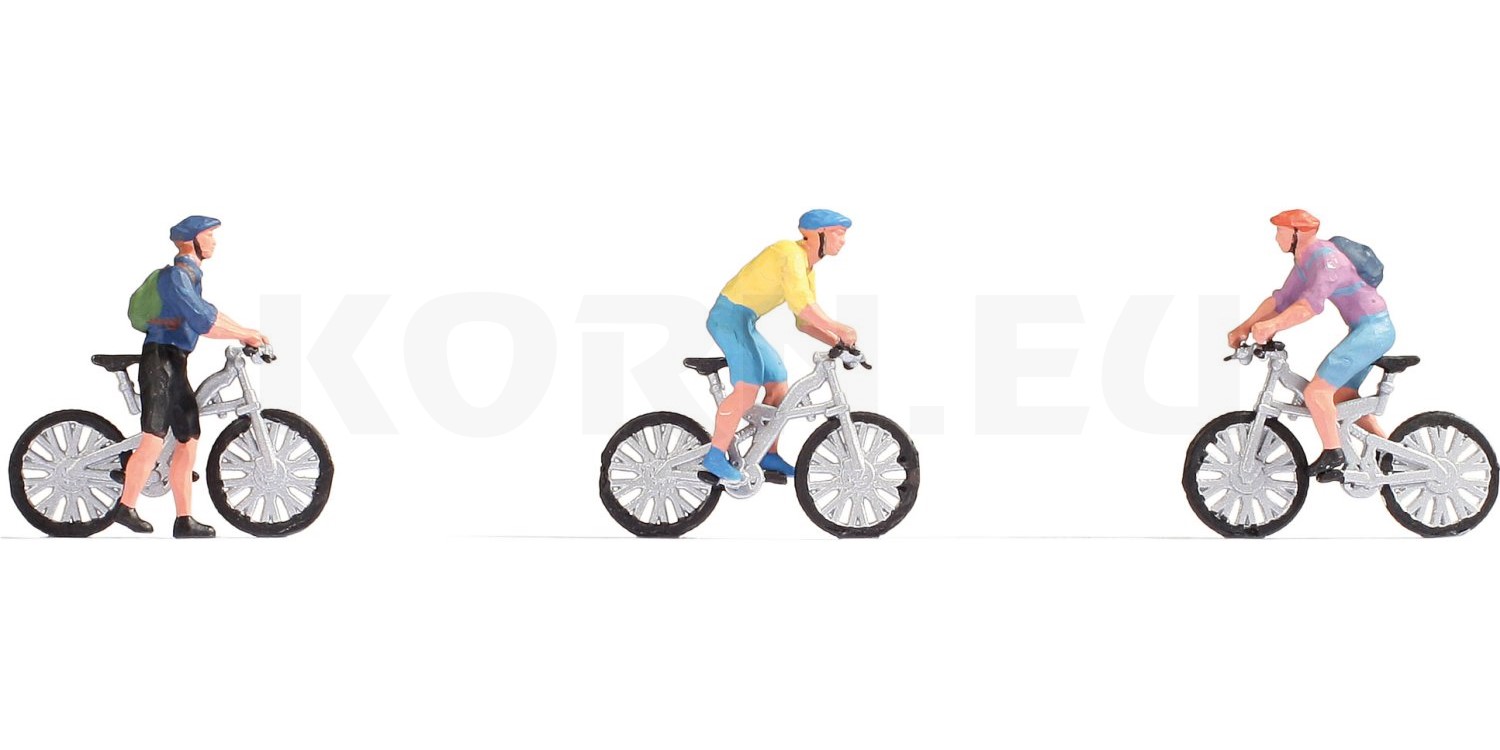
Cyclists should suit the width of the path and the traffic being depicted. Pay particular attention to the contact points and fixing method for delicate bicycles. Arrange figures so that handlebars, legs and wheels do not accidentally collide with fences or other people.
Match clothing and surroundings to the season. Winter figures suit a snowy scene, while light summer clothing works better beside a swimming lake or in a garden. In scenic modelling, a consistent palette and vegetation scheme connect the individual scenes. For a garden railway, check that the figures and adhesives are suitable for the intended outdoor use.
Arrange fire, police and rescue crews convincingly
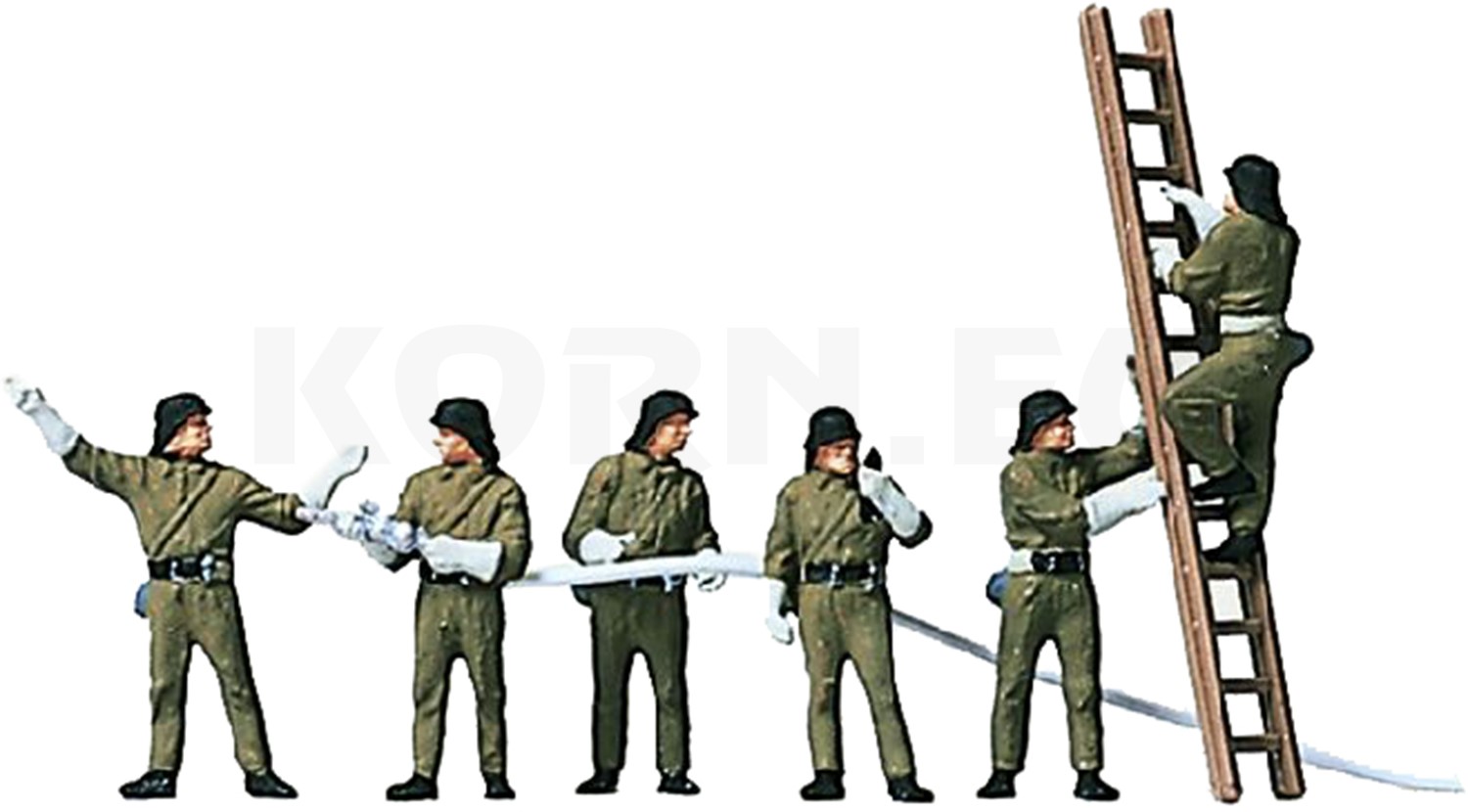
An emergency scene benefits from clearly defined roles. Place firefighter figures beside a vehicle, hose or work area, and police figures at a suitable cordon or checkpoint. Clear access routes and a recognisable incident area make the scene easy to understand. Avoid a random gathering of every emergency figure you own.
The guides to the fire brigade scene, accident scene and police offer suitable variations. Match uniforms and vehicles to the same period. Lighting or movement can draw the eye; check the instructions and plan cable routes and access before final installation.
Funfairs, weddings and Christmas markets
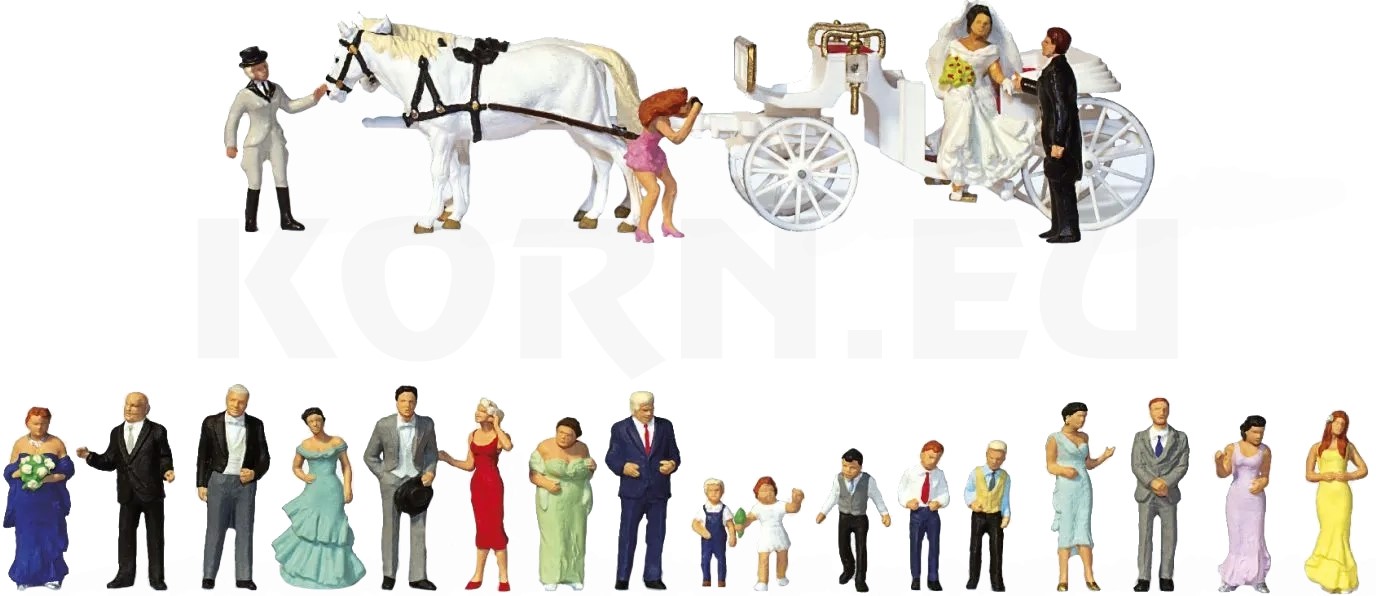
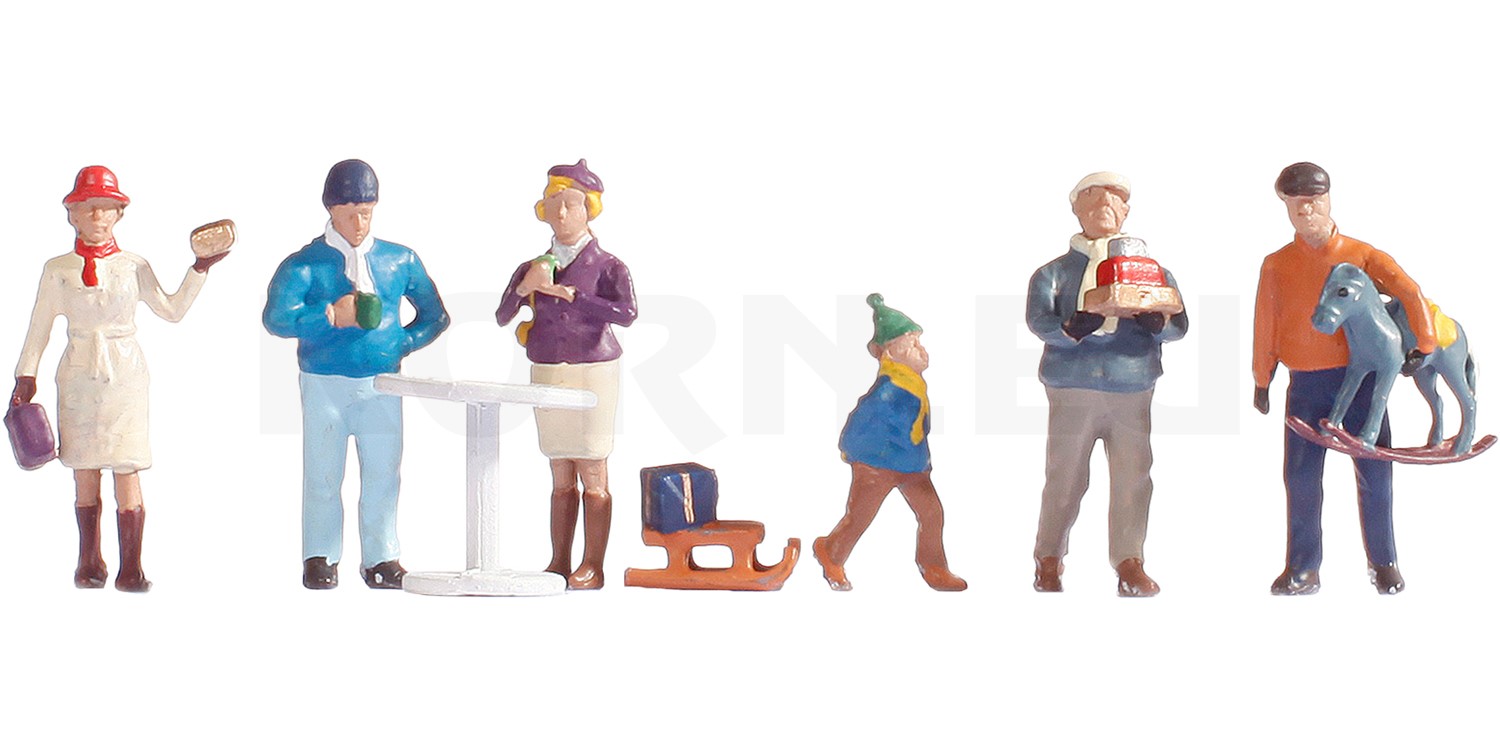
Festive scenes can accommodate more figures, but still need recognisable paths. At a funfair, groups gather around stalls and rides. A wedding centres on the couple and their guests; the rest of the space can remain quieter. The categories Circus and Funfair, Church and Wedding as well as Christmas open up a range of themes.
For a music festival, the Wacken theme provides further ideas. Small humorous scenes can reward closer inspection at the edge of the layout. Use these details selectively so that the main story of the landscape remains clear.
Scale and practical techniques
Figures need to fit their surroundings
For figures, the model scale is what matters. H0 is 1:87, TT 1:120, N 1:160 and Z 1:220. In 0 gauge, scales vary between ranges; for large-scale figures, the manufacturer's stated scale is also decisive. The gauge comparison helps you find your way. Narrow-gauge designations do not automatically change the size of people: H0e figures use the H0 scale.
Test the arrangement before fixing anything
Try the arrangement without permanent glue, viewing it from the usual height. Check the feet, lines of sight and spacing around each figure. A suitable removable figure adhesive can be useful for changing scenes. Following the manufacturer's instructions, apply NOCH Hin- & Weg-Kleber removable adhesive to the contact surface and let it briefly dry clear before positioning the figure.
Paint in small steps
For unpainted figures, choose paints and, where necessary, a primer suited to the material. Thin coats preserve fine detail. A holder or, for sets designed for it, the sprue makes painting easier. Allow each coat to dry as directed and test unfamiliar combinations on an inconspicuous part first.
Check the scene from a visitor's perspective
Photograph the trial arrangement from the intended viewing height. This makes leaning figures, hidden activities and overcrowded paths easier to spot. Remove distracting details before adding more figures. For interiors, it is also worth testing the planned lighting.
Mini project: two passengers beside a bench
- Choose a bench, two suitable figures and a small base.
- Define the pavement and a clear walking route.
- Check seat height and lines of sight without glue.
- Fix the figures with a suitable adhesive.
- Add a piece of luggage or a litter bin and review the result.
Fine tweezers, a light-coloured work surface and a sparing application of glue make positioning easier. Follow the instructions for each product regarding material compatibility and drying.
Find figures and scene accessories in the shop
Choose a category and gauge. The text search checks the loaded product names and MBS item numbers. You can reveal more loaded matches or load additional shop pages.
Checked product images as an initial selection.
Frequently asked questions about arranging figures
How many figures does a believable scene need?
There is no fixed number. Start with the people needed for the activity. A conversation needs two people facing one another; a busy platform needs considerably more. Always check paths and open areas before adding more figures.
Can I mix figures from different manufacturers?
Yes. Compare scale, height, painting style and proportions side by side. Differences between people are natural, but obvious scale differences can stand out beside doors, benches or vehicles.
Why are my figures leaning?
First check the ground, then the figure's contact surface and glue joint. Too much glue or an uneven surface can change the position. Adjust the figure within the stated working time and leave the joint undisturbed while it dries.
Are all figures supplied painted?
No. There are painted figures, unpainted sets and models that require additional assembly. The individual product description is the deciding reference. The number of people, animals and accessories included can also vary.
How can I bring a small layout to life without overcrowding it?
Spread a few clearly recognisable scenes across different areas. A bench, a farmyard task and a person waiting are often enough to start with. Deliberately leave quieter spaces between the focal points.
Related topics and shop categories
Explore scene ideas, building themes and planning guides. Use the search to find topic pages on stations, farming, funfairs, lighting and more.
40 different topic pages
Figures & Scenes · 17
Buildings & Surroundings · 12
Gauges & Planning · 11
Go straight to the categories
- Figures
- Railway staff
- Professions
- Leisure
- Animals
- Accessories
- police
- Fire Brigade
- Circus/Funfair
- Passengers
- Church
- Personalities
- Voyeurs
- Christmas
- Mini World
- adhesive
- Paint
Links and featured products checked on 4 November 2026.
The next story is waiting
Combine figures with buildings, scenery and model railway operation. Find more step-by-step guidance in our main guide.