
55 Topics · From Terrain to Everyday Scenes
Landscape Design for Model Railways
Landscape design for model railways brings nature, buildings and railway operations together in a miniature world of your own. Tracks on a baseboard become forests, rivers, villages and bustling stations. This overview guides you to the right topics – whether you are creating your first scenic section or refining an existing diorama.
Go straight to: Scenery-Building Basics · Landscaping Range

 Nature & Water
16 landscape topics
Seasons
5 seasonal moods
 Railway Surroundings
7 building topics
 Villages & Towns
10 building themes
 Building & Refining
11 practical topics
 Small Scenes
6 everyday themes
A Connected Landscape Rather Than Separate Islands
Start with the region, era and season. Then decide how the railway, terrain and buildings should work together. A clear underlying idea makes later decisions about colours, vegetation and buildings easier. Begin with a manageable section, then apply successful combinations to the rest of the layout.
From Basic Shapes to Fine Details
A useful working sequence is to check operation and accessibility, shape the terrain, colour the surfaces, fit paths and structures, add vegetation and finally position figures. Plan access openings for hidden track and cable routes early on. Drying times and application requirements depend on the materials you use.
Create a Sample Before Tackling a Large Area
Test ground colour, vegetation and adhesive on a spare piece of material. This shows you whether the materials work together before they are permanently installed.
Place a Figure Beside It for Scale
Compare grass, stones, walls and doors with a scale figure. A convincing sense of size matters more than including as many details as possible.
Check from the Viewing Height Before Gluing
Do paths remain visible, building entrances accessible and interesting scenes unobstructed? A trial arrangement like this prevents alterations later on.
Which Landscape Theme Would You Like to Create?
Search for a term or select a topic area. All guides are also linked directly, without using the search. The short descriptions provide design ideas to help you choose your next project.
55 topics in six areas
Discover 16 Topics
Nature, Water and Transport Routes
Start by choosing a clear landscape idea. A branch line running between fields needs different transitions from a coastal route or an industrial area. Terrain, water and routes should not look like separate islands: always consider access roads, banks, slopes and vegetation along the edges. The following topics help you narrow down your chosen theme.
Quarries
Define rock faces, working areas and access roads. Different rock sizes connect the quarry face with the quarry floor.
Gorges
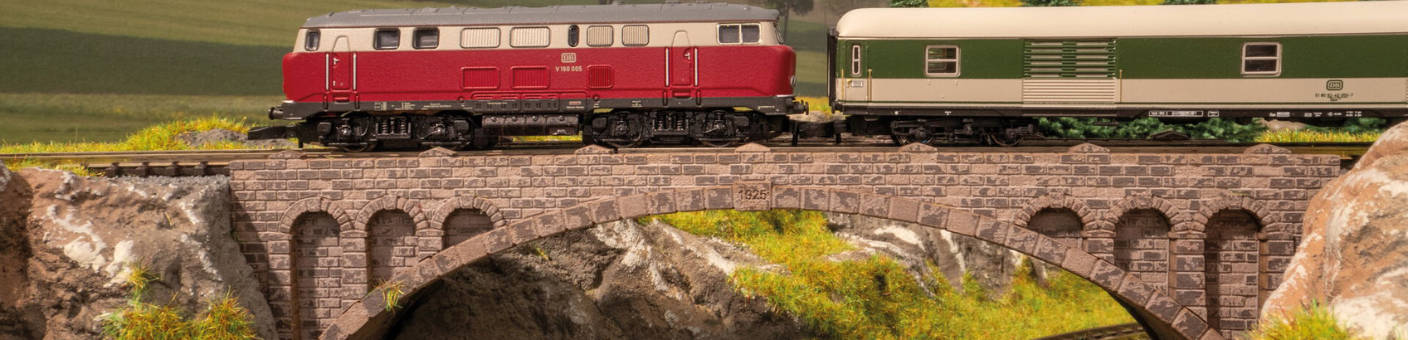
Plan depth and viewing angles together. Rocks, bridges and a stream can be combined into a distinctive section of scenery.
Railway Embankments
Integrate the railway formation with slopes and trackside paths. Varied areas of vegetation break up uniform embankments.
Industrial Areas
Design transport routes, works yards and peripheral areas as one connected space. A small selection of suitable materials creates a consistent appearance.
Coastal Scenery
Connect the shoreline, beach or rocky coast with the hinterland. Transitions and coordinated colours establish the character of the scene.
Desert Scenery
Work with terrain shapes and shades of sand and stone. Open spaces are a deliberate design feature here.
Snow and Winter Scenery
Coordinate snow cover, vehicle tracks and cleared paths. Keep the underlying landscape shapes recognisable.
Farming: Fields and Farm Surroundings
Connect cultivated land, farm tracks and the area around the farm. A shared landscape concept makes it easier to choose ground materials and vegetation.
Vineyards
Make rows, paths and slopes work together. Small variations in colour and planting density prevent rigid patterns.
Forests
Create groups of trees and graduated woodland edges. Ground cover, undergrowth and clearings turn individual trees into a forest scene.
Fields and Meadows
Distinguish between cultivated fields, pastures and open meadows. Field margins and paths divide larger areas.
Waterfalls
Plan the drop, rock ledges and watercourse as a single feature. Test your chosen effects material on a small sample.
Lakes and Water Surfaces
Design the lake bed, banks and surface together. Check sealing and material compatibility before pouring.
Rivers and Streams
Let watercourses follow a logical route through the terrain. Different bank treatments create transitions to the vegetation.
Designing Paths and Squares
Connect buildings, gathering spaces and access routes. Changes in surface material can explain how different parts of a square are used.
Building Roads
Plan the road alignment, carriageway edges and connections before adding fine details. Pavements and driveways connect the road with the buildings.
Discover 5 Topics
Seasons and Special Atmospheres
Choose a season before selecting large quantities of vegetation. Trees, ground surfaces, clothing and small everyday scenes can all express that choice. Winter is an overarching design theme here; Snow and Winter Scenery is also linked in the landscape section. Both pages remain separate starting points.
Christmas Layout
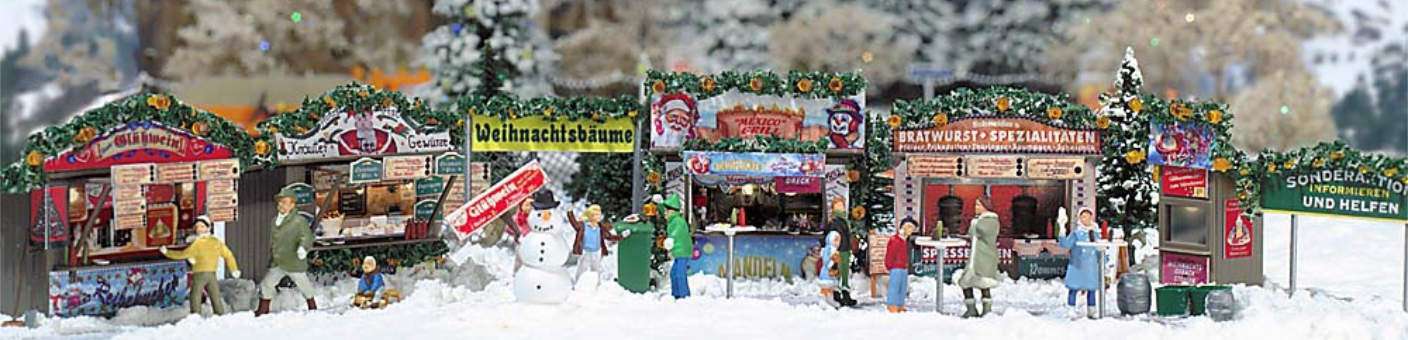
Plan winter scenery and festive details as a complete theme. Pools of light and deliberately open spaces give the layout a sense of calm.
Winter
Choose a consistent winter atmosphere. Clothing, vegetation and surfaces should suit the weather being depicted.
Autumn
Mix warm foliage colours with restrained greens and browns. Individual groups of colour can guide the eye.
Summer
Coordinate dense vegetation, dry edges and figures. Small variations prevent a uniformly green surface.
Spring
Use fresh colours and blossom selectively. Patches of exposed ground can provide an attractive contrast to the vegetation.
Discover 7 Topics
Stations, Railway Operations and Trackside Areas
Railway buildings need functional connections to their surroundings. First check track positions, building dimensions and accessibility. Then add paths, loading areas and equipment. When trying out an arrangement, do not rely solely on the view from above: hidden entrances and implausible transport routes become apparent from the eventual viewing height.
Tram Depots
Combine sheds, track approaches and workshop surroundings into an operating area. Trams need logical entrance and exit routes.
Platforms
Align platform edges, access routes and equipment with the tracks. Check the required clearance using your rolling stock.
Goods Sheds
Connect the loading platform, track and road access. Small loading aids and stacks of goods make the freight-handling process clear.
Roundhouses
Plan the shed, fan of tracks and, where applicable, turntable together. Keep the operating area accessible after adding the scenery.
Locomotive Sheds
Match the entrances and tracks to your locomotives. Tools, staff and outdoor areas reinforce the workshop character.
Signal Boxes
Position the building in a logical relationship to the tracks. Paths and technical details integrate it into the railway surroundings.
Railway Stations
Connect the station building, forecourt and track layout. Clear routes make the station the centrepiece of your scene.
Discover 10 Topics
Villages, Towns and Working Life
Choose buildings to suit the story of your town or village. Houses, a craft workshop area or a larger industrial business each need appropriate outdoor spaces. A shared colour palette and logical road connections help bring kits from different manufacturers together. Always check the scale and actual dimensions.

Police
Integrate police buildings and vehicles into the townscape. A few suitable details make the building's purpose clear.
Fire Brigade
Keep the exit in front of the vehicle bays clear. A training area and crew give the fire station its own character.
Petrol Stations
Plan pumps, entrance and exit as one connected traffic area. Buildings and vehicles should reflect the same period.
Factories
Consider production, deliveries and dispatch together. Yards, pipework and stacks of materials connect the individual factory buildings.
Castles
Make use of a prominent position in the terrain. Walls, access routes and vegetation anchor the castle in its surroundings.
Churches
Give the building space within the townscape. A forecourt, paths and trees can create a transition to neighbouring buildings.
Farms
Arrange the living quarters, livestock buildings and working areas in relation to one another. Access routes and workspaces explain life on the farm.
Town Houses
Combine façades to form a street frontage or the edge of a square. Coordinated colours make variations in building height appear less disjointed.
Houses
Add gardens, entrances and small outbuildings. Everyday details turn individual houses into an inhabited neighbourhood.
Industrial Buildings
Choose halls and workshops with a shared purpose. Paths and outdoor areas connect the buildings.
Discover 11 Topics
Building, Modifying and Refining Structures
Not every building has to go onto the layout exactly as it comes out of the box. Your own additions, interiors and suitable paintwork can create an individual appearance. Choose the construction method to suit the theme, your experience and the material. Plan lighting and future maintenance before final assembly.
Low-Relief Buildings for Layout Backdrops
Create a sense of building depth in narrow spaces. Reduced-depth façades can be combined with the backdrop, street and vegetation.
Kitbashing
Combine parts from different kits to create your own building. Consistent colours and proportions help bring them together.
Scratch-Building Structures
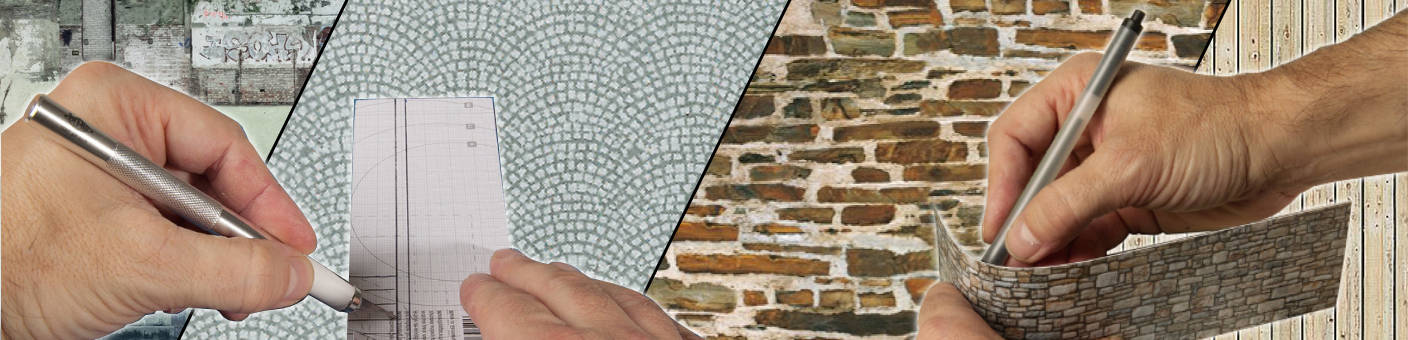
Plan your chosen building using sketches and dimensions. Test the wall arrangement and roof shape on a simple mock-up first.
Modelling Mortar Joints and Masonry
Bring out masonry textures with subtle colour contrasts. Assess the appearance of the mortar joints from a normal viewing distance.
Creating Realistic Roofs
Distinguish between roof surfaces, ridges, gutters and extensions. A few appropriate signs of wear tie the roof in with the rest of the façade.
Weathering Buildings
Apply weathering selectively to areas subject to wear. Paint samples help you avoid making the entire building equally dirty.
Creating Interiors
Detail the rooms that can be seen rather than every corner. Partitions, floors and a few pieces of furniture give windows a believable background.
Lighting Buildings
Plan light compartments and cable routes before assembly. Follow the connection specifications for the lights and modules you use.
Card Modelling
Work with clean cut edges and carefully folded parts. Check the fit and choose a suitable adhesive before assembly.
Building Laser-Cut Kits
Trial-fit the components before gluing. Thin layers of material require a steady, precise approach.
Building Plastic Kits
Prepare the gluing surfaces and paint scheme. Pay particular attention to square walls, visible seams and the fit of the roof.
Discover 6 Topics
Everyday Scenes and Lively Details
A good scene has a clear focal point. People, vehicles and accessories work together to explain what is happening. Rather than spacing figures evenly, position them according to their activity and direction of view. The farming page in this section complements the landscape topic of the same name; both links are listed separately in the topic overview.
Accident Scene
Give the scene a clear focal point. Vehicles, barriers and onlookers should depict an understandable situation.
Fire Brigade Scene
Connect emergency vehicles and crews with a recognisable incident location. Clear access routes keep the scene easy to understand.
Farming: Everyday Scenes
Tell a story of everyday rural life: work around the farm, animals in the pasture and people bringing in the harvest.
Construction Site
Arrange construction equipment, material stores and working areas logically. Visible construction progress makes the theme especially clear.
Level Crossing
Bring the road and rails together with suitable transitions. Barriers, signs and paths need sufficient space.
Station Scene
Arrange passengers, luggage and railway staff in small groups. Keep the routes between the forecourt, building and platform recognisable.
Match the Gauge to the Visible Size of Your Materials
Landscape design is just as relevant to Z, N, TT, H0, 0, 1 and G as it is to narrow-gauge railways. Many basic materials can be used across different scales. Buildings, figures, fibre lengths and grain sizes must nevertheless suit the intended effect. Garden railways also require materials suitable for outdoor use; not every landscaping product meets this requirement.
Judge by visible proportions rather than the information on the packaging alone. A fine fibre may represent short vegetation in a large scale, while the same fibre looks much taller in a smaller scale. The product search uses the shop's gauge information for its filters; materials explicitly labelled as universal can also be included.
Choose Suitable Materials from the Base to the Vegetation
Match your purchases to the next stage of the project. Filling compounds help shape surfaces, scatter material adds ground texture and grass mats and grass fibres provide vegetation. For trees and shrubs, add foliage and ready-made trees.
Choose paints and adhesives to suit the base material. For model water, follow the application instructions for the individual product; layer thickness, drying times and the possibility of further pours differ between materials.
 Grass Mats and Grass Fibres
Deciduous Trees
 Scatter Material
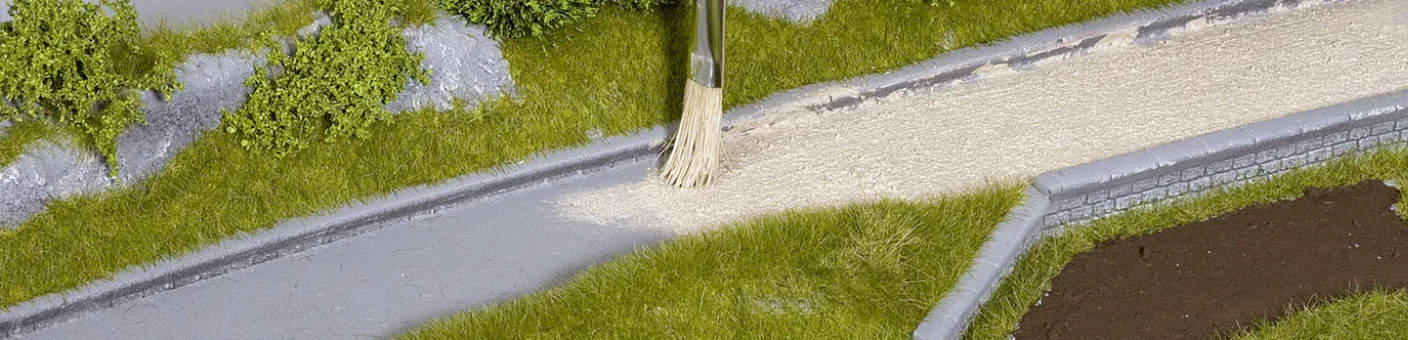 Filling Compound
Building Boards, Walls and Sheets
Bridges
Houses
 Detailing Accessories
More product examples with large shop images are loaded when this page is embedded in Modellbahnshop.
Materials and Accessories from the Shop Categories
Find Products for Your Landscape Design
The finder loads products from relevant categories and checks their product pages. Filter the loaded products by search term, category, manufacturer and gauge. Use the button to load more products. An empty selection does not tell you anything about shop pages that have not yet been loaded.
The product section starts when you reach this point.
Manufacturers for Your Model Landscape
Discover materials, kits and detailing accessories from different brands. Scale, colour effect, material compatibility and the contents of each package remain the key factors when combining products.
 NOCH
 FALLER
 BUSCH
 AUHAGEN
Frequently Asked Questions About Layout Design
Where Should I Start as a Beginner?
Choose a small, coherent theme, such as a railway embankment, a meadow on the edge of a village or a simple station forecourt. Test materials and the working sequence there before landscaping the entire layout.
Does a Convincing Landscape Need Lots of Details?
No. Clear terrain shapes, suitable colours and logical transitions can matter more than numerous individual components. Add details where they serve a recognisable purpose or tell a small story.
Can I Show Different Seasons on One Layout?
This is possible when the areas are deliberately designed as separate themes. Within one continuous scene, a shared season generally creates a calmer impression. A removable module makes it easier to change the season without altering the rest of the layout.
Why Are There Two Farming Pages?
The overview contains two separate links: one in the landscape section and one under everyday scenes. Both are retained so that you can go directly to either starting point.
How Can I Prevent Problems During Later Operation?
Keep hidden track, turnout drives and lighting accessible. Check clearances with the rolling stock you use before permanently fixing walls, platforms or vegetation in place.
Should I Buy Everything at Once?
Plan the next construction section first. Small material samples help you assess colours and surfaces. Once the trial is successful, you can estimate quantities and additional requirements more accurately.
Your Next Model Landscape Starts with a Good Idea
Use the topic overview as your starting point and continue building section by section. Whether it is a forest, a coast, a station district or a small everyday scene, a shared idea brings the individual models together. You can find more information about layout planning, track, rolling stock and technology in the comprehensive Model Railway Guide .