Modellbahn Keks
Welcome!
Our cookies offer you a fast, relaxed and full-featured shopping experience. Some are necessary to operate the website and its functions. Others help us to improve our services. If you agree to this, simply consent to the use of cookies for preferences, statistics and marketing by clicking on "OK". Alternatively, you can deactivate individual cookies under "Customise cookies" or all cookies, except those required for the function of our website, under "Reject all".
Inspiration for your next train

Locomotives, Coaches, Wagons & Train Formation – The Complete Overview

From your favourite locomotive to a well-matched train: explore vehicle types, coaches and wagons, and the knowledge you need for your next formation.

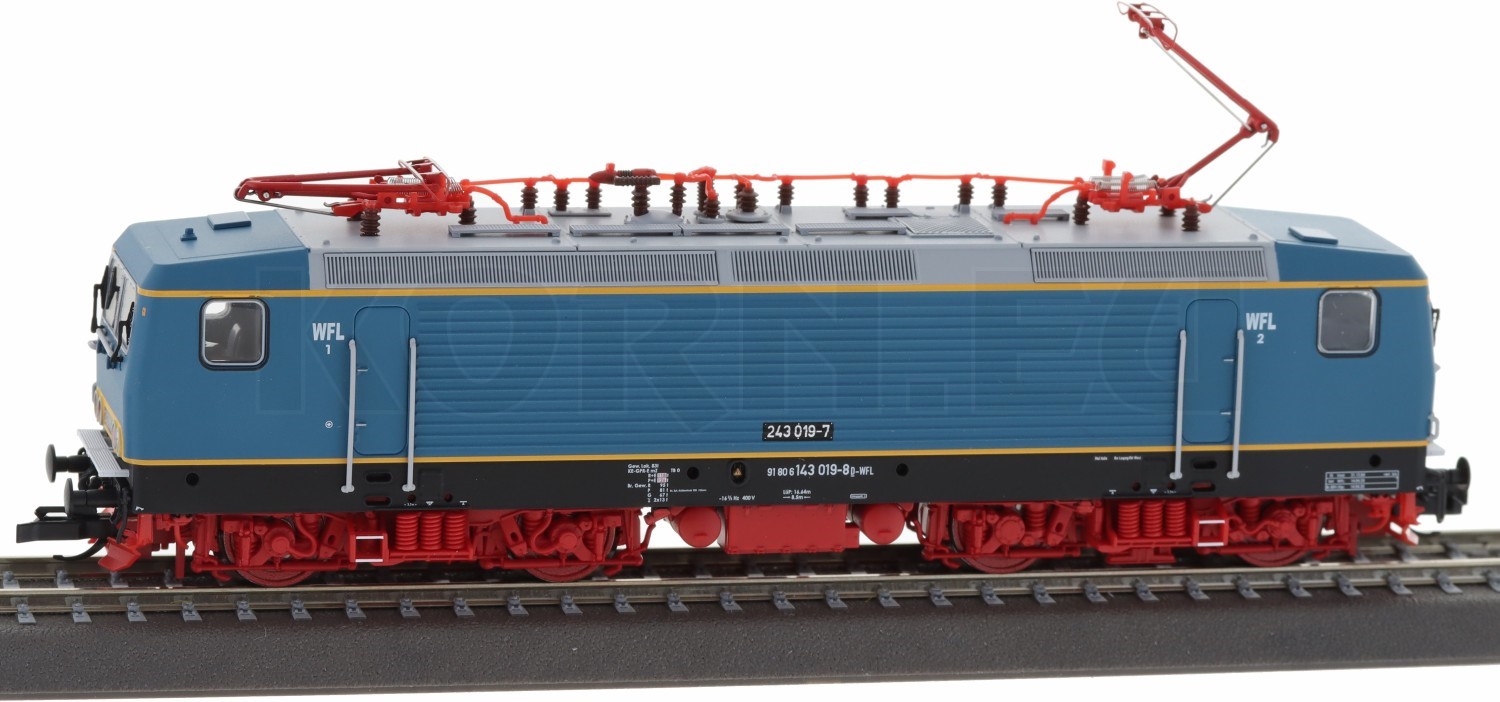
Piko 47498 TT Class 243 019-7 Electric Locomotive, WFL, Era VI "S-Bahn Leipzig"
MBS item number: MBS189032
Choose. Combine. Operate.

What makes a well-matched model railway train?

Locomotives, coaches, wagons and train formation go hand in hand. A convincing model railway takes shape when the vehicles suit both the layout and a shared concept. This comprehensive overview connects rolling stock topics with gauges, eras, railway companies and practical technology. Go straight to a specialist page or plan your next train step by step.

Start with the operation you have in mind: should a small locomotive shunt at a goods shed, a passenger train call at a branch-line station or a modern container train cover long distances? This will suggest suitable vehicle types, required track lengths and useful additions. Then check the technical specifications of the individual models.

Ten ways to explore rolling stock

All the key topics at a glance

Train formation finder: start with the locomotive

Open the existing finder, choose a locomotive and explore suggestions for matching coaches and wagons. Then check the specific combination against the vehicle specifications and your layout.

Go to the train formation finder
Traction & operation

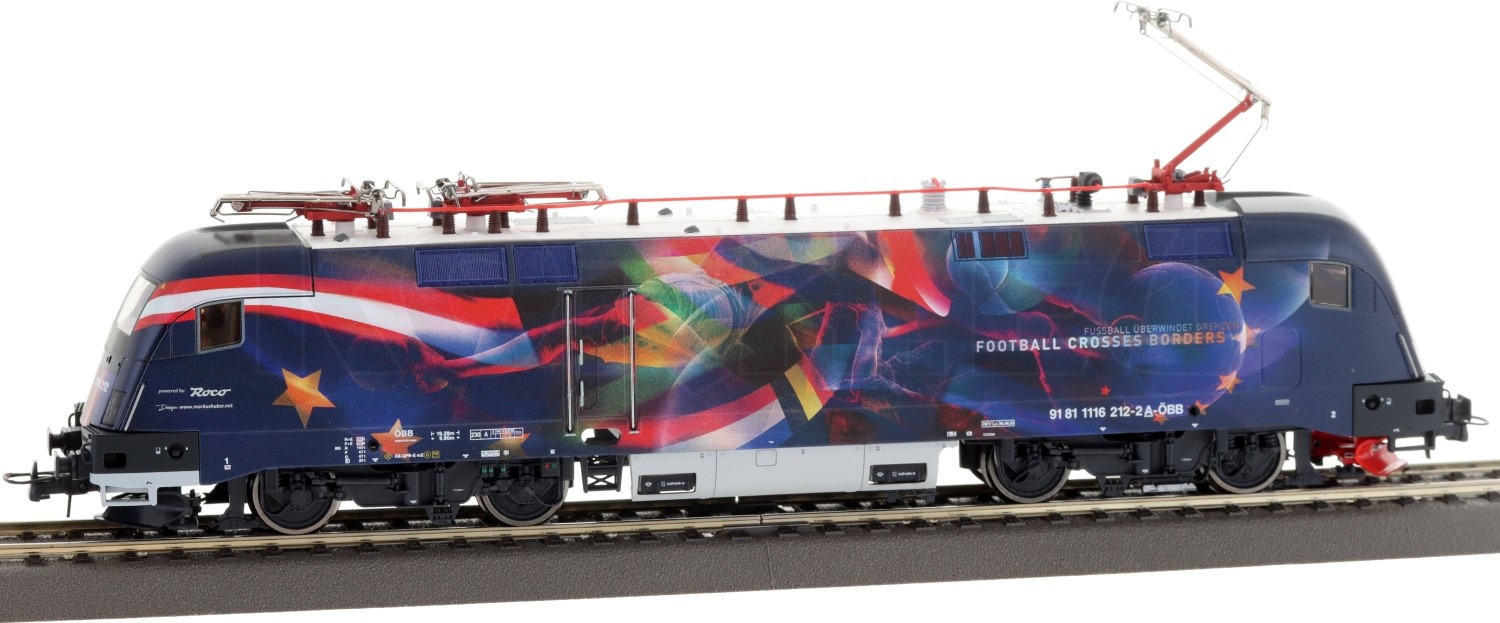
Locomotives

Steam, diesel or electric: explore locomotive types, operating roles and suitable equipment. This overview helps you move from your first favourite locomotive to a carefully considered selection of rolling stock.

Explore this topic →
TT gauge

TT steam locomotives

For steam operation in 1:120 scale: discover models and related topics. Compare the specific version with your track curves and intended train; gauge alone does not determine the space required.

Explore this topic →
Branch lines

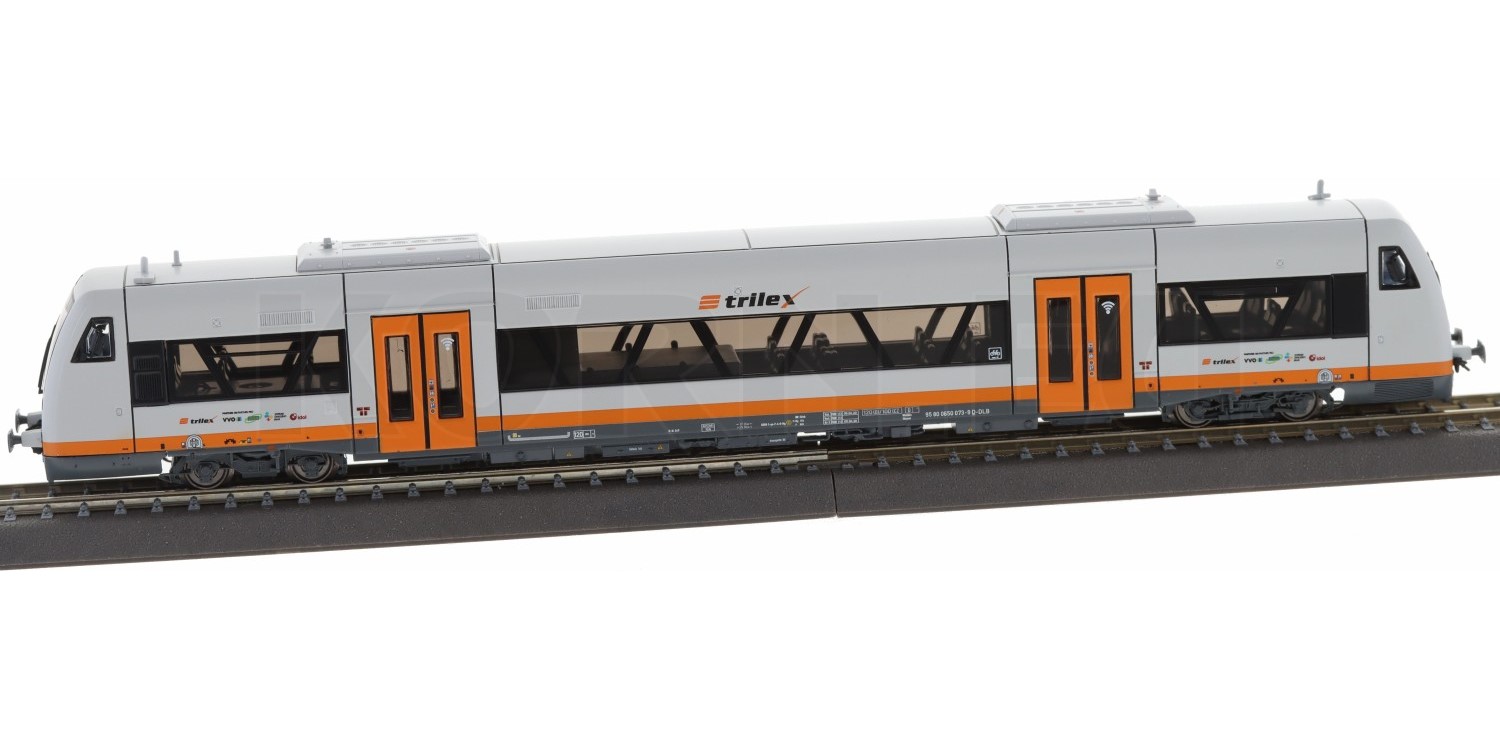
Railbuses

Compact passenger services with a character of their own: railbuses suit small stations and manageable operating routines. When combining powered cars, trailers and driving trailers, check the formation and each model’s functions.

Explore this topic →
Urban transport

H0 trams

Tram models bring a distinct area of operation to your layout. Track alignment, vehicles and power supply all require suitable planning. The topic page introduces models and helps you create a coherent urban transport scene.

Explore this topic →
DR passenger services

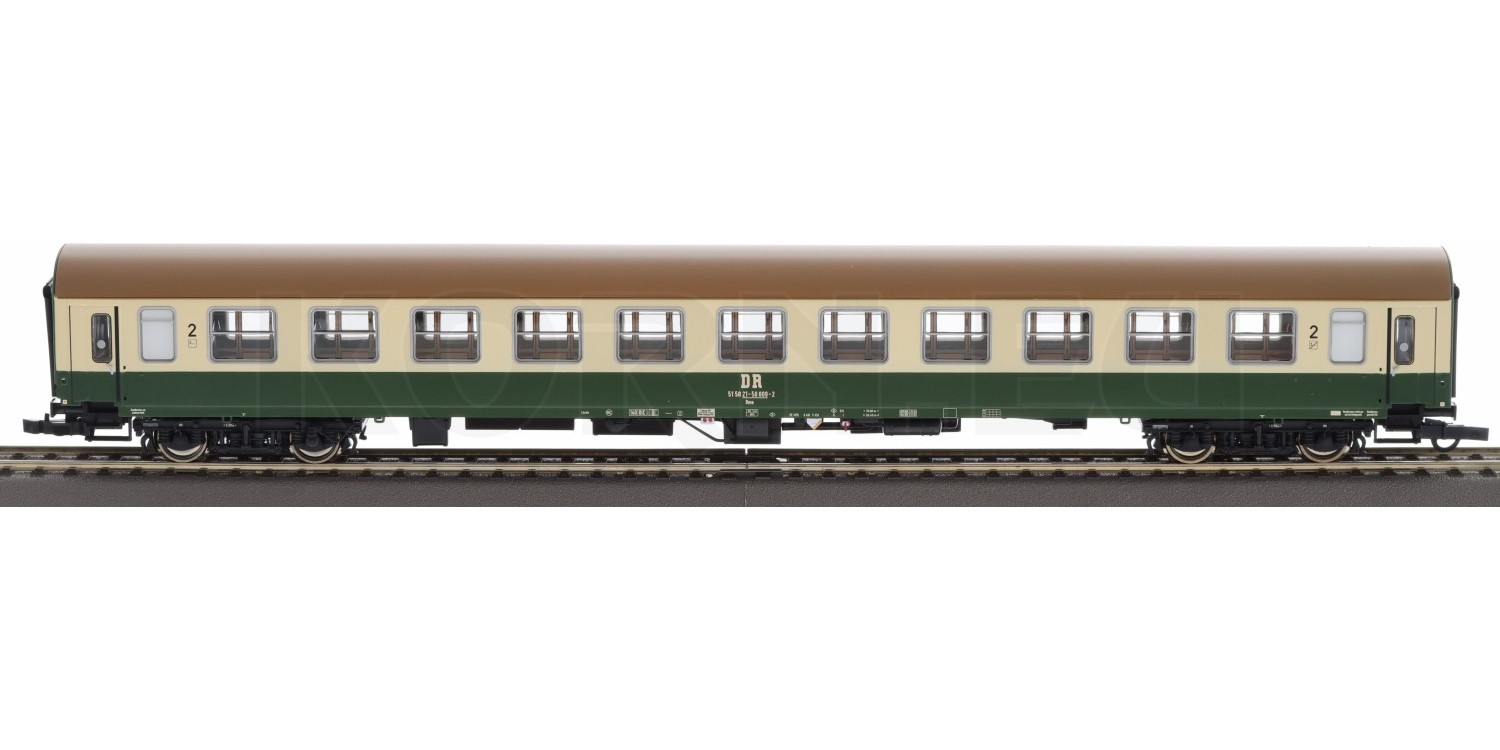
Bghwe rebuilt coaches

The four-axle rebuilt coaches are a distinctive subject for Deutsche Reichsbahn enthusiasts. Use the specialist page for vehicle ideas and pay attention to lettering, version and the period represented when putting your train together.

Explore this topic →
Liquid freight

Tank wagons

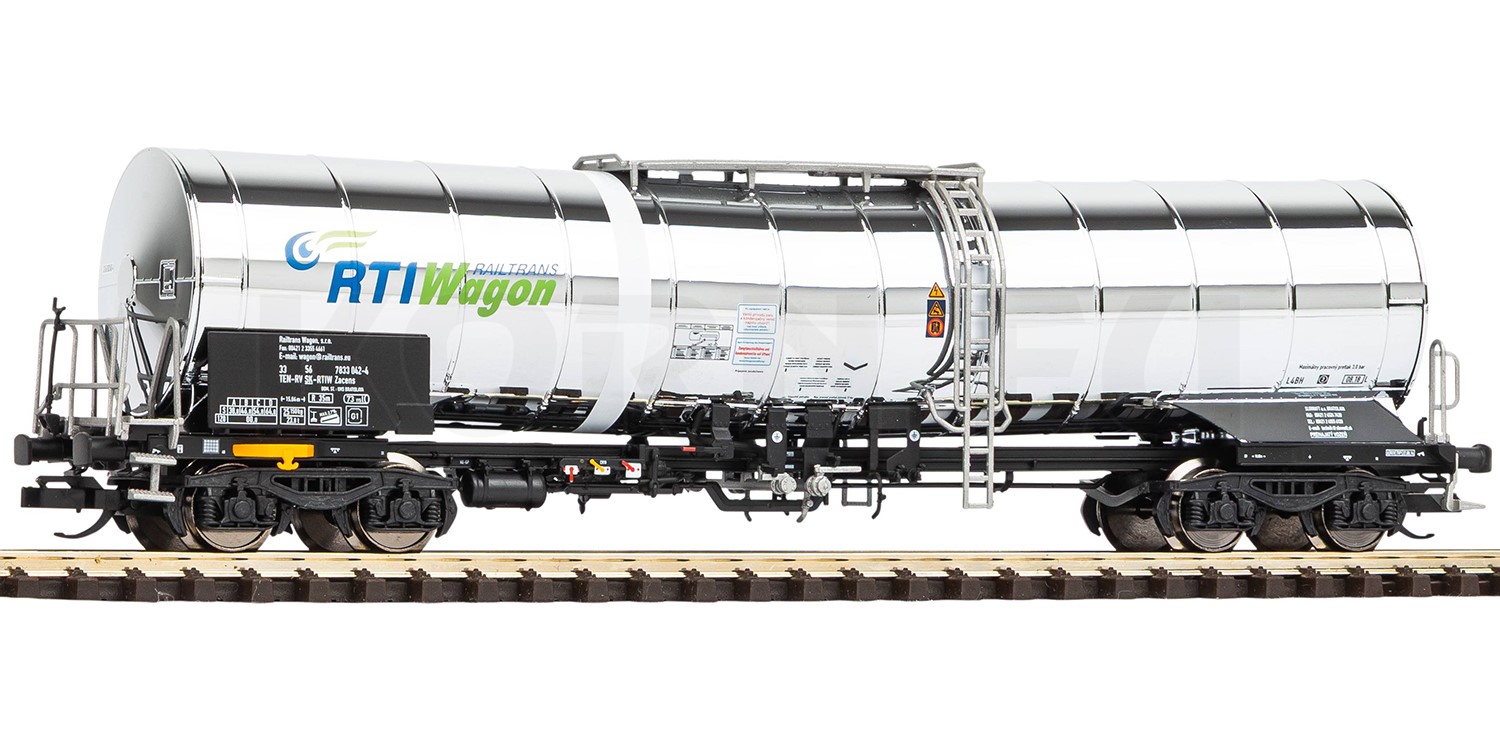
From a single wagon in a mixed freight train to a complete block train: the design, operator and lettering shape the appearance. Choose a plausible transport task and match the wagons to it.

Explore this topic →
Intermodal transport

H0 container wagons

Wagons, containers and terminals belong together. Check the intended loading units against the specific carrier wagon. Even a short container train can provide a convincing operating concept on a compact layout.

Explore this topic →
Collecting & presentation

Collecting beer wagons

Brewery liveries combine railways with the enjoyment of collecting. Explore different designs and make a conscious choice between a themed collection and a train that follows the prototype as closely as possible for a particular era.

Explore this topic →
Shunting & transport

Creating freight trains

Plan the train around its task: which goods are needed at which siding? The freight train page combines rolling stock ideas with operating possibilities and leads to suitable wagons for varied model railway operation.

Explore this topic →
Understanding rolling stock

Which locomotive, coaches and wagons suit your idea?

Choose powered vehicles to suit their task

Steam locomotives offer very different possibilities, from compact branch-line engines to large tender locomotives. With long vehicles, pay particular attention to curves, turnouts and clearance beside the track. A smaller locomotive may suit a short station layout better, even if the large express engine initially seems more fascinating.

Diesel locomotives offer many possibilities for shunting, branch lines and main lines. Electric locomotives are particularly suited to an appropriately chosen prototype route. Representing overhead wires and supplying power to the model are separate matters: the specifications of the individual vehicle and track system determine the electrical connection.

Railcars and multiple units combine propulsion with passenger accommodation or form a coordinated multiple-unit train. Additional intermediate cars or trailers must suit the intended model family. A similarly painted addition does not, by itself, establish mechanical or electrical compatibility.
Combine coaches and wagons to suit the service

For passenger coaches it is worth considering the type of train, accommodation classes and area of operation. A short local service follows a different concept from an international express. Dining, luggage or driving trailers can complement the concept when their specific versions are appropriate. Allow sufficient platform and stabling track length at the same time.

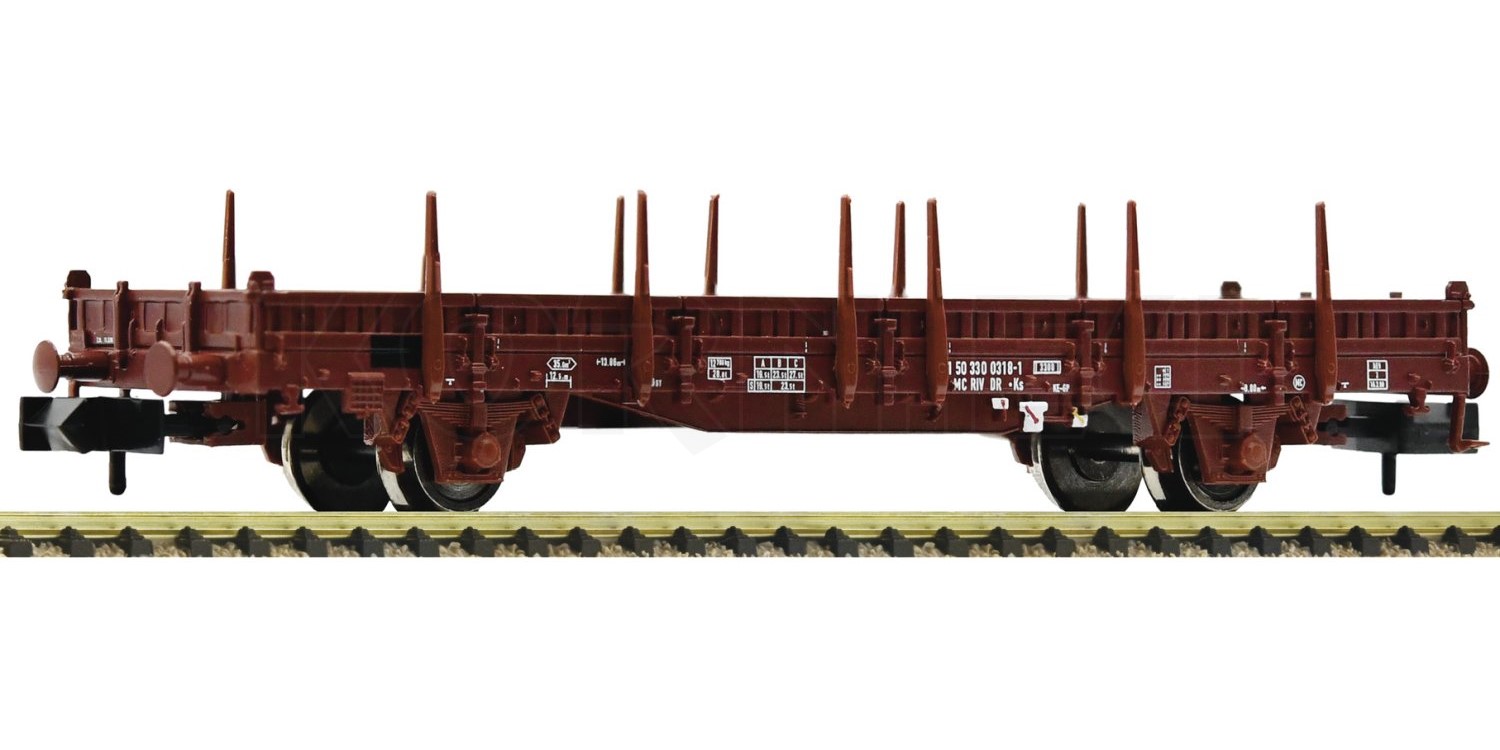
Freight wagons make sense in the context of their load and transport route. Covered wagons, open wagons, stake wagons, tank wagons and container carriers can be selected deliberately. A mixed train offers plenty of shunting tasks; a largely uniform formation highlights a particular type of traffic.

For both groups, the individual model matters. Vehicle length, wheelsets, couplings and, where fitted, lighting influence its use. The product name provides an initial indication; authoritative technical specifications and particular restrictions are given in the product description and manual.

From idea to operation

Train formation in four clear steps

1. Choose a shared prototype setting

First choose the region, type of traffic and period. The era overview provides orientation, while the railway company pages explore the subject in greater depth. However, the same era designation does not automatically mean that two specific vehicles operated together. Dated prototype photographs or documented train formations are useful when recreating a train accurately.

For a freely designed layout, a coherent story is often enough: the local passenger service brings commuters to the junction station while a trip freight delivers wagons to a local business. This gives even short trains a plausible purpose.

2. Match the length to your layout

Add up the actual model lengths and allow for coupling gaps and stopping margins. What matters is the usable track length between operational limits, not simply the visible platform length. Also check stabling sidings, passing loops and the hidden staging yard.

A shorter train can offer more possibilities when it fits completely into its intended tracks. Add further vehicles only once the basic formation runs reliably. For long trains, gradients and hauling power under actual layout conditions also become important.

3. Compare the technical specifications

Consider the track and vehicle together

Gauge, track system and current collection must be compatible. In H0 especially, scale alone is not a sufficient selection criterion. Check the two-rail or centre-contact system, suitable wheelsets and, for digital operation, the supported protocol. Illuminated coaches may also need compatible electrical equipment.

Check the coupling head, pocket and mechanism

Check coupling height, freedom of movement and the gap between vehicles. Different coupling heads cannot be combined arbitrarily. The guide to adjusting couplings helps you carry out a systematic check before converting a complete group of vehicles.

What an NEM coupling pocket tells you

A pocket conforming to NEM 362 accepts interchangeable coupling heads with an appropriately shaped shank. The pocket alone does not establish that a close-coupling mechanism is fitted. For closely coupled vehicles, NEM 352 describes how suitable heads and guiding mechanisms work together.

4. Test the complete train

First check each vehicle, then the complete formation at low speed. Observe curves, reverse curves, turnout combinations and transitions into gradients. If the train is intended to be propelled, include that operating condition in the test. The guide to minimum curve radii by gauge and vehicle type supports your planning; the specific vehicle requirements remain decisive.

Find models

Product search for locomotives, coaches and wagons

Choose the vehicle type and gauge. The search checks descriptions and MBS item numbers of models that have already been loaded. The two loading controls let you display more loaded results or retrieve additional shop pages. The selection is a research aid; it does not confirm the technical or historical suitability of a train formation.

Open the selected shop category

Checked initial selection. Additional products are loaded on modellbahnshop.de.

Explore manufacturers

Brands for your rolling stock selection

The manufacturer pages open up different model ranges. Compare the specific class, gauge and version; the brand name alone does not tell you which track system or coupling is suitable. Use the original manufacturer logos to go directly to each selection in the shop.

Practical answers

Frequently asked questions about choosing rolling stock

Can I combine locomotives, coaches and wagons from different manufacturers?

Yes, when the models are compatible. Compare gauge, electrical system, wheelsets and couplings. Illuminated coaches or current-conducting connections introduce additional electrical requirements. The characteristics of the specific version are what matter.

Which gauge is suitable for long trains?

That depends on the available space and intended operation. Compare actual model lengths, usable station tracks and required curve radii. A smaller scale opens up different possibilities, but does not replace track planning.

Does every electric locomotive need working overhead wiring?

Check the model’s current collection arrangements in its manual. Representing an electrified prototype route and supplying power to the model are separate decisions. Decorative overhead wiring can complement the scene.

How many wagons can a locomotive haul?

There is no reliable universal number. Vehicle weight, rolling resistance, curves, gradients and the particular locomotive all interact. Start with a short formation and extend it after successful test runs.

Is the same era enough to create an authentic train formation?

No. Region, operating period, train type and the specific vehicle version also matter. The era helps narrow the search. Dated photographs and traceable formation records are useful for recreating a particular train.

What should I check first when derailments occur frequently?

Identify the location and the vehicles affected. Check track alignment, transitions, coupling movement and the vehicle requirements. Change only one thing at a time and repeat the test run so that the cause remains identifiable.

Rolling stock becomes your model railway

Develop your plans with guides to track, digital technology, layout construction and maintenance.

Go to the main guide page

Back to top ↑